

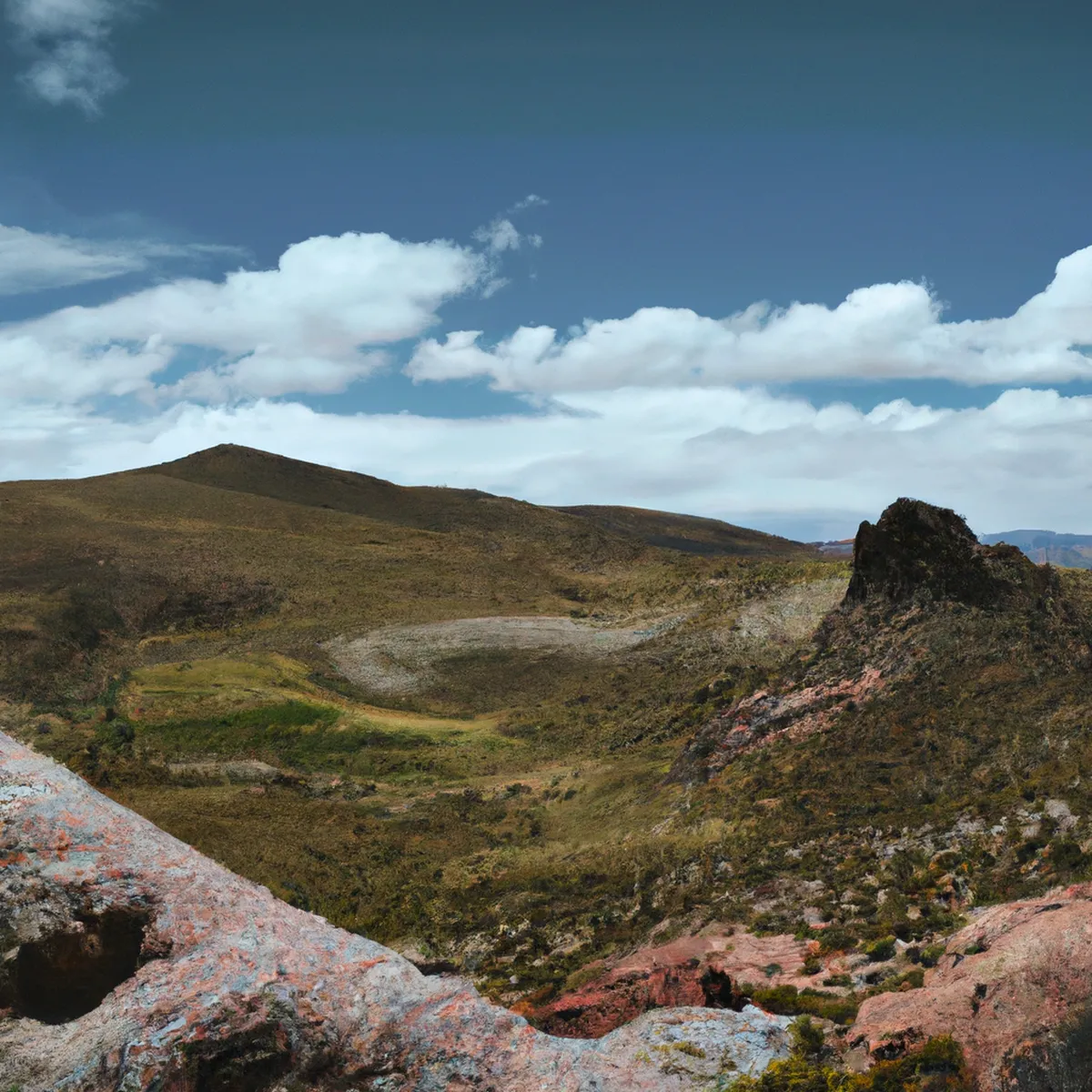
Bolivia’s natural resources encompass world-class mineral deposits—including the planet’s largest lithium reserve in the Salar de Uyuni (>20 million tonnes) and top-ten global silver output (1,190 tonnes)—alongside extensive natural gas fields, 303.5 km³ of freshwater, and extraordinary biodiversity spanning over 17,000 documented species. How are Bolivia’s mineral, energy, and forest resources distributed?
Bolivia is a South American nation endowed with a rich variety of natural resources. Extending from the vast lowlands of the Amazon rainforest through fertile sub-Andean valleys to the high Andean Altiplano, the country contains a spectacular mosaic of ecosystems supporting globally significant biodiversity.
Table de contenidos
The natural resources of Bolivia include metallic minerals such as silver, tin, zinc, and gold, vast lithium brines, strategic hydrocarbon reservoirs of natural gas and petroleum, and expansive freshwater river networks. Furthermore, Bolivia ranks among the world’s biodiversity hotspots, with more than 17,000 plant and animal species documented to date.
These natural assets serve as the foundation of Bolivia’s macroeconomic trade balance and provide essential subsistence resources for indigenous and rural communities across the Altiplano and Amazon lowlands.
What are the key natural resources of Bolivia? What mineral and energy wealth does the country hold? How abundant are its freshwater reserves, and what are the primary ecological challenges facing its forests?
Natural Resources
Natural resources are materials or energy flows provided by the Earth that are valuable and necessary for human well-being. All physical products, industrial inputs, and energy grids depend directly on natural capital.
- Renewable resources: resources that naturally regenerate through biological or physical cycles faster than they are depleted, such as solar irradiance, wind power, hydroelectric flows, sustainable freshwater runoff, and standing biomass.
- Non-renewable resources: finite geological assets that exist in fixed quantities and cannot replenish on human timescales, including natural gas, crude oil, coal, and metallic ores. Compare both categories in our guide to renewable vs. non-renewable resources.
Examples of Bolivia’s Main Natural Resources
Bolivia: Environmental Factsheet
The most recent official data on land territory, water resources, and biodiversity in Bolivia.
| Total land area | 1,083,300 km²2023 |
|---|---|
| Forest cover | 46.3% of territory2023 |
| Agricultural land area | 35.8% of territory2023 |
| Arable land | 5.1% of territory2023 |
| Renewable freshwater per capita | 25,130 m³ per year2022 |
| Threatened species | 378 mammals, birds, fish and plants2022 |
Natural Resources Map of Bolivia by Region
Regional distribution of the country’s primary mineral, energy, and agricultural wealth.
| Resource | Reserves / Production | Source |
|---|---|---|
| Silver | 1,190 t (2018); 7th global producer | USGS 2018 |
| Lithium | >20 million t (resources, Salar de Uyuni) | USGS |
| Natural gas | 11.2 billion m³ (2024); 40th globally | EIA |
| Forest cover | 46.3% of territory (50.2 million ha, 2023) | World Bank 2023 |
| Freshwater | 303.5 km³ (2020); 25th globally | FAO |
Oil and Gas Resources in Bolivia
Bolivia produced 31,631 barrels of crude oil per day in 2021, ranking 47th worldwide in petroleum output. According to official estimates, the country held approximately 211.45 million barrels of proved crude oil reserves as of 2022.
Despite modest oil production, hydrocarbons represent the central pillar of Bolivia’s extractive economy, dominated primarily by natural gas reserves located in the southern departments of Tarija, Santa Cruz, and Chuquisaca.
Bolivia is a major regional supplier of natural gas, with an annual production of approximately 11.2 billion cubic meters in 2024, ranking 40th in global production. Substantial pipeline volumes are exported to Brazil and Argentina through bilateral transport infrastructure.
Mineral Resources of Bolivia
Bolivia possesses documented coal reserves of approximately 1 million tonnes (2016 data). While representing a negligible share of global coal reserves, the country’s primary extractive strengths lie in metallic ores. Explore our comprehensive overview of global mineral resources.
In 2018, Bolivia extracted 1,190 tonnes of silver, ranking 7th in the world for silver production according to the USGS. The historic mining department of Potosí—anchored by the legendary Cerro Rico and the modern San Cristóbal open-pit mine—serves as the epicenter of Bolivian silver, lead, and zinc extraction.
Bolivia holds the largest lithium resources in the world, concentrated in the Salar de Uyuni salt flat and estimated at over 20 million tonnes by the USGS. A critical strategic element for electric vehicle batteries, Bolivia’s lithium represents massive potential for industrialization alongside neighbors Argentina and Chile in the South American Lithium Triangle.
Water Resources of Bolivia
Bolivia possesses approximately 303.5 km³ of internal renewable freshwater resources (2020), placing it in 25th position worldwide according to FAO AQUASTAT. This hydrological network is divided into three distinct drainage systems: the Amazon Basin (covering 66% of the territory), the River Plate Basin (21%), and the Endorheic Altiplano Basin (13%). Learn more about continental hydrological flows in our guide to water resources.
The Endorheic Basin includes Lake Titicaca (shared with Peru) and Lake Poopó, connected by the Desaguadero River. The Amazon basin is drained by immense river systems such as the Mamoré, Beni, and Madre de Dios, which channel runoff from the eastern Andes into the Amazon River.

Average Rainfall and Soils of Bolivia
Bolivia experiences an average annual precipitation of 1,146 mm, ranking 67th globally according to the World Bank. Precipitation varies drastically by zone: while the northern Amazon lowlands receive about 1,750 mm annually, parts of the southwestern Altiplano receive fewer than 200 mm.
Bolivia’s soils range from fertile alluvial plains in Santa Cruz—supporting mechanized soybean, corn, and sunflower production—to fragile, nutrient-poor volcanic soils in the arid Andean highlands.
Renewable Electricity and Hydropower Production in Bolivia
According to EIA data, Bolivia produces about 4,180 GWh of renewable electricity annually (2023), of which about 2,975 GWh is generated by hydroelectric facilities. Key hydroelectric plants include Corani (54 MW), Santa Isabel (93 MW), San José (124 MW), and the Misicuni multipurpose dam (120 MW). Explore our global analysis of clean power in energy resources.
Forest Resources of Bolivia
Bolivia contains extensive forest reserves, with the Amazon and Chiquitanía regions representing the country’s main forest biomes. According to the World Bank, in 2023 forest cover encompassed 46.3% of Bolivia’s total land territory (roughly 50.2 million hectares), placing Bolivia 14th globally in total forest area. Discover more in our guide to forest resources.
Environmental Performance and Natural Resource Protection in Bolivia
In the 2024 Environmental Performance Index (EPI) published by Yale University, Bolivia recorded a score of 45.3, ranking 91st among 180 evaluated nations. Terrestrial protected areas encompass approximately 30.9% of the country’s land surface, conserving vital watersheds and biodiversity hotspots.
Natural Parks of Bolivia: The Hidden Wealth of Natural Resources
Biodiversity: Animal and Plant Resources of Bolivia
Birds of Bolivia
Bolivia boasts an impressive avifauna exceeding 1,400 documented species, ranking 6th globally in bird diversity despite being landlocked. Notable species include the Blue-throated Macaw (Ara glaucogularis, endemic and critically endangered), the Andean Condor (Vultur gryphus), and three distinct Andean flamingo species.

Fish and Amphibians of Bolivia
Bolivia is home to more than 1,000 species of freshwater fish, concentrated primarily across the Amazon and River Plate river basins. Species of commercial and ecological value include the dorado (Salminus brasiliensis), surubí catfish (Pseudoplatystoma), pacú, and the giant Amazonian pirarucu (Arapaima gigas).
Amphibians comprise over 250 species, with a high degree of endemism in high-altitude cloud forests. The iconic Titicaca water frog (Telmatobius culeus) is a completely aquatic, endangered amphibian unique to the Lake Titicaca basin.
Mammals of Bolivia
With more than 400 mammal species, Bolivia ranks among the ten most mammal-rich nations on Earth. Key megafauna include the jaguar (Panthera onca), spectacled bear (Tremarctos ornatus), giant otter, lowland tapir, and high-altitude camelids including vicuñas and guanacos.

Reptiles of Bolivia
Over 306 reptile species inhabit Bolivia, ranging from the giant black caiman (Melanosuchus niger) and green anaconda in Amazonian waterways to dry-adapted lizards and rattlesnakes in the Gran Chaco biome.
Plants of Bolivia
Botanical inventories estimate Bolivia’s plant richness at more than 12,000 native vascular plant species. Highlights include ancient high-altitude Polylepis (queñua) woodlands, the quina tree (source of medicinal quinine), and thousands of native Andean potato, quinoa, and maize varieties.

Organizations Protecting or Studying Bolivia’s Natural Resources
- Ministerio de Medio Ambiente y Agua (MMAyA): Governing authority in charge of environmental protection, forestry regulation, and water governance in Bolivia.
- Servicio Nacional de Áreas Protegidas (SERNAP): National agency administering Bolivia’s network of national parks and integrated management areas.
- Fundación Amigos de la Naturaleza (FAN Bolivia): Non-governmental conservation NGO specializing in satellite monitoring of deforestation and forest fires.
- WWF Bolivia: Field branch working on conservation in the Amazon, Pantanal, and Chiquitano dry forests.
- Wildlife Conservation Society (WCS Bolivia): Research organization protecting iconic landscapes like Madidi and supporting indigenous resource management.
- Centro de Estudios Jurídicos e Investigación Social (CEJIS): Organization defending indigenous territorial rights and environmental justice in the Bolivian lowlands.
Bolivia holds the largest lithium reserves on Earth: the Salar de Uyuni concentrates 21 million certified tonnes, according to Los Tiempos, 2023. This strategic endowment places the country at the forefront of the South American Lithium Triangle, alongside an export profile historically dominated by natural gas and metallic mining.
Lithium: The World’s Largest Deposit
Official certifications ratify the Salar de Uyuni as the single largest lithium deposit in the world, holding 21 million tonnes of certified resources (Los Tiempos, 2023). Located in the southwestern department of Potosí at 3,656 meters above sea level, the salt flat spans approximately 10,000 square kilometers of continuous salt crust.
Natural Gas: Exports to Brazil and Argentina
Natural gas remains the central energy resource in Bolivia’s export matrix. In 2023, the nation exported USD 2,050 million in natural gas, with Brazil serving as the primary customer (USD 1,363 million) followed by Argentina in second place (USD 686 million), according to World Bank WITS, 2023.
Rising Amazonian Deforestation
Primary forest loss surged by 200% in 2024 to reach 1.5 million hectares, with more than half of the destruction driven by fires linked to commercial agribusiness expansion, according to the World Resources Institute, 2025. By 2025, Bolivia ranked second worldwide in tropical primary forest loss, according to the World Resources Institute, 2026.
Protected Areas and Biodiversity
Despite heavy deforestation pressures, Bolivia maintains 167 officially registered protected areas, according to Protected Planet, 2026. These reserves safeguard fragile Amazonian, Chaco, and Andean ecosystems that underpin Bolivia’s status as a global megadiverse nation.
Authoritative Information Sources Used
- Worldometer: Global Coal Reserves by Country
- FAO AQUASTAT: Global Information System on Water and Agriculture
- World Bank: Forest Area (sq. km) – Bolivia
- World Bank: Forest Area (% of Land Area) – Bolivia
- Observatory of Economic Complexity (OEC): Bolivia Trade Profile
- Our World in Data: Endemic Bird Species by Country
Last updated: June 13, 2026. Data verified against official environmental and economic records.
Leave a Reply