

Natural gas is a fossil fuel made up mainly of methane (CH4) that formed over millions of years from buried organic remains. In 2024 it supplied about 22% of the world’s electricity, according to Ember, and demand for it grew 2.7% that year (IEA 2025). What exactly is natural gas, how does it form, and why is it called a “transition fuel”?
Natural gas is one of the most widely used energy resources on the planet: it heats homes, drives power turbines and feeds the chemical industry. It is a fossil fuel made up almost entirely of methane, a colorless, odorless gas to which an odorant is added so that leaks can be detected. In 2024, gas accounted for around 22% of global electricity generation, some 6,880 TWh, making it the second-largest source of electricity after coal, according to Ember data, and global gas demand reached an all-time high (IEA 2025).
Contents
Unlike renewable sources, natural gas is a finite resource: once it is extracted from underground reservoirs, it does not regenerate at the rate we consume it. That is why it is classified among non-renewable natural resources, along with oil and coal. In this guide we look at what it is, how it forms, how it is extracted, what it is used for, who holds the largest reserves and what its environmental impact is.

What are the components of natural gas? How did organic matter turn into this fuel? Which countries hold the largest reserves, and why is its role in the energy transition so hotly debated? Let’s take it step by step.
Natural resources
Natural resources are materials or energy sources provided by or found on Earth that are useful to humans. Every product we manufacture is made up of natural resources.
- Renewable resources: these can be restored by natural processes faster than the rate at which they are consumed. Examples include solar radiation, wind, hydroelectric power, water when used properly, and plant and animal life.
- Non-renewable resources: once extracted, these are depleted and cannot regenerate. Examples include hydrocarbons, metals and minerals.
What is natural gas and what is it made of?
Natural gas is a mixture of gaseous hydrocarbons whose main component is methane (CH4), a molecule made up of one carbon atom and four hydrogen atoms. According to the U.S. Energy Information Administration, methane is “the largest component of natural gas,” accompanied by small amounts of other hydrocarbons such as ethane, propane and butane, as well as nonhydrocarbon gases (EIA 2024).
This predominance of methane explains both its usefulness and its risk. As a fuel, methane releases a lot of energy when burned and produces less carbon dioxide per unit of heat than coal or oil. But as a greenhouse gas, methane is extraordinarily potent: it stays in the atmosphere for about 12 years, far less time than CO2, but it traps much more energy while it is there (IEA 2025).
How does natural gas form?
Natural gas formed over millions of years. The remains of plants and marine organisms piled up on the floors of seas and lakes and were buried under successive layers of sediment. Over time, rising pressure and temperature transformed this carbon- and hydrogen-rich matter: part of it became coal, part became oil and part became natural gas (EIA 2024).
Because of this shared origin, gas is often found together with oil deposits (associated gas) or in separate deposits of its own (non-associated gas). The same geological process that produced fossil hydrocarbons is the reason these resources are limited: replenishing them would once again take geological timescales.
Extraction: from conventional gas to fracking and LNG
Conventional natural gas is extracted by drilling wells down to pockets of gas trapped in porous rock. However, in the United States most of the increase in production since 2005 has come from shale gas and other tight gas, which is trapped in the tiny pores of shale and sandstone formations. To release it, producers use hydraulic fracturing (fracking), a technique that injects water, sand and chemical additives at high pressure to crack the rock and let the gas flow out (EIA 2024). This shale revolution made the United States the world’s largest producer.
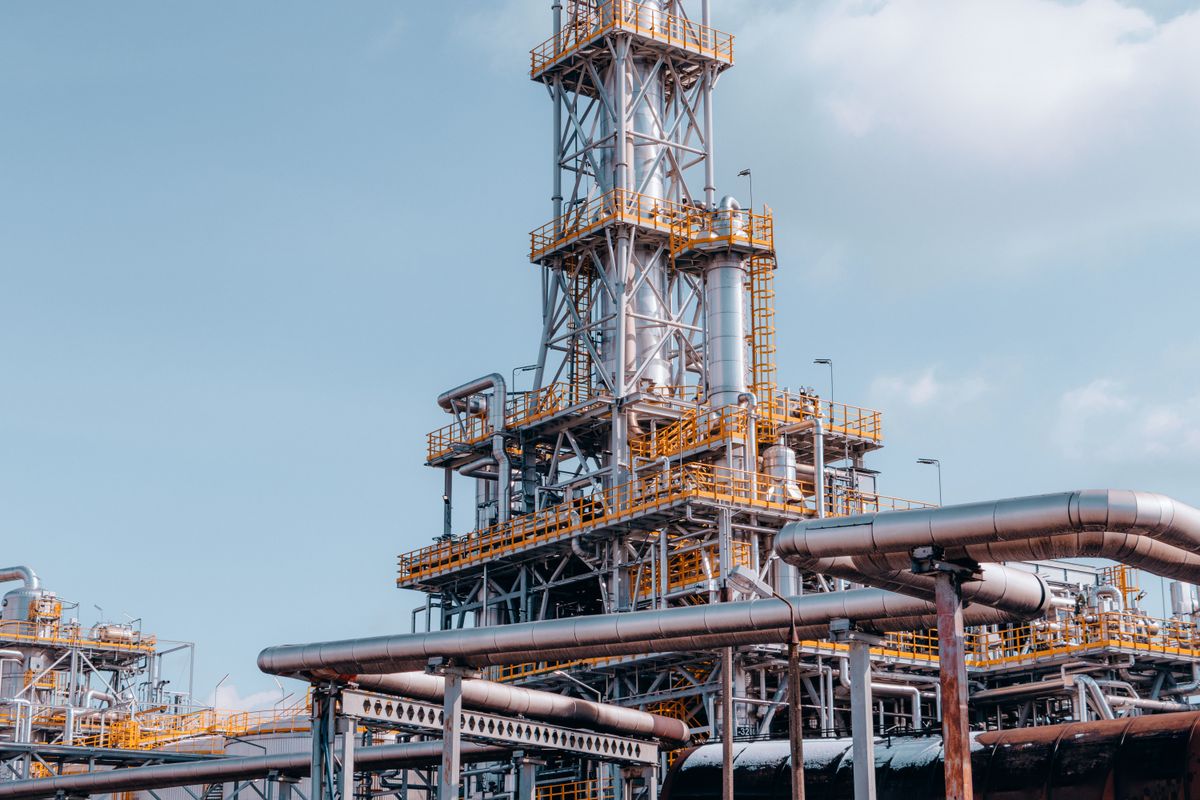
Once extracted, the gas is carried by pipeline or cooled to about −162 °C to turn it into liquefied natural gas (LNG), which shrinks its volume about 600 times and allows it to be shipped on LNG carriers to distant markets. In its Gas 2025 report, the IEA expected around 300,000 million cubic meters a year (300 bcm/yr) of new LNG export capacity to be added worldwide by 2030, driven mainly by the United States and Qatar (IEA 2025).
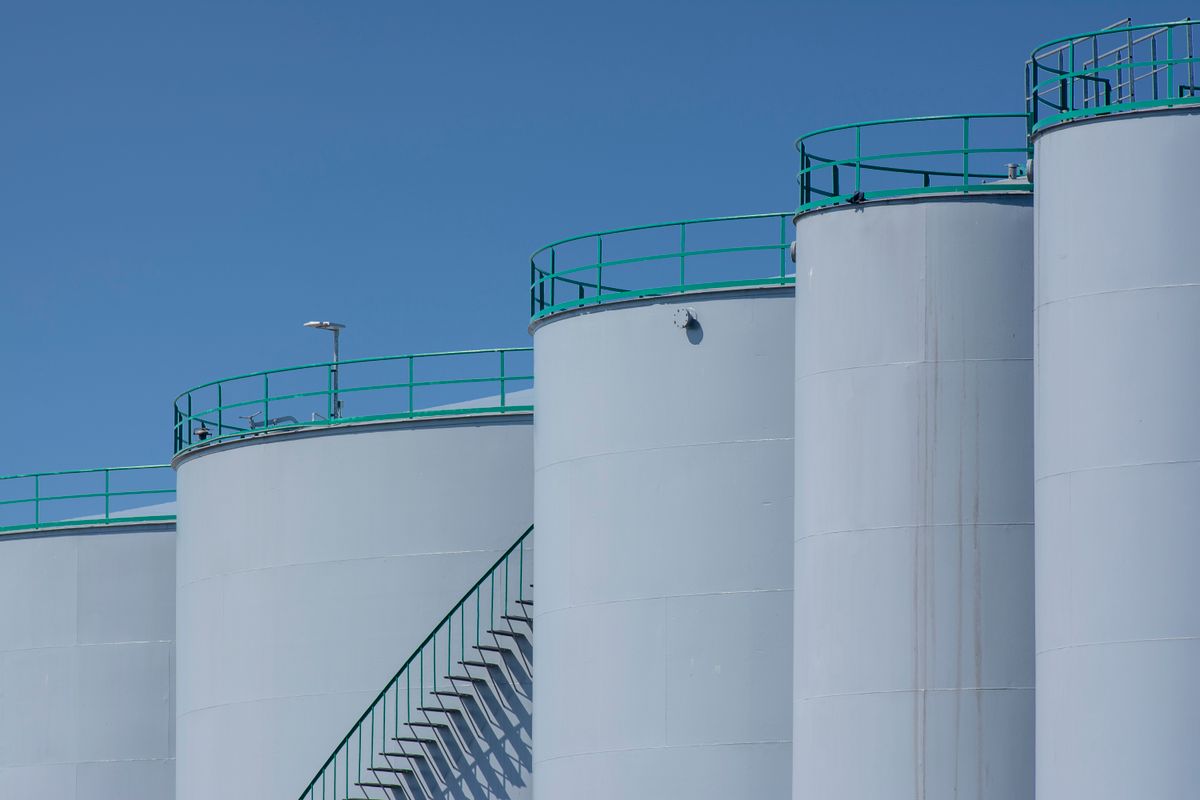
What is natural gas used for? Main uses
Natural gas is a versatile fuel with three main end uses:
- Power generation: combined-cycle power plants burn gas to produce electricity. In 2024, gas generated about 22% of the world’s electricity, according to Ember, and gas demand for power generation grew by nearly 2.8% (IEA 2025).
- Heating and residential use: it heats homes and water and fuels the gas stoves of millions of households.
- Industry: it is used as a fuel and as a feedstock for making fertilizers (ammonia), plastics, hydrogen and other chemicals. Industry and power generation accounted for about 75% of the increase in gas demand in 2024 (IEA 2025).
Overall, global gas demand grew 2.7% in 2024, an increase of some 115,000 million cubic meters (115 bcm) over the previous year (IEA 2025).
World reserves and leading producers
Proved natural gas reserves are highly concentrated. Just three countries—Russia, Iran and Qatar—hold almost half (about 49.5%) of the world’s proved reserves (Worldometer 2025). Russia tops the ranking with about 48 trillion cubic meters, followed by Iran (~34) and Qatar (~24), which shares the world’s largest gas field with Iran (South Pars / North Dome). The United States and Turkmenistan come next.
Source: Worldometer / EIA, approximate proved reserve values (2025).
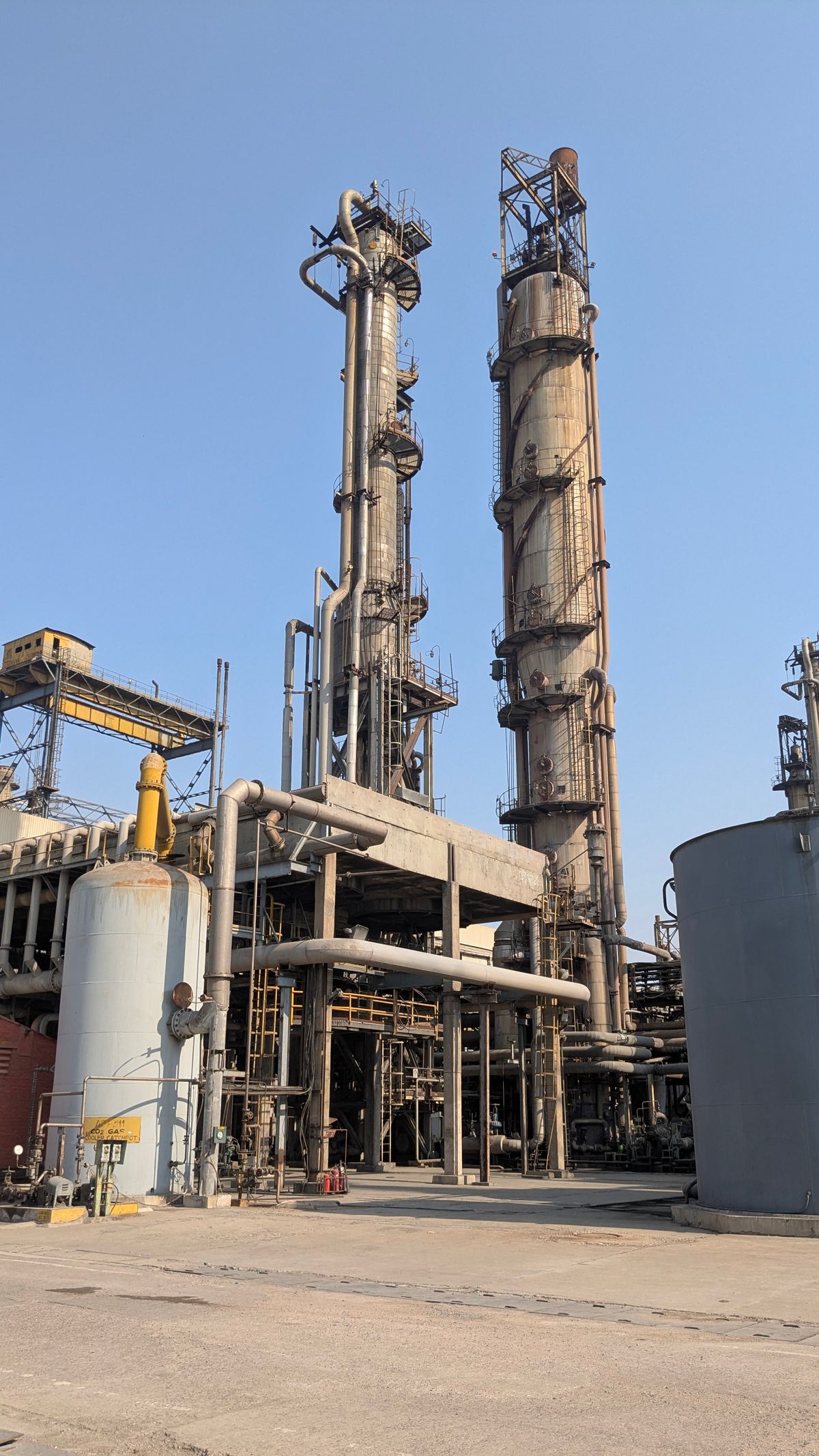
Production, by contrast, paints a different picture. In 2024, world gas production grew 1.2% to about 4,124 bcm, and the four largest producers—the United States, Russia, Iran and China—accounted for 53% of the total (Energy Institute Statistical Review 2025). The United States leads with about 1.03 trillion cubic meters thanks to shale, ahead of Russia (~0.63) and Iran (~0.26). Other key producers include Canada, Norway, Saudi Arabia, Australia, Algeria and Nigeria.
Natural gas as a “transition fuel”
Natural gas is often called a “bridge fuel” or “transition fuel” on the way to a low-carbon energy system. The argument in favor is that, when generating electricity, gas emits much less CO2 than coal (about 58% less per kilowatt-hour in U.S. power plants in 2023, according to the EIA), and gas-fired power plants offer the flexibility to back up renewable energy when there is no sun or wind. In 2024, heat waves in China, India and the United States also drove up gas use for power generation (IEA 2025).
The argument against is that this advantage is eroded by methane leaks along the supply chain and by price volatility. Replacing coal with gas cuts emissions, but continuing to invest in new fossil fuel infrastructure can slow the rollout of renewables. The debate over whether gas is a bridge or an anchor remains open.
Environmental impact: methane leaks
Beyond the CO2 it releases when burned, the biggest environmental problem with natural gas is the methane emissions that escape during extraction, processing and transport. According to the IEA, natural gas operations were responsible for almost 35 million tonnes (Mt) of methane in 2024, and the energy sector as a whole emitted about 145 Mt, more than 35% of methane from human activity (IEA 2025).
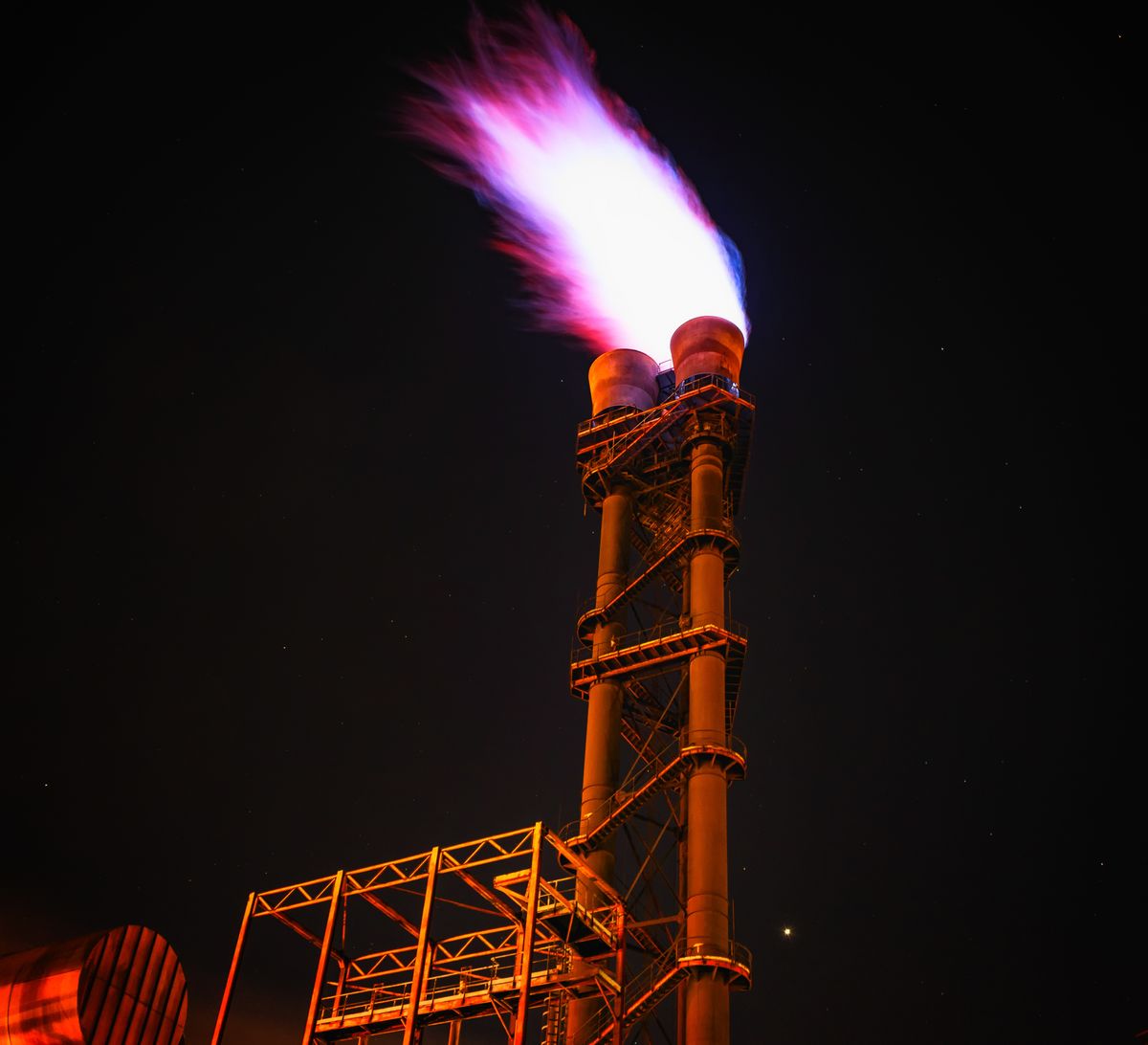
The good news is that many of these leaks are avoidable. The IEA estimates that the fossil fuel sector released some 200,000 million cubic meters (200 bcm) of methane in 2024, of which nearly 100,000 million (100 bcm) could have been recovered as usable natural gas; overall, around 70% of the fossil fuel sector’s methane emissions could be eliminated with existing technologies (IEA 2025). Reducing flaring and sealing leaks are among the most cost-effective climate measures available.
Related resources and countries
If you want to learn more about natural gas and other fossil fuels, explore these related articles:
- Non-renewable natural resources: characteristics and examples
- Renewable natural resources: what they are, types and examples
- Natural resources of Russia
- Natural resources of Iran
- Natural resources of Qatar
- Natural resources of the United States
- Natural resources of Turkmenistan
- Natural resources of Norway
- Natural resources of Algeria
- Natural resources of Nigeria
Sources used
- U.S. Energy Information Administration (EIA) — Natural gas explained
- International Energy Agency (IEA) — Global Energy Review 2025: Natural gas
- IEA — Global Methane Tracker 2025
- IEA — Gas 2025 (LNG market)
- Energy Institute — Statistical Review of World Energy 2025
- Worldometer — Gas Reserves by Country
- Encyclopaedia Britannica — Natural gas
Natural gas will remain a major part of the energy mix for decades to come: it is abundant, versatile and cleaner than coal. However, its status as a non-renewable resource and the challenge of controlling methane leaks set its limits. Using it responsibly—minimizing emissions while accelerating renewables in parallel—is the key to ensuring this fuel serves as a bridge rather than becoming an obstacle to the energy transition.
Related articles
Last updated: October 11, 2026




Leave a Reply