

Fossil fuels (oil, coal and natural gas) are energy sources formed over millions of years from the remains of living organisms. They are non-renewable resources because they are consumed much faster than nature can replenish them. In 2025 they supplied about 86% of the world’s total energy supply (Energy Institute, 2026), and their CO2 emissions were projected to reach a record 38.1 gigatonnes that year (Global Carbon Budget, 2025). Why are they running out if there are still reserves underground?
Fossil fuels power almost the entire global energy system: they fuel power plants, engines, heating and heavy industry. According to the Energy Institute’s Statistical Review of World Energy, global consumption of these fuels reached a record of approximately 518 exajoules in 2025, and oil consumption rose to about 103 million barrels a day (Energy Institute 2026).
Contents
Yet that same dependence hides a structural problem: they are non-renewable natural resources. They formed over millions of years and are being extracted in just a few decades. At the same time, burning them is the main cause of global warming. This article explains what they are, how they form, how much is left and why the world has begun planning to phase them out gradually.
What are the three main fossil fuels? Why are they considered finite if new deposits are still being discovered? How are they linked to climate change? Let’s take it one step at a time.
Natural resources
Natural resources are materials or energy sources provided by or found on Earth that are useful to humans. Every product we manufacture is made up of natural resources.
- Renewable resources: these can be restored by natural processes faster than the rate at which they are consumed. Examples include solar radiation, wind, hydroelectric power, water when used properly, and plant and animal life.
- Non-renewable resources: once extracted, these are depleted and cannot regenerate. Examples include hydrocarbons, metals and minerals.
What are fossil fuels?
Fossil fuels are substances rich in carbon and hydrogen (hydrocarbons) that release energy when burned. They are called “fossil” fuels because they come from the remains of plants and marine organisms that lived hundreds of millions of years ago and were buried. There are three main types: oil (liquid), coal (solid) and natural gas (gaseous), as the U.S. Energy Information Administration (EIA) explains.
Unlike the clean sources covered in our guide to renewable natural resources, fossil fuels are not replenished on a human timescale. That is why exploiting them intensively runs up against two limits: a physical one (reserves are finite) and an environmental one (their emissions alter the climate).
How do they form over millions of years?
The formation of fossil fuels is an extremely slow geological process. The remains of plants, algae and plankton piled up on the floors of swamps and seas and were buried under layers of sediment. Over millions of years, heat and pressure underground turned that organic matter into hydrocarbons (EIA).
Coal originated mainly from swamp forests of the Carboniferous period, some 300 to 360 million years ago. Oil and natural gas come from marine plankton compressed in sedimentary basins. Here lies the key to understanding why they are running out: the Earth took tens of millions of years to create them, and humanity is using them up within one or two generations.
How fossil fuels form: a timeline
The big three: oil, coal and natural gas
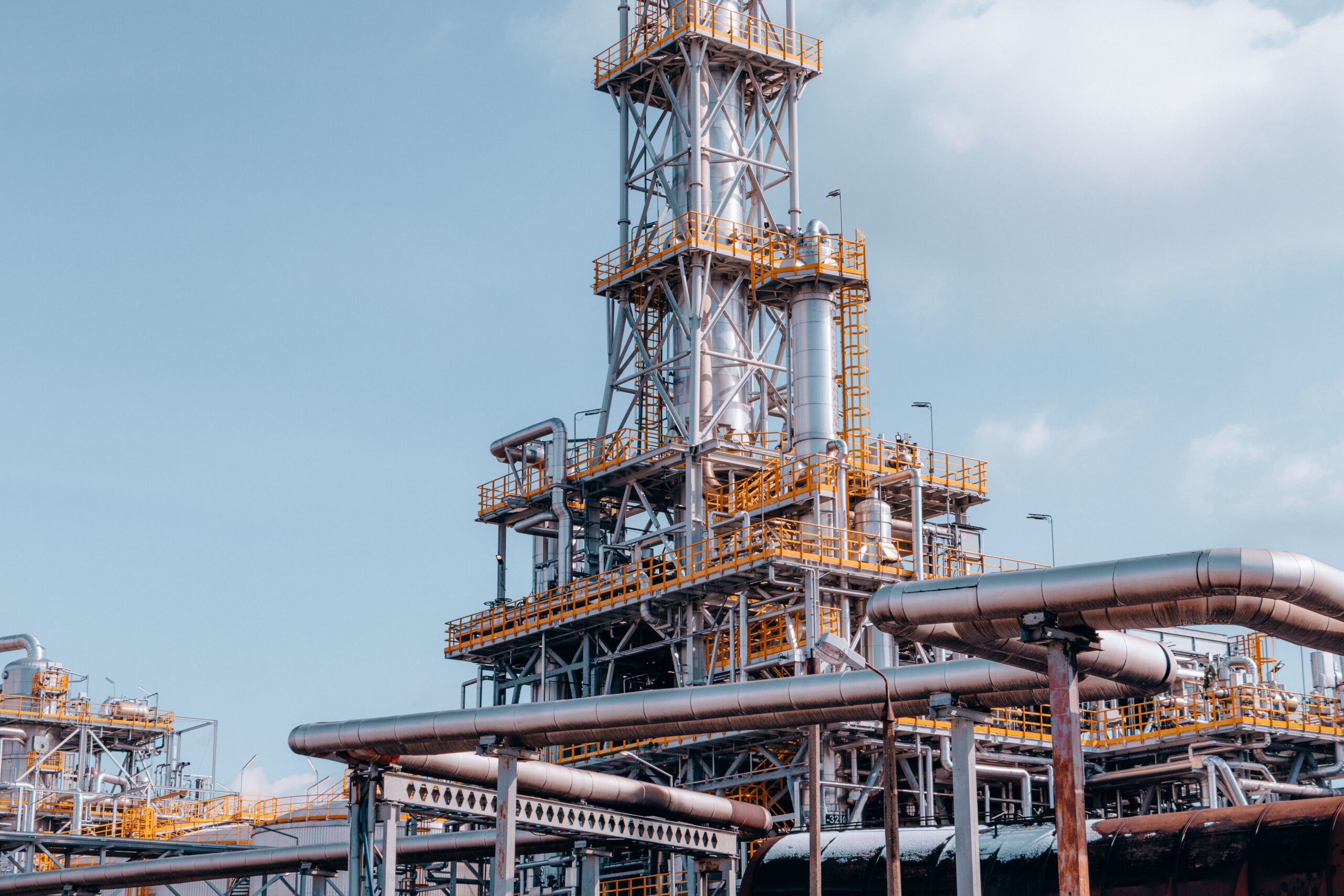
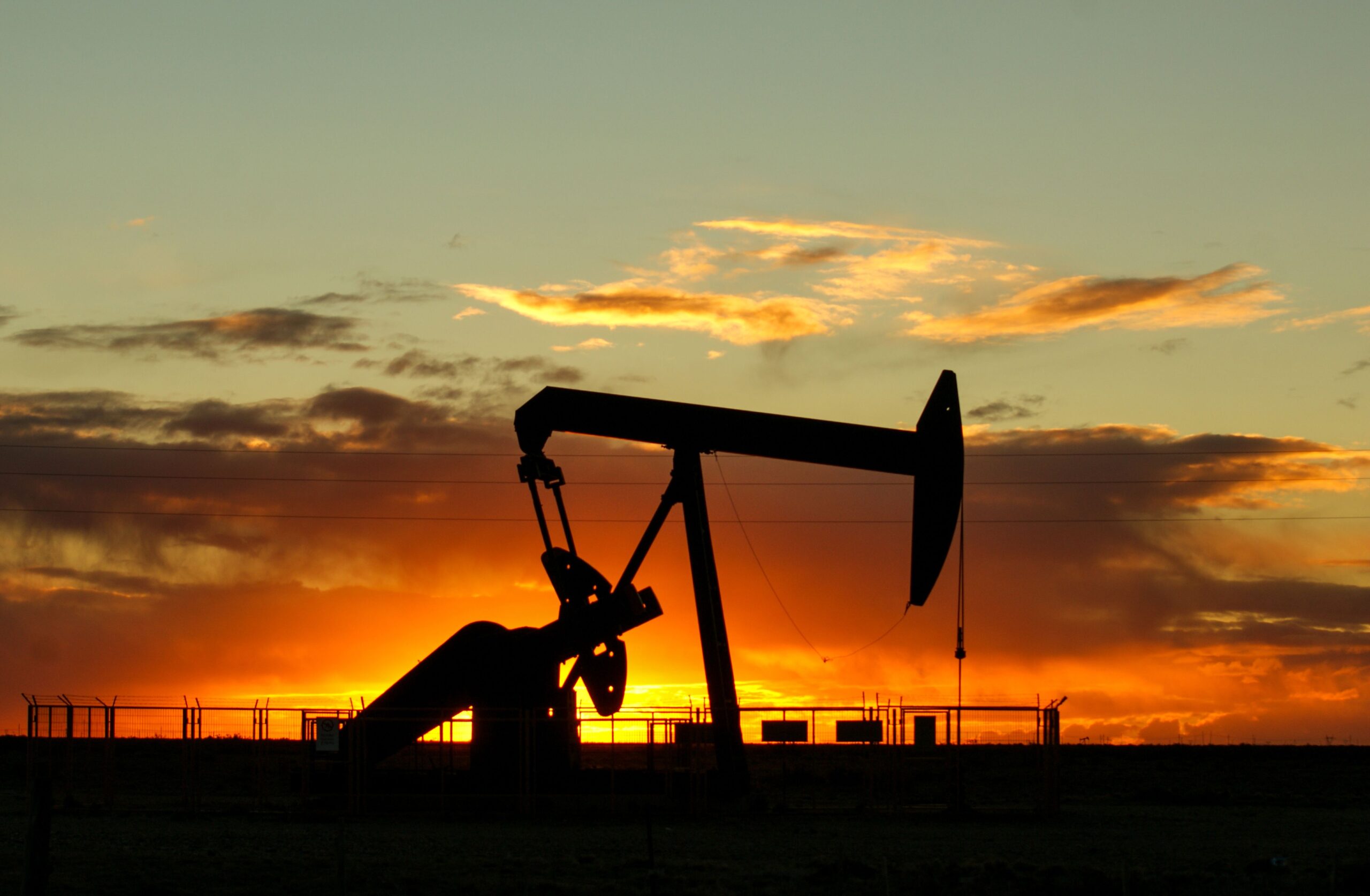
Oil is the most widely consumed fossil fuel in the world. It is refined into gasoline, diesel, kerosene and a huge variety of plastics and petrochemical products. It is the planet’s largest single source of primary energy and underpins almost all road, air and sea transportation.
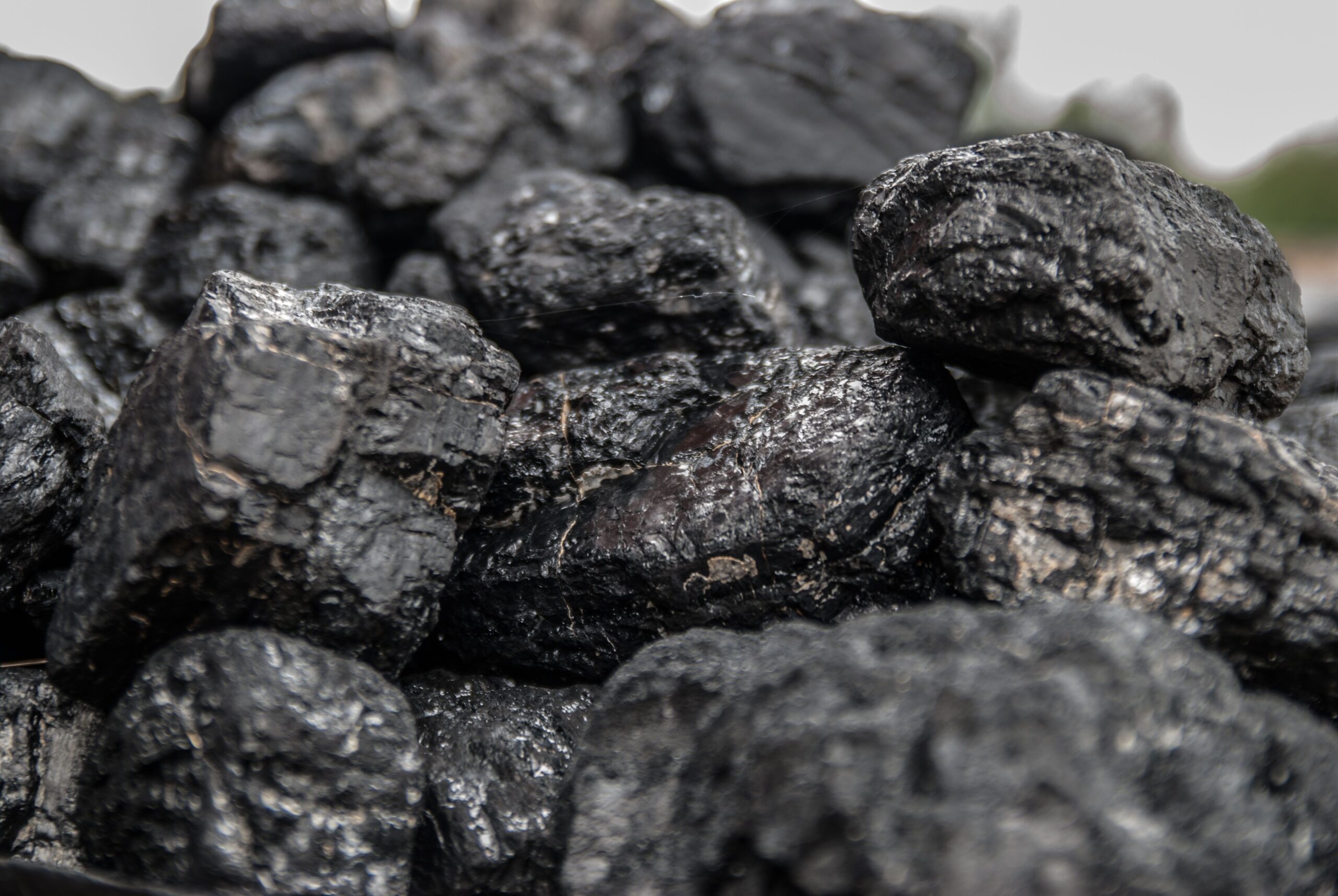
Coal is the most polluting of the three per unit of energy, and it remains key to generating electricity and to the steel industry. Although many developed countries are cutting back on it, global coal consumption reached a new all-time high in 2025, when it grew by 0.7% (Energy Institute 2026).
Natural gas, made up mostly of methane, is the fossil fuel with the lowest CO2 emissions per unit of energy and is often presented as a “transition fuel.” It is used for heating, electricity and industry. Even so, methane leaks have a powerful warming effect, so gas is not a climate solution in itself.
How much of the world’s energy do they supply?
Despite the boom in solar and wind power, fossil fuels still supplied around 86% of the world’s total energy supply in 2025, according to the Energy Institute (Energy Institute 2026). In other words, more than four out of every five units of energy the world uses still come from oil, coal and gas.
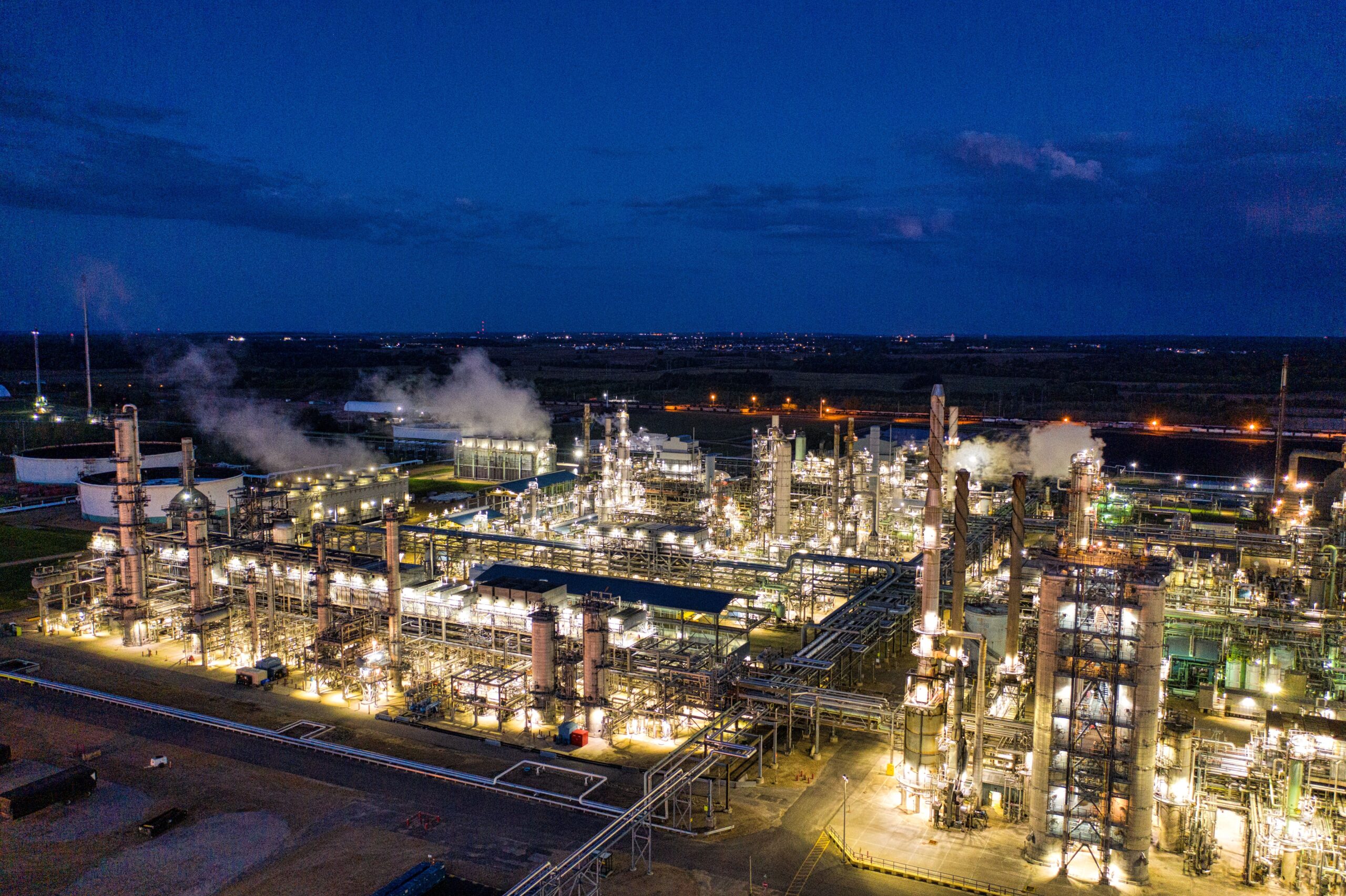
The International Energy Agency (IEA) warns that, to reach climate neutrality, demand for these fuels must fall substantially from 2022 levels by 2030 as clean energy grows (IEA 2024). The transition is moving forward, but the system’s fossil foundation is still enormous.
Why are they non-renewable? Reserves and depletion
The reason they run out is simple: they are extracted much faster than they form. Geologists measure how long a resource can last with the reserves-to-production (R/P) ratio, which divides proven reserves by annual production. According to the bp Statistical Review of World Energy 2021, at 2020 production rates world proven reserves amounted to roughly 53.5 years of oil, 48.8 years of natural gas and 139 years of coal (bp Statistical Review 2021).
These figures should be read with caution: the R/P ratio changes every year because new deposits are discovered, extraction technology improves and demand shifts. It does not mean that oil will “run out” on a specific date, but rather that easy, cheap reserves are limited and extracting what remains takes more and more energy and money. Their finite nature is precisely what sets them apart from the sun or the wind.
CO2 emissions and their role in climate change
Burning fossil fuels releases carbon that was trapped underground for millions of years. In 2025, CO2 emissions from fossil fuels were projected to reach a record of about 38.1 gigatonnes, 1.1% more than the previous year, according to the Global Carbon Budget (Global Carbon Budget 2025). Adding the 4.1 gigatonnes projected from land-use change, total emissions would come to about 42 gigatonnes, slightly less than in 2024.
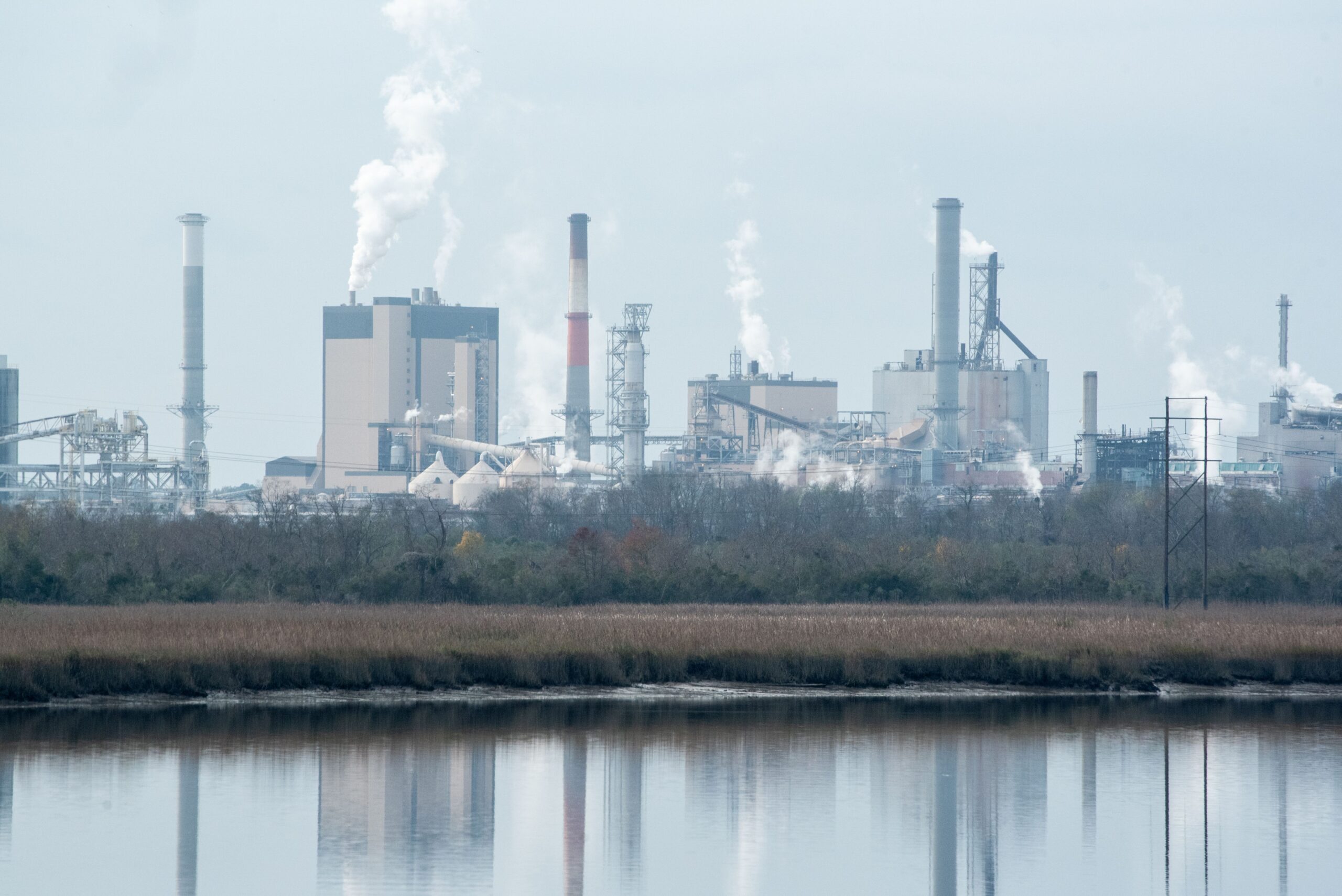
Which fossil fuel pollutes the most? Of total fossil CO2 emissions in 2024, coal accounted for about 41%, oil for 32% and gas for 21% (Global Carbon Budget 2025). The Intergovernmental Panel on Climate Change (IPCC) states that these emissions are the dominant cause of global warming, which ties fossil fuel use directly to climate change.
The gradual phase-out of fossil fuels
At the COP28 climate summit (2023), nearly 200 countries agreed for the first time to “transition away” from fossil fuels in energy systems, with the goal of reaching net-zero emissions by 2050. The agreement includes tripling renewable energy capacity and doubling the global average annual rate of energy efficiency improvements by 2030 (IEA 2024).
This shift will not happen overnight: replacing more than 80% of the world’s energy requires trillions of dollars in investment, new power grids and storage. But the direction is clear. Understanding what fossil fuels are and why they are running out is the first step toward appreciating the importance of a sustainable economy and of sustainable development projects that reduce this dependence.
Countries with the largest reserves and production
Fossil fuel reserves are highly concentrated in a handful of countries. At the end of 2020, the largest proven oil reserves were in Venezuela and Saudi Arabia, followed by Canada, Iran and Iraq, while the United States, with far smaller reserves, was the world’s largest producer of both crude oil and natural gas in 2025. For natural gas, Russia, Iran and Qatar hold the largest reserves, and the United Arab Emirates ranks among the top ten; Norway, although its reserves are much smaller, is among the ten largest gas producers.
For coal, the major producers are China, India and Indonesia, followed by the United States and Australia. In Latin America, countries such as Colombia and Mexico also have significant hydrocarbon resources and coal mining.
Related links
- Non-Renewable Natural Resources: Characteristics and Examples
- Renewable Natural Resources: What They Are, Types and Examples
- Sustainable Economy
- Saudi Arabia Natural Resources
- Russia Natural Resources
- United States Natural Resources
- China Natural Resources
Sources used
- Energy Institute — Statistical Review of World Energy 2026
- Global Carbon Budget 2025
- International Energy Agency (IEA) — COP28
- U.S. Energy Information Administration (EIA) — Energy Explained
- bp — Statistical Review of World Energy 2021 (reserves at end-2020)
Fossil fuels built the modern economy, but their twofold limit—finite reserves and emissions that heat the planet—explains why the world is moving toward other sources. Understanding where they come from and why they are running out will help you make better sense of the debates on energy, prices and climate that will shape the coming decades.
Related articles
Last updated: October 14, 2026




Leave a Reply