

Petroleum is a liquid fossil fuel formed over millions of years from the remains of marine organisms. It is a non-renewable natural resource and the world’s largest source of energy: although its share fell below 30% of global energy demand for the first time in 2024, it remains the mainstay of transportation and petrochemicals (IEA 2025). World proven reserves total about 1,567 billion barrels (OPEC 2025). So what exactly is petroleum, and how does it become the energy that keeps the planet moving?
Petroleum is a natural mixture of hydrocarbons found underground that, once extracted and refined, yields fuels, plastics, fertilizers and thousands of everyday products. Known as “black gold,” it is probably the natural resource that has done the most to transform the economy and geopolitics of the past century. In 2024, the world consumed around 102-103 million barrels of oil per day (IEA 2024).
Table de contenidos
Despite the growth of renewable energy, fossil fuels (oil, natural gas and coal) still accounted for about 86% of the world’s total energy supply in 2025 (Energy Institute, Statistical Review of World Energy 2026). Oil alone supplied about a third of that energy (33.5%); the IEA, which measures energy demand differently, estimates that oil’s share fell below 30% for the first time in 2024. Even so, no other source can yet match it in road transportation, aviation and the chemical industry.
In this guide you will learn what petroleum is, how it forms over millions of years, how it is extracted and refined, what its main uses are, where the largest reserves are and who the major producers are, as well as its environmental impact. All the data cited come from reliable sources such as the EIA, OPEC, the IEA, the Energy Institute and Britannica.
What is petroleum, and what is it made of? How does it form underground? What is it actually used for? Which countries have the largest reserves, and what is its environmental impact? Let’s start with the basics.
Petroleum, a non-renewable resource
Petroleum is a non-renewable natural resource: a fossil hydrocarbon that took millions of years to form and that, once extracted and consumed, does not regenerate at the rate at which we use it. It is part of the energy that sustains modern life, but its finite nature and its carbon footprint mean it must be managed according to sustainable development principles.
- Renewable resources: they are replenished by natural processes faster than they are consumed. Examples: solar radiation, wind, hydropower and biomass.
- Non-renewable resources: once exploited, they are depleted and cannot regenerate. Examples: oil, natural gas, coal, metals and minerals.
What exactly is petroleum?
Crude oil is a complex mixture of hydrocarbons (molecules made of carbon and hydrogen), along with small amounts of sulfur, oxygen, nitrogen and trace metals. Its appearance ranges from a yellowish, free-flowing liquid to a black, viscous fluid, depending on the proportion of light and heavy molecules. This composition determines whether a crude is “light” or “heavy,” “sweet” (low in sulfur) or “sour” (high in sulfur), characteristics that set its price and how easy it is to refine.
As a fossil fuel, petroleum stores solar energy captured by living organisms millions of years ago. When it burns, it releases that energy—along with the carbon it held for eons—which explains both its enormous value as an energy source and its central role in climate change. Together with natural gas and coal, it belongs to the family of non-renewable natural resources.
How does petroleum form?
Petroleum originates from the remains of microscopic marine organisms—mainly plankton and algae—that lived in seas and oceans tens or hundreds of millions of years ago. When these organisms died, they settled on the seafloor and were buried under layers of sediment. Deprived of oxygen, they did not fully decompose; instead, they accumulated as organic matter in what are known as source rocks.
Over time, rising pressure and temperature turned that organic matter into a waxy substance called kerogen. As heating continued over geological time, the kerogen broke down into liquid and gaseous hydrocarbons, giving rise to petroleum and natural gas (Britannica). The crude oil then migrated through porous rocks until it was trapped beneath impermeable layers, forming the reservoirs that are tapped today.
This process is so slow that, on a human timescale, petroleum is practically irreplaceable: we consume in decades what nature took millions of years to produce. That is the fundamental reason it is classified as a non-renewable resource.
Crude oil extraction and refining
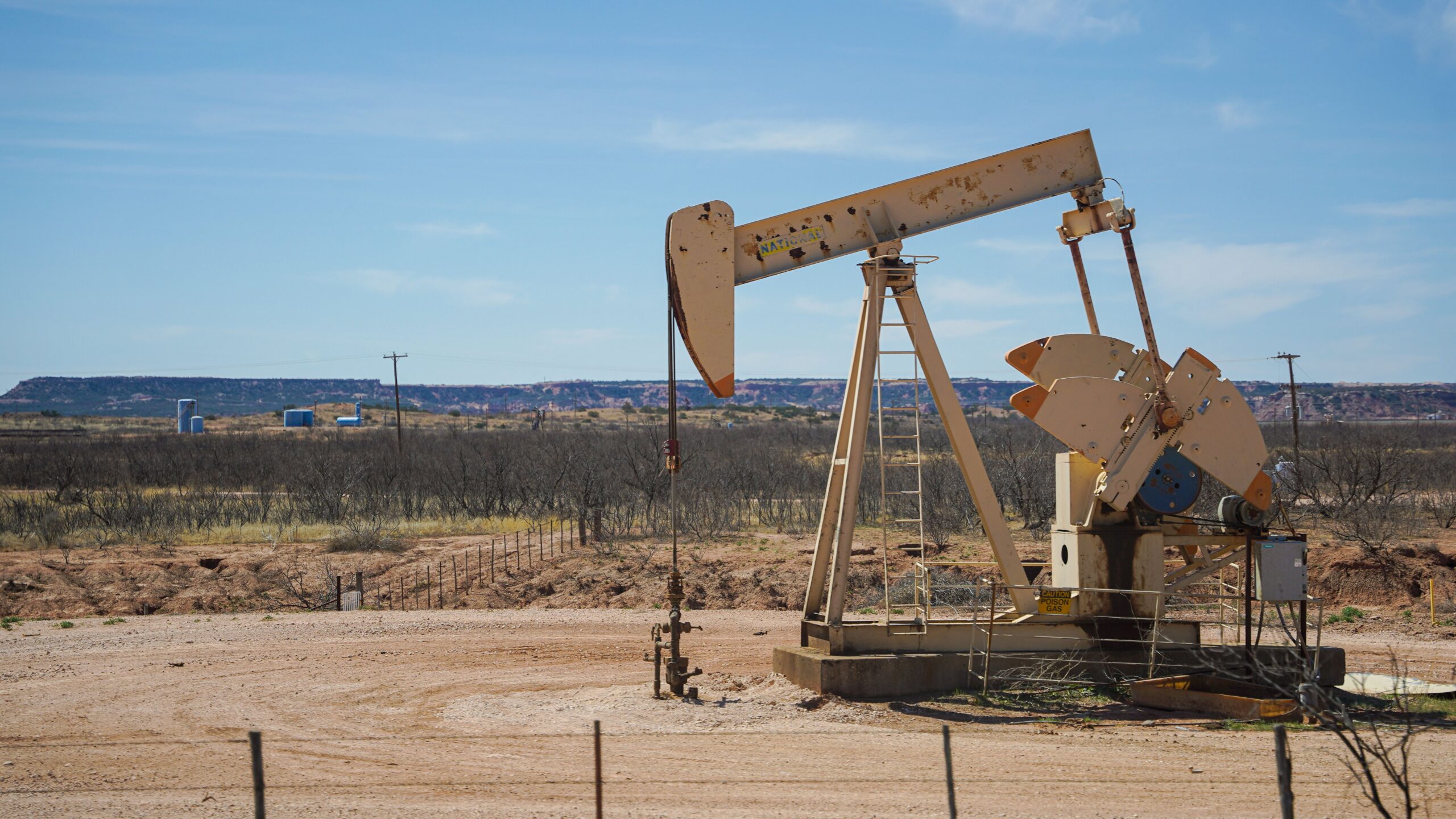
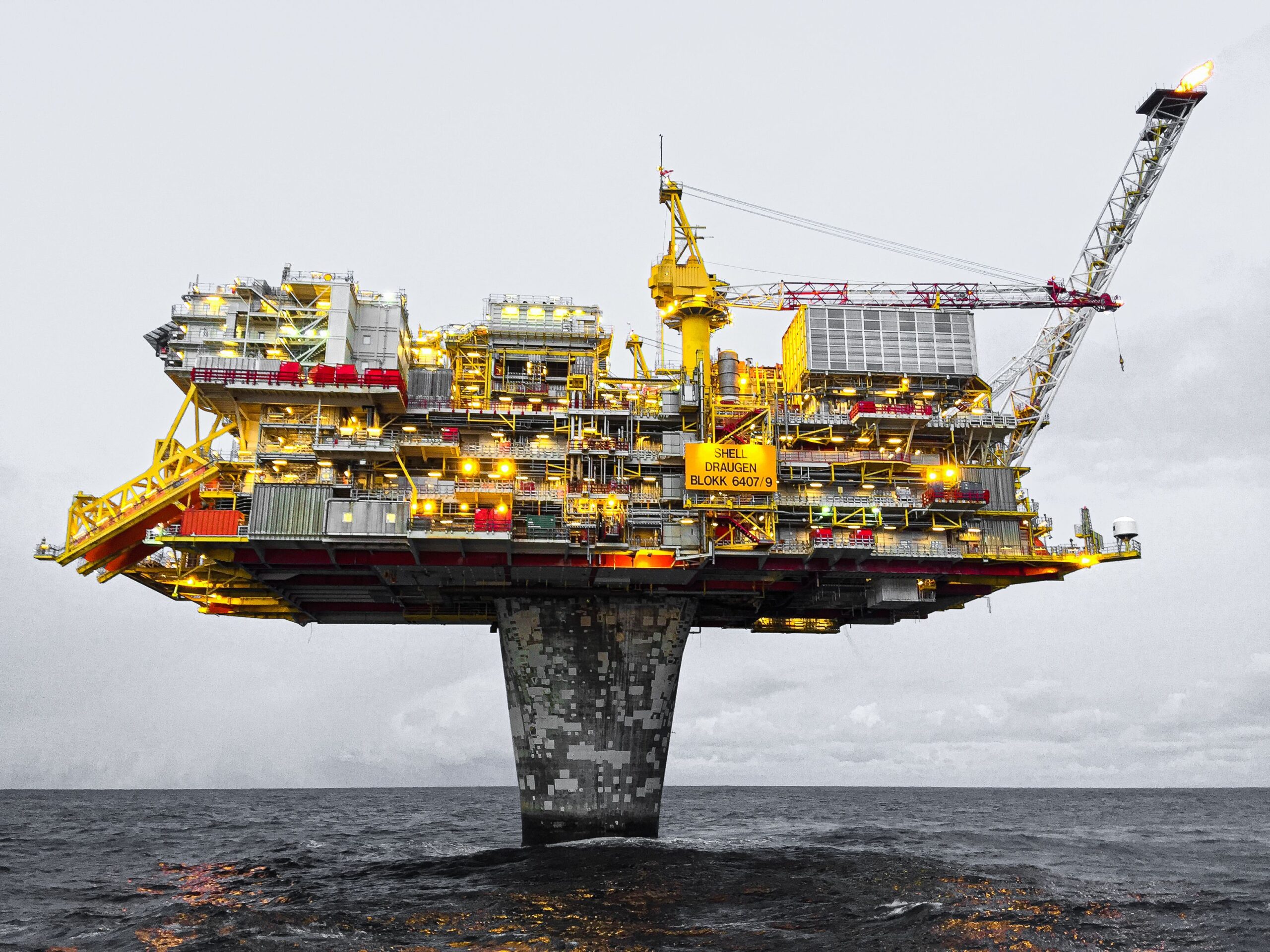
Oil extraction begins with geological exploration to locate deposits, followed by drilling wells on land or at sea. On offshore platforms, production takes place at depths of hundreds or thousands of meters, a technically complex and costly operation. Once the crude flows, it is separated from water and associated gas and carried by pipeline or oil tanker to refineries.
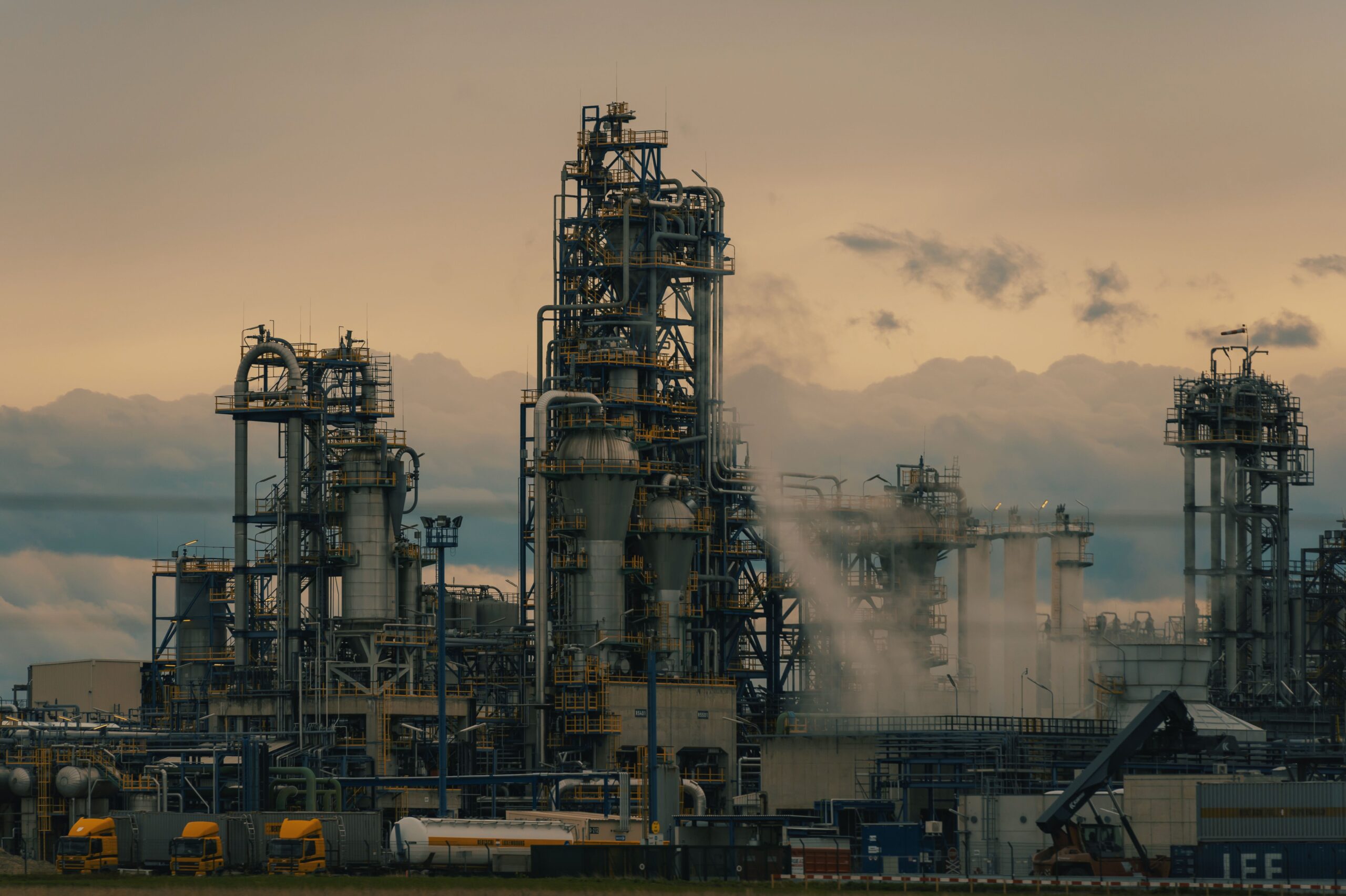
In refining, crude oil is heated and put through fractional distillation, which separates the different molecules according to their boiling points. From lightest to heaviest, this yields liquefied gases, gasoline, jet fuel, diesel, lubricating oils and asphalt, as well as raw materials for the petrochemical industry. Additional processes such as catalytic cracking “break” heavy molecules apart to increase the yield of higher-value fuels.
Main uses of petroleum
Petroleum is much more than fuel for cars. Petroleum products are found in almost every aspect of modern life. These are its main uses:
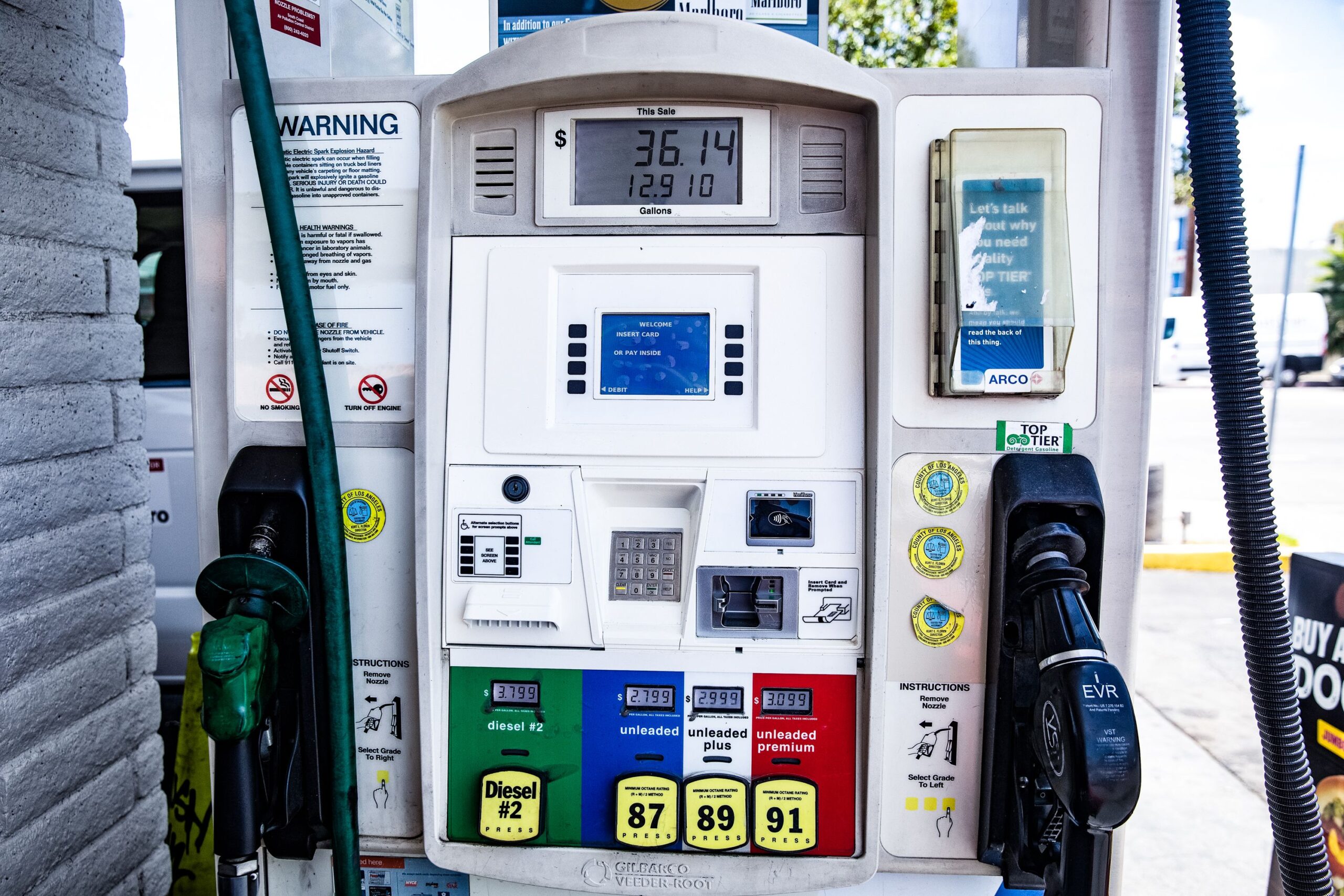
1. Transportation fuels. Gasoline, diesel and jet fuel power cars, trucks, ships and airplanes. Transportation is the main end use of oil and the reason it remains irreplaceable in the short term across much of the world (EIA 2024).
2. Petrochemicals and plastics. Petroleum is the raw material of the chemical industry: it is used to make plastics, synthetic rubber, textile fibers, detergents, paints and solvents. In 2018, the IEA estimated that petrochemical feedstock accounted for about 12% of global oil demand and projected that petrochemicals would be the largest driver of oil demand growth, with more than a third of that growth through 2030 (IEA 2018). In 2024, feedstocks accounted for around 70% of the growth in oil demand by volume (IEA 2025).
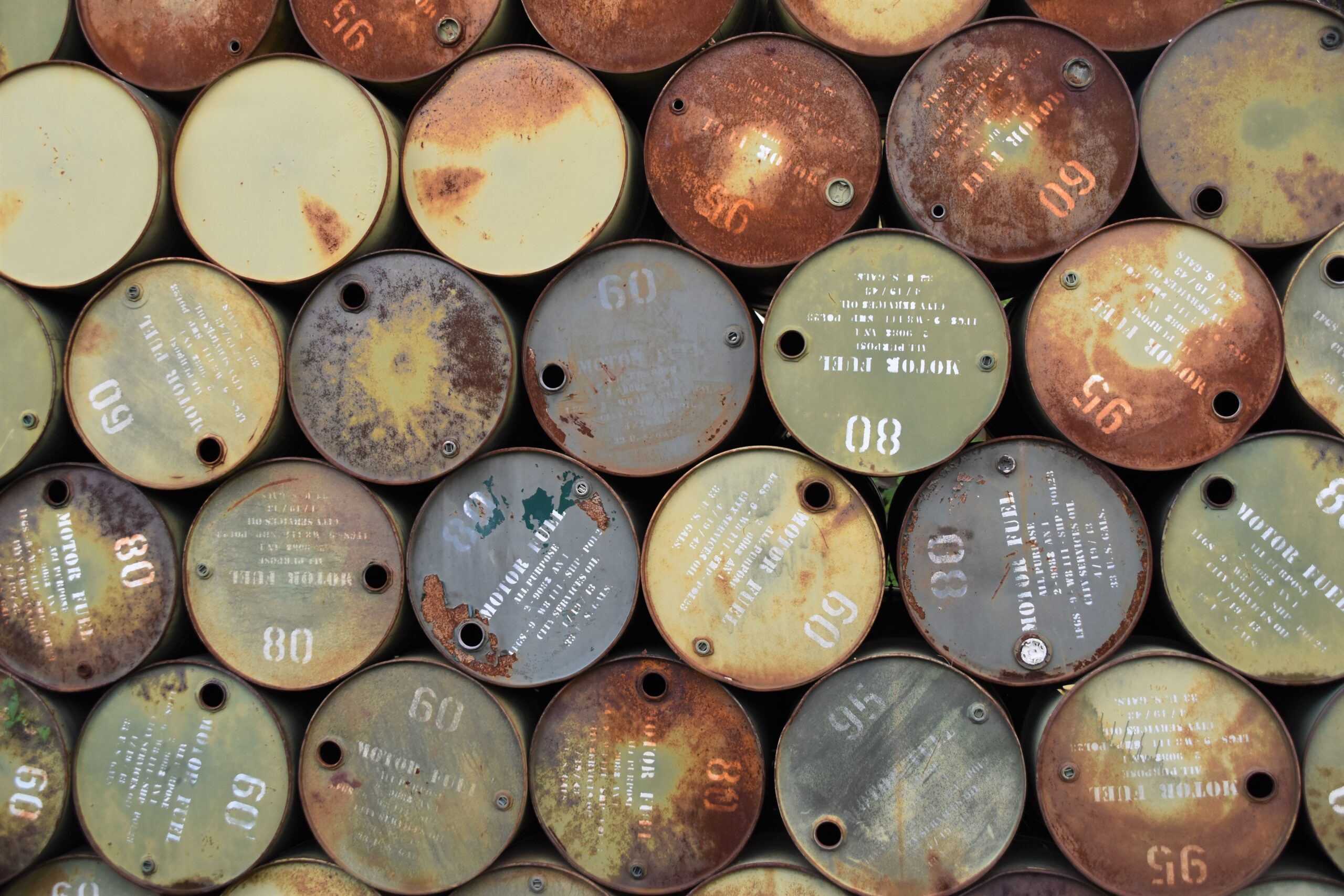
3. Power, heating and other products. Fuel oil is used in power generation and heavy industry; lubricating oils reduce friction in engines and machinery; asphalt paves roads; and nitrogen fertilizers depend partly on hydrocarbon derivatives. It is hard to find an industrial product that does not depend, directly or indirectly, on petroleum.
World reserves and top producers
The world’s proven reserves of crude oil stood at about 1,567 billion barrels at the end of 2024, with OPEC countries holding close to 80% of the total (OPEC 2025). Venezuela tops the ranking with around 303 billion barrels, followed by Saudi Arabia with about 267 billion. These reserves, however, differ widely in quality and extraction cost: Venezuela’s extra-heavy crude is harder to produce than Saudi light crude.
Having large reserves is not the same as producing a lot. The largest crude oil producers in 2024 were the United States, with about 13.2 million barrels a day, Russia with about 9.2 million and Saudi Arabia with about 9.0 million (OPEC 2025). U.S. crude output is the highest any country has ever achieved (EIA 2024), and it set a new record of about 13.7 million barrels a day in 2025 (EIA 2026). These three countries account for a huge share of global supply.
Among the major producers and reserve holders are nations whose resources we have analyzed in detail: Saudi Arabia, Venezuela, the United States, Russia, Iraq, Canada and Gulf states such as the United Arab Emirates, Kuwait and Qatar.
Environmental impact of petroleum
Petroleum is also one of the planet’s largest sources of carbon dioxide emissions. When it is burned in engines and power plants, it releases carbon stored over millions of years, contributing to global warming. Taken together, fossil fuels are still responsible for the vast majority of energy-related CO2 emissions, and oil plays a central role in transportation, a sector that is particularly hard to decarbonize.
Beyond the climate, the oil supply chain has other impacts: spills in seas and rivers that damage entire ecosystems, air pollution from refining and combustion, and plastic waste that persists for centuries. Plastics production alone (plastics are mostly derived from oil and gas) is estimated to have generated about 5.3% of global greenhouse gas emissions in 2019 (C&EN 2024).
That is why the shift to renewable energy, energy efficiency and the circular economy are central pillars of sustainable development. Reducing our dependence on oil is not just a matter of finite reserves, but of protecting the climate and the ecosystems we depend on.
Related resources and countries
If you want to learn more about oil and other natural resources, we recommend these related articles:
- Non-Renewable Natural Resources: Characteristics and Examples
- Saudi Arabia Natural Resources
- Venezuela Natural Resources
- United States Natural Resources
- Russia Natural Resources
- Iraq Natural Resources
- Nigeria Natural Resources
- Libya Natural Resources
- United Arab Emirates Natural Resources
- Kuwait Natural Resources
- Qatar Natural Resources
- Canada Natural Resources
- Angola Natural Resources
- Algeria Natural Resources
- Norway Natural Resources
Sources used
- IEA — Global Energy Review 2025: Oil
- IEA — Oil Market Report, December 2024
- IEA — Petrochemicals set to be the largest driver of world oil demand (2018)
- OPEC — Annual Statistical Bulletin 2025
- EIA — United States produces more crude oil than any country, ever
- EIA — Top producers and consumers of oil (FAQ)
- Energy Institute — Statistical Review of World Energy 2026
- Britannica — Petroleum: From kerogen to petroleum
- C&EN — Plastic production and greenhouse gas emissions
For now, petroleum will remain the backbone of the world’s energy system, but its status as a finite resource and its environmental impact are setting the course for the future. Understanding what it is, how it forms and what it is used for is the first step toward seeing why the transition to clean energy and a more responsible use of natural resources is essential for sustainable development.
Related articles
Last updated: October 5, 2026
Leave a Reply