

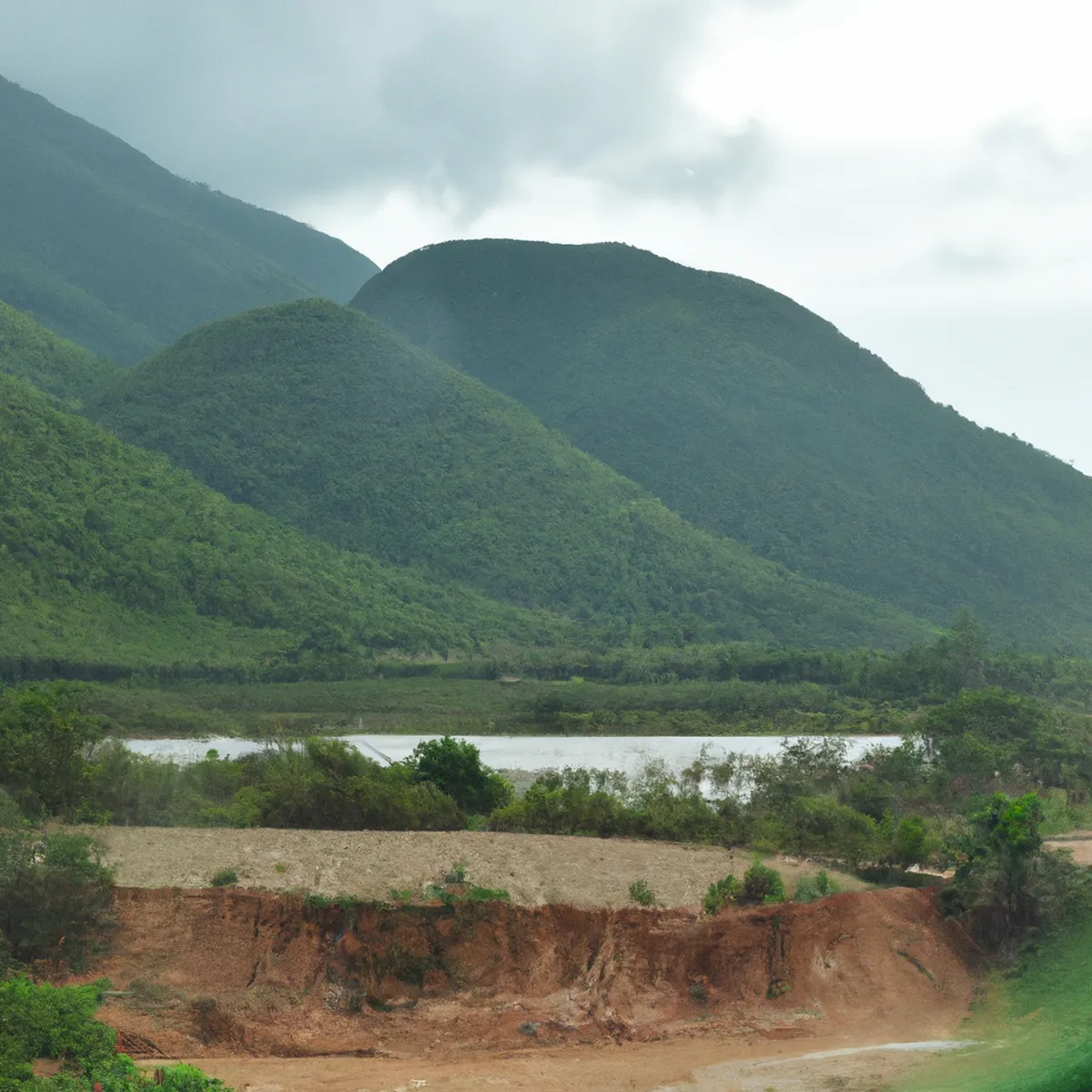
Vietnam’s natural resources are anchored by immense bauxite reserves, fertile agricultural deltas, extensive mineral deposits, and 884.1 km³ of freshwater resources. The nation holds the world’s second-largest bauxite reserves (5.8 billion tonnes), ranks second globally in coffee exports, produces 48.6 million tonnes of coal annually from Quang Ninh province, and extracts approximately 197,167 barrels of crude oil per day.
Vietnam is endowed with an extensive array of natural resources that encompass fertile river deltas, dense tropical forests, abundant mineral deposits, and a coastline stretching over 3,260 kilometers, representing a key economic node in our regional guide to Asia natural resources and the global natural resources by country directory. These geological and ecological assets have served as the bedrock of Vietnam’s rapid industrialization and agricultural transformation.
Table de contenidos
Biodiversity is equally a defining component of Vietnam’s natural heritage, featuring extensive rainforest systems in the Annamite Range and diverse marine and mangrove habitats that sustain rare and endemic species.
What are Vietnam’s most prominent natural resources, and what is its ecological wealth? How much oil and natural gas does it produce, and what are its key mineral reserves? How is its water managed, and what is the status of its unique wildlife?
Natural Resources
Natural resources are materials or energy sources provided or found on Earth that are useful to humans; consult our guide on the primary types of natural resources for further insight. All manufactured goods originate from natural resources.
- Renewable resources: can be naturally replenished through ecological cycles faster than their consumption rate. Examples include solar radiation, wind currents, hydroelectric water flows, and living plants and animals.
- Non-renewable resources: once extracted and consumed, these finite deposits deplete and cannot regenerate on human timescales. Key examples include crude oil, natural gas, coal, and metallic minerals.
Examples of Vietnam’s Main Natural Resources
Vietnam: Environmental Summary in Six Figures
The most cited indicators regarding the country’s natural heritage.
| Agricultural land | 39.3% of land area2023 |
|---|---|
| Arable land | 22.6% of land area2023 |
| Forest cover | 46.7% of land area2023 |
| Renewable internal freshwater per capita | 3,674 m³ per year2022 |
| Renewable electricity output | 43.9% of total generation2021 |
| Terrestrial protected area | 7.6% of land area2025 |
Oil and Gas Resources in Vietnam
Vietnam is an important petroleum producer in Southeast Asia. According to Worldometers, the country produced approximately 197,167 barrels of crude oil per day as of 2021, ranking 37th worldwide. Most offshore petroleum extraction is concentrated in the Cuu Long and Nam Con Son basins off the southern coast, operated by state-owned Petrovietnam.
Vietnam also produces a moderate volume of natural gas, with annual extraction recorded at 9,890 million cubic meters (ranking 43rd globally). Natural gas is piped onshore primarily to supply industrial fertilizer plants and power stations in southern Vietnam.
Examples of Mineral Resources of Vietnam
Vietnam is an established producer of high-grade anthracite coal, extracting 48.6 million tonnes annually (ranking 13th globally). Mined primarily in Quang Ninh province, domestic coal feeds thermal power stations and heavy industry. Learn more about extraction patterns in our guide on mineral resources.
In 2019, Vietnam produced approximately 9,570 thousand tonnes of iron ore, ranking 15th worldwide. Deposits in northern provinces such as Ha Tinh (Thach Khe deposit) and Lao Cai supply regional blast furnaces.
Crucially, Vietnam holds the world’s second-largest reserves of bauxite, estimated at 5.8 billion tonnes by the USGS, predominantly located in the Central Highlands (Tay Nguyen) provinces of Dak Nong and Lam Dong, positioning it as a pivotal player in global aluminium supply.
Water Resources of Vietnam
Vietnam possesses an extensive freshwater endowment of 884.1 km³, ranking 14th globally in total water reserves. For international comparisons, read our analysis of global water resources.
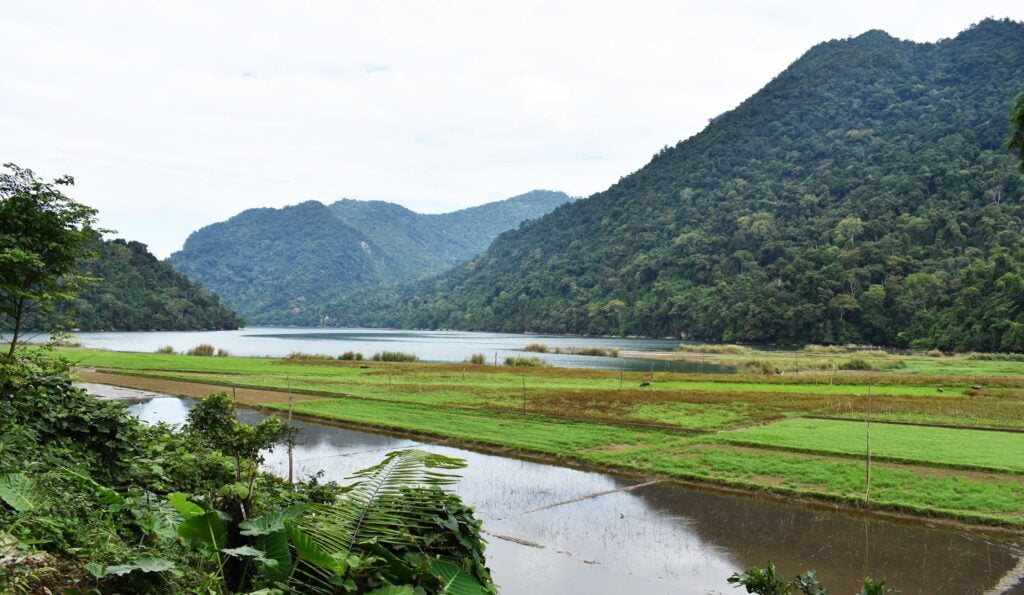
Water abundance is vital for Vietnam’s economy, driving intensive wet-rice cultivation in the Mekong Delta and Red River Delta. The Mekong (Cuu Long) and Red River (Song Hong) represent the two primary drainage arteries, while Ba Be Lake in Bac Kan province stands as the country’s largest natural freshwater lake.
Average Rainfall and Soils of Vietnam
Vietnam receives high tropical monsoon precipitation, averaging 1,821 mm annually and ranking 36th globally. Rainfall fuels profound agricultural productivity: rich alluvial soils dominate the vast low-lying deltas, while fertile basaltic red soils (ferralsols) in the Central Highlands sustain intensive commercial cultivation of coffee, rubber, pepper, and tea.
Renewable Electricity and Hydropower Production in Vietnam
Vietnam produces substantial clean energy, generating 165,135 GWh of renewable power across its grid. Hydropower forms the historic backbone of clean generation, complemented by Southeast Asia’s fastest expansion of utility-scale solar and onshore wind. For broader regional data, explore our overview of energy resources.
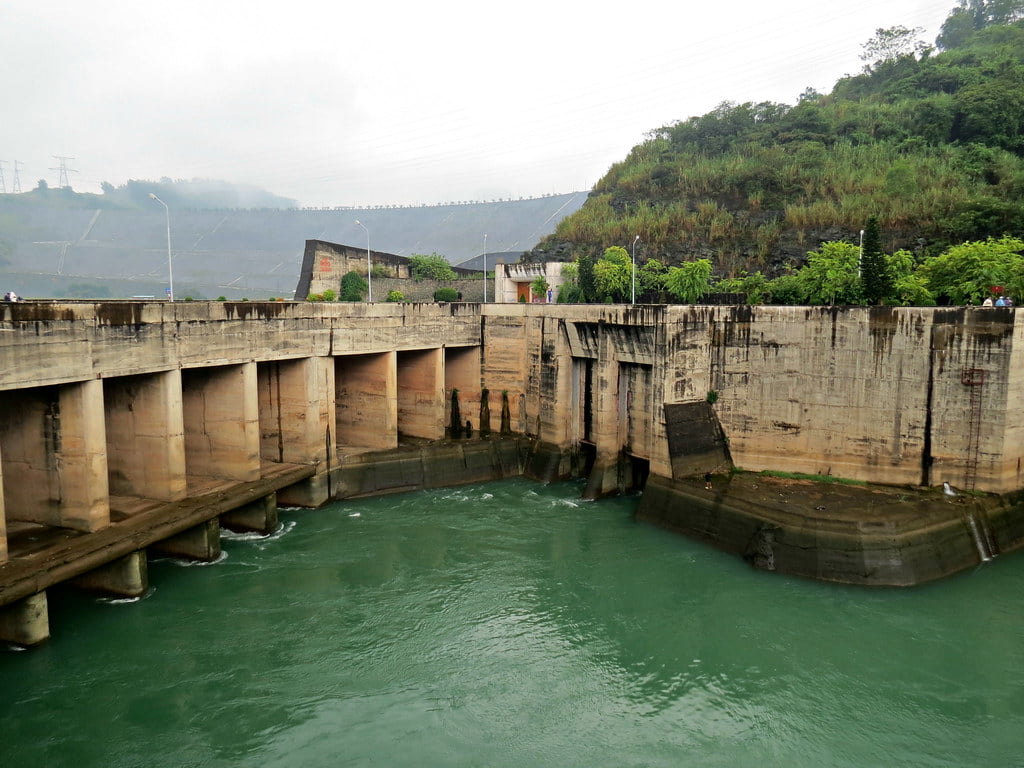
The landmark hydroelectric facility is the Hoa Binh Dam on the Black River (Da River), featuring an installed capacity of 1,920 MW, which historically stabilized the national power transmission grid between north and south.
Forest Resources of Vietnam
Vietnam holds significant forest wealth, with the Central Highlands and the northern Annamite Range serving as primary forest zones. In 2020, forest cover reached 46.7% of total land area, encompassing approximately 146,430 km². For an ecological overview, see our guide to forest resources.
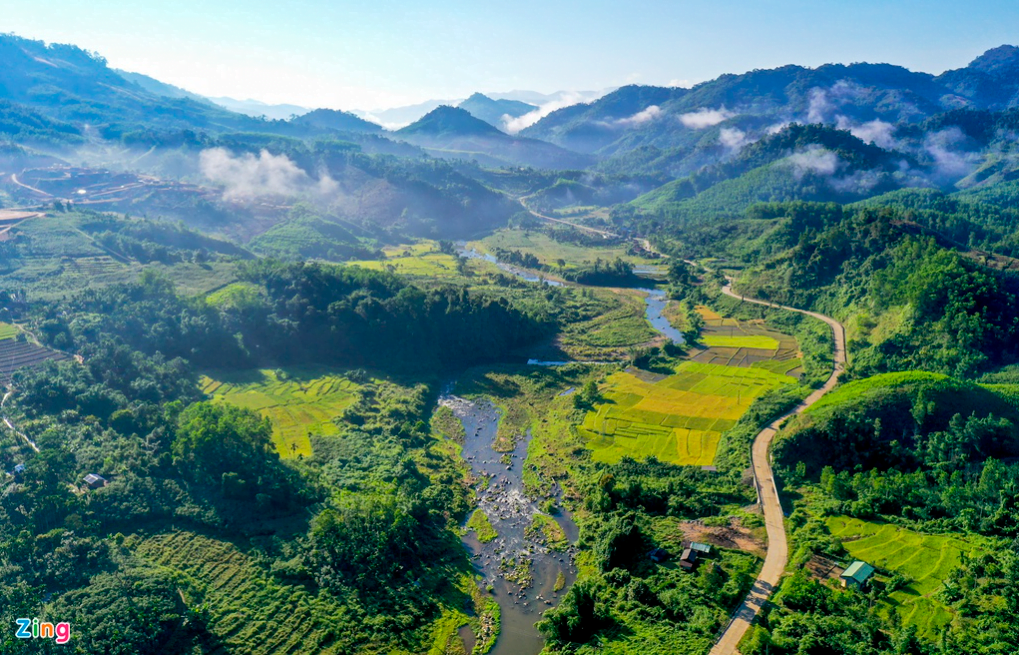
Ranking 41st globally in forest area, Vietnam has successfully reversed historical deforestation through aggressive reforestation, commercial plantation forestry, and community-managed watershed programs, although primary natural forest conservation remains an urgent priority.
Environmental Performance and Protection of Vietnam’s Natural Resources
In the 2024 Environmental Performance Index, Vietnam achieved a score of 24.5, ranking 180th globally according to the Yale Center for Environmental Law & Policy 2024 assessment. Terrestrial protected areas encompass 7.6% of land area, reflecting ongoing conservation efforts across designated national parks, biosphere reserves, and marine protected zones.
Natural Parks of Vietnam: The Hidden Wealth of Natural Resources
Biodiversity: Animal and Plant Resources of Vietnam
Birds of Vietnam
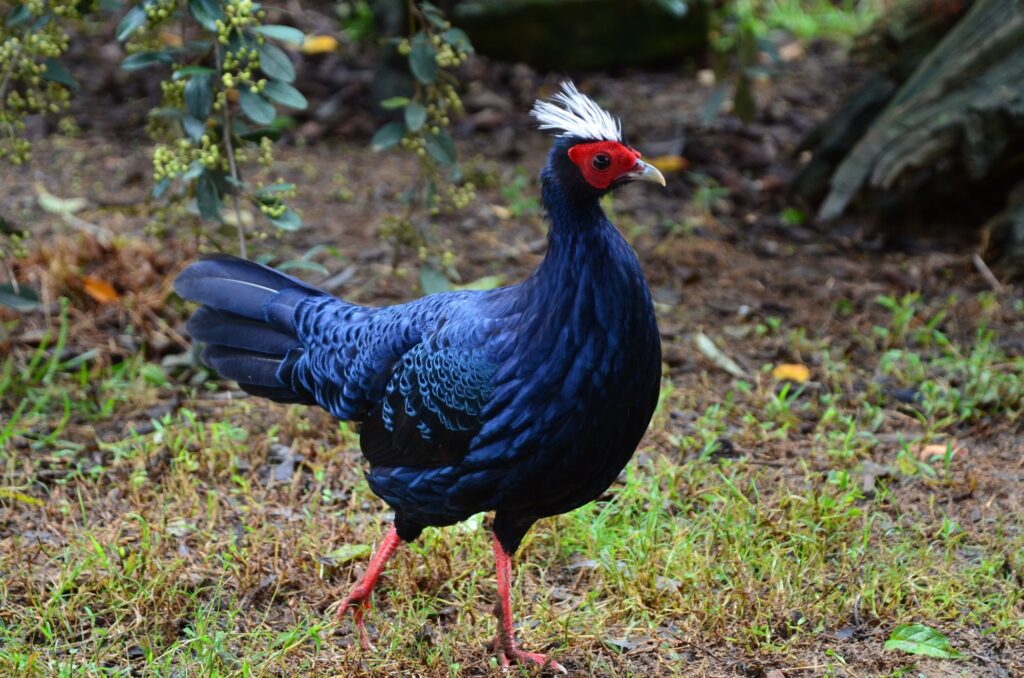
Vietnam is a major avian biodiversity hotspot, recording approximately 848 bird species and ranking 28th globally.
However, 52 bird species face extinction threats. Vietnam also records 13 endemic bird species, including the critically endangered Edwards’s pheasant (Lophura edwardsi) and the Collared Laughingthrush.
Fish and Amphibians of Vietnam
In herpetofauna, Vietnam records 262 amphibian species, ranking 17th globally, with new discoveries regularly identified in high-altitude karst formations.
In aquatic resources, Vietnam counts 2,421 fish species, placing it 12th in the world, with intensive freshwater aquaculture (such as Pangasius catfish) underpinning major export markets.
Notable native amphibian and fish species include the Vietnamese mossy frog (Theloderma corticale) and the giant Mekong catfish (Pangasianodon gigas).
Mammals of Vietnam
Vietnam harbors an exceptionally rich mammalian fauna, recording 313 mammal species and ranking 19th globally.
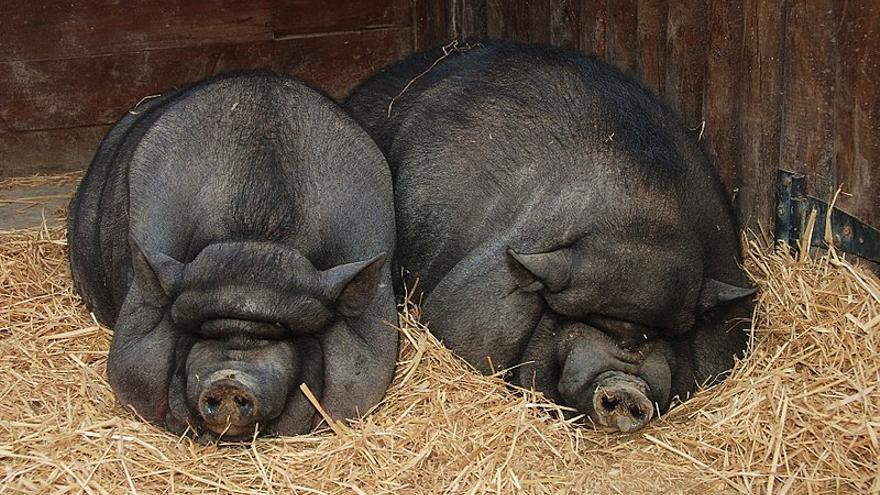
Vietnam records 10 endemic mammal species. Internationally celebrated discoveries from the Annamite Range include the Saola (Pseudoryx nghetinhensis, discovered in 1992) and the Delacour’s langur, alongside traditional domesticated breeds such as the Vietnamese pot-bellied pig.
Reptiles of Vietnam
Vietnam is home to 448 reptile species, ranking 14th globally. Iconic species include the Siamese crocodile and various endemic pit vipers inhabiting limestone karst landscapes.
Plants of Vietnam
Vietnam maintains extraordinary floristic richness, counting 8,500 vascular plant species. Prominent botanical resources include dipterocarp timber species, wild cinnamon, and the lotus flower (Nelumbo nucifera), the national emblem.
Organizations That Protect or Study Vietnam’s Natural Resources
- IUCN Vietnam – Promotes sustainable natural resource management and biodiversity conservation.
- Greenpeace Southeast Asia – Campaigns against coal expansion and environmental degradation across the region.
- Fauna & Flora International Vietnam – Focuses on threatened primate conservation and limestone karst habitat preservation.
- BirdLife International – Protects critical avian habitats and Important Bird Areas across Vietnam.
- Ministry of Natural Resources and Environment (MONRE) – Central governmental ministry overseeing land management, water resources, geology, and environmental protection.
Vietnam is the world’s second-largest coffee exporter, generating $2.98 billion in sales in 2023, trailing only Brazil (World Integrated Trade Solution – World Bank, 2023). Alongside its agricultural strength, it controls the world’s second-largest bauxite reserves (USGS, 2025).
Coffee and Rice: Agricultural Powerhouse of Southeast Asia
Vietnam exported $2.98 billion in coffee in 2023, holding 8.35% of the global market (WITS, 2023). In rice, it ranks as the world’s third-largest exporter, driven by the fertile alluvial soils of the Mekong Delta.
Bauxite and Coal: The Mineral Resource Base
Vietnam holds 5.8 billion tonnes of bauxite reserves (second worldwide), centered in the Central Highlands (USGS, 2025). In coal, it mined 48.6 million tonnes in 2020, primarily anthracite from Quang Ninh province.
Coal-Dependent Power Grid
Coal generated 46.7% of Vietnam’s electricity in 2023 (130 TWh), up from 33.8% in 2015. Hydro generated 28.5% (80 TWh) and solar and wind reached 13% (37 TWh), reflecting both rapid renewable additions and ongoing thermal baseload demands (Ember, 2024).
Forest Cover and Mangroves
Forests cover 46.7% of Vietnam’s land area (World Bank, 2023). Mangrove ecosystems, especially the Can Gio Biosphere Reserve in the south, provide crucial coastal protection against tropical typhoons and storm surges.
Sources Used
- Lists of Countries by Mineral Production – Wikipedia
- Economic Data by Country – The Global Economy
- Forest Area (sq. km) – World Bank
- Forest Area (% of Land Area) – World Bank
- Crude Oil Reserves – The Global Economy
- Coal Reserves by Country – Worldometers
- AQUASTAT Water and Agriculture Statistics – FAO
- Average Precipitation in Depth (mm per year) – World Bank
- Yale Center for Environmental Law & Policy — Environmental Performance Index 2024
- Bird Species by Country – Mongabay
- Amphibian Species by Country – Mongabay
- Mammal Species by Country – Mongabay
- Endemic Mammal Species by Country – Our World in Data
- Plant Species by Country – Mongabay
- Reptile Species by Country – Mongabay
- Endemic Bird Species by Country – Our World in Data
The World Bank highlights that Vietnam possesses abundant natural resources, but faces major climate change risks in the low-lying Mekong Delta, making climate-resilient water management and energy transition top national priorities.
Last updated: August 19, 2026 (Official indicators and resources factsheet review)

Leave a Reply