

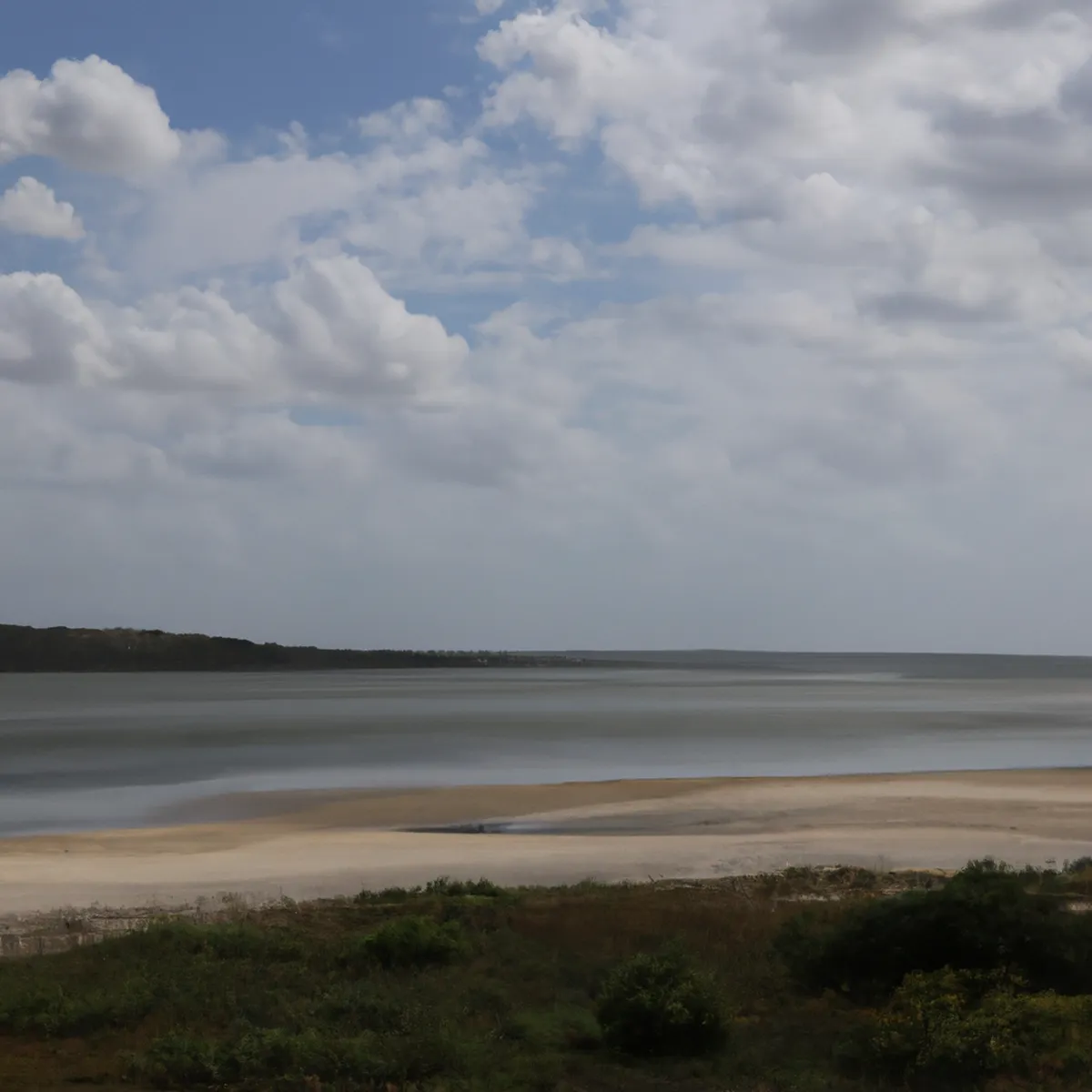
Mozambique’s natural resources include coal (reserves of 1,975 million tonnes in Tete), natural gas and strong hydroelectric generation (16.3 TWh in 2024, according to Ember), led by the Cahora Bassa plant (2,075 MW). What water and biodiversity resources does Mozambique have? The country has 226 km³ of renewable freshwater resources, the Zambezi River and Lake Niassa, as well as 717 bird species and 1,965 fish species.
Mozambique is a country in southeastern Africa known for its rich diversity of natural resources. Its territory spans a wide variety of ecosystems, from tropical forests to savannas and coastal areas.
Table de contenidos
Mozambique’s most notable natural resources include its reserves of coal, natural gas and oil, as well as its extensive arable land and rich wildlife and plant life. Sustainable management of these resources is essential for the country’s sustainable development and the conservation of its natural heritage.
What is Mozambique’s biodiversity like? What mineral and natural resources does the country have, and how does it rank globally? How is energy generated and water used in Mozambique? How many different animals and plants are there in the country?
Natural resources
Natural resources are materials or energy sources provided by or found on Earth that are useful to humans. Every product we manufacture is made up of natural resources.
- Renewable resources: these can be restored by natural processes faster than the rate at which they are consumed. Examples include solar radiation, wind, hydroelectric power, water when used properly, and plant and animal life.
- Non-renewable resources: once extracted, these are depleted and cannot regenerate. Examples include hydrocarbons, metals and minerals.
Examples of Mozambique’s main natural resources
Environmental indicators of Mozambique
Official data on forests, water, energy and threatened species.
| Forest cover | 45.8% of land area2023 |
|---|---|
| Renewable freshwater per capita | 3,071 m³ per year2022 |
| Electricity from renewable sources | 82.7% of total generation2021 |
| Threatened species | 439 mammals, birds, fish and plants2022 |
| Protected land area | 29.5% of land area2025 |
| Arable land | 7.2% of land area2023 |
Gas resources in Mozambique
Mozambique is a mid-sized natural gas producer: its gross production was 4,990 million cubic meters in 2019 (USGS), and output nearly doubled in 2023 after the offshore Coral South field came on stream (Our World in Data, 2026).
Examples of Mozambique’s mineral resources
Mozambique has large coal reserves, totaling 1,975,339,520 tonnes in 2016. The country’s main coal-producing region is Tete Province, in central Mozambique.
In 2019, Mozambique produced a total of 565 thousand tonnes of aluminum. All of it came from the Mozal smelter, 20 km west of Maputo, which turns imported alumina into metal, since the country mines very little bauxite. Mozal was placed on care and maintenance in March 2026.
Water resources of Mozambique
Mozambique has 226 km³ of renewable freshwater resources, which placed it 33rd in the world ranking of water reserves in 2020. This African country has a large number of rivers and lakes, the main ones being the Zambezi and Limpopo rivers and Lake Niassa, also known as Lake Malawi.

Average rainfall and soils of Mozambique
Mozambique has an average annual rainfall of 1,032 mm, which places it 77th in the world for rainfall. The soils of this African country vary with the actual moisture levels of the land and are more fertile in areas where rainfall is more abundant.
Renewable electricity and hydropower production in Mozambique
In 2024, Mozambique generated 16.5 TWh of electricity from renewable sources — 83% of its total generation of 19.8 TWh — and hydropower alone supplied 16.3 TWh (Ember, 2024). The country’s main hydroelectric plant is Cahora Bassa, on the Zambezi River, with an installed capacity of 2,075 MW.

Forest resources of Mozambique
Mozambique is rich in forest resources, and its main forest region is Zambezia. In 2023, the country’s forest area reached 45.81% of its land area, equivalent to 360,265 km² (World Bank, 2023).
These figures place Mozambique 17th in the world for forest area.
Environmental performance and protection of Mozambique’s natural resources
The country has an Environmental Performance Index (2024) score of 39.0 and ranks 132nd in the world on the index (Yale EPI 2024). In addition, protected areas cover 29.5% of its land area (World Bank, 2025).
Natural parks of Mozambique: the hidden wealth of natural resources
Biodiversity: animal and plant resources of Mozambique
Birds of Mozambique
Mozambique has a great diversity of birds, with a total of 717 species according to the most recent data, which places it 44th in the world (Mongabay/WorldRainforests).
However, it has 32 threatened bird species (World Bank, 2022). Among the most notable species is the osprey, one of the country’s most iconic birds.

Fish and amphibians of Mozambique
In 2019, 93 amphibian species were recorded according to the most recent data, which places the country 37th in the world (Mongabay/WorldRainforests).
Mozambique also has 1,965 fish species according to the most recent data, making it 18th in the world ranking (Mongabay/WorldRainforests). However, 105 of these fish species are threatened (World Bank, 2022).
The main amphibian species include the red-legged running frog (Hylambates maculatus), and among fish, the Zambezi tigerfish stands out.
Mammals of Mozambique
Mozambique has a great diversity of mammal species, with a total of 266 species according to the most recent data (Mongabay/WorldRainforests). However, 19 of them are threatened (World Bank, 2022).
It also has three endemic mammal species, which places it 50th in the world ranking for endemic mammals.
Reptiles of Mozambique
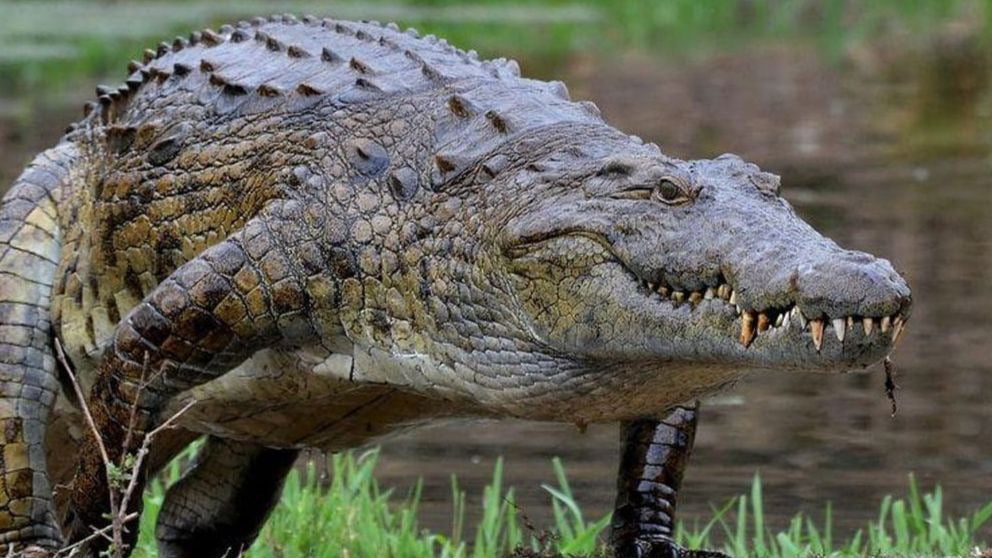
Mozambique had a total of 225 reptile species in 2019, which places it 35th in the world. This natural resource is very important for the country’s biodiversity, and its flagship species is the Nile crocodile, which lives in the region’s rivers and lakes.
Plants of Mozambique
Mozambique has a great diversity of vascular plants, with a total of 4,095 species recorded in 2020, which places it 56th in the world. Among the most notable species is Acacia xanthophloea, known as the “fever tree,” which is the country’s flagship plant and is found across much of its territory.
Organizations that protect or study Mozambique’s natural resources
- Ministério da Terra e Ambiente (MTA): The Ministry of Land and Environment, which leads Mozambique’s policies on land, the environment and conservation areas.
- Administração Nacional das Áreas de Conservação (ANAC): The National Administration of Conservation Areas, the state institution that manages the country’s national parks, reserves and biodiversity.
- Gorongosa National Park (Gorongosa Project): A project that is restoring Gorongosa National Park and its wildlife.
- WWF Mozambique: An international organization dedicated to conserving Mozambique’s forests, seas and threatened species.
- WCS Mozambique (Wildlife Conservation Society): A society that protects the Niassa Reserve and Mozambique’s wildlife.
- Peace Parks Foundation: A foundation that manages transfrontier conservation areas and wildlife corridors.
The offshore Rovuma Basin, off Cabo Delgado Province, holds more than 160 trillion cubic feet of natural gas, one of the largest discoveries of the past two decades. That gas feeds Coral Sul, the world’s first floating LNG facility in ultra-deep waters of more than 2,000 m, which has been exporting since November 2022 (trade.gov, 2025).
Rovuma natural gas: an offshore giant under construction
The Coral South field, discovered in 2012, contains about 16 trillion cubic feet of recoverable gas within an Area 4 estimated at 85 trillion cubic feet (NS Energy, 2025). The other major project, the onshore Area 1 LNG development operated by TotalEnergies, declared force majeure in April 2021 because of insecurity in Cabo Delgado, and the company only lifted it in October 2025, pending an amended development plan (trade.gov, 2025).
Heavy mineral sands: Moma and the world’s titanium
On the northeastern coast, the Moma mineral sands mine produced 1,008,900 tonnes of ilmenite in 2024 and supplies about 7% of the planet’s titanium feedstocks, selling to customers in more than 15 countries (Kenmare Resources, 2025). It is one of the world’s largest titanium deposits, and its reserves will last more than 100 years at the current rate of extraction (Kenmare Resources, 2025).
Cahora Bassa: the largest hydroelectric plant in southern Africa
The Cahora Bassa Dam, on the Zambezi River in Tete Province, has an installed capacity of 2,075 MW and is the largest hydroelectric scheme in southern Africa. Most of its electricity is exported to South Africa over a high-voltage direct current line, and those sales are an important source of foreign currency for the country (Wikipedia / Global Energy Monitor, 2025).
Frequently asked questions
How much natural gas does Mozambique have? The Rovuma Basin holds more than 160 trillion cubic feet across its concessions; the Coral South field alone has about 16 trillion cubic feet of recoverable gas (trade.gov, 2025).
How important is Mozambique in the global titanium market? The Moma mine supplies about 7% of the world’s titanium feedstocks, with 1,008,900 tonnes of ilmenite produced in 2024 (Kenmare Resources, 2025).
Sources used
- Forest area (km²) – World Bank
- Forest area (% of land area) – World Bank
- Coal reserves – Worldometers
- Water and agriculture statistics – FAO
- Precipitation (mm) – World Bank
- Environmental Performance Index – Environmental Performance Index
- Bird species – Mongabay
- Amphibian species by country – Mongabay
- Mammal species – Mongabay
- Endemic mammal species – Our World in Data
- Plant species – Mongabay
- Reptile species by country – Mongabay
- Endemic bird species by country – Our World in Data
The World Bank noted in 2023 that Mozambique has major natural gas reserves in the Rovuma Basin, with the potential to become one of the world’s largest LNG exporters.
Last updated: September 26, 2026
Leave a Reply