

Sustainable tourism, as defined by UN Tourism (UNWTO), is tourism that takes full account of its current and future economic, social and environmental impacts, addressing the needs of visitors, the industry, the environment and host communities. Ecotourism is one form of it, focused on nature and conservation. In 2024 tourism accounted for about 1.4 billion international arrivals and contributed 10% of global GDP, but it is also estimated to generate around 8% of global greenhouse gas emissions (2013 data). How can tourism grow without destroying the very thing that makes it possible?
Travel has become one of the most powerful economic activities on the planet. In 2024, international travel almost fully recovered to pre-pandemic levels (99%), with an estimated 1.4 billion international tourist arrivals, 11% more than in 2023 (UN Tourism 2025). That same year, the travel and tourism sector contributed around 10% of global GDP, some $10.9 trillion, and supported nearly 357 million jobs, roughly one in every ten jobs in the world (WTTC 2025).
Contents
But that growth has a downside. Tourism also puts pressure on fragile ecosystems, local communities and resources such as water, soil and biodiversity. Tourism was estimated to be responsible for around 8% of global greenhouse gas emissions in 2013, according to the landmark study published in Nature Climate Change (Lenzen et al. 2018). This dilemma is what gave rise to sustainable tourism: a model that seeks to conserve natural and cultural heritage while generating lasting, fairly shared economic benefits.
In this guide we explain what sustainable tourism and ecotourism are, their principles according to UN Tourism, how they differ from mass tourism, their benefits and risks, and some examples and destinations that already put them into practice. What are the three pillars of sustainable tourism? How does ecotourism differ from conventional tourism? Why does it matter for the development of the world’s most biodiverse countries? These are the questions we answer below.
Sustainable tourism and ecotourism
Sustainable tourism is a way of traveling and managing tourism that takes full account of its economic, social and environmental impacts, now and in the future, in order to meet visitors’ needs without compromising those of host communities or of nature. It rests on three pillars: environmental, sociocultural and economic.
- Sustainable tourism: minimizes negative impacts, protects ecosystems and cultural heritage, and shares the benefits fairly among local communities.
- Ecotourism: a form of sustainable tourism focused on visiting natural areas responsibly, with low impact, environmental education and direct support for conservation and local people.
What is sustainable tourism?
The official definition comes from UN Tourism (formerly UNWTO, the United Nations World Tourism Organization): sustainable tourism is tourism “that takes full account of its current and future economic, social and environmental impacts, addressing the needs of visitors, the industry, the environment and host communities” (UN Tourism, Sustainable Development of Tourism). It is therefore not an exotic kind of trip, but a way of planning and managing any destination so that it lasts over time.
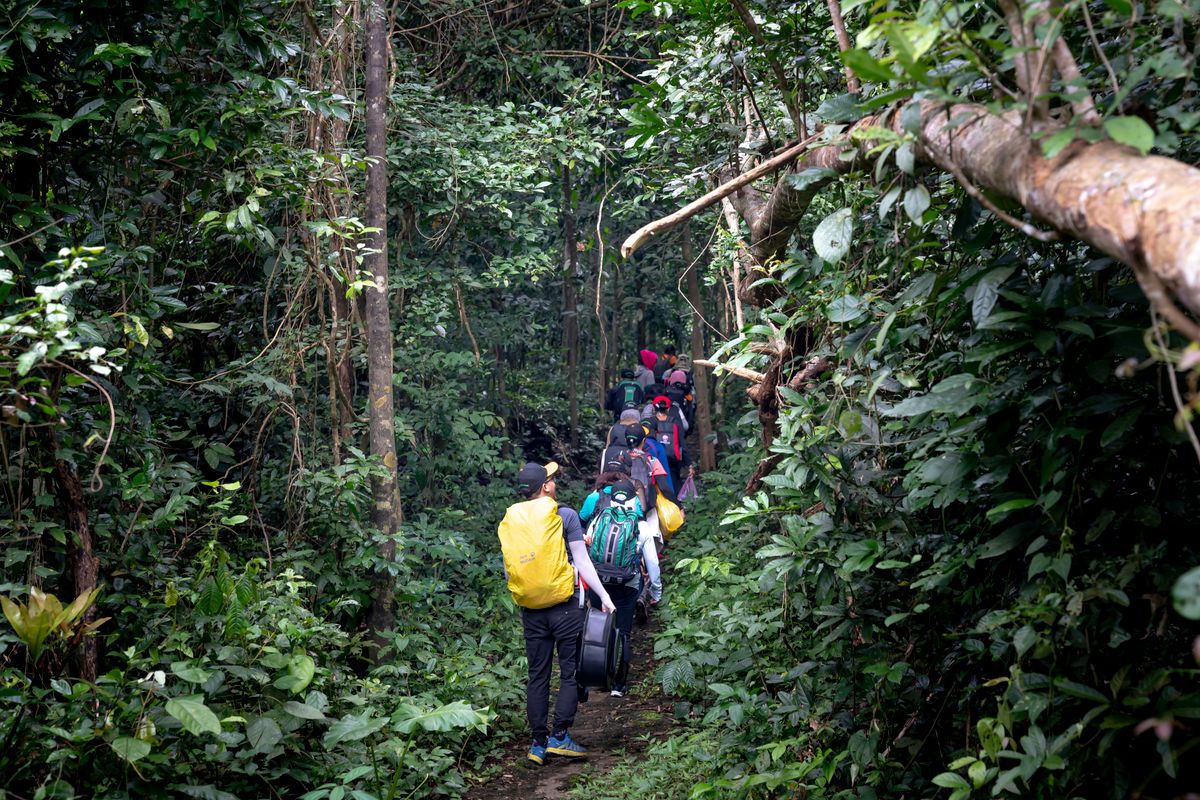
Sustainable tourism does not mean giving up travel, but traveling differently: choosing responsible accommodation, respecting local culture, cutting waste and water use, and favoring operators that reinvest in conservation. It is the application of the principles of sustainable development to travel, and it is closely linked to the sustainable urban development of the destinations that receive visitors.
The three pillars of sustainable tourism
According to UN Tourism, truly sustainable tourism must balance three dimensions that act as pillars (UN Tourism):
- Environmental pillar: make optimal use of natural resources, maintain essential ecological processes and help conserve natural heritage and biodiversity.
- Sociocultural pillar: respect the authenticity of host communities, conserve their cultural heritage and traditional values, and contribute to intercultural understanding and tolerance.
- Economic pillar: ensure viable, long-term economic activities that deliver fairly distributed benefits, stable employment and income-earning opportunities for local communities, helping to reduce poverty.
Sustainable tourism vs. mass tourism

Mass tourism concentrates large numbers of visitors in a few destinations and seasons, putting volume ahead of impact. Its consequences are well known: overcrowded cities and beaches, rising housing costs for residents, eroded ecosystems, waste generation and a high carbon footprint. “Touristification,” or overtourism, has led cities such as Venice (which began charging day-trippers a €5 access fee in April 2024), Barcelona and Amsterdam to adopt measures to control visitor numbers.
Sustainable tourism proposes the opposite: spreading visitor flows, lengthening seasons, capping visitor numbers in sensitive areas and putting the quality of the experience ahead of the number of visitors. Instead of extracting value from a destination until it is exhausted, it seeks to make tourism compatible with the conservation of renewable natural resources and with the well-being of the people who live there, in line with actions for sustainable development.
What is ecotourism and how is it different?

Ecotourism is a specific form of sustainable tourism. The International Ecotourism Society (TIES) defines it as responsible travel to natural areas that conserves the environment, sustains the well-being of local people and involves interpretation and environmental education. While sustainable tourism is a principle that can be applied to any destination (a city, a beach hotel, an event), ecotourism focuses specifically on nature and conservation: wildlife viewing, hiking, birdwatching or guided visits to protected areas.
The ecotourism market is growing fast. According to the research firm Grand View Research, it was valued at about $235.5 billion in 2023 and could reach $665.2 billion by 2030, with an annual growth rate of close to 16% (Grand View Research 2023). These figures should be treated with caution, since different consultancies give different estimates and there is no single official figure, but they all agree that the trend is upward.
Economic importance and environmental footprint of tourism
Tourism is a major economic engine. In 2024 it contributed about $10.9 trillion to global GDP (10% of the total) and generated nearly 357 million jobs (WTTC 2025). For many nature-rich countries, tourism is a key source of foreign exchange and development, as important as the exploitation of their natural resources.
Tourism’s recovery after the pandemic shows how resilient it is. After the collapse of 2020, international arrivals in 2024 returned almost to their all-time high:
That dynamism, however, comes at an environmental cost. Besides the roughly 8% of global emissions attributed to tourism in 2013 (Lenzen et al. 2018), the activity puts pressure on water, soil and habitats. The good news is that well-managed tourism also pays for conservation: a 2015 study estimated that the world’s protected areas receive about 8 billion visits a year, generating some $600 billion a year in direct tourist spending, far more than the under $10 billion invested in protecting them (Balmford et al., PLOS Biology 2015).
Benefits and risks of sustainable tourism
The benefits of sustainable tourism include stable local jobs, the diversification of regions’ sustainable economy, a direct incentive to conserve forests, reefs and wildlife, and the promotion of cultural heritage. When tourism income depends on a healthy landscape, protecting that landscape pays off. In the United States, for example, spending by national park visitors contributed $56 billion to the U.S. economy in 2024 (NPS 2025).
But there are also risks if the model is poorly applied: greenwashing, when companies market themselves as sustainable without being so; the leakage of profits to large foreign chains instead of local communities; pressure on fragile ecosystems when their carrying capacity is exceeded; and the commodification of local cultures. That is why sustainable tourism requires planning, credible certifications and genuine participation by local people, so as not to repeat the ecological problem it seeks to solve.
Sustainable tourism examples and destinations

Several countries have become benchmarks for nature tourism and ecotourism, capitalizing on their enormous biodiversity:
- Costa Rica: a world pioneer of ecotourism, with 26.6% of its land area protected (World Bank, 2025) and a model built on forests, wildlife and clean energy.
- Ecuador: the Galápagos Islands and the Amazon are icons of conservation tourism; learn more about Ecuador’s natural resources.
- Kenya and Tanzania: safaris in the Serengeti and the Maasai Mara help fund the protection of African wildlife; explore the natural resources of Kenya and Tanzania.
- Peru: combines cultural heritage (Machu Picchu) with the natural heritage of the Amazon; discover Peru’s natural resources.
- Madagascar: one of the planet’s greatest hotspots of endemic species, where tourism helps protect its natural resources.
- Colombia and Brazil: with the Amazon and the páramos (high Andean grasslands), both are betting on nature tourism; see the natural resources of Colombia and Brazil.
Community-based tourism and local development
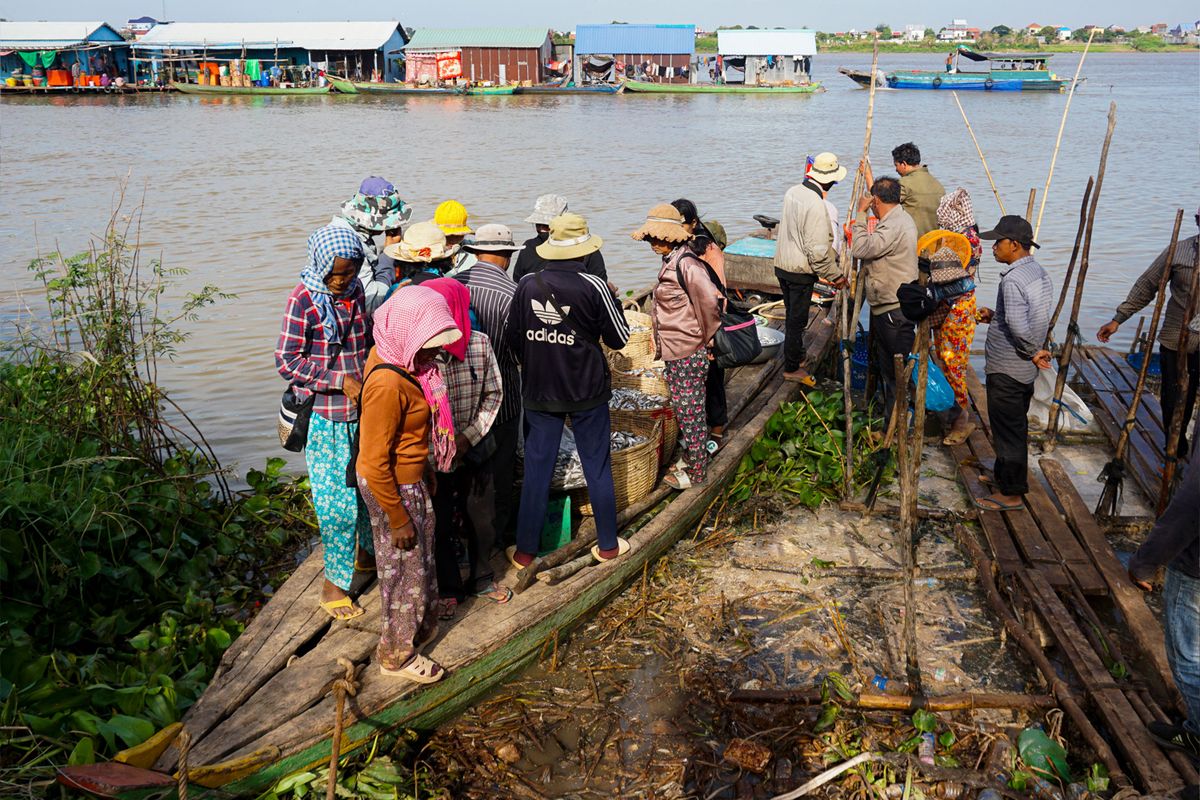
One of the most valuable expressions of sustainable tourism is community-based tourism, in which local communities themselves run the activity and receive its income: family-run lodgings, native guides, and traditional food and crafts. This model ensures that the benefits stay in the area and strengthens sustainable development from the grassroots, a clear example of sustainable economic development.
Community-based tourism also encourages the responsible use of resources and strengthens cultural roots, preventing rural depopulation. When visitors pay the community directly for an authentic experience, it creates a virtuous circle linking conservation, culture and the local economy.
Leading organizations and initiatives
- UN Tourism (UNWTO): the UN agency that sets the definition and principles of sustainable tourism and promotes their integration into the Sustainable Development Goals (UN Tourism).
- UNEP: the United Nations Environment Programme promotes low-emission tourism and the efficient use of resources.
- WTTC: the World Travel & Tourism Council publishes economic data on the sector and promotes responsible practices (WTTC 2025).
- Global Sustainable Tourism Council (GSTC): sets the international criteria for certifying sustainable destinations and businesses.
Related resources on Desarrollo Sustentable
- Sustainable Development Projects
- Sustainable Economy
- Actions for Sustainable Development
- Sustainable Urban Development
- Renewable Natural Resources
- Non-Renewable Natural Resources
- The Ecological Problem and a Way to Solve It
Sources used
- UN Tourism (UNWTO) — International tourism recovers pre-pandemic levels in 2024.
- UN Tourism (UNWTO) — Sustainable development of tourism (definition and pillars).
- WTTC — Global Travel & Tourism (GDP, employment 2024).
- Lenzen et al., Nature Climate Change (2018) — The carbon footprint of global tourism.
- Balmford et al., PLOS Biology (2015) — Global magnitude of visits to protected areas.
- Grand View Research (2023) — Ecotourism Market Report.
- US National Park Service (2025) — Visitor spending 2024.
Tourism will keep growing, and with it the responsibility to manage it well. Choosing responsible accommodation and operators, respecting host communities and protecting the nature that makes each destination unique is what separates tourism that exhausts destinations from tourism that endures. Embracing sustainable tourism and ecotourism does not mean giving up travel; it means making sure that future generations can travel too.
Related articles
Last updated: November 1, 2026







Leave a Reply