

Sudan’s natural resources stand out for oil, gold and the water of the Nile. The country produces 90 tonnes of gold a year, which places it 11th in the world, and pumps 66,912 barrels of oil a day. What are Sudan’s most notable natural resources? It also has 64.5 km³ of renewable freshwater resources and the 1,250 MW Merowe Dam.
Sudan, a country in northeastern Africa, has a rich diversity of natural resources. Its territory spans a wide variety of ecosystems, from savanna to desert.
Contents
Sudan is also known for its significant gold and oil production, as well as for its agriculture and livestock farming. The sustainable use of Sudan’s natural resources can bring economic and social benefits.
What are Sudan’s most notable natural resources? What natural wealth does the country have? Which minerals does it have, and where does it stand in the world rankings? How is its land used, and what measures does Sudan take to protect its biodiversity?
Natural resources
Natural resources are materials or energy sources provided by or found on Earth that are useful to humans. Every product we manufacture is made up of natural resources.
- Renewable resources: these can be restored by natural processes faster than the rate at which they are consumed. Examples include solar radiation, wind, hydroelectric power, water when used properly, and plant and animal life.
- Non-renewable resources: once extracted, these are depleted and cannot regenerate. Examples include hydrocarbons, metals and minerals.
Examples of Sudan’s main natural resources
What Sudan’s land produces
Natural resource rents, fisheries and agricultural land use, along with the state of conservation.
| Natural resource rents | 12.8% of GDP2021 |
|---|---|
| Capture fisheries | 42,060 t per year2024 |
| Agricultural land | 60.3% of land area2023 |
| Arable land | 11.2% of land area2023 |
| Forest cover | 9.6% of land area2023 |
| Protected land area | 2.8% of land area2025 |
Oil resources in Sudan
Sudan produced 66,912 barrels of oil per day in 2021, which places it 31st in the world for oil production. It also had oil reserves of 5,000,000,000 barrels in 2022, which puts it 23rd in the world for oil reserves.
Examples of Sudan’s mineral resources
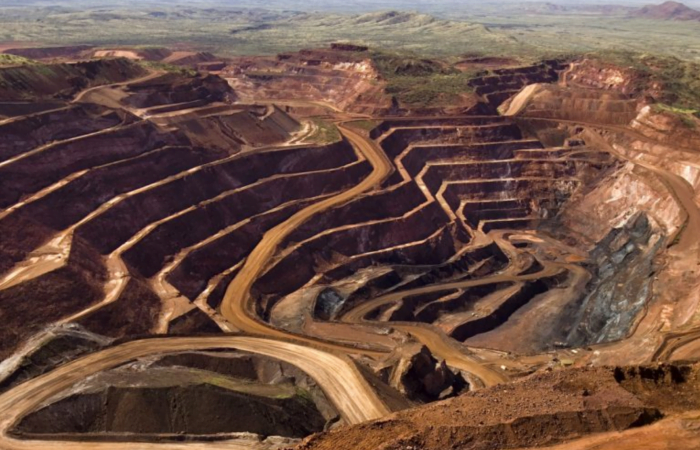
Sudan produced 90 tonnes of gold in 2020 and had gold reserves of 1,550 tonnes that same year. It also ranks 11th in the world for gold production. The country’s main mine is the Ariab mine, in eastern Sudan.
Water resources of Sudan
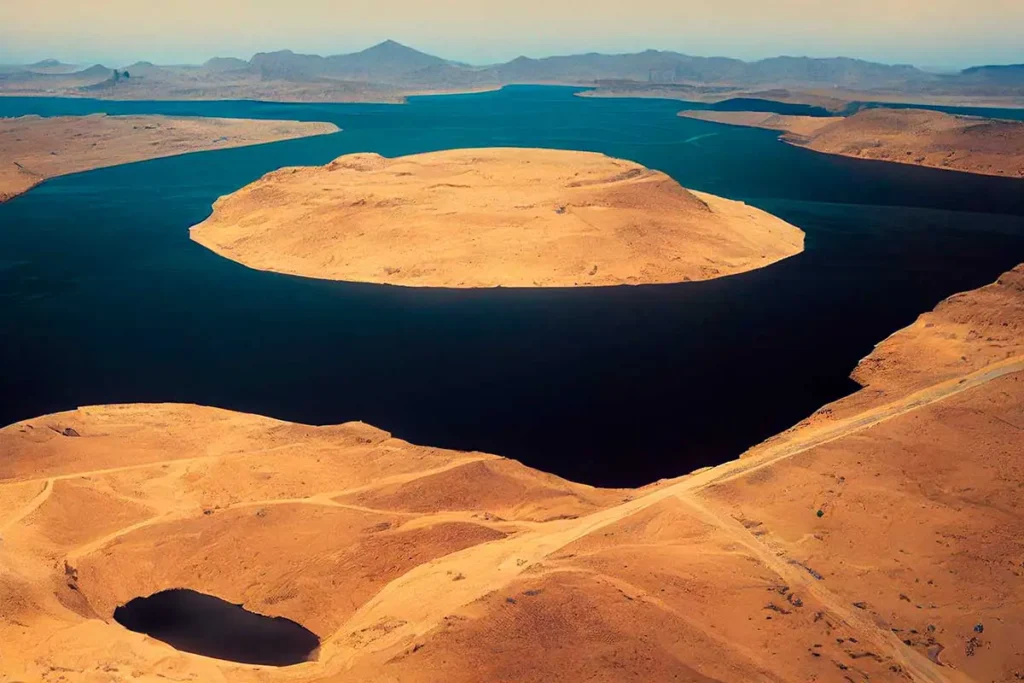
Sudan has 64.5 km³ of renewable freshwater resources, which placed it 75th in the world ranking of water reserves in 2020. This African country has significant water resources, the most notable being the Nile and Atbara rivers, as well as Lake Nubia, also known as Lake Nasser.
Average rainfall and soils of Sudan
Sudan has an average annual rainfall of 250 mm, which places it 139th in the world for rainfall. Because of the country’s low moisture, its soils tend to be arid and poorly suited to agriculture.
However, in some areas where moisture is higher, more fertile soils suitable for cultivation can be found.
Renewable electricity and hydropower production in Sudan
In 2024, Sudan generated 11.8 TWh of electricity from renewable sources — 80% of its total generation of 14.8 TWh — and hydropower alone supplied 11.5 TWh (Ember, 2024). The country’s main hydroelectric plant is the Merowe Dam on the Nile, with an installed capacity of 1,250 MW and a design output of about 5.5 TWh a year.
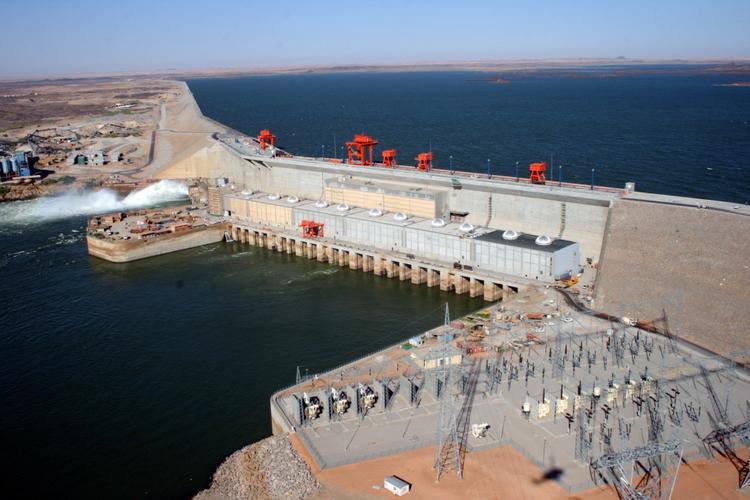
This plant is key to Sudan’s energy supply and has contributed significantly to the country’s economic development.
Forest resources of Sudan
Sudan’s forest area covered 9.55% of its territory in 2023, equivalent to approximately 183,595 km². Whatever its position in the world ranking for forest area, Sudan has seen its forest resources decline because of indiscriminate logging and the expansion of agriculture.
Environmental performance and protection of Sudan’s natural resources
The country scored 39.1 on the Environmental Performance Index (2024) and ranks 131st. Terrestrial and marine protected areas make up 3.3% of the total territorial area (World Bank, 2025). The relationship between protected areas and the country’s position on the environmental performance index is worth noting.
Natural parks of Sudan: the hidden wealth of natural resources
Biodiversity: animal and plant resources of Sudan
Birds of Sudan
Sudan has a great diversity of birds, with a total of 955 species in 2023, which places it 18th in the world for number of bird species. However, 26 of its bird species are threatened.
Fish and amphibians of Sudan
Sudan has rich biodiversity, with 13 amphibian species (2023) and 480 fish species; notable among them are the African clawed frog and, among fish, the Nile tilapia. Sudan ranks 83rd in the world for number of amphibian species and 122nd for number of fish species.
Unfortunately, 32 fish species are threatened.
Mammals of Sudan
Sudan has rich biodiversity, with a total of 200 mammal species (2023). However, 16 of these species are threatened.
Sudan ranks 22nd in the world for number of mammal species. It also has 8 endemic mammal species, ranking 33rd in the world in this respect.
Reptiles of Sudan
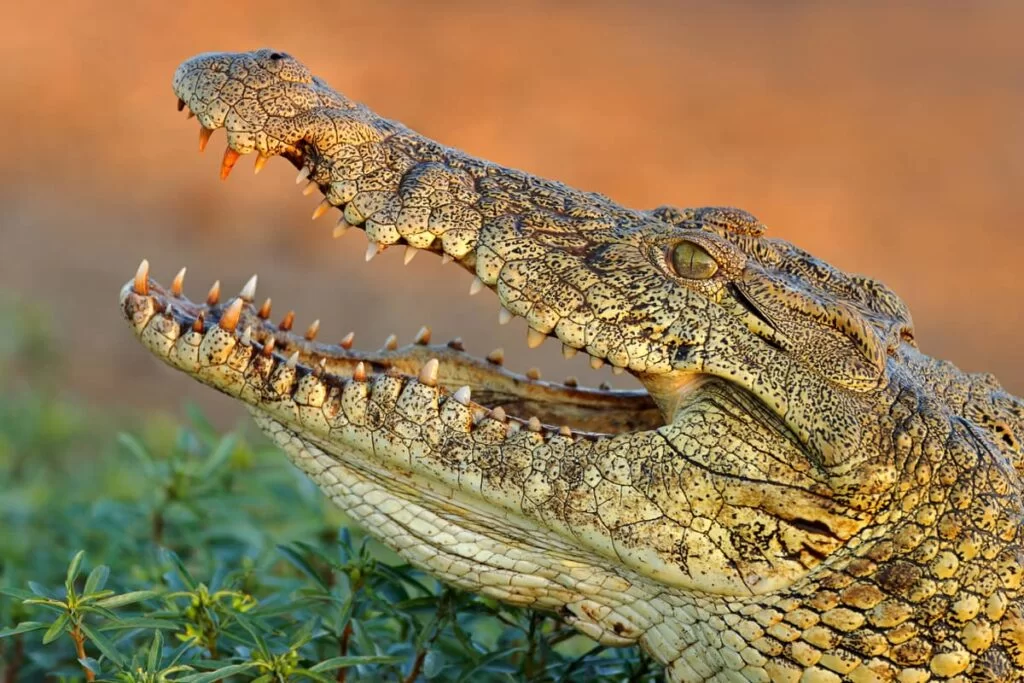
Sudan has a rich diversity of reptiles, with a total of 279 species in 2023, which places it 40th in the world for number of reptile species. This natural resource is very important for the country’s biodiversity; a notable species is the Nile crocodile, an emblematic reptile of the region.
Organizations that protect or study Sudan’s natural resources
- Higher Council for Environment and Natural Resources (HCENR): Government council that coordinates environmental protection and the management of Sudan’s natural resources.
- Forests National Corporation (FNC) – REDD+ Sudan: State corporation that manages and protects Sudan’s forests and woodlands.
- FAO in Sudan: UN agency that supports sustainable agriculture and Sudan’s natural resources.
- IUCN – Eastern and Southern Africa Regional Office (ESARO): Global conservation union that works on biodiversity in Sudan and the region.
- UNEP in Sudan (UN Environment Programme): UN environmental program with an active presence and environmental assessments in Sudan.
Sudan is the world’s largest producer and exporter of gum arabic, the acacia exudate that stabilizes soft drinks, gummy candies and medicines. Sudanese exporters control about 70% of the global supply of this ingredient, according to a 2018 UNCTAD report cited by Arab News (Arab News/UNCTAD, 2023).
Gum arabic: the export that supplies the soft drink industry
With annual production of between 20,000 and 40,000 tonnes, Sudan has led this market for decades, according to the FAO (FAO). Gum arabic accounts for about 15% of the country’s total exports, and some 5 million Sudanese depend on it directly or indirectly; Coca-Cola and PepsiCo are among its main buyers, according to Arab News (Arab News, 2023).
Gold: Africa’s third-largest output, largely informal
Sudan is Africa’s third-largest gold producer, but much of its output escapes official records. Artisanal and small-scale mining accounted for 91.5% of declared production in 2024, and between 50% and 70% of the metal is smuggled out every year, according to the African Gold Report (African Gold Report, 2024), which estimates that at least 400 tonnes of gold were smuggled between 2012 and 2024. The ranking as the continent’s third-largest producer comes from USGS data compiled by Wikipedia (Wikipedia/USGS).
Oil: the revenue that left with South Sudan
South Sudan’s independence in 2011 cost Sudan about 75% of its oil fields, according to the EIA (EIA). The blow was immediate: production fell from 168.7 million barrels in 2010 and 106.2 million in 2011 to just 37.7 million in 2012, according to USGS figures compiled by Wikipedia (Wikipedia/USGS, 2012). Since then, Sudan has kept the refineries and the pipelines that carry crude to Port Sudan.
Sources used
- Lists of countries by mineral production – Wikipedia
- Economic data by country – The Global Economy
- Forest area (km²) – World Bank
- Forest area (% of land area) – World Bank
- Oil reserves – The Global Economy
- Water and agriculture statistics – FAO
- Precipitation (mm) – World Bank
- Environmental Performance Index – Environmental Performance Index
- Bird species – Mongabay
- Amphibian species by country – Mongabay
- Mammal species – Mongabay
- Endemic mammal species – Our World in Data
- Reptile species by country – Mongabay
- Endemic bird species by country – Our World in Data
Last updated: September 26, 2026

Leave a Reply