

The Caribbean holds immense natural wealth: it is one of Earth’s 36 global biodiversity hotspots, home to approximately 11,000 plant species with 72% endemism, alongside Jamaica’s bauxite, Cuba’s nickel and cobalt, the Dominican Republic’s gold, and Trinidad and Tobago’s oil and natural gas. What are the Caribbean’s primary natural resources, and where are they located?
The Caribbean is far more than white sandy beaches and turquoise waters. Beneath its soil and across its lush rainforests, river valleys, and coral reefs lies a rich assortment of natural resources that has shaped the economies of its islands for centuries. From Jamaica’s bauxite mines to Trinidad and Tobago’s offshore gas fields, the region unites mineral deposits, fossil fuels, renewable energy potential, delicate freshwater reserves, and world-renowned biological wealth.
Table de contenidos
The statistic that best captures this abundance is biological: the Caribbean islands form one of Earth’s 36 recognized biodiversity hotspots, harboring roughly 11,000 vascular plant species, about 72% of which exist nowhere else on the planet (CEPF / Conservation International 2010). Layered onto this living wealth is a subsoil rich in critical industrial metals and a pivotal position in Atlantic energy flows.
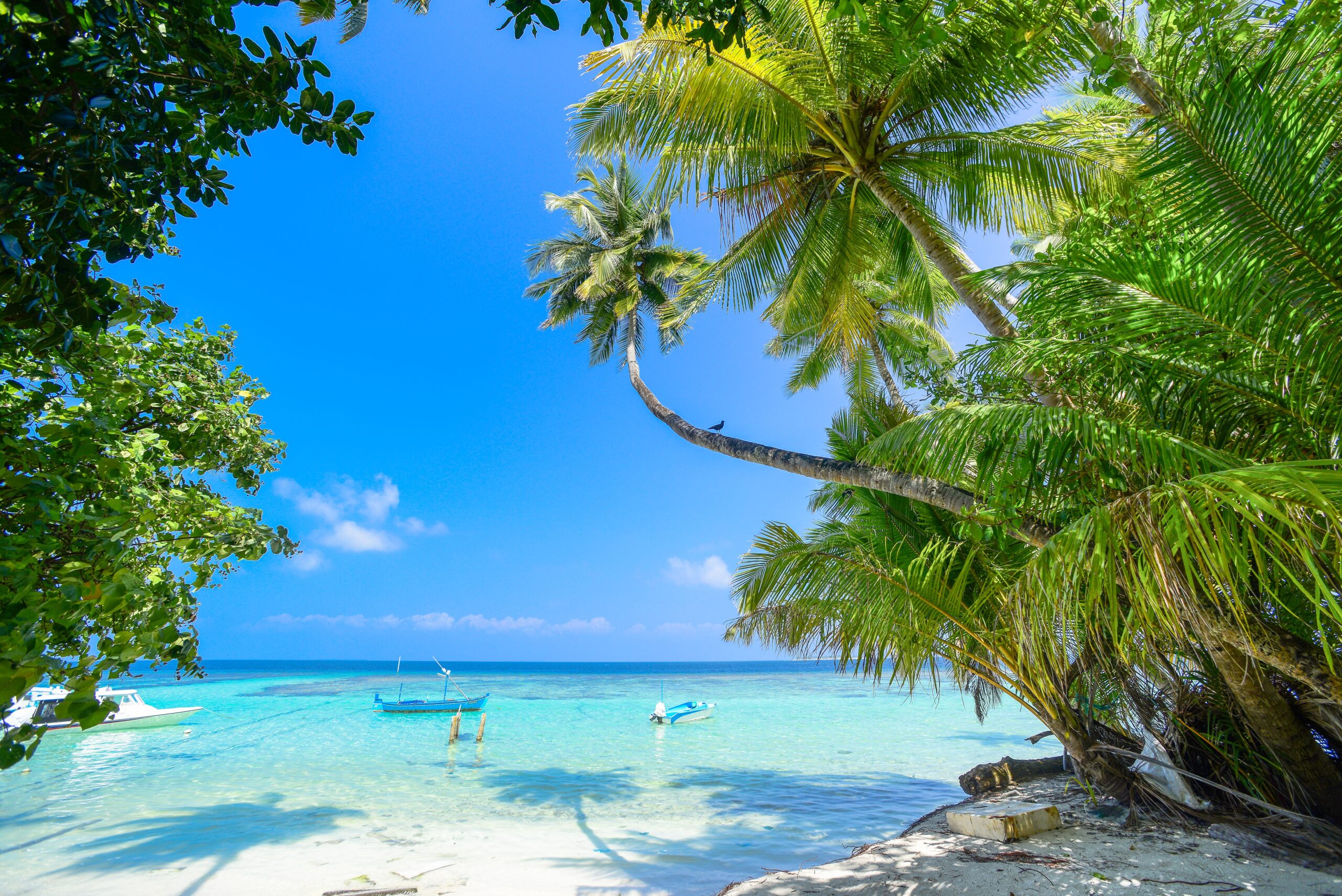
Which key minerals are mined in the Caribbean? Which islands export crude oil and natural gas? Why is the region celebrated as a treasure trove of biodiversity, and what environmental threats do its coastal and forest ecosystems face? In this guide, we examine Caribbean natural resources category by category, using verified data from the USGS, FAO, World Bank, Ramsar, and the US Energy Information Administration (EIA).
Natural Resources
Natural resources are materials or energy sources provided or found on Earth that are useful to human beings. All manufactured products originate from natural resources.
- Renewable resources: can be restored through natural processes faster than the rate at which they are consumed. Examples include solar radiation, wind, hydroelectric power, water when managed sustainably, and flora and fauna.
- Non-renewable resources: once extracted and used, they are depleted and cannot regenerate on human timescales. Examples include hydrocarbons, metals, and minerals.
Mineral Resources of the Caribbean
Mining constitutes a primary economic pillar for several Caribbean island nations. Three commodities stand at the forefront of the region’s extraction: bauxite (the raw ore for aluminum production), nickel, and gold.
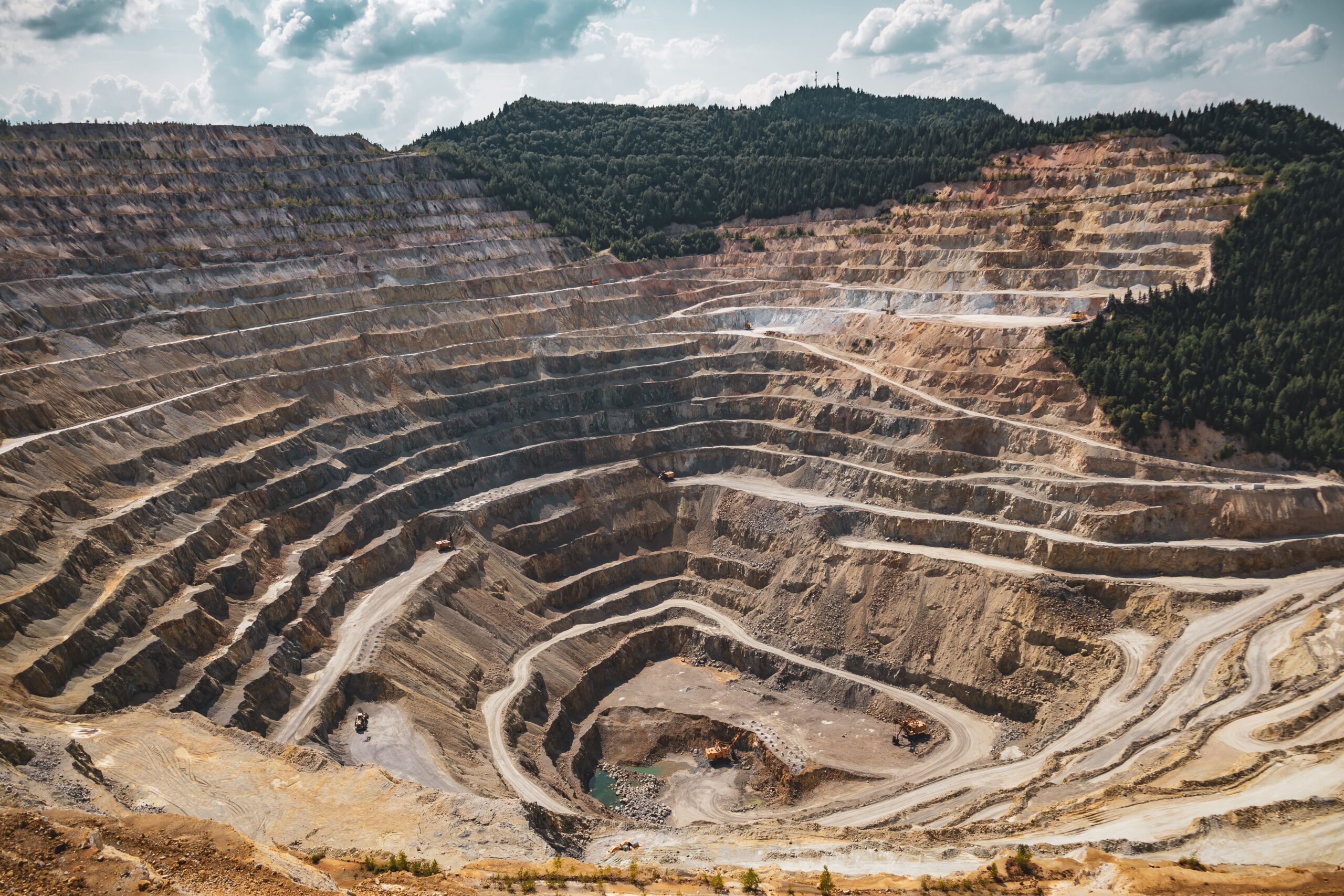
Bauxite and Alumina in Jamaica. Jamaica has historically ranked among the world’s premier bauxite producers, mining around 6 million tonnes annually to place within the global top ten (USGS 2025). The island is also the primary supplier of bauxite imports to the United States and accounts for roughly 10% of global alumina output. Learn more about its strategic importance in our guide to natural resources by country and our overview of mineral resources.
Nickel and Cobalt in Cuba. Cuba possesses some of the largest nickel reserves in the world, estimated by the USGS at approximately 5.5 million tonnes (USGS 2025). Its flagship mining and metallurgical complex in Moa produced around 30,331 tonnes of refined nickel and 3,206 tonnes of cobalt in 2024 (USGS / Sherritt 2024). These metals are critical inputs for stainless steel and electric vehicle lithium-ion batteries. Further details can be found in our dedicated report on Cuba natural resources.
Gold in the Dominican Republic. The Pueblo Viejo mine in the Dominican Republic is the largest gold-producing operation in Latin America, with an active multi-year expansion extending mine life beyond 2040 and targeting annual output near 800,000 ounces (Barrick 2023). This precious metal production is profiled in our analysis of Dominican Republic natural resources.
Energy Resources: Oil and Natural Gas
While the majority of Caribbean islands depend heavily on imported fossil fuels, one nation fundamentally transforms the regional energy balance: Trinidad and Tobago, the preeminent petroleum and natural gas producer in the Caribbean, with more than a century of commercial hydrocarbon development (EIA).
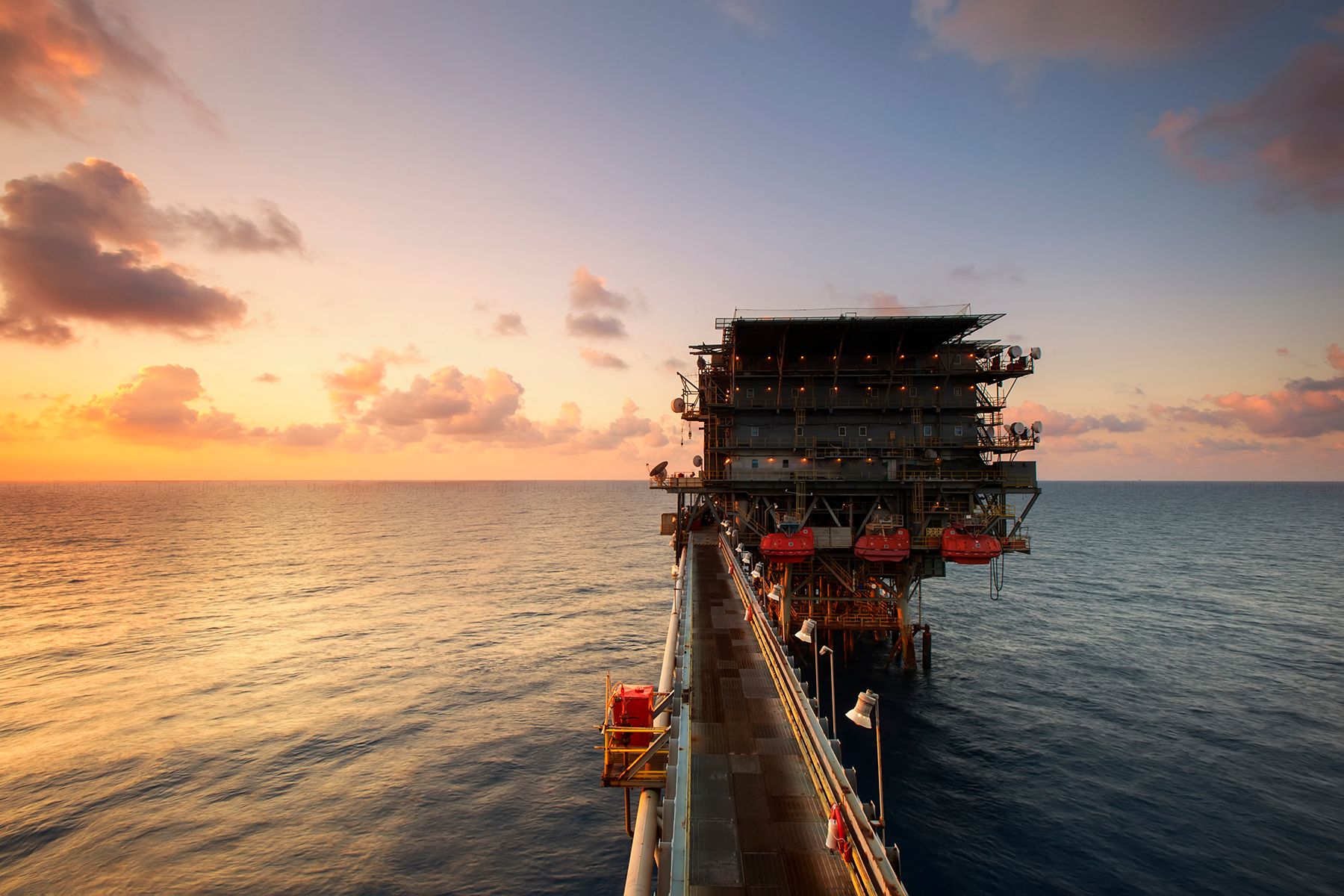
In 2024, natural gas production in Trinidad and Tobago averaged approximately 2,537 million standard cubic feet per day (mmcf/d), according to the Ministry of Energy and Energy Industries (Ministry of Energy / OilNOW 2024). That gas feeds an expansive liquefied natural gas (LNG) and petrochemical export complex (ammonia and methanol) that anchors the island’s industrial economy. Other island states, lacking domestic fossil deposits, are increasingly deploying solar PV and wind capacity to harness renewable natural resources and lower imported energy resources costs.
Forest Resources and Tropical Rainforests
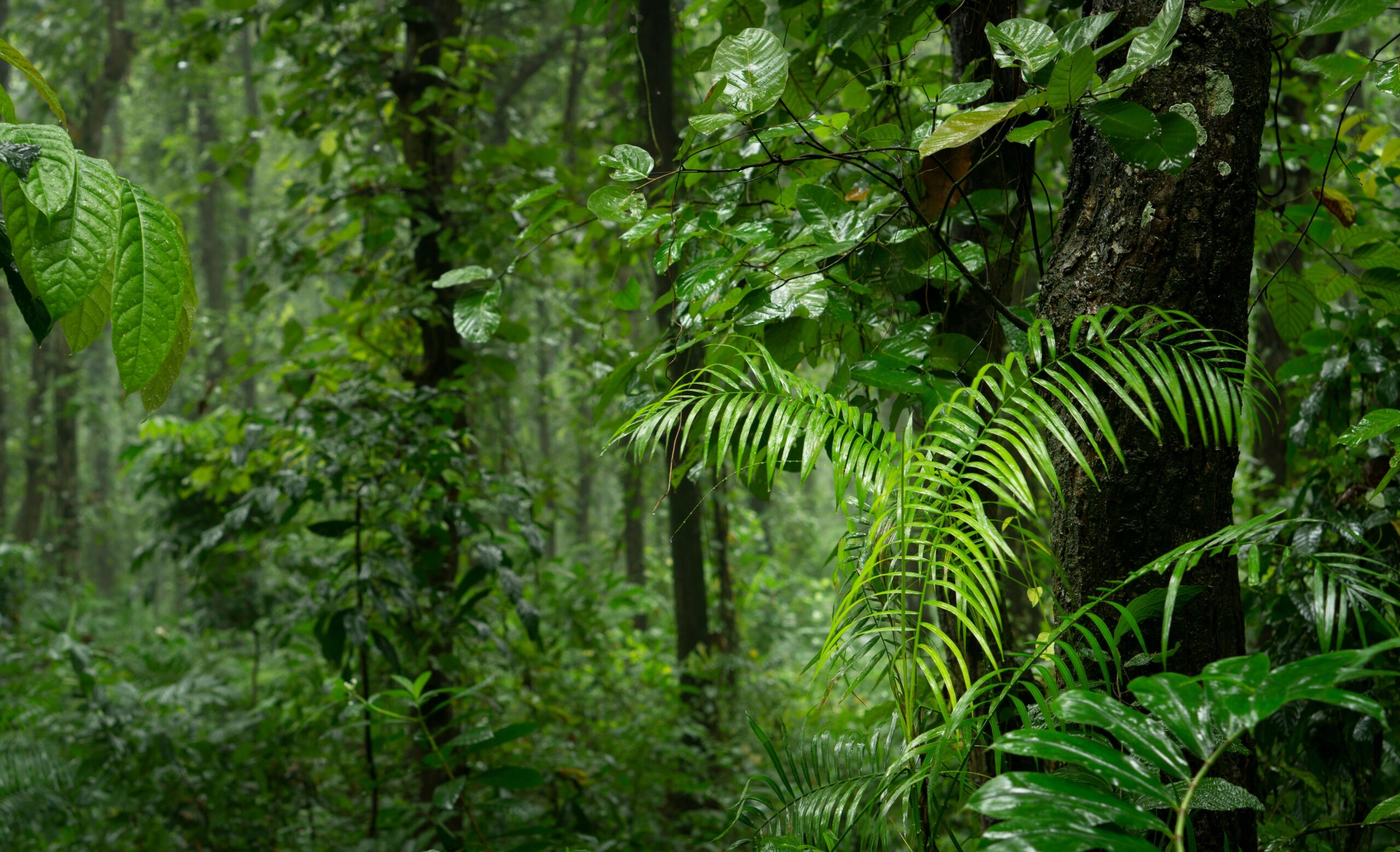
Tropical forests across the Caribbean sustain the majority of terrestrial biodiversity while regulating local microclimates and protecting fragile watersheds. Yet, canopy cover varies drastically between islands. Cuba maintains forests across roughly 31% of its land territory (World Bank / FAO 2023), while Dominica, known as the “Nature Island,” preserves native tropical forest across approximately two-thirds of its volcanic expanse (FAO), as detailed in our guide to forest resources.
At the opposite extreme lies Haiti, an emblematic case of hemispheric deforestation. While figures vary depending on forest classification criteria, scientific surveys indicate that primary forest cover has collapsed to roughly 0.3% of the national territory (Mongabay / FAO 2018). The sharp contrast with neighboring Dominican Republic highlights how institutional land management directly shapes environmental resilience across Hispaniola.
Water Resources: Rivers and Lakes of the Caribbean
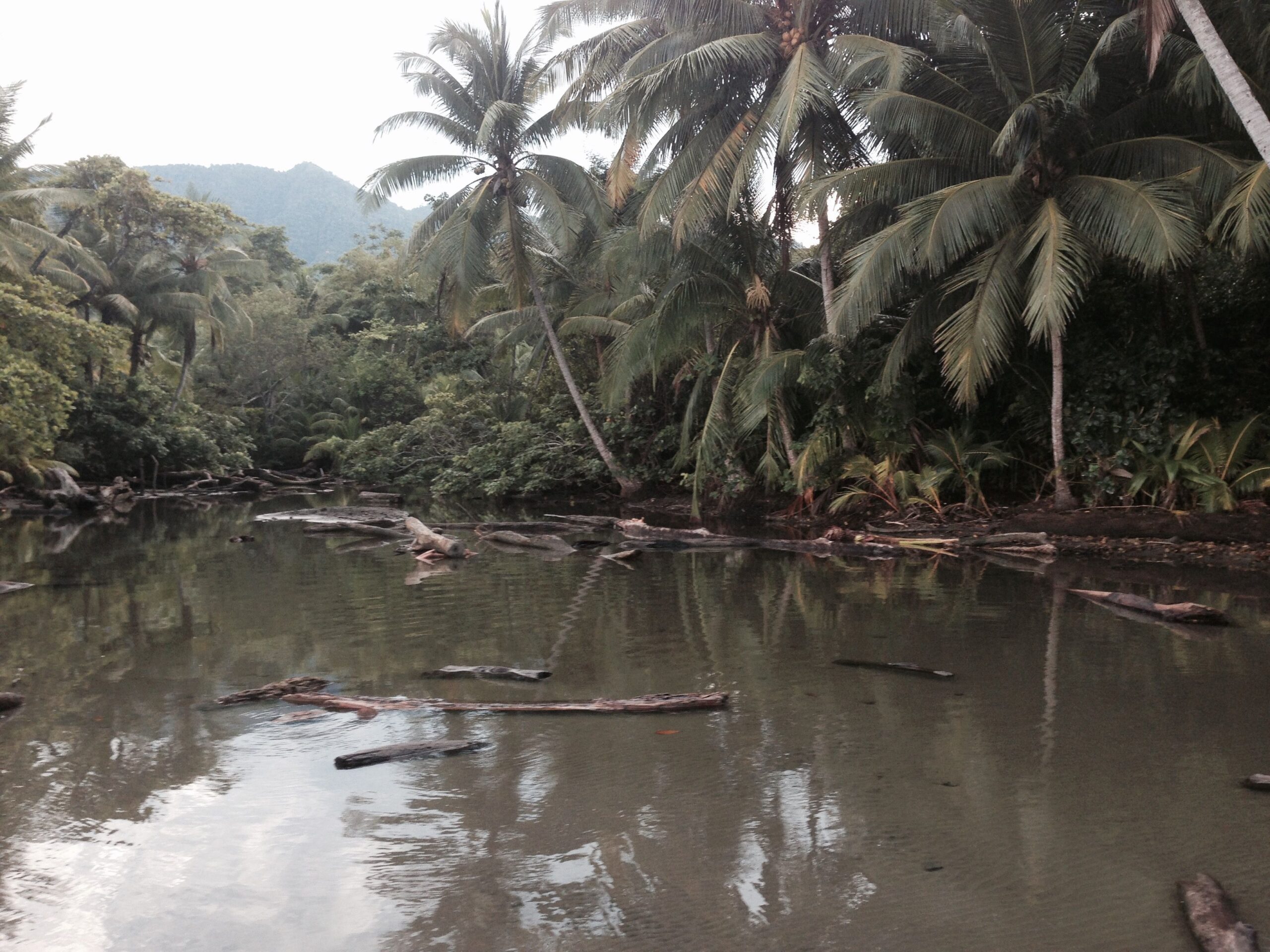
As island ecosystems, the Caribbean’s hydrological networks depend on short river systems, mountain springs, and coastal aquifers, rendering freshwater an exceptionally precious asset. The longest river in the insular Caribbean is the Cauto River in Cuba, meandering for approximately 343 kilometers from the Sierra Maestra to the Gulf of Guacanayabo (Britannica).
The largest inland body of water is Lake Enriquillo in the Dominican Republic: a hypersaline endorheic lake spanning around 380 km² situated roughly 46 meters below sea level—the lowest point in the insular Caribbean—and home to the region’s largest population of American crocodiles (Ramsar). Protecting these fragile freshwater ecosystems is vital to regional water security and sustainable management of water resources.
Biodiversity: A Global Conservation Hotspot
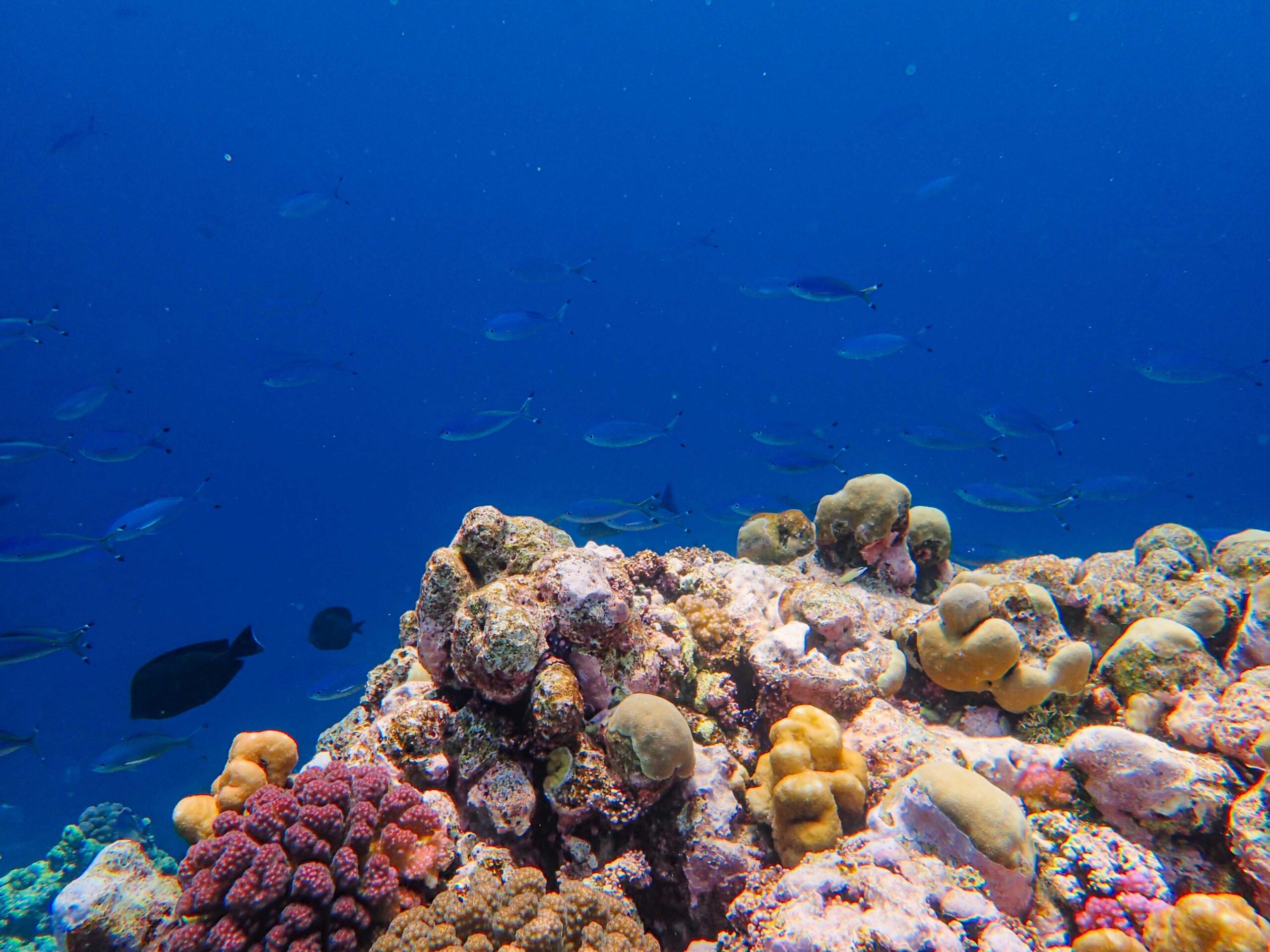
If any single natural resource defines the Caribbean, it is its breathtaking wildlife. The Caribbean islands constitute one of 36 global biodiversity hotspots, harboring around 11,000 vascular plant species, of which roughly 72% are strictly endemic (CEPF / Conservation International 2010). Rates of endemism among terrestrial vertebrates are among the highest on Earth: 96% of amphibians, 82% of reptiles, 49% of mammals, and 26% of birds are found nowhere else on the globe (CEPF 2010).
This biological wealth is as vulnerable as it is exceptional. To qualify as a biodiversity hotspot, a region must have lost at least 70% of its original primary habitat: across the Caribbean, only about 10% of undisturbed primary vegetation survives (CEPF). Hundreds of insular species are classified on the IUCN Red List as endangered or critically endangered. Meanwhile, coral reef systems support coastal fisheries and eco-tourism across every island, reinforcing the need for active marine protection.
Caribbean Countries with the Most Natural Resources
Each island nation showcases a distinctive endowment of natural wealth. Explore our specialized guides covering the Caribbean’s leading countries:
- Natural resources of Cuba — nickel, cobalt, sugarcane agriculture, and expansive protected forests.
- Natural resources of Jamaica — a premier global producer of bauxite and alumina.
- Natural resources of the Dominican Republic — Pueblo Viejo gold, ferronickel, and diverse agricultural valleys.
- Natural resources of Trinidad and Tobago — crude petroleum, natural gas fields, and LNG industrial infrastructure.
- Natural resources of Haiti — agricultural soil potential and critical watershed reforestation challenges.
- Natural resources of Barbados — sugarcane cultivation, offshore energy potential, and coastal marine tourism.
- Natural resources of Dominica — pristine montane rainforests, abundant freshwater rivers, and geothermal potential.
Environmental Challenges and Conservation
Exploiting Caribbean natural resources involves profound sustainability tradeoffs. Open-cast bauxite and nickel mining reshapes upland landscapes and produces tailings that require stringent containment; offshore hydrocarbons present marine pollution hazards; and severe deforestation, particularly in Haiti, drives soil erosion and heightens vulnerability to tropical hurricanes. Superimposed on these pressures is anthropogenic climate change, causing ocean warming, coral bleaching, and sea-level rise that directly threaten low-lying island coastlines.
In response, Caribbean nations are transitioning toward sustainable governance: establishing terrestrial and marine protected areas (MPAs), expanding solar PV, wind, and geothermal energy, fostering eco-tourism, and deploying ridge-to-reef watershed restoration programs. Balancing economic utilization with proactive conservation is essential to preserving the Caribbean’s prosperity and natural legacy.
Sources and References
- Critical Ecosystem Partnership Fund (CEPF) / Conservation International — Caribbean Islands Biodiversity Hotspot
- USGS — Mineral Commodity Summaries 2025: Bauxite and Alumina
- USGS — Mineral Commodity Summaries 2025: Nickel
- Barrick Gold — Pueblo Viejo Mine Expansion and Life-of-Mine to Beyond 2040
- US Energy Information Administration (EIA) — Trinidad and Tobago Country Profile
- Ministry of Energy of Trinidad and Tobago / OilNOW — Gas Output Averages 2,537 mmcf/d (2024)
- World Bank / FAO — Forest area as a percentage of land area in Cuba
- Ramsar Information Sheet — Lago Enriquillo Wetland of International Importance
Caribbean natural resources reflect the rich diversity of its islands: strategic battery and industrial metals, offshore hydrocarbons, tropical rainforests, delicate freshwater aquifers, and one of the highest concentrations of endemic life on Earth. Understanding where this wealth resides—and how vulnerable it is—is the first step toward building sustainable regional stewardship. Continue exploring our in-depth country guides to discover more about each nation’s natural capital.
Related Articles
Last updated: September 13, 2026

Leave a Reply