


Lebanon’s natural resources include forests, rivers and mountains, with the iconic Forest of the Cedars of God as its greatest natural symbol. Its renewable freshwater resources amount to just 4.51 km³, which keeps the country in a water crisis despite sources such as the Litani and Orontes rivers. What are Lebanon’s main natural resources?
Lebanon is a country in West Asia, on the eastern coast of the Mediterranean. It is known for its rich history and cultural diversity.
Table de contenidos
It also has a wide variety of natural resources, including forests, rivers, mountains and a large number of animal and plant species. Lebanon’s biodiversity is unique in the region, and its ecology has adapted to the country’s geographic and climatic conditions.
Lebanon’s natural resources are a vital source of livelihood for the local population and have been used for centuries for agriculture, fishing and industry.
What are Lebanon’s natural resources? What natural wealth does the country have? How much water is there, and how is energy generated? How diverse are Lebanon’s animals and plants?
Natural resources
Natural resources are materials or energy sources provided by or found on Earth that are useful to humans. Every product we manufacture is made up of natural resources.
- Renewable resources: these can be restored by natural processes faster than the rate at which they are consumed. Examples include solar radiation, wind, hydroelectric power, water when used properly, and plant and animal life.
- Non-renewable resources: once extracted, these are depleted and cannot regenerate. Examples include hydrocarbons, metals and minerals.
Examples of Lebanon’s main natural resources
Lebanon’s natural economy
How much natural resource rents weigh in the economy, and the state of the land that produces them.
| Natural resource rents | 0.0% of GDP2021 |
|---|---|
| Capture fisheries | 2,705 t per year2024 |
| Forest cover | 14.2% of land area2023 |
| Agricultural land | 65.9% of land area2023 |
Water resources of Lebanon
Lebanon has 4.51 km³ of renewable freshwater resources, which placed it 132nd in the world ranking in 2020. Although it is not near the top, this Middle Eastern country has important water sources, such as the Litani and Orontes rivers, as well as Lake Qaraoun, which supplies much of the population.

Because of a lack of rainfall and the overexploitation of water resources, Lebanon faces a water crisis that has affected millions of people in recent years.
Average rainfall and soils of Lebanon
Lebanon has an average annual rainfall of 661 mm, which places it 101st in the world for precipitation.
Renewable electricity and hydropower production in Lebanon
In 2024, Lebanon generated 2.3 TWh of electricity from renewable sources — 44% of its total generation of 5.3 TWh — mostly from solar power (1.6 TWh), while hydropower supplied 700 GWh (Ember, 2024). The country’s largest hydroelectric project is the Litani scheme fed by the Qaraoun Dam, whose generators can produce up to 185 MW.
Forest resources of Lebanon
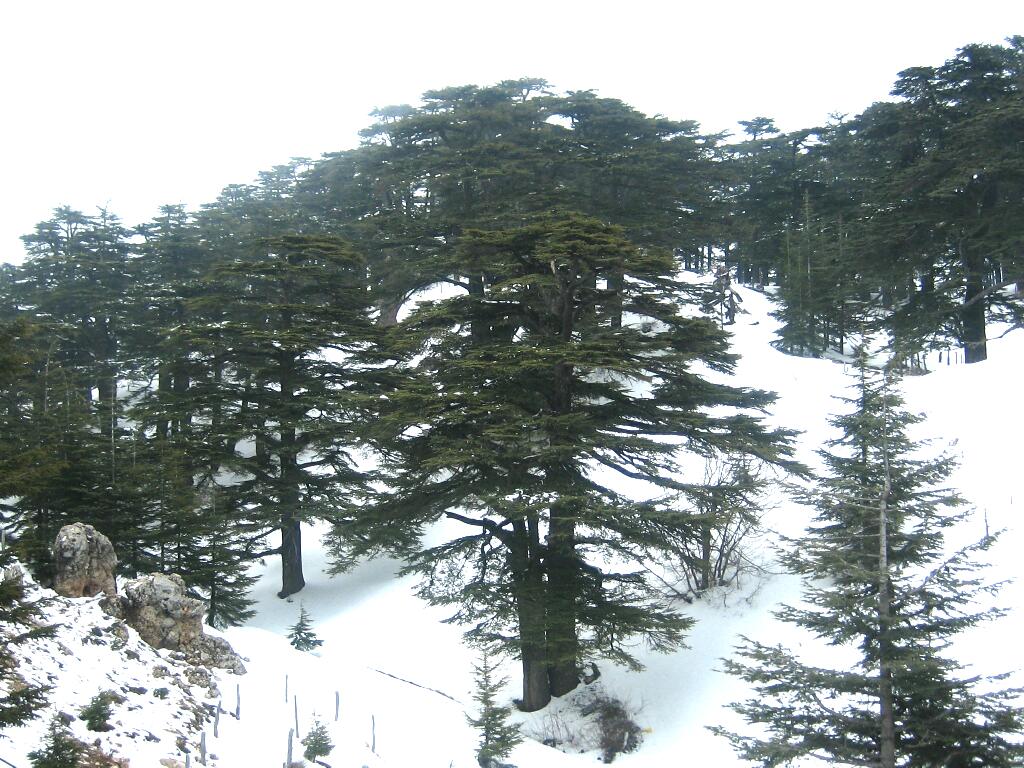
Lebanon’s forest area covers 14.2% of its land area, equivalent to 1,451.3 km² (World Bank, 2023). Its best-known forest is the Forest of the Cedars of God.
Environmental performance and protection of Lebanon’s natural resources
Lebanon scores 39.9 on the Environmental Performance Index (2024), ranking 126th. The country’s terrestrial and marine protected areas also make up 4.7% of the total territorial area (World Bank, 2025), which shows its commitment to conserving natural resources.
Natural parks of Lebanon: the hidden wealth of natural resources
Biodiversity: animal and plant resources of Lebanon
Birds of Lebanon
Lebanon has a rich diversity of birds, with a total of 374 species recorded according to BirdLife International data (2023). The country ranks 123rd in the world for number of bird species.
However, 11 of these species are endangered, so it is important to take measures to protect this valuable natural resource. Among Lebanon’s most notable bird species is the eastern imperial eagle.

Fish and amphibians of Lebanon
Lebanon has a diversity of amphibian and fish species; its flagship amphibian is the green frog and its flagship fish is a cyprinid. Its number of amphibian species is relatively low, with a total of 7, ranking 90th in the world for number of amphibian species.
Its total number of fish species, on the other hand, is 325, ranking 149th in the world. However, 28 of these fish species are threatened.
Mammals of Lebanon
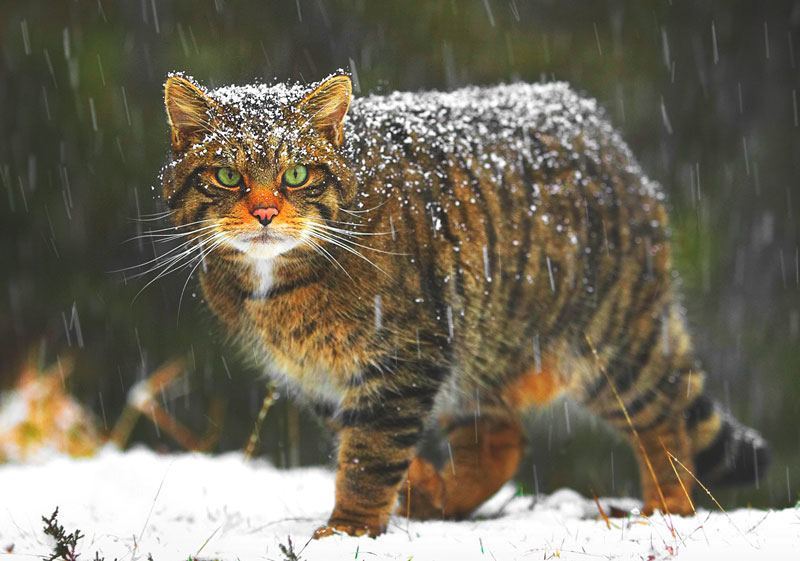
Lebanon had 10 threatened mammal species in 2016. Even so, the country has a wide variety of natural resources and diverse wildlife, with the wildcat standing out.
Reptiles of Lebanon
Lebanon has 57 reptile species, ranking 96th in the world for number of species.
Organizations that protect or study Lebanon’s natural resources
- Ministry of Environment of Lebanon: National authority that regulates, protects and manages Lebanon’s environment.
- Lebanon Reforestation Initiative (LRI): NGO that restores and protects Lebanon’s forests and landscapes.
- Association for Forests, Development and Conservation (AFDC): NGO dedicated to conserving forests and preventing wildfires in Lebanon.
- Society for the Protection of Nature in Lebanon (SPNL): BirdLife national partner that protects biodiversity through Hima reserves.
- Al Shouf Cedar Society: Manages the Shouf Biosphere Reserve and its cedar forests.
Lebanon is one of the few countries whose flag bears a tree: the cedar of Lebanon (Cedrus libani), the national emblem. Only scattered stands remain of the forests that once covered its mountains; the most famous, the Forest of the Cedars of God, covers just 10.2 hectares and has been a World Heritage Site since 1998 (Cedars of God, Wikipedia, with UNESCO data).
The cedar of Lebanon: the emblematic forest reduced to 10.2 hectares
Cedars were felled for millennia to build temples and fleets. The Forest of the Cedars of God (Horsh Arz el-Rab), on Mount Makmel at more than 2,000 meters, preserves centuries-old trees but measures just 10.2 hectares; UNESCO inscribed it in 1998 together with the Qadisha Valley as a remnant of the ancient cedar forests of Mount Lebanon (UNESCO, site 850, 1998).
Water resources: rich in water for the region, but under stress
Unlike its desert neighbors, Lebanon has 40 rivers, 16 of them perennial, fed by snow from Mount Lebanon; the Litani, the longest at 170 kilometers, delivers about 475 million cubic meters a year (Fanack Water, with FAO and UNDP data). Despite this endowment, availability fell to about 704 m³ per person in 2017, below the water-stress threshold of 1,000 m³, because of poor management and leaks.
Offshore natural gas: the Block 9 bet that did not prove commercial
After the 2022 maritime border agreement with Israel, brokered by the United States, a consortium of TotalEnergies, Eni and QatarEnergy drilled Block 9 in the Mediterranean in 2023 (Al Jazeera, 2023). The well in the Qana prospect found reservoirs with traces of gas, but not in commercial quantities (LPA, October 2023). The country still has no hydrocarbon production of its own.
Sources used
- Economic data by country – The Global Economy
- Forest area (km²) – World Bank
- Forest area (% of land area) – World Bank
- Water and agriculture statistics – FAO
- Precipitation (mm) – World Bank
- Environmental Performance Index – Environmental Performance Index
- Bird species – Mongabay
- Amphibian species by country – Mongabay
- Mammal species – Mongabay
- Endemic mammal species – Our World in Data
- Reptile species by country – Mongabay
- Endemic bird species by country – Our World in Data
The World Bank noted in 2023 that Lebanon faces a severe energy crisis, with a historical dependence on imported oil that places a heavy burden on its economy.
Last updated: September 26, 2026
Leave a Reply