


Burkina Faso’s natural resources stand out for their minerals: gold, zinc and manganese for trade. What are Burkina Faso’s most important natural resources? Besides mining, forest covers 22.2% of the territory (60,664 km² in 2023), and the shea tree is its flagship plant, the source of the shea butter used in cosmetics.
Burkina Faso, in West Africa, is a country with a great diversity of natural resources. From extensive forests to vast plains and rivers, the nation has rich biodiversity that includes endemic and endangered species.
Table de contenidos
Its strategic geographical position also makes it an important transit hub for the mineral trade, including gold, zinc and manganese. Despite these resources, Burkina Faso faces challenges in managing and conserving its natural resources to ensure their long-term sustainability.
What are Burkina Faso’s most notable natural resources? What natural wealth does it have? Which mineral resources are available, and how does it rank globally? How much water is there, and how is it used to generate energy? How diverse are Burkina Faso’s plants and animals?
Natural resources
Natural resources are materials or energy sources provided by or found on Earth that are useful to humans. Every product we manufacture is made up of natural resources.
- Renewable resources: these can be restored by natural processes faster than the rate at which they are consumed. Examples include solar radiation, wind, hydroelectric power, water when used properly, and plant and animal life.
- Non-renewable resources: once extracted, these are depleted and cannot regenerate. Examples include hydrocarbons, metals and minerals.
Examples of Burkina Faso’s main natural resources
Burkina Faso: environmental profile
The latest data on Burkina Faso’s land, water and biodiversity.
| Land area | 273,600 km²2023 |
|---|---|
| Forest cover | 22.2% of land area2023 |
| Agricultural land | 53.4% of land area2023 |
| Arable land | 28.9% of land area2023 |
| Renewable freshwater per capita | 555 m³ per year2022 |
| Threatened species | 36 mammals, birds, fish and plants2022 |
Water resources of Burkina Faso
Burkina Faso has 12.5 km³ of renewable freshwater resources, which placed it 120th in the world ranking of water reserves in 2020. Although it is not near the top, this reserve is vital for the country, because its climate is predominantly dry and water availability is limited. Burkina Faso’s two main rivers are the Black Volta and the White Volta, and its main lake is Lake Bam.
Average rainfall and soils of Burkina Faso
Burkina Faso has an average annual rainfall of 748 mm, which places it 94th in the world.
Renewable electricity and hydropower production in Burkina Faso
Burkina Faso has not yet managed to develop its renewable energy production capacity. In 2024, the country generated 290 GWh of electricity from renewable sources — 17% of its total generation of 1.7 TWh — and hydropower alone supplied 90 GWh (Ember, 2024). Its main hydroelectric plant is Bagré, on the Nakambé River, with an installed capacity of 16 MW.
Forest resources of Burkina Faso
Burkina Faso, in West Africa, has an important forest region known as the “Sudanian” region. Its forest area covers 22.2% of its territory (2023), and it ranks 63rd in the world.
Covering 62,164 km², this natural resource is vital to the economy and to the well-being of the population, providing timber, food and other products essential to daily life.
Environmental performance and protection of Burkina Faso’s natural resources
Natural resources are very important in Burkina Faso. The country scored 42.2 on the Environmental Performance Index (2024) and ranks 110th on the index. In addition, protected areas make up 16.8% of the country’s land area (World Bank, 2025). More: Environmental Performance Index (2024).
Natural parks of Burkina Faso: the hidden wealth of natural resources
Biodiversity: animal and plant resources of Burkina Faso
Birds of Burkina Faso
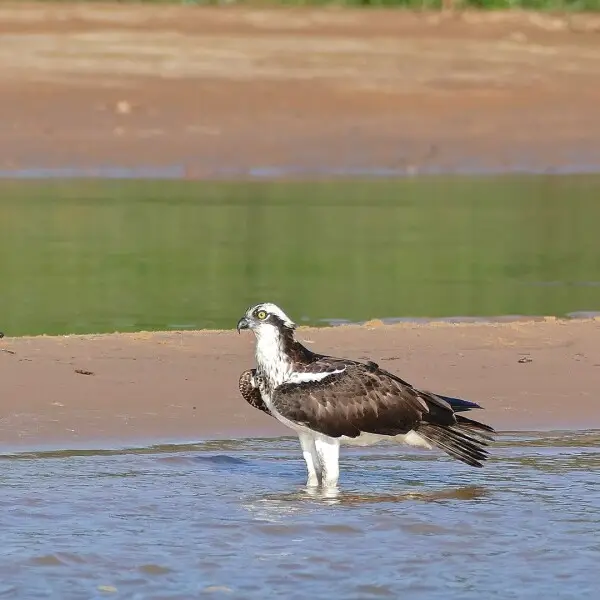
Burkina Faso, in West Africa, has an impressive diversity of birds. In 2018, 450 bird species were recorded, which places it 77th in the world for number of species.
Although it has no endemic bird species, 12 of its species are endangered. Among the country’s most notable birds is the osprey, a species that lives along the region’s rivers and lakes.
Fish and amphibians of Burkina Faso
Burkina Faso has rich biodiversity, with 23 amphibian species and 123 fish species. The country ranks 74th in the world for number of amphibian species and 187th for fish species.
It is also worth noting that 4 fish species are threatened. It is important to preserve these natural resources.
Mammals of Burkina Faso
Burkina Faso had 9 threatened mammal species in 2016 but no endemic mammals in 2020, ranking 86th in the world. Even so, its wildlife is a great natural resource for the country, and the African elephant is one of the most emblematic and representative species of the region.
Reptiles of Burkina Faso
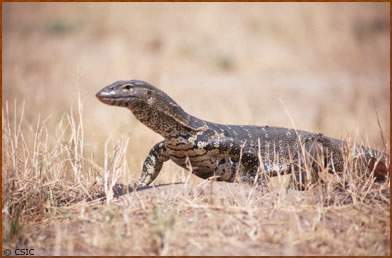
Burkina Faso has a rich diversity of reptiles, with a total of 81 species recorded in 2019. The country ranks 84th in the world for number of reptile species.
These animals are an important resource for the country’s biodiversity, and the flagship species is the Nile monitor.
Plants of Burkina Faso
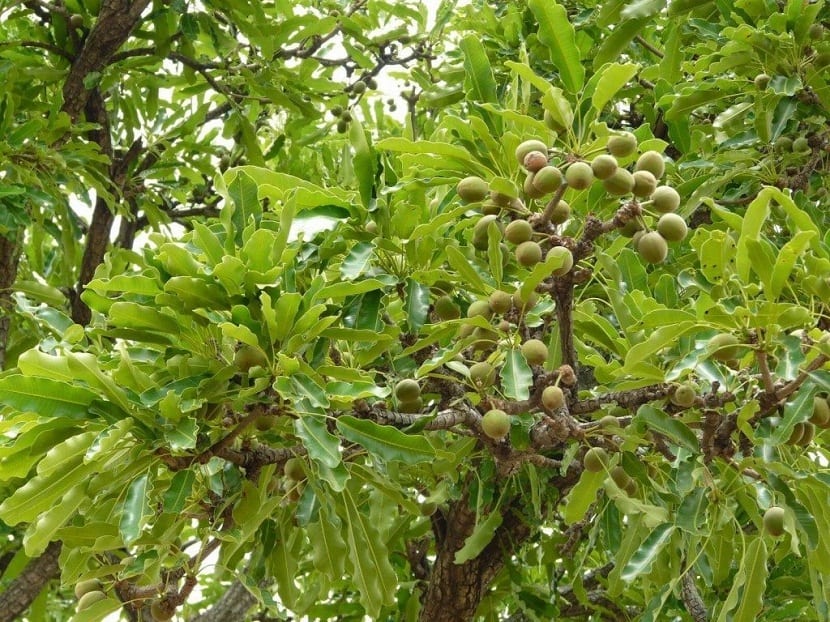
Burkina Faso has a rich diversity of vascular plants, with a total of 879 species recorded in 2020. It ranks 103rd for number of vascular plant species, which suggests there is still much to discover and study in this African country.
Burkina Faso’s flagship plant species is the shea tree, whose nuts are used to produce shea butter, a key ingredient in the cosmetics industry.
Organizations that protect or study Burkina Faso’s natural resources
- World Resources Institute – Works in Burkina Faso to improve natural resource management and reduce poverty.
- International Union for Conservation of Nature – Works in Burkina Faso to protect biodiversity and ecosystems.
- World Wide Fund for Nature – Works in Burkina Faso to protect wildlife and wild plants and promote sustainable practices.
- Food and Agriculture Organization of the United Nations – Works in Burkina Faso to improve natural resource management and food security.
- CARE International – Works in Burkina Faso to strengthen communities’ resilience to climate change and soil degradation.
- African Development Bank – Works in Burkina Faso to finance sustainable development and environmental protection projects.
- German Agency for International Cooperation (GIZ) – Works in Burkina Faso to promote sustainable natural resource management and climate change adaptation.
Gold is by far Burkina Faso’s export engine: in 2024 it accounted for 69.6% of the country’s exports, and the mining sector contributed 15.1% of GDP (EITI Burkina Faso, 2024). In 2012 the country became Africa’s fourth-largest gold producer (Mining industry of Burkina Faso, Wikipedia).
Gold: industrial and artisanal mining
Gold production rose from 39 tonnes in 2016 to 67 tonnes in 2021, with 13 mining projects in production by around 2020 (EITI Burkina Faso). Alongside these industrial mines there is a swarm of small-scale operations: in 2012 there were hundreds of artisanal mines scattered across the country (Mining industry of Burkina Faso, Wikipedia).
Cotton, the “white gold”
According to a World Bank report from December 2018, cotton had become Burkina Faso’s most important cash crop. That same year the country harvested some 482,000 tonnes of cotton, which ranks, together with gold, livestock and sesame, among its main exports (Economy of Burkina Faso, Wikipedia, 2018).
Sesame, cowpeas and livestock
The agricultural export basket goes beyond cotton. In 2018 Burkina Faso produced 253,000 tonnes of sesame, the eighth-largest volume in the world, and 630,000 tonnes of cowpeas, making it the world’s third-largest producer, behind only Niger and Nigeria. Livestock completes the export list; exports totaled $5,870 million in 2023 (Economy of Burkina Faso, Wikipedia).
Sources used
- Lists of countries by mineral production
- Economic data by country
- Forest area (km²)
- Forest area (% of land area)
- Arable land area (km²)
- Water and agriculture statistics
- Precipitation (mm)
- Environmental Performance Index
- CO2 emissions (tonnes per capita)
- Bird species
- Amphibian species by country
- Mammal species
- Endemic mammal species
- Plant species
- Reptile species by country
- Endemic bird species by country
Last updated: September 26, 2026
Leave a Reply