

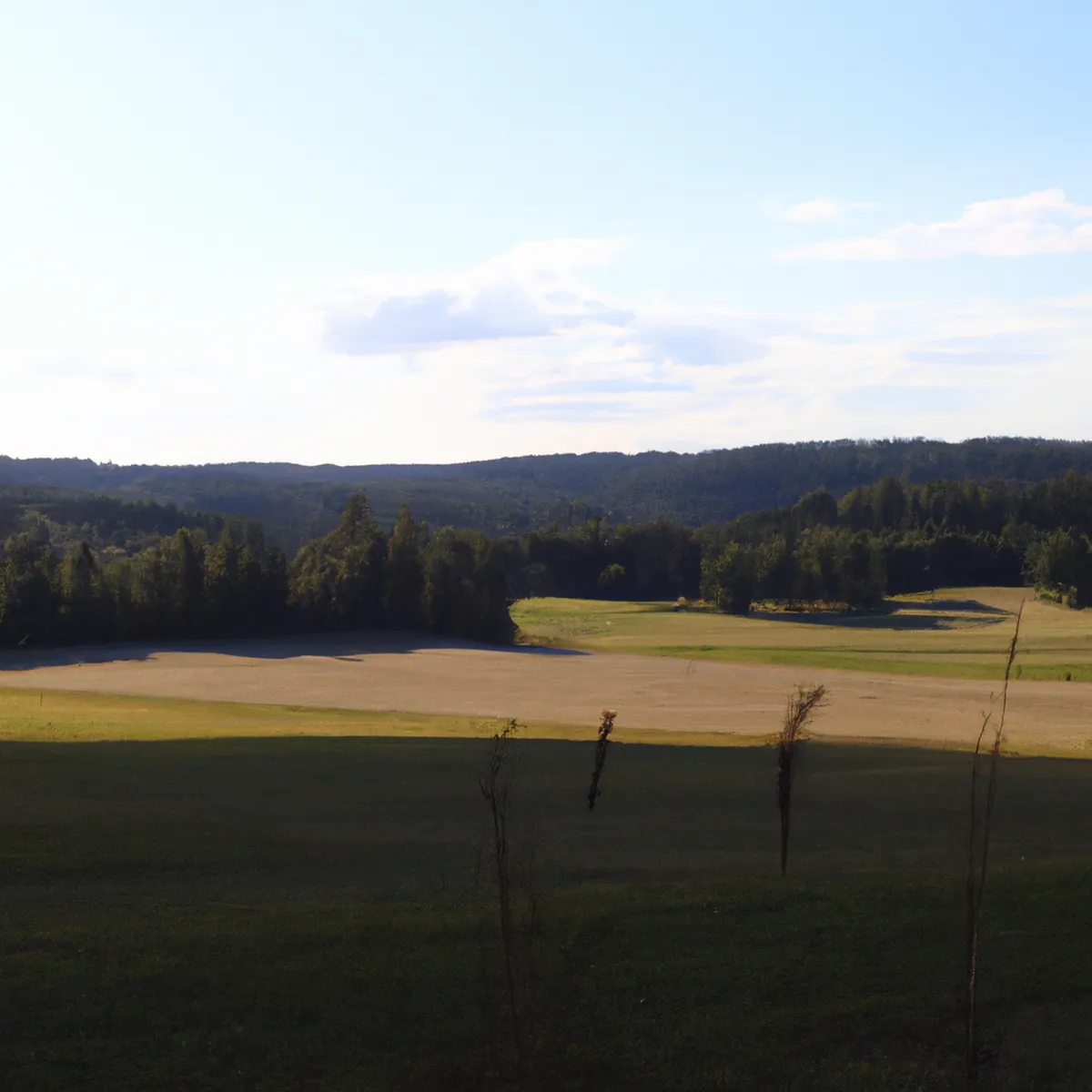
Sweden’s natural resources combine world-class mineral deposits, vast boreal timber reserves, and a virtually decarbonized energy system. How rich is Sweden in mineral resources? The country produces roughly 29 million tonnes of iron ore annually (USGS 2023)—representing around 90% of total European Union extraction—alongside 120,000 tonnes of aluminum, 174 km³ of freshwater, and over 68% forest coverage.
Sweden, the largest Scandinavian nation, is celebrated for its pristine wilderness, deep taiga woodlands, and rich geological heritage. Sweden’s natural resources form the historical backbone of its industrial power and sustainable modern economy.
Contents
From the immense iron ore formations of Lapland to glaciated river systems and vast boreal timber tracts, Sweden possesses an extraordinary abundance of natural capital. Coupled with rigorous environmental governance, the nation balances intensive industrial extraction with world-leading ecological conservation.
What are Sweden’s most strategic natural resources? How extensive are its mineral reserves, and where does it stand in global mining rankings? What water capacity drives its clean power grid, and how does the country manage its wildlife and boreal ecosystems?
To compare Sweden with its regional neighbors, read our synthesis of Europe’s natural resources and browse our global directory of natural resources by country.
Natural Resources
Natural resources are raw materials and natural energy flows provided by the Earth that sustain modern civilization, industry, and human welfare.
- Renewable resources: Replenish through natural biological or physical cycles faster than their rate of consumption, including river runoff for hydropower, wind energy, solar radiation, biomass, and living ecosystems.
- Non-renewable resources: Finite geological assets that took millions of years to form and do not regenerate on human timescales, including coal, oil, and metallic mineral resources.
Examples of Sweden’s Main Natural Resources
Sweden in Figures: Water and Energy
Freshwater availability and the share of renewables in electricity generation.
| Renewable freshwater per capita | 16,306 m³ per year2022 |
|---|---|
| Renewable electricity share | 67.4 % of total generation2021 |
| Forest cover | 68.7 % of territory2023 |
| Protected terrestrial area | 15.8 % of territory2025 |
| Land area | 407,270 km²2023 |
| Threatened species | 49 mammals, birds, fish and plants2022 |
Examples of Sweden’s Mineral Resources
Sweden holds roughly 5 million tonnes of proven coal reserves as recorded in 2023, located in Skåne in southern Sweden, though fossil fuel mining remains negligible in its energy policy.
In 2019, Sweden manufactured approximately 120,000 tonnes of primary aluminum, ranking 29th worldwide. Primary processing facilities in Sundsvall leverage clean electricity supplies.
Most importantly, Sweden produces approximately 29 million tonnes of iron ore annually (USGS, 2023), placing it 11th globally. The iron mines of Norrbotten County—anchored by the state mining enterprise LKAB in Kiruna and Malmberget—supply the vast majority of iron ore mined within the European Union. Explore our in-depth study of global mineral resources.
Water Resources of Sweden
Sweden possessed an estimated renewable potable freshwater reserve of 174 km³ in 2020, positioning it 41st globally. The country’s post-glacial landscape is endowed with tens of thousands of pristine freshwater lakes and high-volume boreal rivers, led by the Göta älv and the Torne älv, alongside Lake Vänern—Europe’s third-largest lake spanning 5,650 km². Learn more about water resource management in our guide to water resources.

High water quality and rigorous environmental regulations ensure exceptional municipal water standards and support large-scale industrial processing with minimal aquatic degradation.
Average Rainfall and Soils of Sweden
Sweden records an average annual precipitation of 624 mm, placing it 110th in global precipitation rankings. Podzolic and glacial till soils predominate across the boreal zone, while southern regions (such as Skåne) boast highly fertile agricultural loam.
Renewable Electricity and Hydropower Production in Sweden
In 2025, Sweden generated 121.5 TWh of renewable electricity—71% of its total generation of 170.3 TWh—with hydropower providing 68.2 TWh of baseline dispatchable power (Ember, 2025). Major hydroelectric power stations along northern rivers—led by the Harsprånget facility on the Lule River (generating capacity of 811 MW)—serve as the backbone of the clean power grid. Explore energy transitions in our complete guide to energy resources.

Forest Resources of Sweden
Sweden possesses immense forest wealth, centered across the expansive Norrland taiga. According to the World Bank (2023), forest cover extends across 68.7% of its total land area, encompassing 279,800 km².
Globally, Sweden ranks 20th in total forest area, sustaining one of the world’s leading timber, pulp, and paper export industries under mandatory reforestation mandates. For details on sustainable forestry practices, see our overview of forest resources.
Environmental Performance and Protection of Sweden’s Natural Resources
Sweden achieved an outstanding score of 70.3 on the 2024 Environmental Performance Index, ranking 6th worldwide among 180 countries (Yale EPI 2024). Protected terrestrial areas encompass 15.8% of national territory, underscoring its long-standing dedication to conservation.
Natural Parks of Sweden: The Hidden Wealth of Natural Resources
Biodiversity: Animal and Plant Resources of Sweden
Birds of Sweden
Sweden documents 277 bird species, ranking 133rd globally. Intact boreal tracts and coastal archipelagos support major populations of the golden eagle (Aquila chrysaetos), white-tailed eagle, and capercaillie.
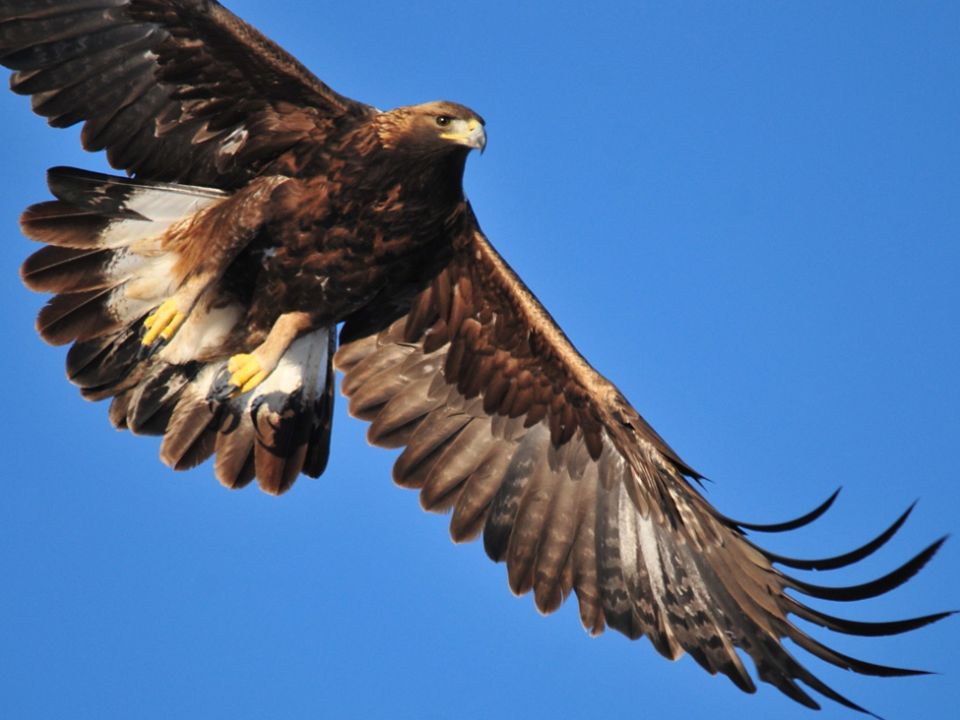
However, 11 species are threatened due to modern intensive forestry practices and habitat changes, prompting national biodiversity recovery plans.
Fish and Amphibians of Sweden
Official wildlife records list 13 amphibian species (ranking 84th globally) and 246 fish species (ranking 163rd). High-latitude freshwater ecosystems support Arctic char, pike, perch, and Atlantic salmon.
Reptiles of Sweden
Owing to cold Nordic winters, Sweden records 7 reptile species (ranking 136th globally). The common European adder (Vipera berus) is the most widespread reptile across sunny forest edges and heathlands.
Organizations Protecting and Studying Sweden’s Natural Resources
- Naturvårdsverket (Swedish EPA): Government agency responsible for nature conservation, climate goals, and environmental regulation.
- WWF Sweden: International NGO advocating for Baltic Sea restoration, forest biodiversity, and climate action.
- Swedish Society for Nature Conservation (Naturskyddsföreningen): Sweden’s largest environmental NGO protecting ancient forests and water quality.
- Swedish University of Agricultural Sciences (SLU): Leading research university in sustainable silviculture, soil sciences, and bioeconomy.
- Sveaskog: State-owned forestry enterprise managing 3 million hectares of productive commercial woodlands.
- Swedish Forest Industries Association (Skogsindustrierna): Promotes sustainable forest management and wood-product innovation.
Beneath the subarctic city of Kiruna in northern Sweden lies the world’s largest underground iron ore mine, operated by state-owned LKAB (LKAB, 2025). This monumental deposit underpins Sweden’s enduring European mining leadership.
Iron Ore: Powering Almost All European Extraction
Sweden accounts for 60% of Europe’s identified iron ore reserves and, in 2021, generated roughly 90% of total European Union iron ore extraction (Mining in Sweden, 2021). In 2023, LKAB discovered the Per Geijer deposit near Kiruna—containing over 1 million tonnes of rare earth oxides, making it the largest identified rare earths deposit in Europe (LKAB, 2023).
Forests Covering Over Two-Thirds of the Nation
Forest stands covered 68.7% of Swedish land area in 2023, anchoring a multi-billion dollar export industry in engineered timber and wood pulp (World Bank / FAO, 2023). This proportion ranks Sweden among Europe’s most heavily forested nations and has grown steadily over the last century.
An Over 98% Fossil-Free Electric Grid
Over 98% of Sweden’s electricity is derived from non-fossil sources. Hydropower delivers over 40% of total generation, nuclear energy supplies roughly 25%, and onshore wind delivers approximately 25% (Low Carbon Power, 2026), creating one of the lowest-carbon industrial power supplies on Earth.
Frequently Asked Questions
What is Sweden’s most prominent natural resource? Iron ore: Sweden produces around 90% of all iron ore extracted in the European Union and operates the world’s premier underground iron mine in Kiruna (Mining in Sweden, 2021).
Where does Sweden rank in global environmental performance? Sweden ranks 6th globally on the 2024 Yale Environmental Performance Index with an overall score of 70.3 out of 100 (Yale EPI, 2024).
Authoritative Data Sources Used
- Annex: Countries by mineral production – Wikipedia
- Economic indicators by country – The Global Economy
- Forest area (km²) – World Bank
- Forest area as a percentage of land – World Bank
- Global coal reserves – Worldometers
- Water and agricultural statistics – FAO AQUASTAT
- Mean annual precipitation (mm) – World Bank
- Environmental Performance Index (EPI) – Yale University
- Avian species by country – Mongabay
- Amphibian species by country – Mongabay
- Vascular plant species by country – Mongabay
- Reptile species by country – Mongabay
- Endemic bird species by country – Our World in Data
Svenska kraftnät, Sweden’s electricity transmission system operator, reported in 2023 that over 98% of the country’s electricity comes from non-fossil sources, primarily hydroelectricity and nuclear power.
Last updated: September 26, 2026

Leave a Reply