


Dominica’s natural resources rest on its forests, fertile soils and rich Caribbean biodiversity. What are Dominica’s most important natural resources? Forests cover 63.83% of the island, average rainfall is 2,083 mm, and it is home to 501 fish species, along with the emblematic imperial parrot.
Dominica is a Caribbean island with rich biodiversity and a unique geography. Its natural resources include a variety of plant and animal species, as well as forests and farmland.
Table de contenidos
The island also has mineral and energy resources. Although managing Dominica’s natural resources poses many challenges, the country is working to develop sustainable solutions.
What are Dominica’s most important natural resources? What natural wealth does this country have? What are its mineral resources, and how does it rank globally? What is its land used for, and how is biodiversity protected here?
Natural resources
Natural resources are materials or energy sources provided by or found on Earth that are useful to humans. Every product we manufacture is made up of natural resources.
- Renewable resources: these can be restored by natural processes faster than the rate at which they are consumed. Examples include solar radiation, wind, hydroelectric power, water when used properly, and plant and animal life.
- Non-renewable resources: once extracted, these are depleted and cannot regenerate. Examples include hydrocarbons, metals and minerals.
Examples of Dominica’s main natural resources
Dominica’s environmental record
What international indicators say about the country’s conservation.
| Protected land area | 21.4% of land area2025 |
|---|---|
| Marine protected areas | 0.1% of its waters2025 |
| Forest cover | 63.8% of land area2023 |
| Threatened species | 79 mammals, birds, fish and plants2022 |
| Renewable electricity | 20.3% of total generation2021 |
| Land area | 750 km²2023 |
Average rainfall and soils of Dominica
Dominica has an average annual rainfall of 2,083 mm, which places it 24th in the world for rainfall. Because of this high humidity, Dominica’s soils are generally very fertile and rich in nutrients, making them ideal for agriculture and food production.
The humidity also helps preserve the country’s plant and animal life, which makes it a popular tourist destination.
Renewable electricity and hydropower production in Dominica
In 2023, Dominica generated about 20 GWh of electricity from renewable sources, all of it hydropower — roughly 13% of its total generation of about 150 GWh (Ember, 2023). Its hydroelectric plants include those at Laudat and Trafalgar, near Morne Trois Pitons National Park.
Forest resources of Dominica
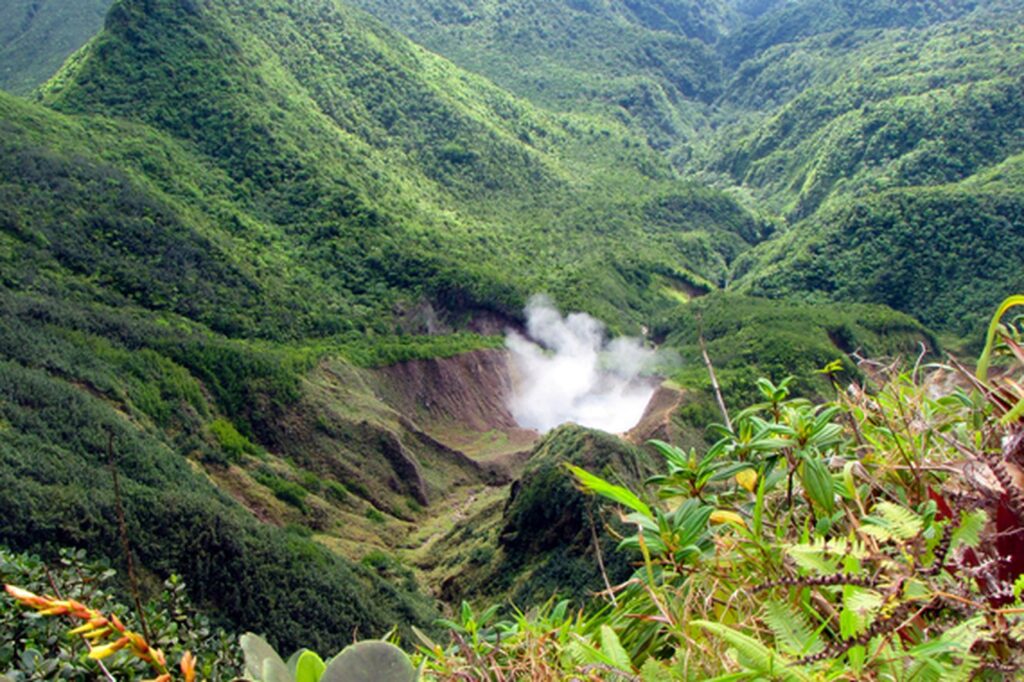
Dominica has an important forest region known as the Morne Trois Pitons rainforest. In 2020, the island’s forest area reached 63.83% of its land area, equivalent to 478.7 km².
Environmental performance and protection of Dominica’s natural resources
Dominica’s Environmental Performance Index (EPI 2024, Yale University) score is 49.3, placing it 65th on the index. Protected areas cover 21.4% of its land area; counting marine waters as well, terrestrial and marine protected areas make up 0.6% of its total territorial area (World Bank, 2025).
Natural parks of Dominica: the hidden wealth of natural resources
Biodiversity: animal and plant resources of Dominica
Birds of Dominica
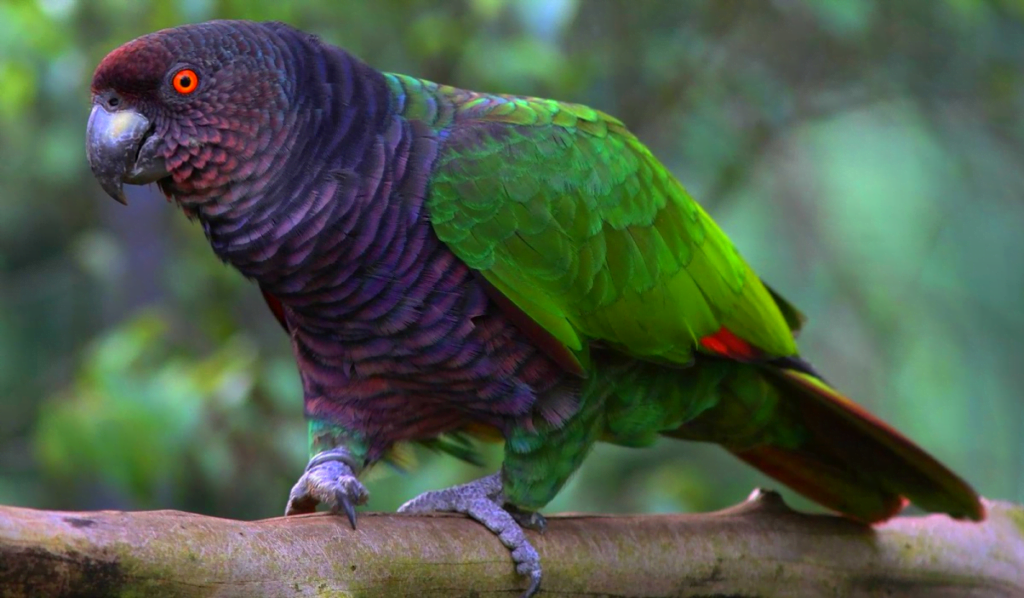
Dominica has a rich diversity of birds, with a total of 206 species recorded in 2018, ranking 158th in the world.
However, 7 of these species are endangered, so it is essential to protect and conserve this valuable natural resource. Among Dominica’s most notable bird species is the imperial parrot, an emblematic species of the country.
Fish and amphibians of Dominica
Dominica has 4 amphibian species and 501 fish species; notable among the amphibians is the mountain chicken (Leptodactylus fallax), a critically endangered frog native to Dominica and Montserrat. The country ranks 93rd in the world for number of amphibian species and 116th for fish species, and it faces the threat of 31 endangered fish species.
Reptiles of Dominica
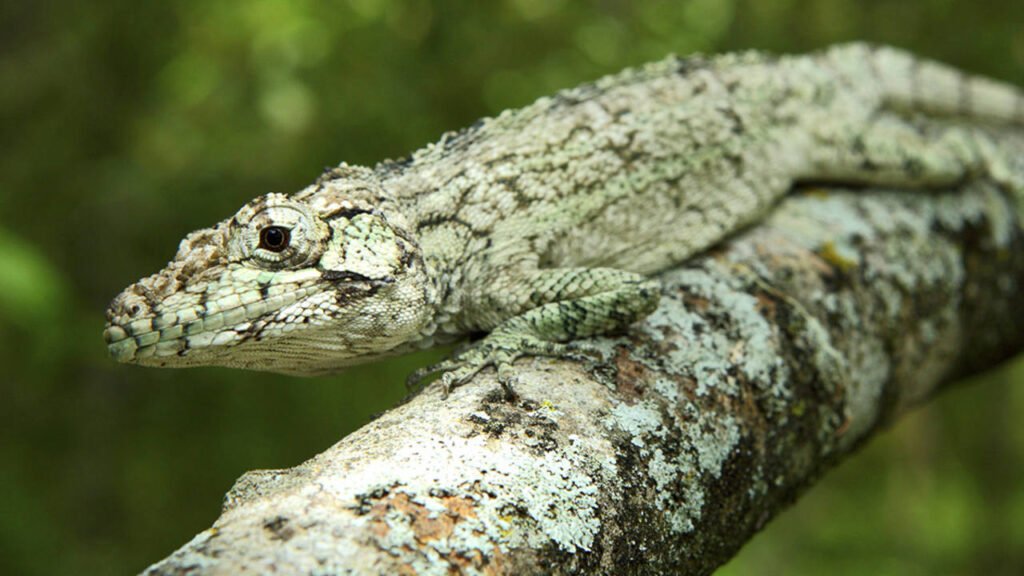
Dominica has 19 reptile species, ranking 124th in the world. This natural resource is very important for the island; its main species is the Dominica anole (Anolis oculatus), which is endemic to the island and is an attraction for visitors interested in local wildlife.
Organizations that protect or study Dominica’s natural resources
- Forestry, Wildlife and Parks Division: Manages forests, wildlife and national parks, and conserves plants and animals.
- Environmental Coordinating Unit (ECU): Coordinates Dominica’s national environmental policy and international environmental agreements.
- Dominica National Conservation Trust Fund: Funds projects to conserve Dominica’s terrestrial and marine biodiversity.
- WildDominique: Dominica-based NGO dedicated to environmental education, research and species preservation.
- Caribbean Natural Resources Institute (CANARI): Caribbean institute that promotes participatory management of renewable natural resources.
Dominica’s Boiling Lake is the second-largest flooded fumarole in the world, surpassed only by Frying Pan Lake in New Zealand: it measures between 60 and 75 meters across, and its water ranges from about 82 to 92 °C at the edges, with an even hotter center where water boils up from the volcanic subsoil (Boiling Lake, Wikipedia). That same volcanic heat is now the country’s biggest energy bet.
Geothermal energy: power from the volcano
Dominica is developing its first geothermal power plant, a 10 MW facility at Laudat in the Roseau Valley, led by Ormat Technologies. The project secured about $34 million in financing, with participation from the Caribbean Development Bank (CDB), and moved through commissioning phases between late 2025 and 2026 (ThinkGeoEnergy, 2025-2026). The aim is to harness the island’s volcanism to displace diesel generation.
365 rivers: water as a resource
The island, nicknamed the “Nature Island,” boasts 365 rivers, one for every day of the year (Dominica, Wikipedia). Much of that flow originates in Morne Trois Pitons National Park, about 7,000 hectares inscribed by UNESCO as a World Heritage Site in 1997 (Morne Trois Pitons, Wikipedia, 1997). These waters also feed the Trafalgar hydroelectric plant.
Bananas, agriculture and fishing
Bananas were the export engine: in 2006 they accounted for about 50% of merchandise exports worth $94 million f.o.b. (Economy of Dominica, Wikipedia). Agriculture accounts for around 20% of GDP and employs about 40% of the workforce. Fishing is more modest: the catch rose from 552 tonnes in 1991 to 1,150 tonnes in 2000.
Sources used
- Forest area (km²) – World Bank
- Forest area (% of land area) – World Bank
- Arable land area (km²) – World Bank
- Water and agriculture statistics – FAO
- Precipitation (mm) – World Bank
- Environmental Performance Index – Environmental Performance Index
- CO2 emissions (tonnes per capita) – World Bank
- Bird species – Mongabay
- Amphibian species by country – Mongabay
- Plant species – Mongabay
- Reptile species by country – Mongabay
- Endemic bird species by country – Our World in Data
The Organisation of Eastern Caribbean States (OECS) highlighted Dominica’s plans to become the world’s first nation with 100% renewable electricity from geothermal energy.
Last updated: September 26, 2026
Leave a Reply