

Inexhaustible natural resources (or continuous resources) are planetary energy flows that do not diminish or deplete on any timescale relevant to humanity, including solar radiation, wind currents, geothermal heat, and tidal dynamics. Unlike replenishable biological resources (such as timber or fish stocks), inexhaustible flows cannot be over-harvested into extinction. However, a critical physical reality governs their utilization: a persistent energy flow does not mean unlimited usable power. Human energy supply is strictly constrained by conversion hardware, land surface area, energy density, and mineral requirements. What are the major inexhaustible resources, and what physical limits dictate their real-world capture?
In the transition toward sustainable civilization, inexhaustible natural resources represent the ultimate destination. For two centuries, industrial progress operated under an extractive paradigm, digging finite chemical and metallic stocks from the Earth’s crust. Shifting human power generation to continuous celestial and terrestrial flows allows society to decouple economic prosperity from planetary depletion.
Table de contenidos
Yet widespread misconceptions surround the concept of “inexhaustible.” While the sun will radiate photons for another 5 billion years and Earth’s core will radiate heat for geological eons, the rate at which human technology can harvest, store, and distribute this energy is bound by strict laws of physics, material chemistry, and thermodynamics. Understanding the distinction between boundless natural flows and finite technological capture is essential for realistic energy planning.
Renewable vs. Inexhaustible: A Critical Scientific Nuance
While standard textbooks often use the terms interchangeably, ecological economists and environmental scientists establish a clear distinction:
- Renewable Biological Resources (Replenishable Stocks): Biomass, agricultural soil, timber forests, and wild fisheries. These resources regenerate through biological cycles. However, if humans harvest them beyond their biological threshold (carrying capacity), their reproductive base collapses. A fishery can be fished to commercial extinction; a fertile topsoil layer can erode into desert. They are renewable, but exhaustible if mismanaged.
- Inexhaustible Natural Resources (Continuous Flows): Planetary energy streams driven by nuclear fusion in the sun, planetary rotation, atmospheric thermodynamics, and deep radioactivity inside Earth’s core. Harnessing a terawatt of solar radiation in a desert does not reduce the amount of sunlight that hits the desert tomorrow. They are truly inexhaustible flows.
The Four Major Inexhaustible Natural Resources
Human technology harnesses four primary continuous planetary energy flows:
1. Solar Radiation
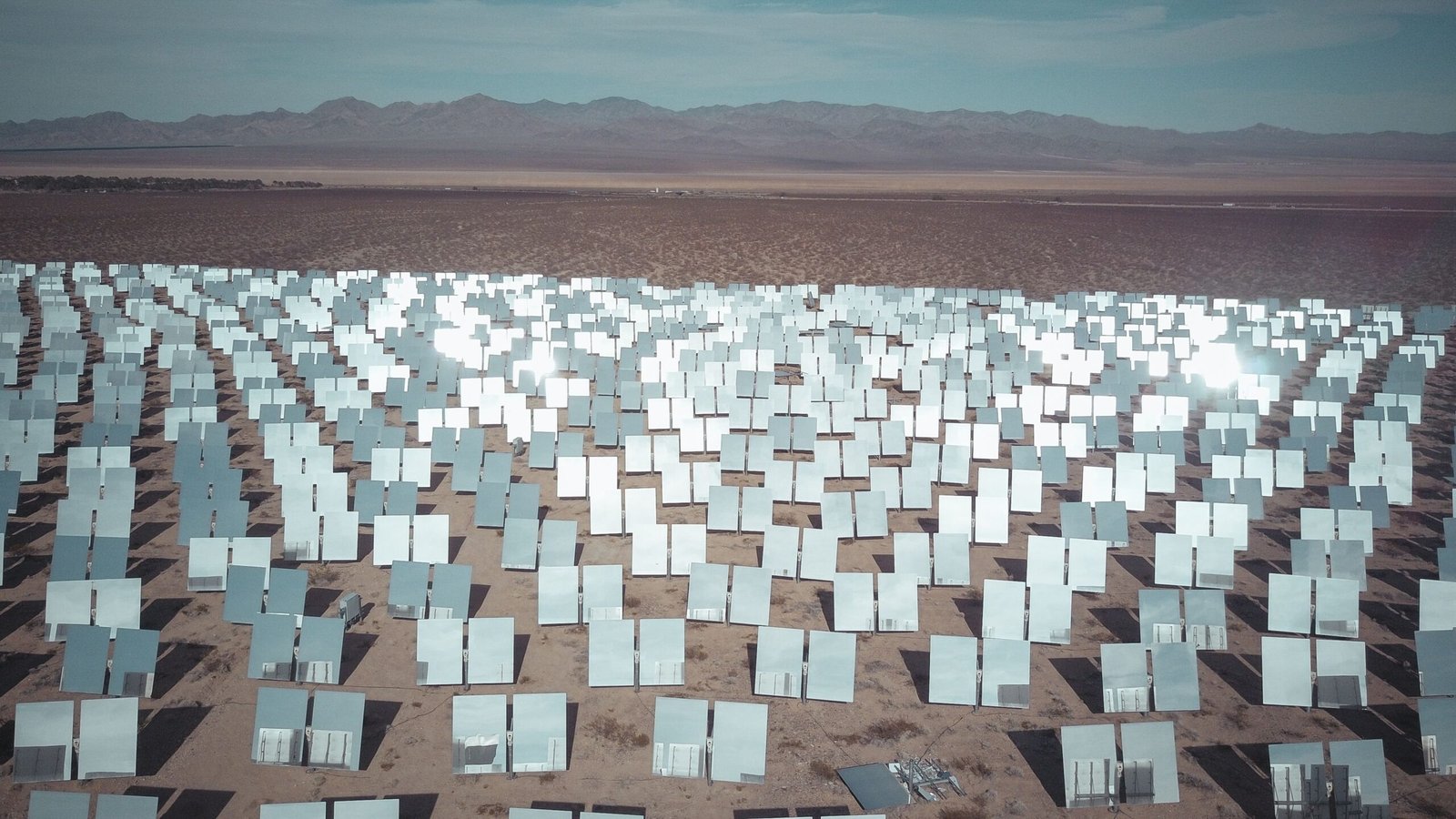
The sun strikes the Earth’s atmosphere with an average solar irradiance of roughly 1,361 watts per square meter (the solar constant). Even after atmospheric absorption and reflection, the Earth receives approximately 173,000 terawatts (TW) of solar power continuously—more than 10,000 times the total primary energy consumption of all human civilization combined. Photovoltaic (PV) cells convert photons directly into electric current, while concentrated solar power (CSP) mirrors focus thermal heat to spin steam turbines.
2. Wind Currents
Wind is indirect solar energy: differential heating of Earth’s curved surface by the sun, combined with the Coriolis effect from planetary rotation, creates massive atmospheric convection currents. Modern utility-scale wind turbines harness this kinetic energy, operating with single-turbine capacities exceeding 15 megawatts (MW) in offshore environments.

3. Geothermal Heat Flow
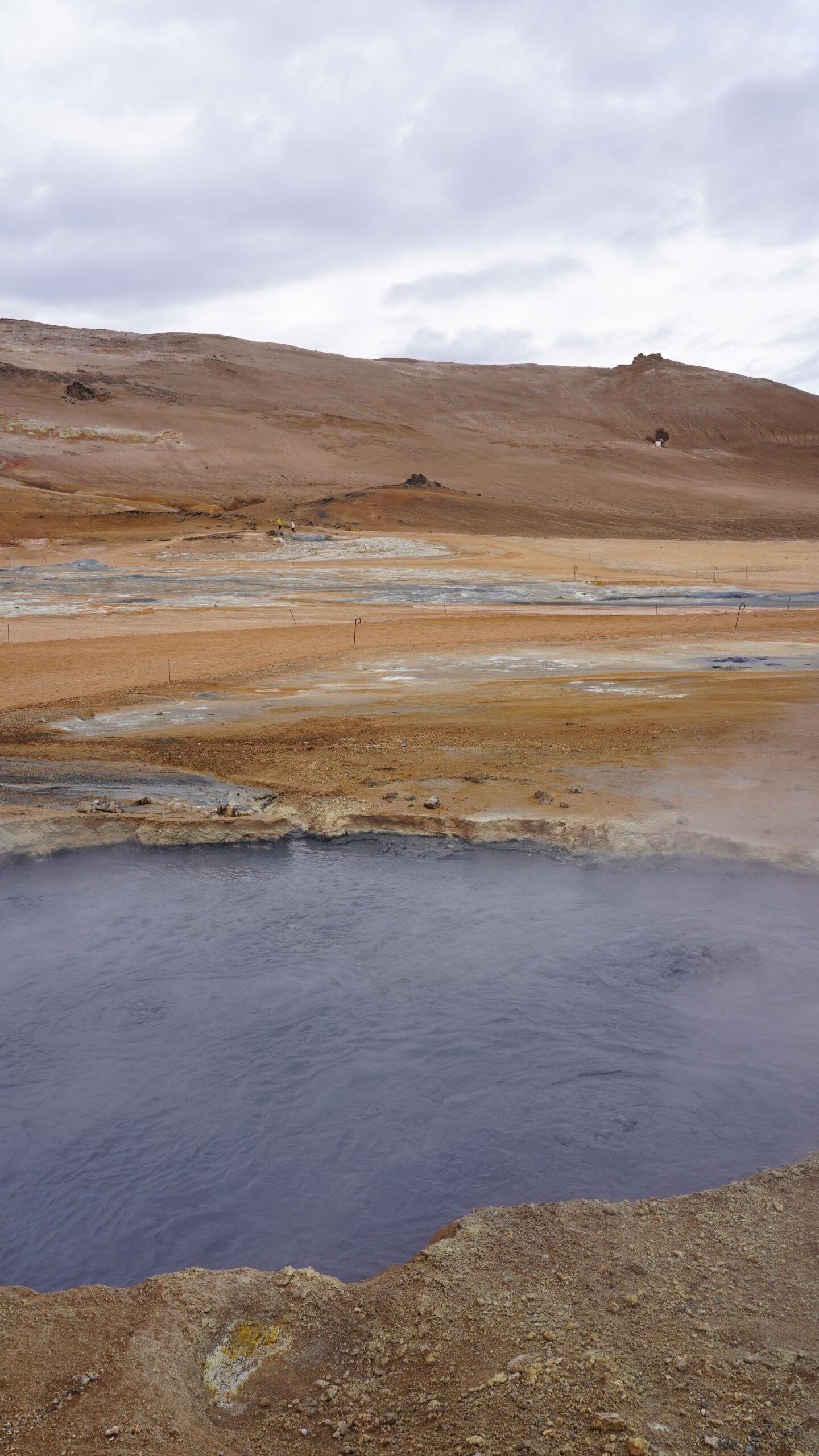
Originating from primordial planetary accretion heat and the ongoing radioactive decay of isotopes (uranium, thorium, potassium) within Earth’s mantle and crust. In volcanic and tectonic rift zones—such as Iceland, Kenya’s Great Rift Valley, and the Pacific Ring of Fire—geothermal reservoirs provide firm, baseload clean electricity and direct district heating 24 hours a day, 365 days a year.
4. Tidal and Marine Kinetic Dynamics
Tides are driven by the gravitational pull of the moon and sun on Earth’s rotating oceans. Tidal barrages and underwater tidal stream turbines generate highly predictable power based on lunar cycles, unaffected by weather or seasonal drought.
The Physical Limits of Capture: Why Continuous Does Not Mean Unlimited
While the incoming flow of solar and wind energy is infinite on human timescales, our ability to transform it into usable work is strictly limited by thermodynamic and material constraints:
| Physical / Technical Constraint | Scientific Mechanism | Practical Implication for Energy Planning |
|---|---|---|
| 1. Low Power Density (Areal Footprint) | Fossil fuels and nuclear reactors produce 1,000 to 10,000 watts per square meter (W/m²). Solar arrays produce 10 to 25 W/m²; wind farms produce 2 to 3 W/m². | Harnessing gigawatt-scale inexhaustible energy requires vast surface acreage, competing with agricultural land, wildlife corridors, and urban zoning. |
| 2. Thermodynamic Efficiency Limits | The Shockley-Queisser limit caps single-junction silicon solar cell efficiency at ~33%. Betz’s Law caps wind turbine kinetic energy extraction at 59.3%. | Engineers cannot simply “make turbines twice as efficient.” Hardware output is constrained by fundamental physics, requiring more units rather than higher unit yields. |
| 3. Material and Mineral Intensity | Inexhaustible power requires zero fuel during operation, but requires massive mineral infrastructure to capture diffuse energy flows. | Building solar farms, wind turbines, and grid battery storage consumes immense quantities of non-renewable mineral resources: copper, polysilicon, rare earth permanent magnets, lithium, and steel. |
| 4. Temporal Intermittency & Grid Storage | Solar generation drops to zero at night; wind speeds fluctuate with regional weather fronts. | Inexhaustible generation requires utility-scale battery storage, pumped hydro storage, and continent-wide transmission grids to balance supply against human demand. |

Global Expansion: Tracking Inexhaustible Capacity
According to the International Renewable Energy Agency (IRENA), global renewable generation capacity reached 3,870 GW by 2024, with solar photovoltaics and wind turbines accounting for nearly 85% of all new power installations worldwide. Developing domestic inexhaustible resources provides nations with three profound strategic advantages:
- Permanent Energy Independence: No foreign cartel can embargo sunlight or shut off the wind.
- Zero Operating Fuel Price Volatility: Once capital equipment is financed and built, fuel costs are permanently zero.
- Zero Air Pollution and Carbon Emissions: Operating inexhaustible generators releases zero particulate matter, mercury, or greenhouse gases, dramatically improving public health and climate stability.
To explore how nations around the world are deploying solar, wind, and geothermal power, consult our comprehensive Natural Resources by Country directory.
Authoritative Data Sources Used
The physical constants, capacity figures, and technological benchmarks in this analysis are sourced from primary research institutions:
- International Renewable Energy Agency (IRENA): Renewable Capacity Statistics (Annual).
- National Renewable Energy Laboratory (NREL): Photovoltaic Research and Cell Efficiency Records.
- International Energy Agency (IEA): Renewables Market Report.
- United States Geological Survey (USGS): Energy Resources Program.
- Learn about our strict factual verification process in our Research Methodology and Official Sources.

Leave a Reply