

Forest resources encompass the biomass, biodiversity, and ecosystem services provided by the world’s 4.06 billion hectares of forest (covering ~31% of Earth’s land surface). They supply tangible timber products (industrial roundwood, sawnwood) and essential non-timber forest products (fruits, nuts, medicinal resins), while providing vital regulatory services—such as sequestering ~2.4 billion tonnes of carbon annually and regulating continental water cycles. However, forests are only conditionally renewable: when clear-cutting exceeds sustainable biological growth cycles, primary forest loss becomes functionally irreversible. What are the types, economic uses, and ecological limits of forest resources?
Forests are the most biodiverse terrestrial ecosystems on the planet, harboring over 80% of all land-based plant, animal, and insect species. In resource economics, forest capital occupies a distinctive position: forests simultaneously serve as an industrial raw material source and as the planetary biosphere’s primary regulatory organ. Balancing these dual roles is one of the central challenges of global sustainable development.
Table de contenidos
According to the Food and Agriculture Organization (FAO) Global Forest Resources Assessment, the world lost an estimated 420 million hectares of forest to deforestation between 1990 and 2020, primarily driven by agricultural expansion for cattle pasture, soy, and palm oil. While the global rate of net forest loss has decelerated in recent years, primary old-growth tropical rainforests continue to face acute pressures. Understanding how forest resources are structured, harvested, and renewed is vital for establishing sound conservation policies.
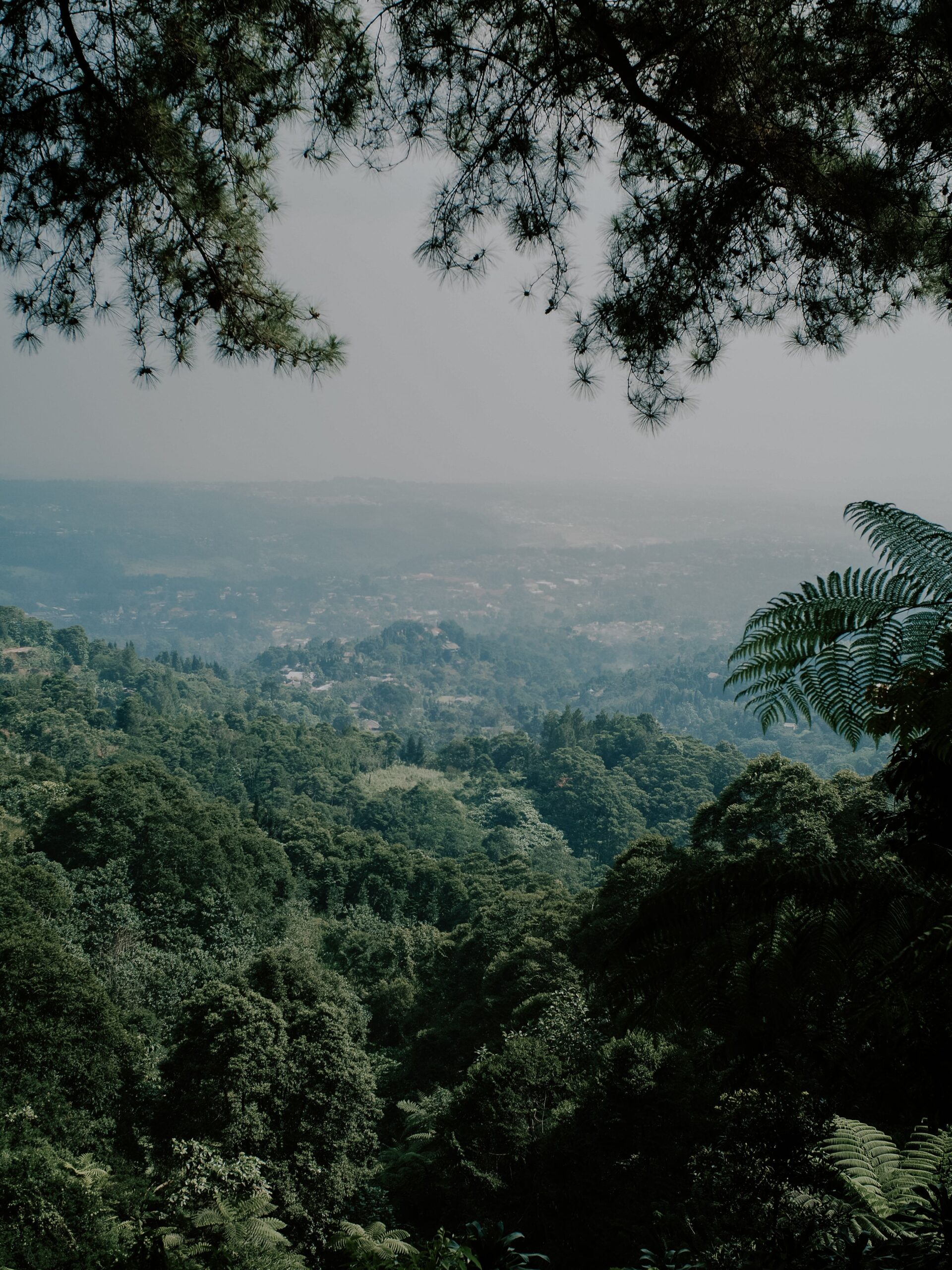
What Are Forest Resources?
In environmental science, forest resources include all organic components and physical flows found within forested ecosystems:
- Woody Biomass: Tree trunks, boughs, and bark harvested for structural lumber, engineered wood products, pulp for paper, and bioenergy feedstock.
- Non-Timber Forest Products (NTFPs): All biological goods other than industrial timber harvested from forests, including wild foods (mushrooms, berries, nuts), medicinal plant compounds, natural rubber, gums, essential oils, and floral foliage.
- Genetic Resources: The immense library of wild plant varieties and microbiological strains that provide genetic resilience to commercial crops and form the molecular basis for modern pharmaceuticals.
- Ecosystem Services: Environmental processes generated by standing forest ecosystems, including watershed filtration, precipitation recycling via evapotranspiration, soil retention against erosion, and atmospheric carbon regulation.
Major Forest Biomes: Structure and Geographical Distribution
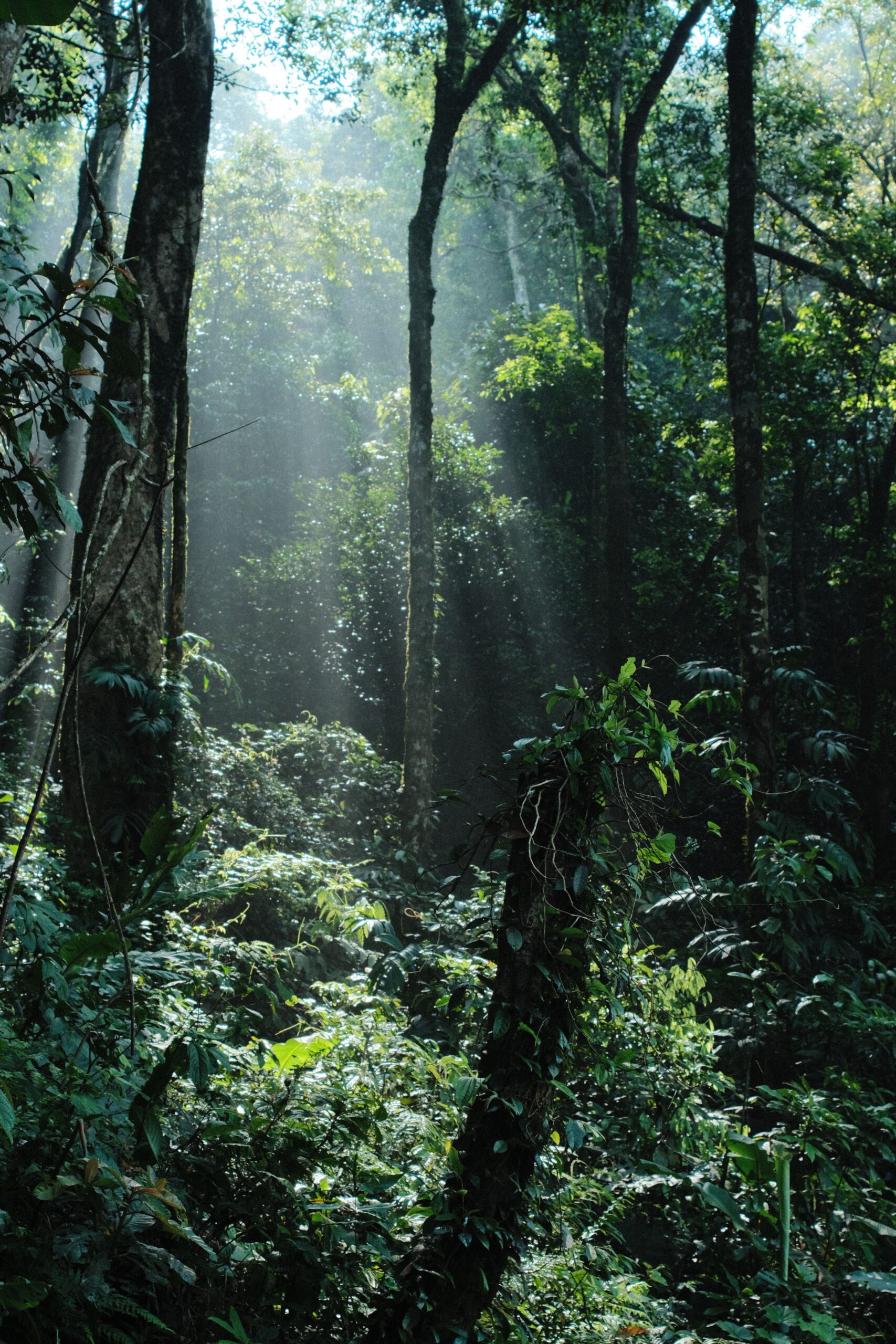
Global forests are categorized into four major ecological domains based on latitude, temperature, and rainfall patterns:
| Forest Biome | Global Share | Dominant Regions | Key Characteristics & Commercial Uses |
|---|---|---|---|
| Tropical Forests | 45% of world forests | Amazon Basin, Congo Basin, Southeast Asia | Highest biodiversity on Earth; multi-canopy structure; dense carbon storage; source of high-density hardwoods (teak, mahogany), rubber, and medicinal resins. |
| Boreal Forests (Taiga) | 27% of world forests | Russia, Canada, Alaska, Scandinavia | Cold-adapted coniferous species (spruce, pine, larch); massive soil peat carbon reservoirs; primary source of global softwood lumber and chemical paper pulp. |
| Temperate Forests | 16% of world forests | Eastern North America, Europe, East Asia | Mix of broadleaf deciduous trees (oak, beech, maple) and conifers; heavily integrated with historic human settlement; managed commercial forestry regimes. |
| Subtropical Forests | 11% of world forests | Southern South America, South Africa, Southern China | Transition ecosystems; susceptible to seasonal drought; high proportion of fast-growing commercial eucalyptus and pine plantations. |
Timber and Non-Timber Products: The Industrial Matrix
The economic utilization of forest biomass extends across traditional commodities and cutting-edge bio-economy products:
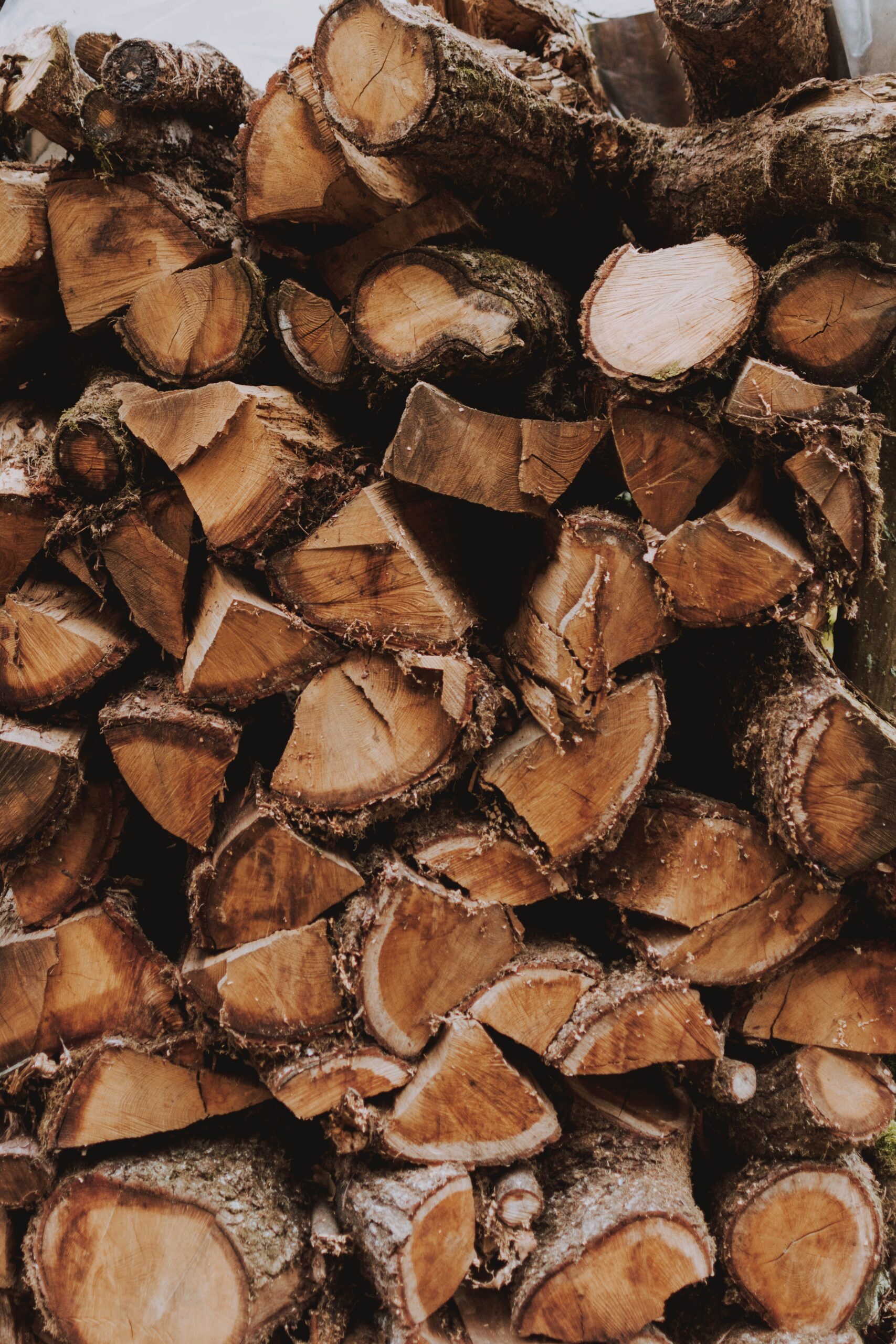
Timber and Wood Commodities
According to FAO forestry data, global production of roundwood exceeds 4 billion cubic meters annually, divided into industrial roundwood (for construction, plywood, cross-laminated timber, and paper packaging) and fuelwood (used directly for cooking and domestic heating by over 2.4 billion people). Modern mass timber and engineered wood products are emerging as sustainable substitutes for emissions-intensive steel and concrete in multistory urban architecture.
Non-Timber Forest Products (NTFPs) and Rural Livelihoods
The World Bank estimates that more than 1.6 billion people depend on forest resources for livelihoods, with hundreds of millions deriving subsistence income from NTFPs. In the Amazon, Brazil nut (Bertholletia excelsa) harvesting provides economic viability for forest-dwelling communities without requiring tree felling. In Southeast Asia, natural rubber extraction and bamboo agroforestry anchor rural employment.
Ecosystem Services and the Biological Limits of Renewal
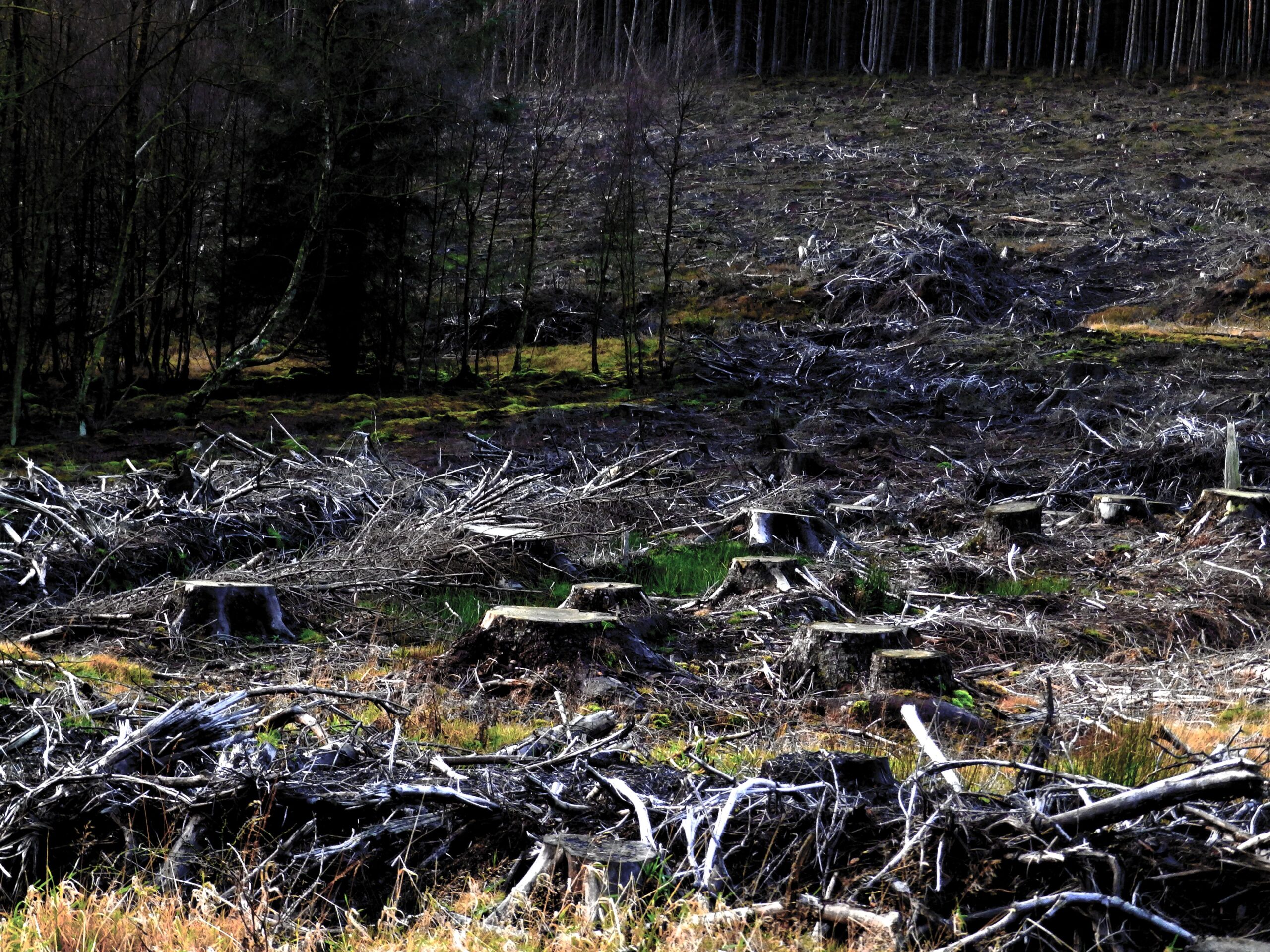
While wood is conventionally classified as a renewable natural resource, its renewability is subject to strict ecological limits that separate sustainable silviculture from irreversible ecosystem collapse:
- The Annual Allowable Cut: In sustainable forest management, the volume of timber removed must never exceed the mean annual increment (MAI) of the living forest stand. If harvesting exceeds annual growth, the forest capital is depleted.
- The Irreversibility of Primary Forest Destruction: A commercial plantation of eucalyptus or pine can regrow in 15 to 25 years, supplying fiber. However, a multi-tiered primary tropical rainforest requires 200 to 500 years to regenerate its complex ecological canopy, symbiotic mycorrhizal fungi networks, and endemic wildlife niches. For practical conservation purposes, primary old-growth forests must be managed as non-renewable ecological capital.
- Atmospheric “Flying Rivers”: In the Amazon Rainforest, a single large tree can pump up to 1,000 liters of water vapor into the atmosphere daily through evapotranspiration. These airborne moisture plumes—known as “flying rivers”—transport rain to the agricultural heartlands of southern Brazil, Argentina, and Paraguay. If tropical deforestation exceeds 20% to 25% of the biome, scientists warn the entire system could reach a tipping point, turning into degraded savanna.
Countries with the Largest Forest Reserves
Just five nations account for more than half (54%) of all forest area on Earth:
- Russia: Holds approximately 815 million hectares (~20% of the world total), primarily composed of Siberian boreal taiga.
- Brazil: Possesses roughly 497 million hectares (~12% of the world total), anchoring the majority of the Amazon basin and leading the planet in tropical biodiversity.
- Canada: Encompasses 347 million hectares (9%), with vast intact boreal tracts and certified sustainable pulp and lumber industries.
- United States: Accounts for 310 million hectares (8%), spanning diverse temperate broadleaf woodlands and Pacific Northwest conifer forests.
- China: Contains 220 million hectares (5%), having expanded its forested area significantly over the past three decades through the world’s largest afforestation programs (such as the Great Green Wall).
To examine detailed forest metrics and environmental balance sheets for over 160 sovereign states, explore our Natural Resources by Country directory.
Authoritative Data Sources Used
All forest cover statistics, harvest figures, and ecological findings cited in this guide are grounded in primary official monitoring publications:
- Food and Agriculture Organization (FAO): Global Forest Resources Assessment (FRA).
- World Resources Institute (WRI): Global Forest Watch Real-Time Monitoring Network.
- Intergovernmental Panel on Climate Change (IPCC): Special Report on Climate Change and Land.
- World Bank: World Development Indicators: Forest Area (% of Land Area).
- For details on our research verification protocols, consult our Research Methodology and Official Sources.

Leave a Reply