

The 17 Sustainable Development Goals (SDGs) are the global action plan that 193 countries adopted in 2015 as part of the 2030 Agenda to end poverty, protect the planet and ensure prosperity for all. They range from “No poverty” to “Partnerships for the goals” and are broken down into 169 specific targets. Yet according to the UN’s Sustainable Development Goals Report 2026, only 15% of the 139 targets with trend data are on track to be met in time. What exactly are the 17 goals, and how are we doing on the road to 2030?
The 17 Sustainable Development Goals (known as the SDGs, or ODS in Spanish) are the heart of the 2030 Agenda for Sustainable Development, adopted by the 193 member states of the United Nations in September 2015. They are a roadmap shared by governments, businesses and citizens to transform the world across three inseparable dimensions: economic, social and environmental.
Contents
Each goal is broken down into measurable targets: 169 targets in total and more than 230 indicators that make it possible to track progress year after year. The UN’s 2024 assessment was sobering: only 17% of SDG targets were advancing at the pace needed to be met by 2030, while nearly half showed minimal or moderate progress and more than a third had stalled or regressed (UN, Sustainable Development Goals Report 2024).
This article is the definitive guide that lists and explains the 17 goals, one by one, puts the 2030 Agenda in context and summarizes its progress with verified data. For a more narrative analysis of the global commitment, read it alongside our article on the UN Sustainable Development Goals: the world toward 2030.
What are the 17 Sustainable Development Goals? What exactly is the 2030 Agenda? Are we keeping our promises? Below, we answer each question with the complete list and the latest official figures.
What are the Sustainable Development Goals?
The Sustainable Development Goals (SDGs) are a set of 17 interconnected global goals adopted by the United Nations in 2015 to end poverty, protect the planet and ensure that all people enjoy peace and prosperity by 2030. They are universal: they apply to all countries, rich and poor alike, and recognize that ending poverty must go hand in hand with strategies that improve health and education, reduce inequality and spur economic growth, all while tackling climate change and preserving oceans and forests. No goal can be achieved in isolation: progress on one depends on progress on the others.
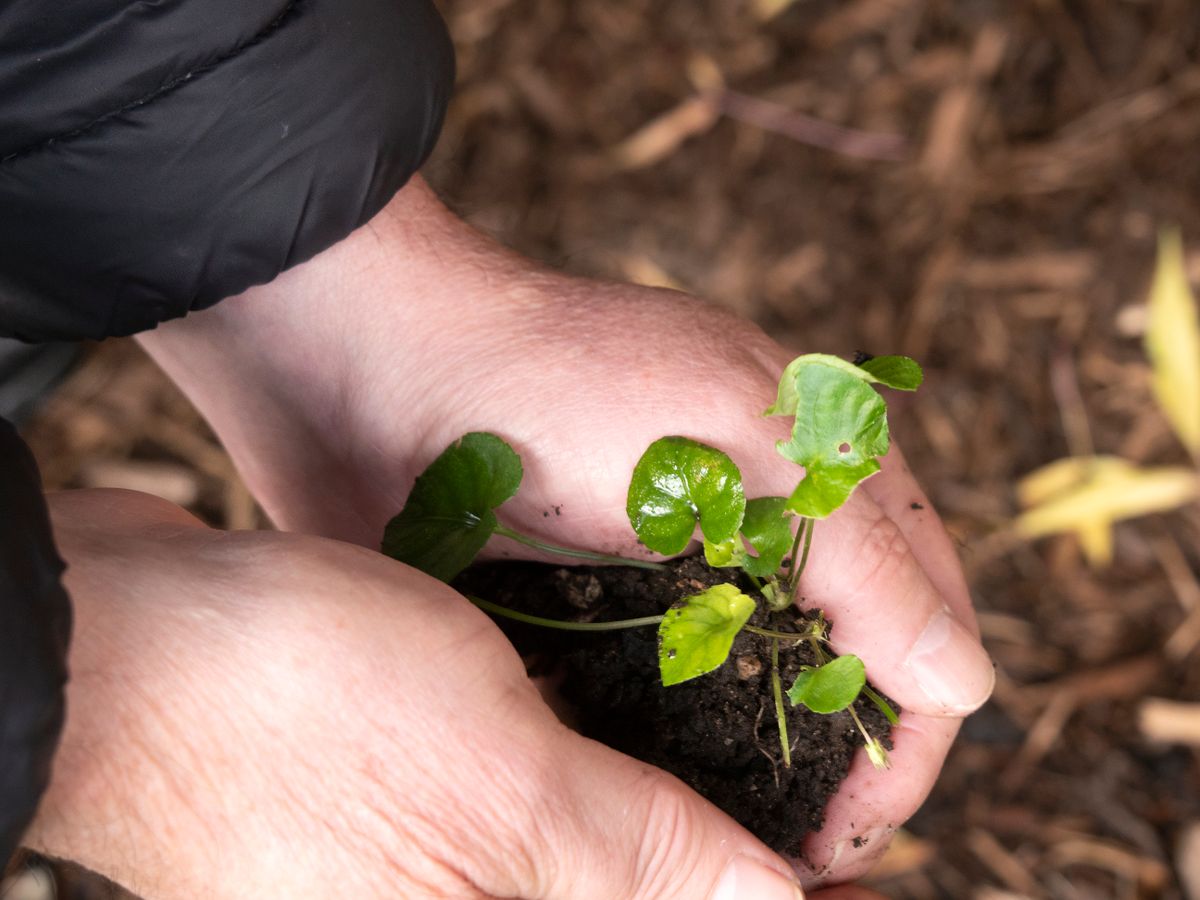
The 2030 Agenda: the framework for the SDGs
The 17 SDGs did not come out of nowhere. They succeeded the Millennium Development Goals (2000–2015) and were approved through the resolution “Transforming our world: the 2030 Agenda for Sustainable Development,” adopted by the 193 UN member states (United Nations, 2015). The 2030 Agenda set a common deadline, the year 2030, and a guiding principle: leave no one behind.
To understand where this commitment comes from, it helps to review the history and evolution of sustainable development, a concept that took hold with the 1987 Brundtland Report and today underpins international cooperation. If you want a basic definition, our overview of what a sustainable economy is and how it translates into concrete actions for sustainable development can also help.
The 17 Sustainable Development Goals, one by one
Here is the complete list of the 17 SDGs, with a short explanation of each. Every goal is a gateway to a topic you can explore in more depth in our specialized articles.
- No poverty: eradicate extreme poverty in all its forms. An estimated 826 million people, about one in ten, still live in extreme poverty on less than $3.00 a day (UN, 2026).
- Zero hunger: end hunger and achieve food security and sustainable agriculture. Learn more in our article on malnutrition and zero hunger.
- Good health and well-being: ensure healthy lives and promote well-being for all at all ages, reducing maternal and child mortality and disease.
- Quality education: ensure inclusive, equitable and quality education and promote lifelong learning.
- Gender equality: achieve gender equality and empower all women and girls.
- Clean water and sanitation: ensure the availability and sustainable management of water and sanitation for all.
- Affordable and clean energy: ensure access to affordable, reliable and modern energy. Dig deeper into the renewable natural resources that make it possible.
- Decent work and economic growth: promote sustained, inclusive economic growth and decent work. It is closely linked to the sustainable economy model.
- Industry, innovation and infrastructure: build resilient infrastructure, promote inclusive industrialization and foster innovation.
- Reduced inequalities: reduce inequality within and among countries.
- Sustainable cities and communities: make cities inclusive, safe and sustainable. Discover what sustainable cities look like and what sustainable urban development involves.
- Responsible consumption and production: ensure sustainable consumption and production patterns, reducing waste and the inefficient use of resources.
- Climate action: take urgent action to combat climate change and its impacts. See the case of climate change in Colombia.
- Life below water: conserve and sustainably use the oceans, seas and marine resources.
- Life on land: protect, restore and promote the sustainable use of terrestrial ecosystems, forests and biodiversity.
- Peace, justice and strong institutions: promote peaceful and inclusive societies, access to justice and effective institutions.
- Partnerships for the goals: strengthen the means of implementation and revitalize the global partnership for sustainable development.
The first six goals address basic human needs; goals 7 to 12 deal with the economy and consumption; and goals 13 to 17 focus on the planet, peace and cooperation. This structure reflects the idea that development is only sustainable when its social, economic and environmental dimensions advance together.
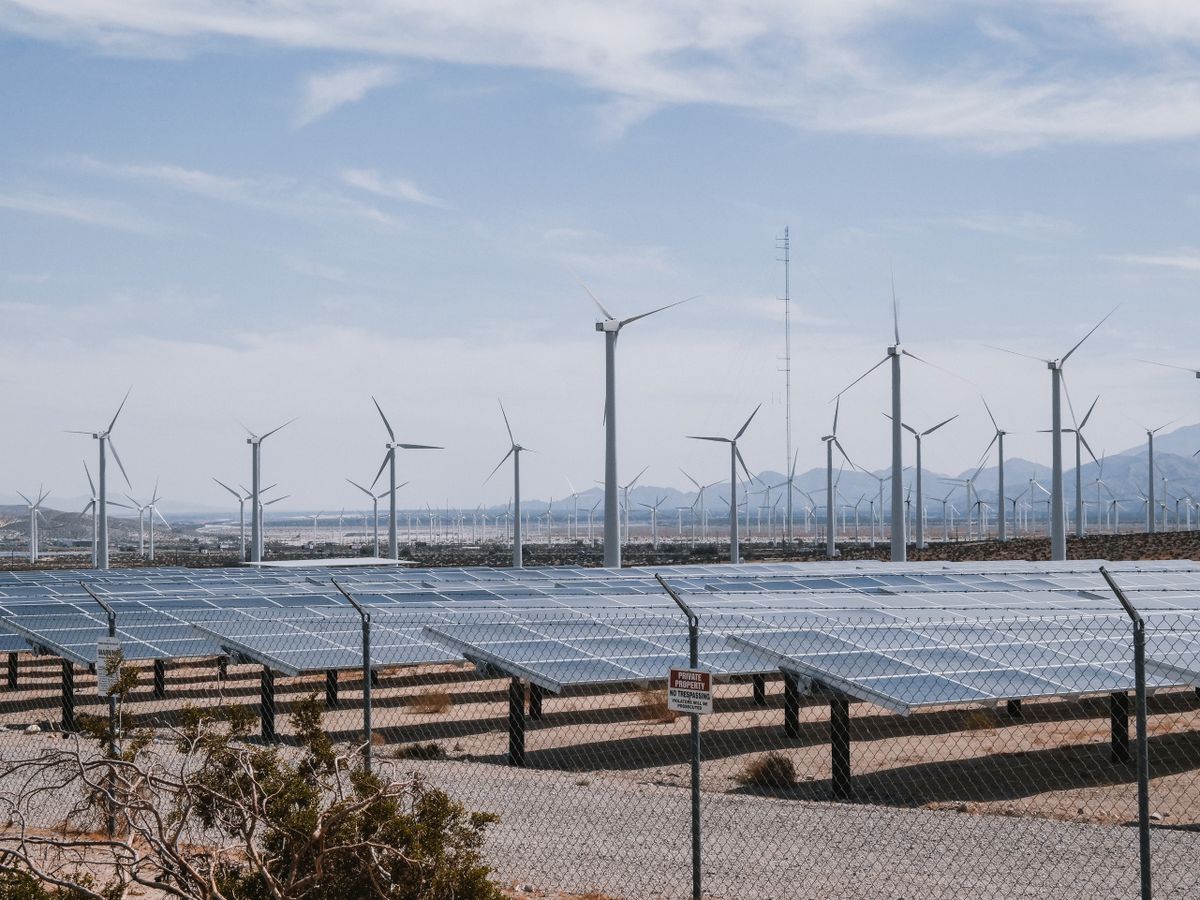
Energy, cities and climate: the environmental SDGs in figures
Goal 7 (affordable and clean energy) is one of the goals showing the clearest progress, thanks to the rollout of renewables, but the challenge remains enormous: in 2024 the UN projected that, without a change of course, some 660 million people would still lack electricity and nearly 1.8 billion would still lack clean cooking fuels in 2030 (UN, SDG Report 2024, Goal 7). Its 2026 report still counted 655 million people without electricity in 2024. The energy transition relies on sources such as solar, wind and hydropower.
Goal 11 (sustainable cities and communities) is, along with hunger and life on land, one of the goals the Sustainable Development Report 2024 (SDSN) singles out as lagging especially far behind. Cities are home to a growing share of the world’s population and consumption, so transforming them is decisive for the 2030 Agenda.
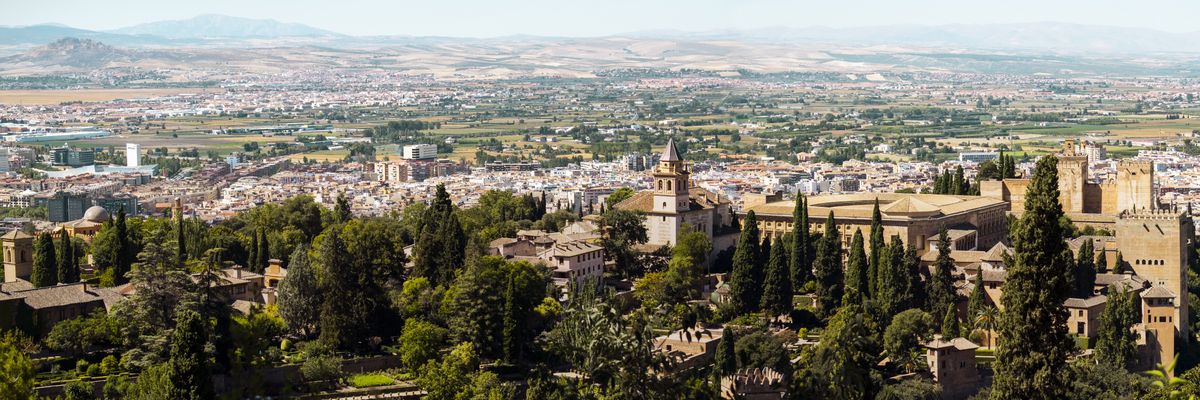
How are we doing? Progress on the SDGs
The 2024 assessment was worrying. The UN’s Sustainable Development Goals Report 2024 concluded that only 17% of the targets were on track, nearly half were progressing too slowly and more than a third had stalled or regressed (UN, 2024). The 2026 edition, published in July 2026, finds that of the 139 targets with trend data only 15% are on track and 21% show moderate progress, while nearly half are advancing only marginally or not at all and 15% have slipped below their 2015 baselines. Meanwhile, the Sustainable Development Report 2024 warned that none of the 17 goals was on track to be achieved globally by 2030, and placed Finland, Sweden and Denmark at the top of its index (SDSN, 2024); its 2026 edition repeats both findings.
Source: UN, The Sustainable Development Goals Report 2024.
Behind these percentages are concrete realities. The pandemic, conflicts and the climate crisis pushed 23 million more people into extreme poverty and more than 100 million more into hunger in 2022 compared with 2019 (UN, 2024). In 2023, about 733 million people went hungry worldwide (UN, Goal 2, 2024); the UN’s 2026 report estimates that 645 million people were chronically undernourished in 2025. On top of that, the UN puts the investment gap for financing the SDGs in developing countries at about $4 trillion a year.
It is not all bad news. The UN also highlights real progress: internet access grew by nearly 70% in just eight years, girls have reached parity in school completion in most regions, and renewable energy is leading the way toward a just transition (UN, 2024). For a critical analysis of the obstacles, see the problems with the Sustainable Development Goals.
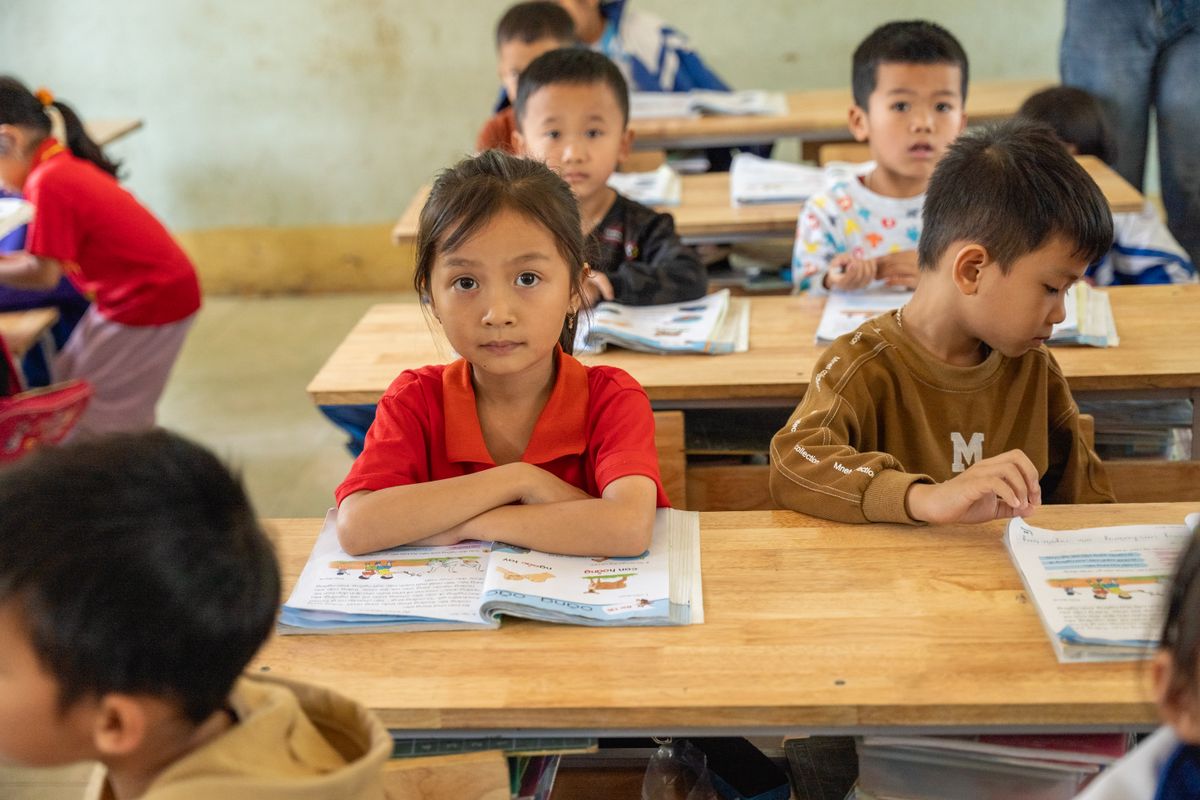
The SDGs in Colombia and Latin America
Colombia was one of the countries that championed the 2030 Agenda—it first proposed the idea of the SDGs at a preparatory meeting for the Rio+20 conference in July 2011—and it has built the SDGs into its national planning. To see how this commitment plays out in the country, read our article on the UN 2030 Sustainable Development Goals in Colombia. The country’s environmental wealth, tied to its main natural resources, is both an opportunity and a responsibility when it comes to meeting goals such as climate action and life on land.
Achieving the SDGs is not a job for governments alone: it requires the participation of businesses, universities and citizens. Our sustainable development projects show concrete examples of how to move from words to action, and our analysis of the ecological problem and a way to solve it offers keys to understanding why sustainability is urgent.
Related links
- UN Sustainable Development Goals: the world toward 2030
- The UN 2030 SDGs in Colombia
- The problems with the SDGs
- Malnutrition and zero hunger (SDG 2)
- Sustainable cities (SDG 11)
- Climate change in Colombia (SDG 13)
- Renewable natural resources (SDG 7)
- History and evolution of sustainable development
Sources used
- UN — Press release on the SDG Report 2024
- United Nations — The Sustainable Development Goals Report 2024 (PDF)
- United Nations — The Sustainable Development Goals Report 2026
- UN — SDG Report 2024: Goal 7 (affordable and clean energy)
- UN — Goal 2: Zero hunger (2024)
- SDSN — Sustainable Development Report 2024
- United Nations — 2030 Agenda for Sustainable Development
The 17 Sustainable Development Goals are much more than a list: they are a global contract between generations. With fewer than four years left until 2030 and only 15% of assessable targets on track, closing the gap requires faster action on every front, from public policy to everyday consumer choices. Knowing the goals, understanding how they depend on one another and turning them into concrete steps is the first step toward making the 2030 Agenda a reality rather than just a promise.
Related articles
Last updated: November 19, 2026




Leave a Reply