

Drones drive sustainable development by offering greater efficiency at lower cost in sectors such as agriculture and telecommunications. They take photos with a resolution of 2 cm, compared with 30 cm for commercial satellites in 2016, and are used to monitor crops, inspect power lines and support humanitarian work, such as the 3D maps created in Haiti after the 2010 earthquake. How do drones help sustainable development?
Although many people associate drones with war and military use, by the mid-2010s their use was growing exponentially across many economic activities. Drones are opening up a world of possibilities in many commercial activities and humanitarian efforts around the world, where they make it possible to achieve greater efficiency at lower cost.
Companies, governments and NGOs around the world are constantly finding new uses for this technology. Applications span a wide range of sectors, such as telecommunications and agriculture. Over time, drones are gaining ground in markets that were previously dominated by less efficient technologies. They are also creating new markets and industries in which they generate value and new development opportunities. These benefits are especially promising for developing countries because, as a technology that does not require large investments, it is easy to adopt.
Commercial uses of drones
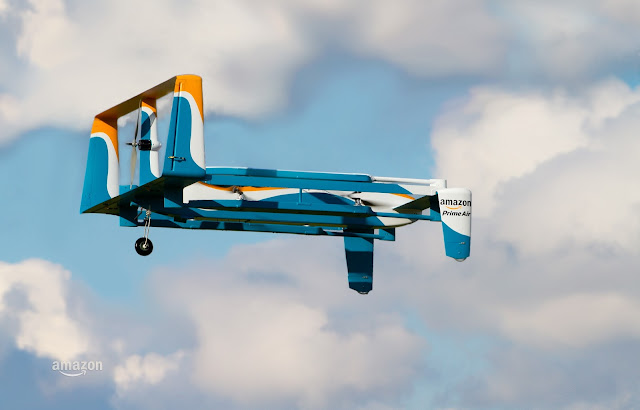
Commercially, one of the applications with the greatest potential is land mapping. Drones take better photos than satellites: they can photograph a road at a resolution of 2 cm, compared with the 30 cm resolution offered by commercial satellites in 2016, and they are also more efficient and cheaper. Many farmers are already using this technology to monitor crop growth, detect pests and coordinate fertilizer use.Other industries also have potential for drones or are already using them. For example, drones are being used to inspect power lines, where they do the job more safely. They are also used to transport and distribute goods: Amazon developed its Amazon Prime Air service to create a commercial delivery system using aerial vehicles, and it began delivering to customers in the United States in late 2022. Similarly, in 2014 DHL began testing drone deliveries of medicines to a small island off the coast of Germany.

Meanwhile, Facebook, through its Aquila project, wanted to bring the internet to millions of people. To do this, it planned to use drones to provide internet connectivity in remote regions using lasers and radio frequencies. These aircraft were designed to fly at higher altitudes than commercial airplanes, between 18 and 27 km, and to stay aloft for 3 months once deployed. Facebook ended the project in June 2018.
The humanitarian potential of drones
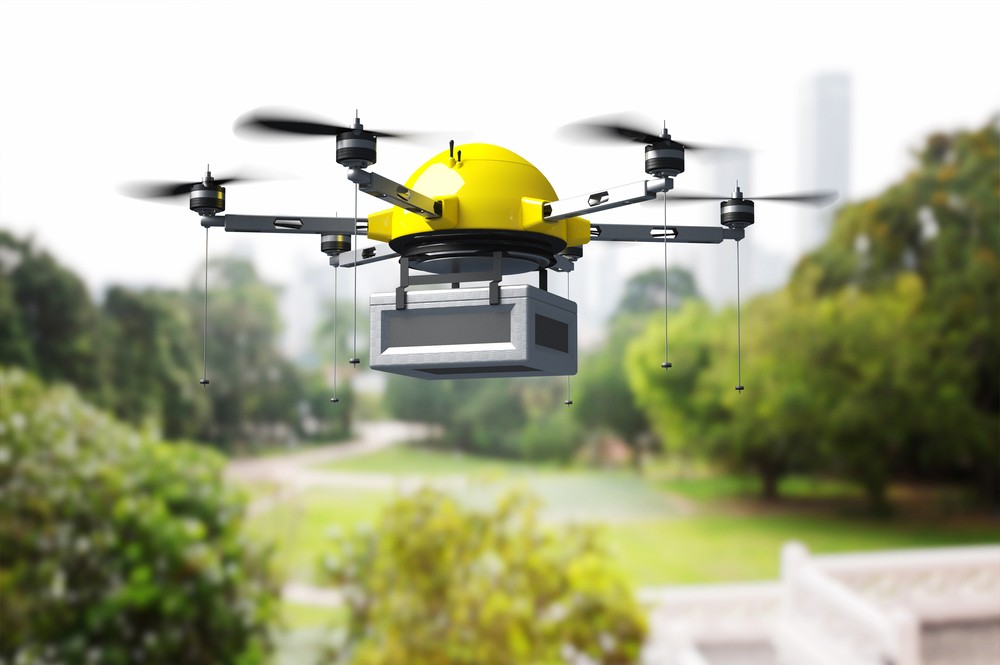
The commercial and humanitarian use of drones keeps growing, and it promises to generate major efficiencies across many sectors of the economy. However, its potential is limited by regulation. This is because drones can be dangerous; for example, there are more and more reports from airline pilots of drones flying close to their aircraft. For this reason, governments have had to establish rules for their use. In addition, several industries will be hit by this new competition, which is cheaper and more efficient.
Like any disruptive technology, drones face many difficulties that they must overcome before they can realize their potential. For now, they are already showing capabilities that promise to contribute a great deal to sustainable development.
Related information:
Building with shipping containers
Development projects
Last updated: September 26, 2026
Contents

Leave a Reply