

Climate change hits Colombia hard because of the country’s location and ecological wealth. What consequences does it bring for the country? According to the IPCC, sea level rose 0.20 m between 1901 and 2018; coastal erosion is already visible, and IDEAM projects that temperatures in Colombia could rise by 2.14 °C by 2100 if emissions keep increasing.
Latin America and the Caribbean is one of the regions most affected by climate change. Colombia is especially vulnerable because of its location and ecological wealth.
According to the UN, climate change affects Colombia’s ability to achieve the Sustainable Development Goals (SDGs). Its effects will be felt in the daily lives of many Colombians, especially in rural areas, where climate problems are expected to cause economic hardship and forced displacement.
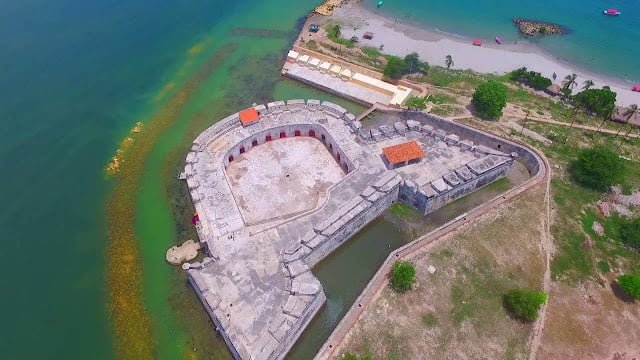
For example, people living in the mountain ranges of the Andean region are forecast to face water problems, while coastal populations will be affected by rising sea levels and more frequent flooding.
Sea level rise in Colombia due to climate change
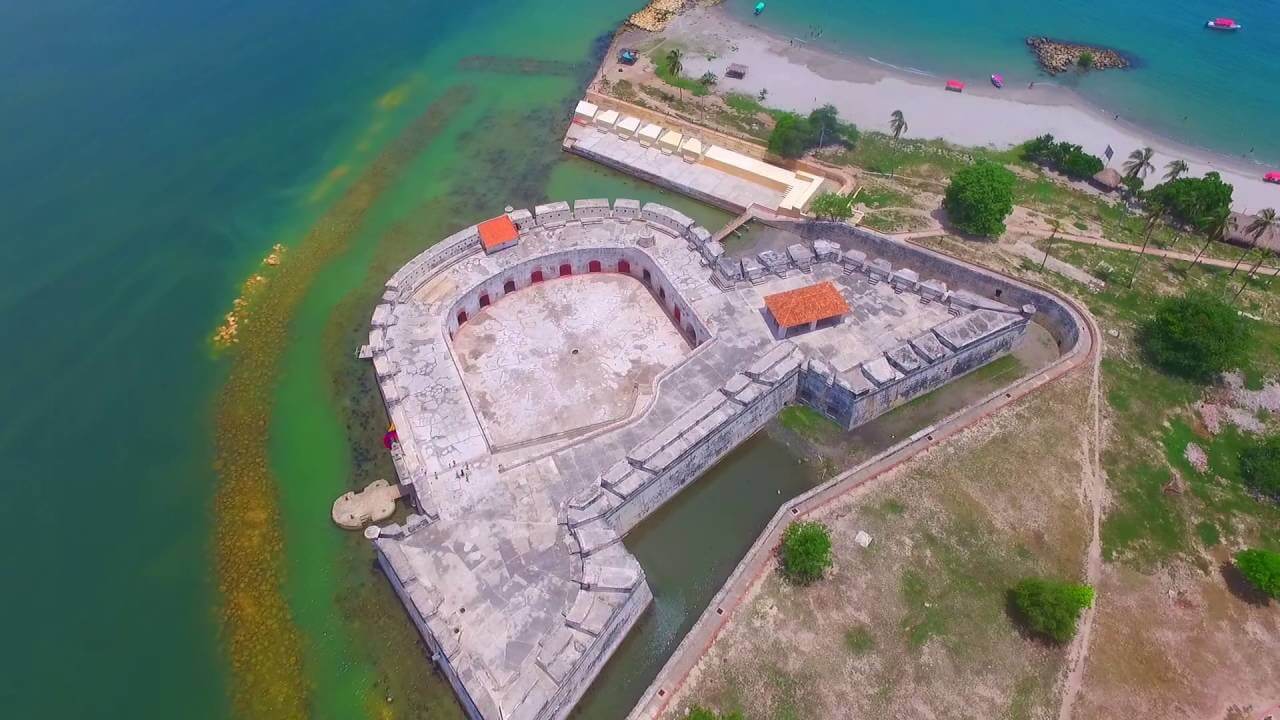
More intense tropical storms in Colombia due to climate change
On top of sea level rise, climate change is increasing the proportion of intense hurricanes, a particular concern in the Caribbean, where many storms and hurricanes already form. Although hurricanes do not form on Colombia’s Pacific side, the country’s Caribbean coast is at risk of suffering the consequences of one. In 1988, Hurricane Joan caused considerable damage in the country, and in November 2020 Hurricane Iota, a Category 4 storm, damaged about 98% of the infrastructure on the island of Providencia.According to the IPCC, the proportion of the most intense hurricanes (Category 4–5) will keep increasing as the planet warms, which raises the risk for Colombia’s Caribbean coast and islands.Loss of arable land in Colombia
Many processes and phenomena explain land degradation in the country. They include logging, overgrazing, indiscriminate pesticide use, continuous plowing, fires and more. But all of this is intensified by the climate change we are experiencing and the resulting rise in temperatures. This can be seen in the desertification of some parts of the country, where arid and semi-arid lands are becoming degraded. The most exposed departments are La Guajira, Santander, Boyacá, Cauca, Nariño and Tolima.According to IDEAM and the Ministry of Environment (2024), 23.6% of the national territory shows some degree of soil degradation from desertification, of which 1.7% is severe to very severe. In addition, 26.7% of the country consists of arid, semi-arid and dry sub-humid zones susceptible to desertification.
Climate change, rainfall and flooding in Colombia

According to IDEAM’s climate change scenarios (2015), if global greenhouse gas emissions keep rising, the average annual temperature in Colombia could increase by 2.14 °C by 2100, and between 2071 and 2100 average rainfall could fall by 10% to 30% in about 27% of the country.
The largest decreases are projected in the north of the country (San Andrés and Providencia, Bolívar, Magdalena, Sucre and northern Cesar) and in the Amazon, while rainfall could increase by 10% to 30% in about 14% of the territory, mostly in the Andean region. Higher temperatures will also increase evaporation from reservoirs, which will have to be taken into account in hydropower planning. The climate will also become more extreme, with more intense rainfall and droughts expected. The risk of flooding and other natural events that affect economic activities, such as windstorms and hailstorms, is also expected to increase.
Climate change and biodiversity loss in Colombia
Colombia is a country of enormous biological wealth. However, because of climate change, many of its ecosystems are at high risk. For example, the shrinking of the snow-capped peaks (nevados), and with it the loss of the environmental services they provide, is a cause for concern. The situation of coral reefs is also serious, as rising sea temperatures threaten them along with the biodiversity and fishery resources they support.More:
The 2030 SDGs in Colombia
Biodiversity in Colombia
The main natural resources of Colombia
Sources:
Last updated: September 26, 2026
Contents

Leave a Reply