

Latin America is one of the richest regions on Earth in natural resources: it holds the world’s largest tropical rainforest (the Amazon, home to at least 10% of all known species), the largest proven oil reserves (Venezuela, some 303 billion barrels), more than half of the world’s identified lithium resources in the Chile-Argentina-Bolivia “triangle”, and the world’s top producers of copper (Chile) and silver (Mexico). So what exactly are Latin America’s natural resources, and which countries hold them?
From the mineral deserts of the Andes to the green immensity of the Amazon basin, the natural resources of Latin America make up an environmental and economic inheritance of planetary scale. The region brings together strategic minerals, vast energy reserves, huge forests, some of the mightiest rivers on Earth and biodiversity without equal. South America alone holds more than 40% of the planet’s biodiversity and more than a quarter of its forests, according to the Convention on Biological Diversity (CBD/UNEP).
Table de contenidos
That abundance is not evenly spread: each country contributes a different mix. Chile and Peru dominate copper mining; Mexico leads in silver; Brazil in iron ore and forests; Venezuela in oil; and together Chile, Argentina and Bolivia hold the lithium driving the energy transition. This article works through the region’s main natural resources — mineral, energy, forest, water and biological — using verified data from sources such as the USGS, the FAO, OPEC and United Nations bodies, and links to our country guides so you can go deeper on any case.
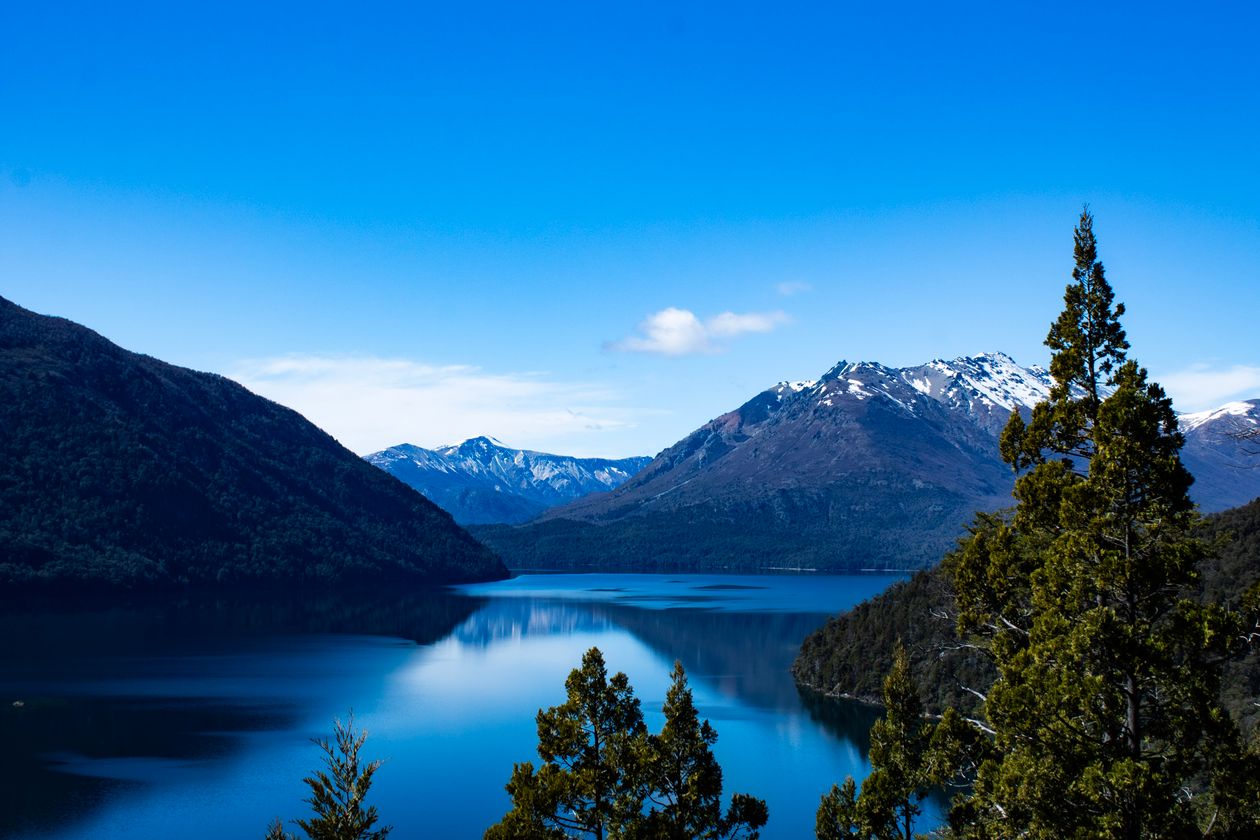
Which minerals and metals make the region a world power? Where are the largest oil and lithium reserves? Why does the Amazon matter so much to the global climate? And which megadiverse countries hold this biological wealth? Let’s start by defining precisely what we are talking about.
Natural Resources
Natural resources are materials or energy sources provided by or found on Earth that are useful to humans. Every product we manufacture is made up of natural resources.
- Renewable resources: these can be restored by natural processes faster than the rate at which they are consumed. Examples include solar radiation, wind, hydroelectric power, water when used properly, and plant and animal life.
- Non-renewable resources: once extracted, these are depleted and cannot regenerate. Examples include hydrocarbons, metals and minerals.
Latin America and the Caribbean in figures: environmental indicators
Total and average for the 33 countries of Latin America and the Caribbean with comparable data, calculated from each country’s figures.
| Countries included | 33 with comparable data |
|---|---|
| Land area | 20,044,409 km² |
| Forest cover | 46.1% of the territory2023 |
| Forest area | 9,241,671 km²2023 |
| Protected land area | 24.4% of the territory2025 |
| Annual change in forest area | −24,417 km² per year (2018–2023) |
| Agricultural area | 32.9% of the territory2023 |
Mineral resources: copper, lithium, silver and iron
Latin America is the mining heart of the world. Chile is the world’s largest copper producer, with around 5.3 million tonnes in 2024, close to a quarter of global output (USGS 2024). Peru sits consistently among the planet’s top two or three producers, so between them the two Andean countries supply a decisive share of the copper the world’s electrification depends on. There is more detail in our guides to the natural resources of Chile and the natural resources of Peru.
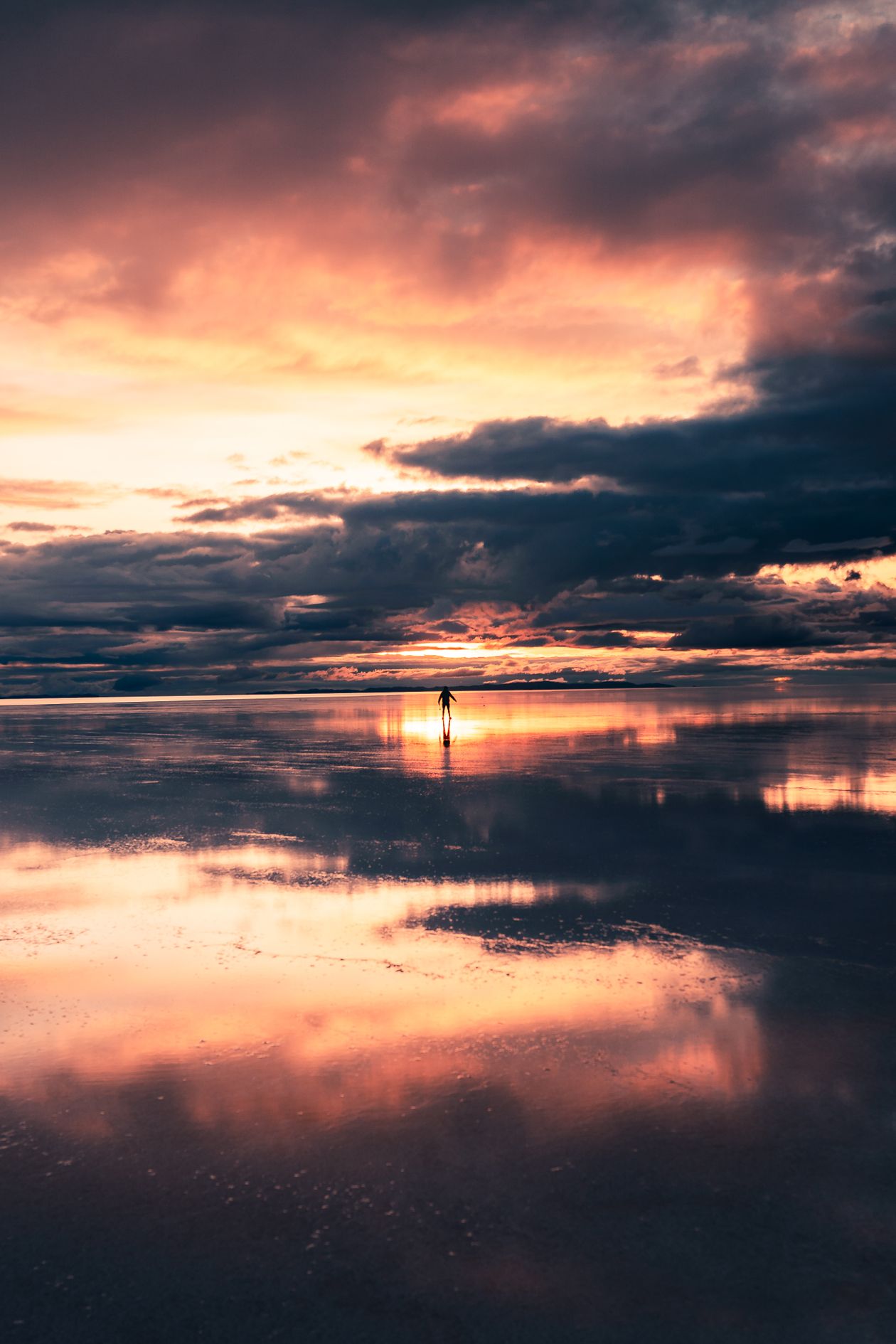
The other headline resource is lithium, the key mineral for batteries. The so-called “lithium triangle” — the salt flats of Chile, Argentina and Bolivia — holds more than half of the world’s identified lithium resources (USGS 2025). Bolivia, with the vast Salar de Uyuni, has one of the largest known deposits, though its production is still in its early stages; Chile and Argentina, by contrast, already rank among the world’s leading exporters. Read more on the natural resources of Bolivia and the natural resources of Argentina.
In precious metals, Mexico is the world’s largest silver producer, with some 6,300 tonnes in 2024, almost double the second-placed country (USGS 2024). Peru is also on the global silver podium. In iron, Brazil is the world’s second largest iron ore producer and one of its great exporting powers: its reserves come to some 34 billion tonnes of crude ore (about 15 billion tonnes of contained iron) (USGS 2024). Add gold, zinc, tin, bauxite and a long list of minerals spread across the region. More in the natural resources of Mexico and the natural resources of Brazil.
Energy resources: oil, gas and hydropower
In hydrocarbons, Latin America holds an unbeatable card: Venezuela has the largest proven oil reserves in the world, estimated at around 303 billion barrels, roughly 17% of the world total and ahead of Saudi Arabia (OPEC/EIA 2024). Most of it lies in the Orinoco Belt, as heavy crude that is more expensive to extract. Find out more in the natural resources of Venezuela.
Brazil has established itself as a major producer thanks to its pre-salt fields, while Mexico, Colombia, Argentina (with the Vaca Muerta unconventional oil and gas formation) and Ecuador round out a diverse energy map. On top of that sits enormous renewable potential: the region has some of the largest hydroelectric plants on the planet — Itaipú, between Brazil and Paraguay, among them — and a growing solar and wind fleet. See the natural resources of Colombia, the natural resources of Ecuador and the natural resources of Paraguay.
Forest resources: the Amazon and the region’s forests
The Amazon is the largest tropical rainforest in the world: it spreads across some 6.7 million square kilometers over nine countries and is home to at least 10% of all known species on the planet (Conservation International). It is also a carbon sink that is essential to regulating the global climate. At the regional scale, Brazil alone contains 12.2% of the world’s forests and is one of the five countries that between them hold more than half of the world’s forest area (FAO 2020).
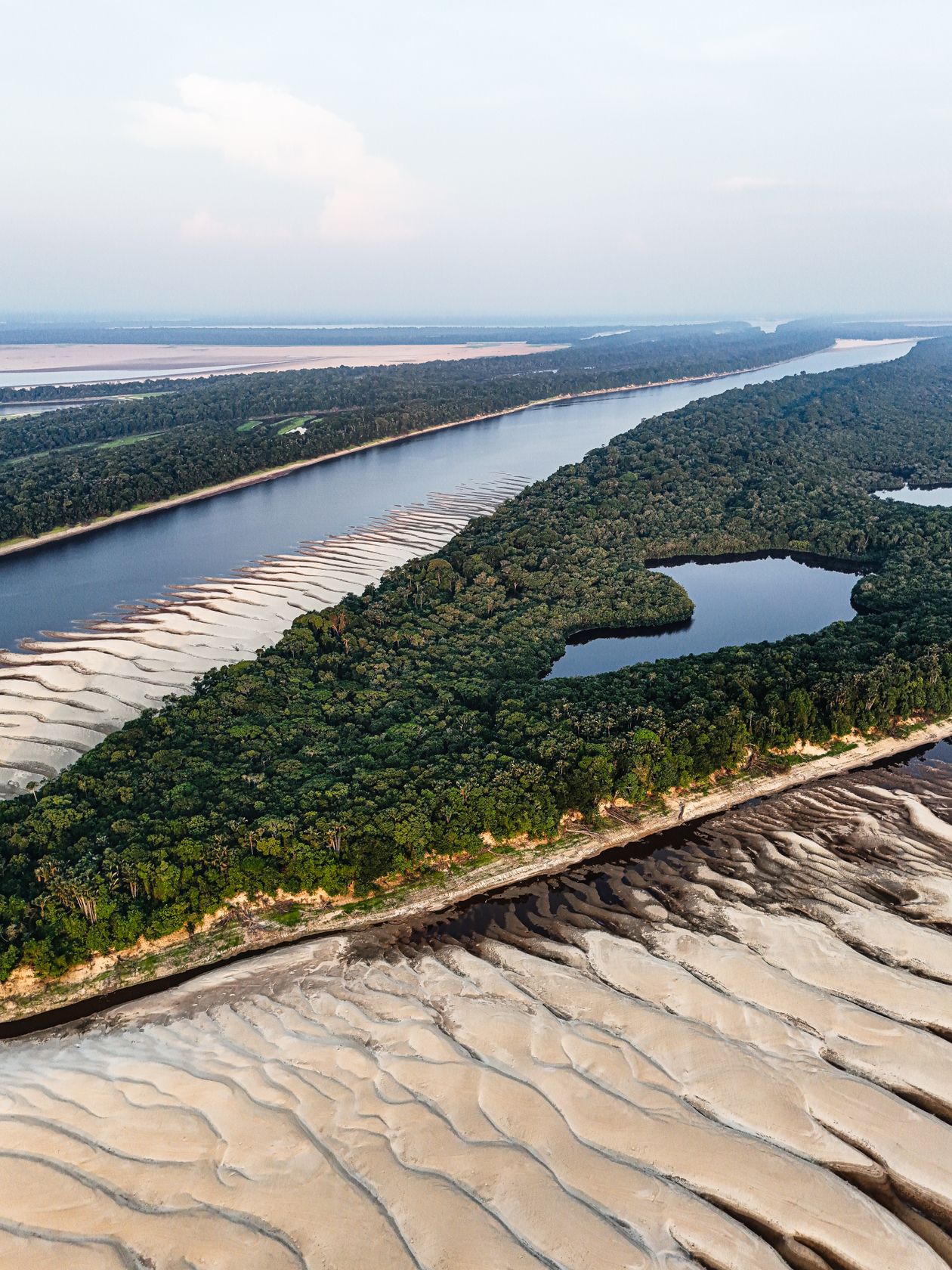
South America is the region of the world with the highest share of its forests inside protected areas (around 31%), according to the FAO’s Global Forest Resources Assessment (FAO 2020). Deforestation — driven by cattle ranching, agriculture and mining — nevertheless remains the region’s main environmental challenge, even though the rate of net forest loss in South America has fallen to roughly half that of the previous decade. The forests of Central America, in Guatemala, Honduras and Nicaragua, complete this forest mosaic.
Water resources: the mightiest rivers on the planet
Fresh water is perhaps Latin America’s most underrated resource. The Amazon is the largest river in the world by discharge: with an average flow of some 209,000 m³/s, it alone accounts for close to 15% of all the fresh water that rivers discharge into the world’s oceans (some estimates put it at 20%) (USGS). Its flow exceeds that of the next seven rivers combined. Alongside the Amazon basin sit other colossal systems such as the Orinoco, the Paraná and the Río de la Plata system.
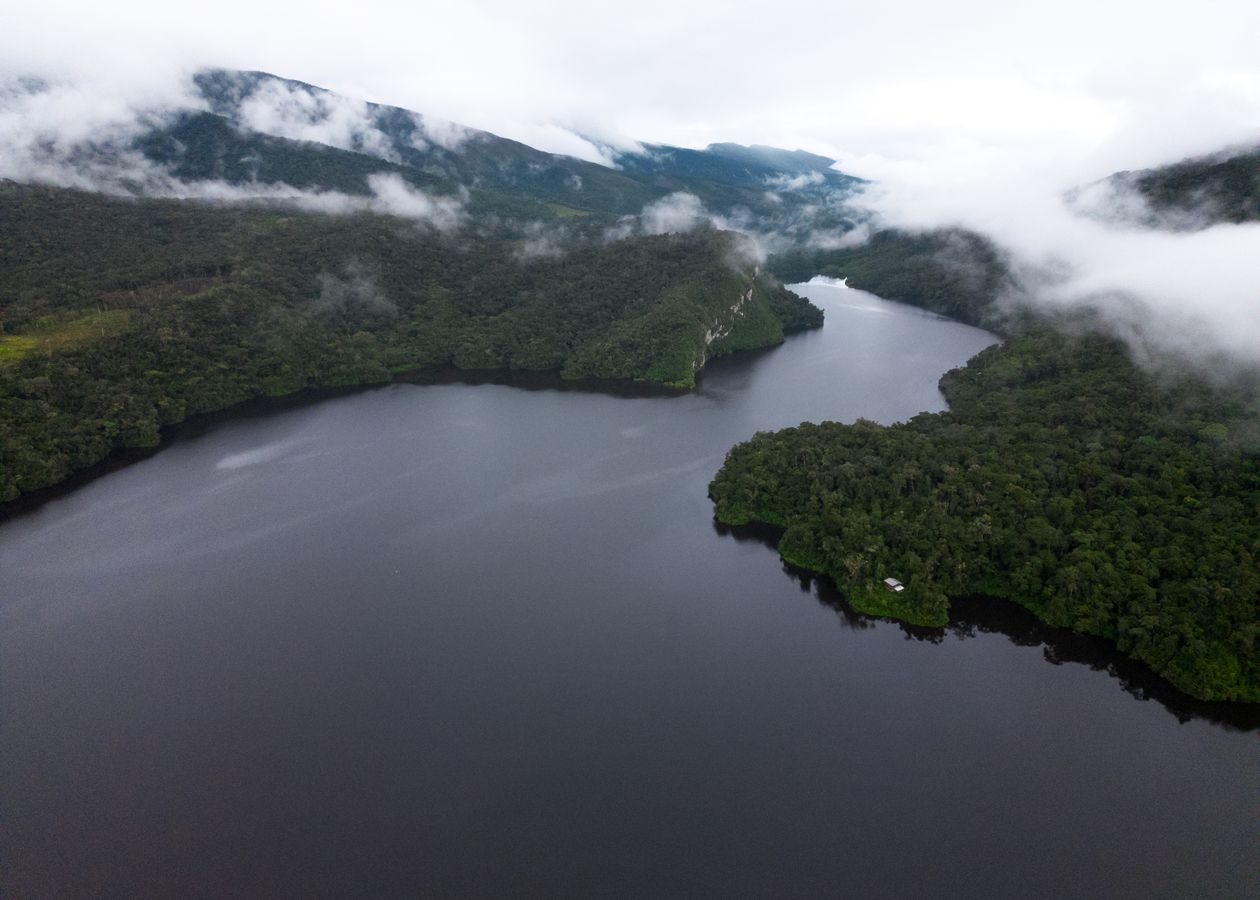
This water wealth underpins agriculture, hydroelectric generation and the drinking supply of hundreds of millions of people. Andean lakes such as Titicaca (shared by Peru and Bolivia), and great aquifers such as the Guaraní (beneath Argentina, Brazil, Paraguay and Uruguay), reinforce the region’s standing as one of the world’s largest fresh water reserves. Find out more in the natural resources of Uruguay.
Biodiversity: a megadiverse region
Latin America’s most extraordinary resource may well be its biodiversity. Six of the world’s seventeen megadiverse countries are in the region: Brazil, Colombia, Ecuador, Mexico, Peru and Venezuela (CBD/UNEP). Taken together, the megadiverse countries hold close to 70% of the planet’s biological diversity while covering barely 10% of its land surface.
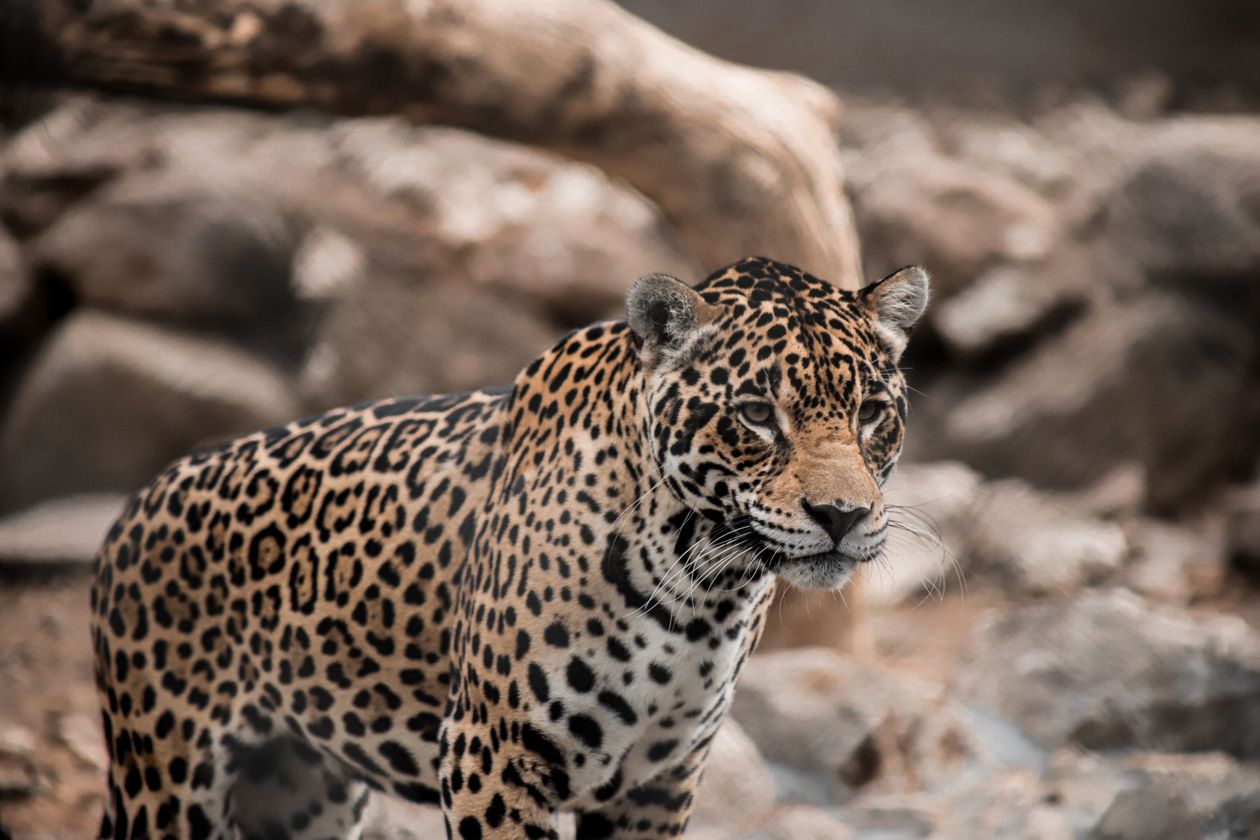
Colombia and Peru lead the world ranking for birds; Brazil tops plant and amphibian diversity; and Ecuador, despite its small size, packs in one of the highest concentrations of species per square kilometer anywhere, thanks to the Andes, the Amazon and the Galápagos Islands. Caribbean reefs, Andean páramos, mangroves and wetlands complete an irreplaceable biological heritage. Explore the natural resources of Panama, the natural resources of Guatemala and the natural resources of Honduras.
Natural resources of Latin America, country by country
Every nation combines minerals, energy, forests, water and biodiversity in its own way. See our individual guides for a detailed look at the natural resources of each country in the region:
- Natural resources of Mexico
- Brazil’s natural resources
- Natural resources of Colombia
- Natural resources of Argentina
- Natural resources of Chile
- Natural resources of Peru
- Natural resources of Venezuela
- Natural resources of Bolivia
- Natural resources of Ecuador
- Natural resources of Paraguay
- Natural resources of Uruguay
- Natural resources of Guatemala
- Natural resources of Honduras
- Natural resources of Panama
- Natural resources of Cuba
- Natural resources of Nicaragua
- Natural resources of El Salvador
- Natural resources of the Dominican Republic
Organizations and environmental challenges
Managing this wealth involves international bodies such as the United Nations Environment Programme (UNEP), the FAO and ECLAC, along with numerous national ministries and agencies. Latin America’s great challenge is to use its resources without destroying the natural capital that sustains them: halting deforestation, minimizing the impact of mining, protecting river basins and conserving biodiversity. The global energy transition — which depends on the region’s copper, lithium and other minerals — makes this balance between development and sustainability more urgent than ever.
Sources used
- USGS — Mineral Commodity Summaries 2024: Copper
- USGS — Mineral Commodity Summaries 2025: Lithium
- USGS — Mineral Commodity Summaries 2024: Silver
- USGS — Mineral Commodity Summaries 2024: Iron Ore
- Venezuela’s oil reserves (OPEC/EIA)
- Conservation International — Amazonia Facts
- USGS — The Amazon: Measuring a Mighty River
- FAO — Global Forest Resources Assessment 2020
- CBD/UNEP — State of Biodiversity in Latin America and the Caribbean
The natural resources of Latin America are, in the end, a treasure of global dimensions: minerals that feed the technology revolution, energy for the planet, forests that regulate the climate, rivers that give life and a biodiversity found nowhere else. The real challenge is not simply to measure this wealth but to manage it with a long-term view, so that the generations to come — inside and outside the region — keep benefiting from it. Knowing these resources, country by country, is the first step to valuing and protecting them.
Related articles
Last updated: September 26, 2026
Leave a Reply