

Asia, the largest continent on the planet with its 48 countries, holds the world’s greatest concentration of natural resources: close to 48% of oil reserves (Saudi Arabia alone accounts for 267 billion barrels) and more than 50% of natural gas reserves, it produces around 70% of the world’s rare earths and grows more than 90% of the planet’s rice. It also holds Lake Baikal, which stores almost a quarter of the Earth’s surface fresh water. What makes Asia the world’s most important resource pantry?
The natural resources of Asia have no equal on any other continent. From the oil fields of the Persian Gulf to the boreal forests of Siberia, by way of Indonesia’s nickel mines and the rice paddies of southern and eastern Asia, the continent brings together a combination of energy, minerals, water, forests and biodiversity that sustains more than half the world’s population.
Table de contenidos
Before going further it is worth clarifying the geographic scope. Here we take Asia in its most common definition: a continent of 48 countries according to Britannica (Source: Britannica 2024). Six states are transcontinental (Russia, Turkey, Kazakhstan, Azerbaijan, Georgia and Armenia); in this article we count their eastern territories, such as Siberia, as Asian. We also include the whole of the Middle East (Saudi Arabia, Iraq, Iran and Qatar, among others), since it is geographically part of Asia and is precisely what explains the continent’s energy dominance.
On that basis, Asia is not only the largest and most populous continent but also the richest in strategic raw materials. What are Asia’s main natural resources? Which countries hold that wealth? And how is such an enormous natural estate protected against exploitation and climate change? Let us take it step by step.
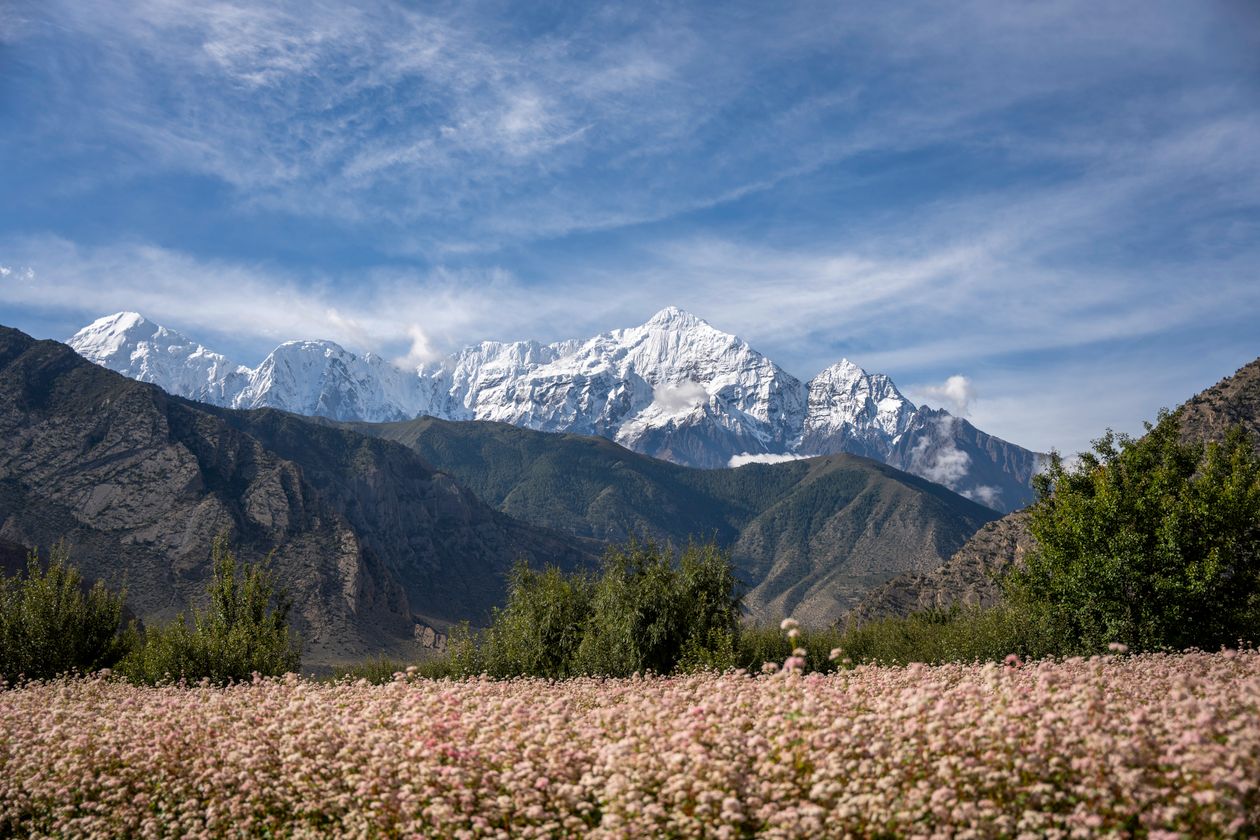
Natural Resources
Natural resources are materials or energy sources provided by or found on Earth that are useful to humans. Every product we manufacture is made up of natural resources.
- Renewable resources: these can be restored by natural processes faster than the rate at which they are consumed. Examples include solar radiation, wind, hydroelectric power, water when used properly, and plant and animal life.
- Non-renewable resources: once extracted, these are depleted and cannot regenerate. Examples include hydrocarbons, metals and minerals.
Asia in figures: environmental indicators
Totals and averages for the 48 Asian countries with comparable data, calculated from each country’s figures.
| Countries included | 48 with comparable data |
|---|---|
| Land area | 47,446,608 km² |
| Forest cover | 30.4% of the territory2023 |
| Forest area | 14,416,154 km²2023 |
| Protected land area | 12.7% of the territory2025 |
| Annual change in forest area | +12,631 km² per year (2018–2023) |
| Agricultural area | 39.4% of the territory2023 |
Russia is counted here, where most of its territory lies.
Mineral resources of Asia
Asia is the heart of world mining. Its most strategic resource today is rare earths, a group of 17 elements essential to magnets, electric vehicles, wind turbines and electronics. China dominates that chain: it produces around 70% of the world’s rare earths, an extraction share far above any other country (Source: USGS 2025). You can go deeper into the Chinese case in our article on the natural resources of China.
Coal is another mineral and energy pillar of the continent. In 2024, China produced close to 4,666 million tonnes, more than half the planet’s coal, followed by India (1,082 million tonnes) and Indonesia (836 million tonnes) (Source: IEA 2024). Nickel adds to that: Indonesia is today the world’s largest producer and holder of nickel reserves, a metal central to batteries (Source: USGS 2025).
The mineral list is long: Kazakhstan is a power in uranium and chromium, Mongolia stands out for copper and coal, Afghanistan holds vast, still-untapped lithium and copper deposits, and India supplies iron ore, bauxite and coal on a large scale.
Energy resources: oil and gas
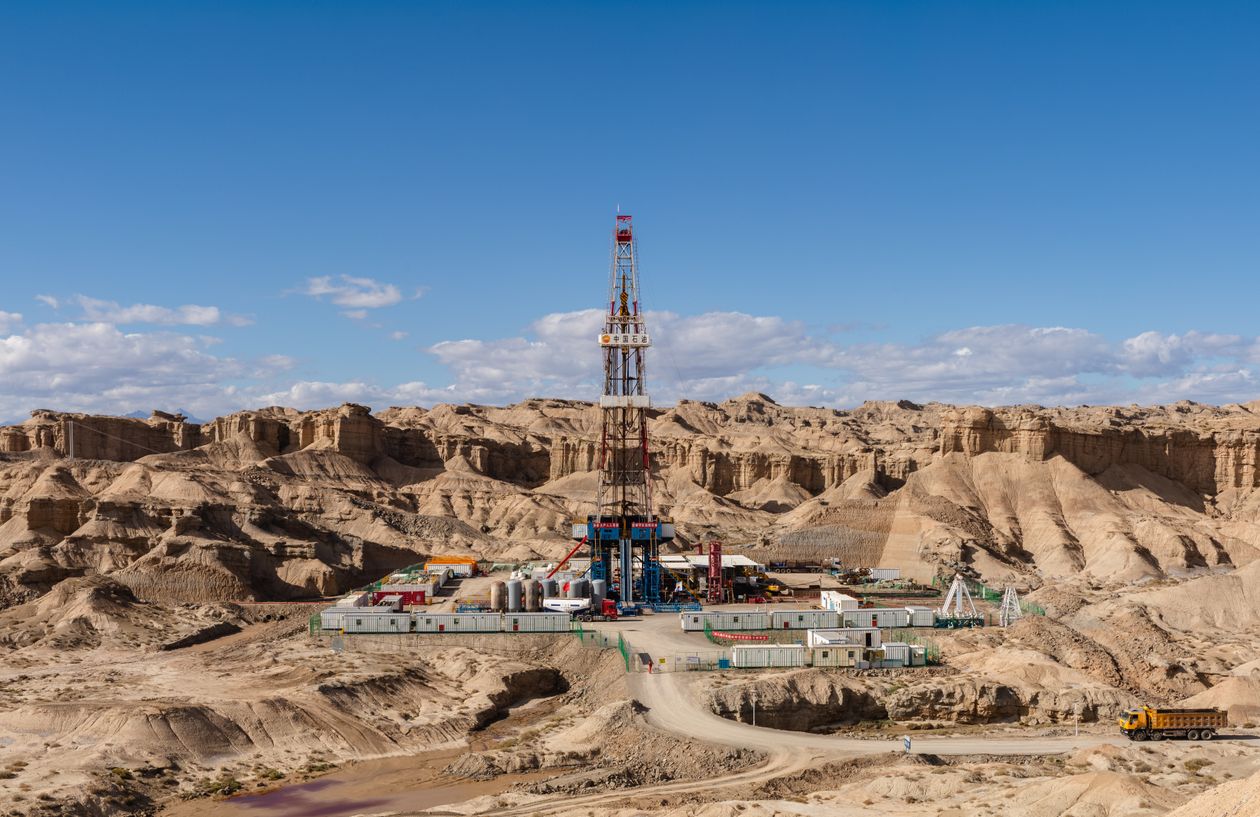
If one resource defines Asia to the world, it is oil. The Asian Middle East holds the largest proven reserves on the planet. Saudi Arabia leads the region with some 267 billion barrels, followed by Iran (209 billion) and Iraq (145 billion); to these are added the United Arab Emirates (113 billion) and Kuwait (102 billion) (Source: EIA 2021). These five Asian countries alone hold almost half of all the world’s crude reserves.
In natural gas the lead passes to Russia. The territories of Russia hold close to 47,800 billion cubic meters (around 23% of the world total), followed by Iran (34,000) and Qatar (23,900) (Source: EIA 2021). Between them these three countries share more than half the planet’s gas reserves, which gives Asia enormous influence over global energy markets.
Forest resources

Asia is home to two great forest types of planetary importance. In the north, the taiga or boreal forest of Siberia forms part of the largest forest blanket in the world: Russia has close to 815 million hectares of forest, 20% of the global forest area (Source: FAO 2022). Worldwide, forests cover some 4,060 million hectares, 31% of land area (Source: FAO 2020).
In the south and southeast, by contrast, the tropical rainforests of Indonesia, Malaysia, Vietnam and the Philippinesdominate — among the most biodiverse in the world. These forests supply timber, rubber and palm oil and capture enormous quantities of carbon, though they are also under heavy pressure from agricultural deforestation.
Water resources
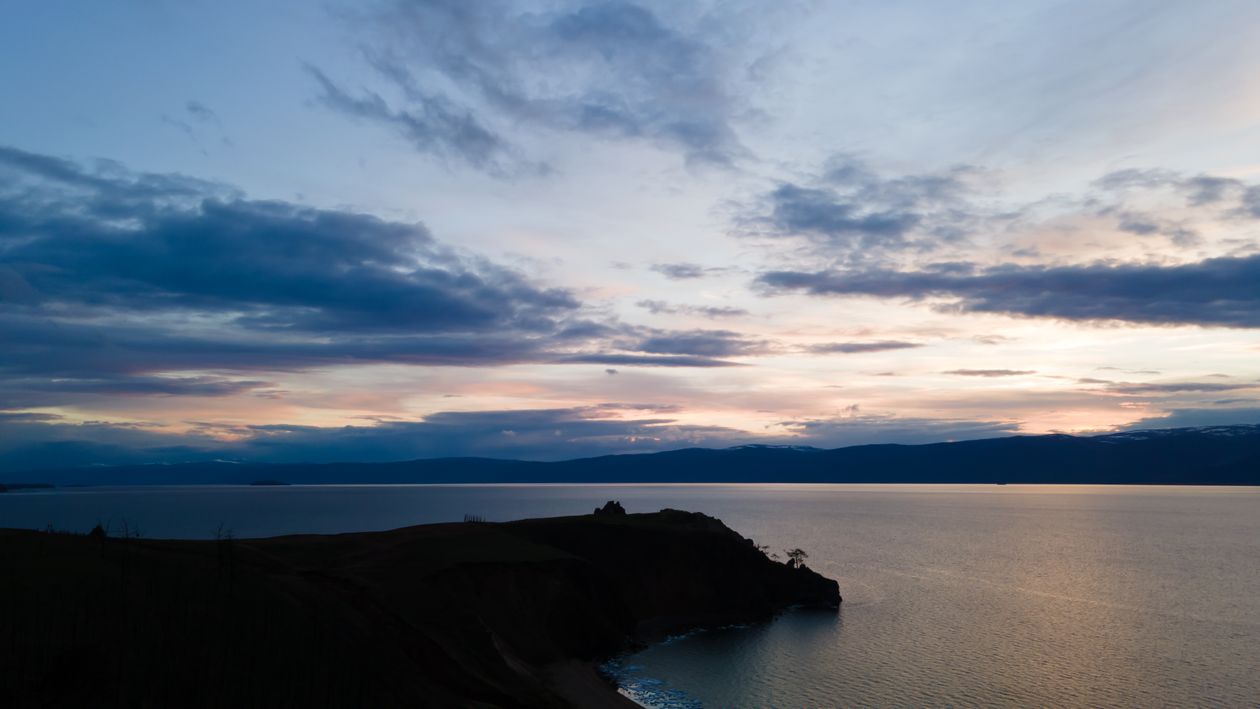
Water is perhaps Asia’s most vital resource and also one of its most abundant. Lake Baikal, in Siberia, is the deepest lake in the world (1,642 meters) and the largest freshwater lake by volume: its 23,615 km³ represent close to 23% of all the planet’s unfrozen surface fresh water (Source: Wikipedia/INTAS).
Added to that are the great rivers that give life to billions of people. The Yangtze, Asia’s longest river, runs some 6,300 km; the Mekong, the backbone of Southeast Asia, reaches some 4,909 km; and the sacred Ganges extends some 2,525 km (Source: Wikipedia 2024). These rivers feed agriculture, fisheries, transport and hydroelectric power across much of the continent.
Biodiversity of Asia
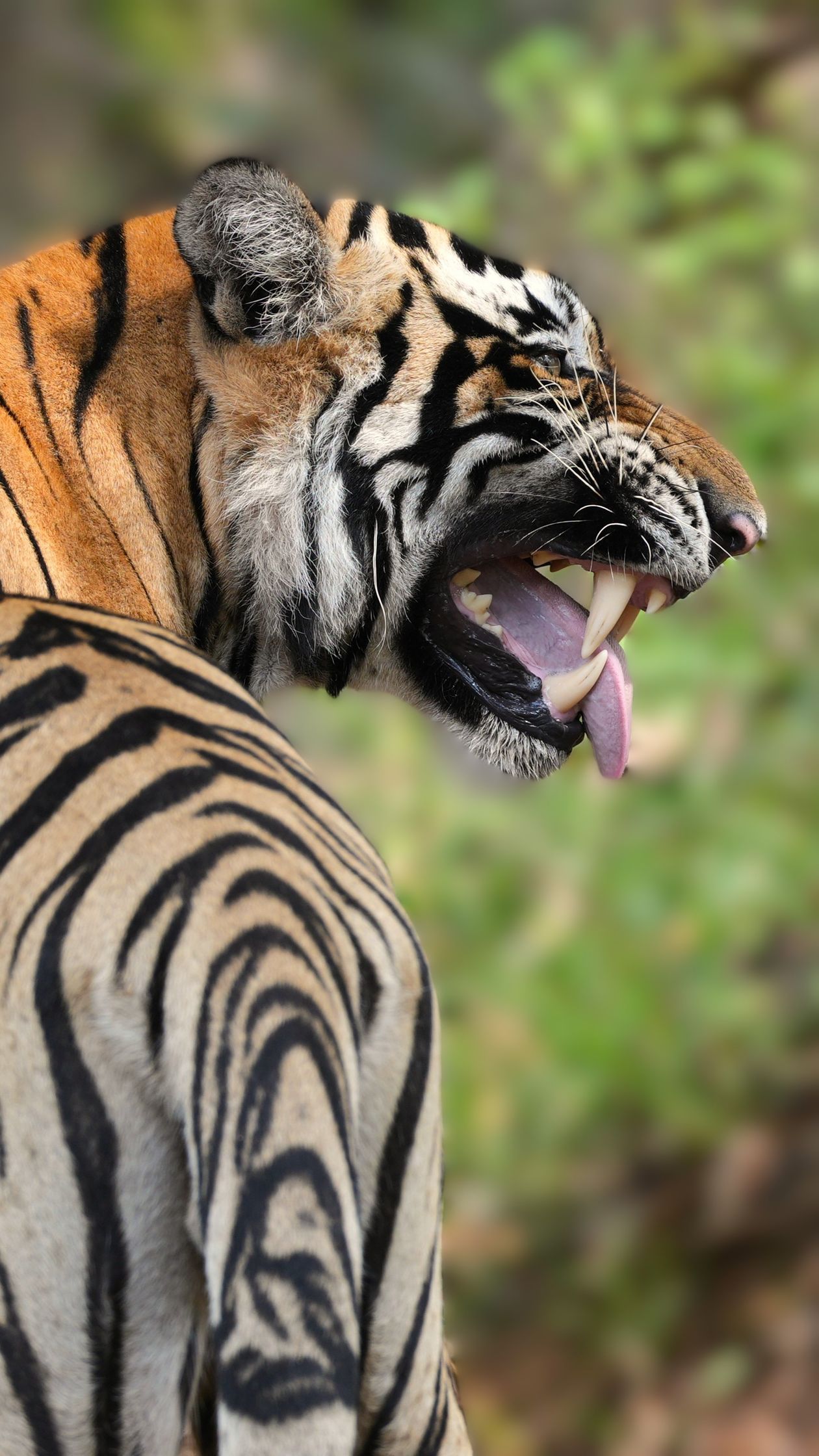
Asian biodiversity is simply spectacular. Its seas contain the Coral Triangle, an area shared by six Southeast Asian countries that holds 76% of known coral species and 37% of the world’s reef fish species (Source: WWF). It is by some distance the epicenter of marine life on the planet.
On land, Indonesia is among the world’s 17 megadiverse countries, and several of the major biodiversity hotspots are in Asia, from the Himalayas to Sundaland (Source: Conservation International). Emblematic species such as the tiger, the giant panda, the orangutan and the Javan rhinoceros make the continent an irreplaceable natural sanctuary.
Agriculture: the continent of rice
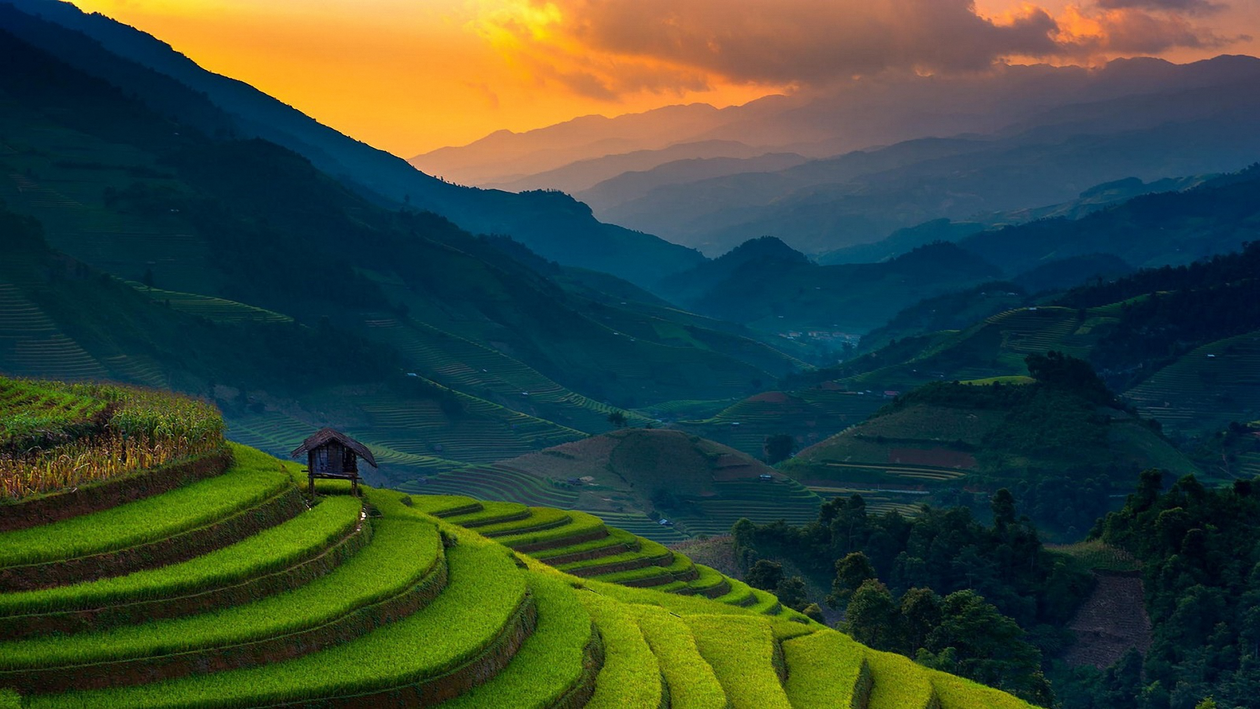
No food resource is as bound up with Asia as rice. The continent produces more than 90% of the world’s rice, with China and India the largest producers, followed by Indonesia, Vietnam and Thailand (Source: FAO). The rice terraces, carved into mountainsides over centuries, are at once an agricultural resource and part of the continent’s cultural heritage.
Environmental performance and protection
Such abundance brings enormous challenges with it. Asia’s rapid industrialization has driven up demand for energy and minerals, with consequences including air pollution, deforestation in Southeast Asia and pressure on water resources shared between countries. The continent accounts for a large share of global carbon emissions precisely because of its intensive use of coal.
At the same time, several Asian countries now lead the energy transition: China is the world’s largest installer of solar and wind power, and nations such as Japan and South Korea are investing heavily in clean technologies. Balancing extraction against conservation is Asia’s great environmental challenge for the coming decades.
The Asian countries with the most natural resources
These are some of the Asian countries with the greatest wealth in natural resources. Explore each one in detail in our guides:
- China — rare earths, coal, renewable energy and minerals.
- Russia — natural gas, boreal forest, oil and fresh water (Lake Baikal).
- Saudi Arabia — the largest oil reserves in Asia.
- Iran — oil and natural gas.
- Iraq — large crude reserves.
- India — coal, iron ore, bauxite and rice.
- Indonesia — nickel, rainforest and marine biodiversity.
- Kazakhstan — uranium, chromium and oil.
- Qatar — enormous natural gas reserves.
- United Arab Emirates — oil and gas.
- Kuwait — oil.
- Mongolia — copper and coal.
- Malaysia — palm oil, gas and forests.
- Vietnam — rice, coal and coffee.
- Thailand — rice, rubber and minerals.
- Philippines — nickel, copper and marine biodiversity.
- Pakistan — coal, gas and water resources.
- Japan — fisheries and forest resources.
- Uzbekistan — natural gas, gold and cotton.
- Afghanistan — lithium, copper and untapped minerals.
Organizations that protect Asia’s natural resources
A range of organizations work to conserve Asia’s natural heritage. Among them are the FAO (Food and Agriculture Organization of the United Nations), which monitors forests and agriculture; the IUCN (International Union for Conservation of Nature), which assesses the status of species; WWF, very active in the Coral Triangle and in tiger protection; and Conservation International, which identifies and protects the continent’s biodiversity hotspots. Regionally, the Coral Triangle Initiative (CTI-CFF) coordinates six countries to conserve their reefs.
Sources used
- USGS — Mineral Commodity Summaries: Rare Earths (2025)
- USGS — Mineral Commodity Summaries: Nickel (2025)
- IEA — Coal 2024
- EIA — Proven oil reserves (2021)
- EIA — Proven natural gas reserves (2021)
- FAO — Forest area by country (2022)
- FAO — Global Forest Resources Assessment 2020
- Lake Baikal — hydrological data
- Longest rivers in Asia
- WWF — Coral Triangle facts
- Conservation International — Biodiversity Hotspots
- FAO — Rice production in Asia-Pacific
- Britannica — How many countries are in Asia
In short, Asia’s natural resources are the material engine of the modern world: they feed the global economy with energy, minerals, food and water on a scale no other continent matches. The challenge for the twenty-first century is not to discover that wealth but to manage it sustainably, so that coming generations can benefit from it too. To keep exploring, see our country guides linked throughout this article.
Related articles
Organizations that protect or study Asia’s natural resources
- UNEP – Regional Office for Asia and the Pacific: the UN programme coordinating environmental action across Asia and the Pacific.
- IUCN – International Union for Conservation of Nature: global union with programmes conserving Asian biodiversity.
- WWF (World Wide Fund for Nature): international conservation organization active in many Asian countries.
- Wildlife Conservation Society (WCS): NGO protecting wildlife and wilderness areas across much of Asia.
- Asian Development Bank – Environment: institution financing the sustainable management of natural resources in Asia.
- BirdLife International: global partnership protecting birds and natural habitats in Asia.
Last updated: September 26, 2026
Leave a Reply