

The energy transition is the shift from a system based on fossil fuels (coal, oil and gas) to one dominated by clean sources such as solar, wind and hydropower. In 2025, renewables generated 33.8% of the world’s electricity and overtook coal for the first time in a century, while investment in clean energy was expected to reach $2.2 trillion in 2025, double that in fossil fuels. What is driving this change, and how fast is the world really moving?
The energy system that underpins modern civilization is undergoing its deepest transformation since the Industrial Revolution. For more than two centuries, burning coal, oil and gas was synonymous with progress; today, that same model is the main cause of climate change and the starting point of a global race toward clean electricity. That race has a name: the energy transition.
Table de contenidos
The figure that best sums up the current moment is striking: in 2025, renewable sources supplied 33.8% of global electricity generation and pushed coal (33.0%) out of first place for the first time in roughly a hundred years (Ember, Global Electricity Review 2026). This is not a promise for the future but a change already happening on the power grid we rely on every day.
The full picture, however, is more nuanced. Fossil fuels still covered about 86% of the world’s total energy supply in 2025 (Our World in Data, 2026), and CO₂ emissions from the energy sector hit a new record in 2024. The transition is real, but it is still a race against the clock. In this article we explain what it is, what is driving it, how it is progressing in numbers and what obstacles lie ahead.
What exactly is the energy transition? Why is it happening now? How much have renewables grown, and which countries are leading the change? What are the carbon neutrality targets, and which technical and economic challenges remain unresolved?
The energy transition at a glance
The energy transition is the structural process of replacing fossil-fuel-based energy sources with low-carbon ones, together with the electrification of sectors such as transportation and industry and greater energy efficiency.
- Growing sources (clean): they regenerate or emit no CO₂ when generating electricity. Examples: solar photovoltaics, wind, hydropower, geothermal, sustainable biomass and, as a low-carbon complement, nuclear power.
- Shrinking sources (fossil): they run out and release greenhouse gases when burned. Examples: coal, oil and natural gas, which still make up the bulk of the global energy system.
What is the energy transition?
The energy transition is the large-scale transformation of how energy is produced and consumed: moving from an energy mix dominated by non-renewable natural resources—coal, oil and gas—to one based on renewable natural resources and low-carbon technologies. It is not just a change of fuel: it means electrifying transportation, heating and industry, modernizing power grids and using energy more efficiently.
The concept is closely tied to sustainable development: meeting today’s energy needs without compromising the climate or the resources of future generations. That is why many of the alternative energy sources that were seen as marginal two decades ago are now the backbone of the new low-carbon economy.
The drivers of change: climate, costs and security
Three forces explain why the transition is accelerating right now:
1. Climate. In 2024, energy-related CO₂ emissions reached an all-time high of 37.8 gigatonnes, and the concentration of CO₂ in the atmosphere reached 422.5 parts per million (IEA, Global Energy Review 2025). Cutting these emissions requires moving away from burning fossil fuels, the main source of greenhouse gases.
2. Cost. Solar photovoltaics have become so cheap that in 2020 the International Energy Agency called solar “the cheapest source of electricity in history” under favorable financing conditions (IEA, World Energy Outlook 2020). When the clean option is also the cheapest, the market pushes in the same direction as the climate.
3. Energy security. Volatile gas and oil prices following the 2021–2022 global energy crisis, aggravated by Russia’s invasion of Ukraine, have pushed many countries to invest in their own renewable sources to reduce their dependence on imports. Energy from the sun and wind cannot be embargoed or cut off at a border.
How the world is progressing: renewables at record levels
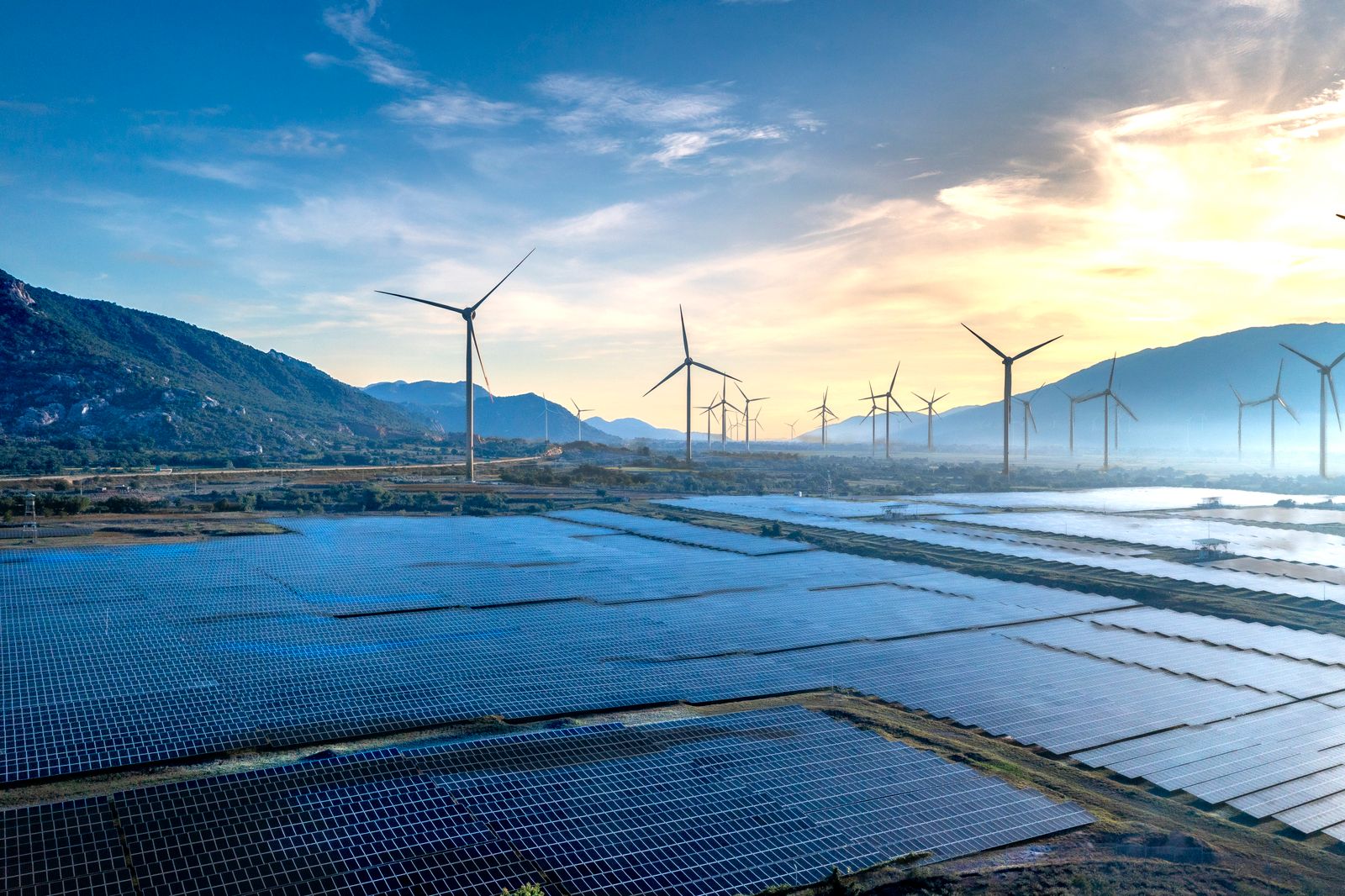
Renewables are being deployed faster than ever. In 2024 the world installed close to 700 GW of new renewable capacity, an increase of roughly 25% and the 22nd consecutive record year (IEA, Global Energy Review 2025). Of that total, solar photovoltaics contributed about 550 GW (+30% year over year), so solar and wind together accounted for 95% of all new renewable installations (IEA, Global Energy Review 2025).
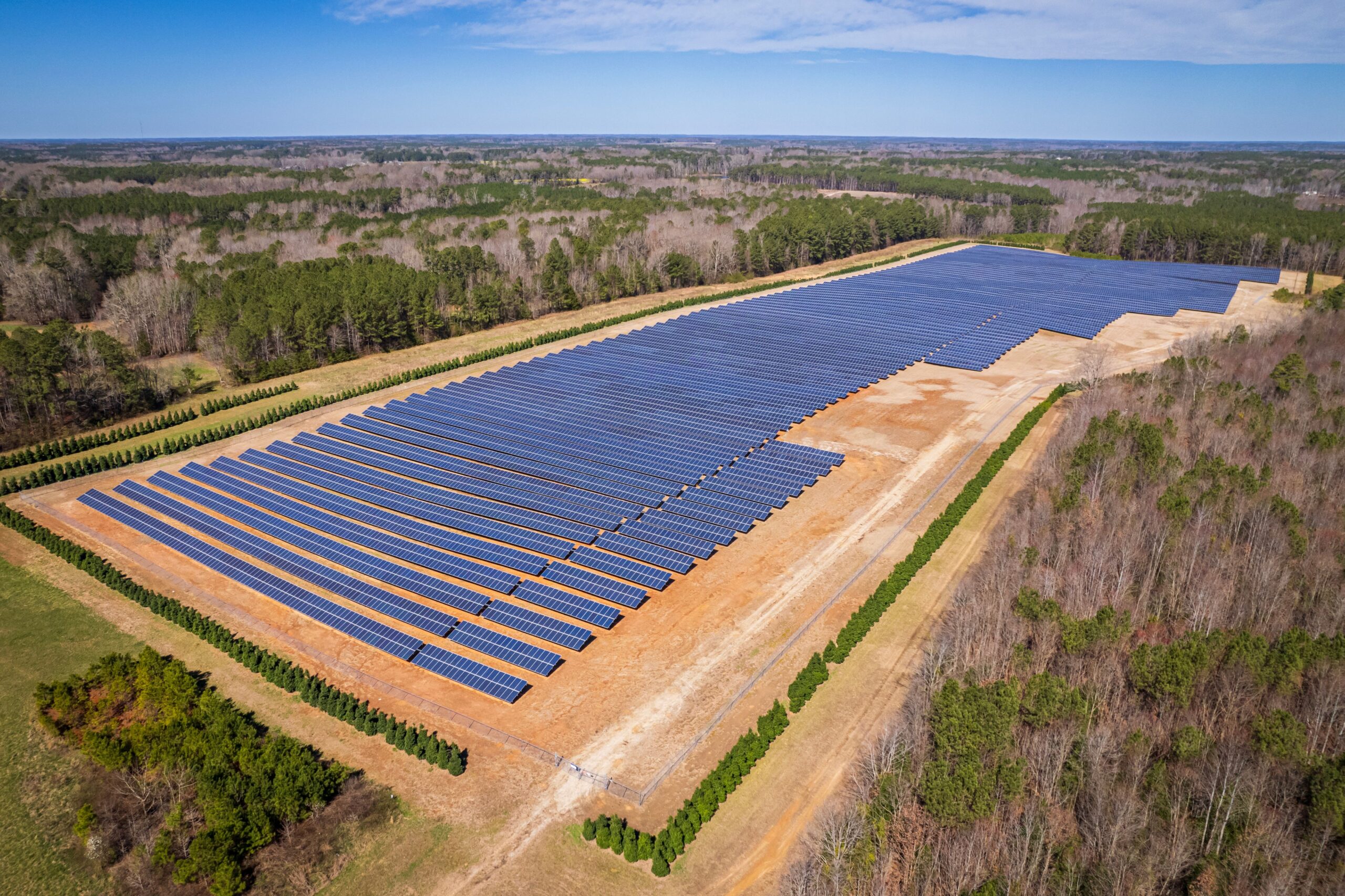
Generation is also growing explosively: in 2025, solar output rose 30% to 2,778 TWh and on its own covered 75% of the net increase in global electricity demand (Ember, Global Electricity Review 2026). If nuclear power is added to renewables, “clean” electricity reached 40.9% of global generation in 2024 (Ember, Global Electricity Review 2025) and about 42.6% in 2025, according to Ember’s data. These new energy sources are redrawing the world’s electricity map.
Investment is already tilting toward clean energy
Money is perhaps the most telling indicator of where the system is heading. In 2025, global energy investment was expected to reach $3.3 trillion, of which about $2.2 trillion was going to clean energy (renewables, grids, storage, nuclear, efficiency and electric vehicles), compared with just $1.1 trillion for fossil fuels: a two-to-one ratio in favor of clean energy (IEA, World Energy Investment 2025).
This investment gap is the clearest sign that the transition no longer depends solely on subsidies or good intentions: capital markets are increasingly betting on renewables because they are competitive and low-risk over the long term.
Countries leading the transition
The transition is not advancing at the same pace everywhere. China accounts for about 60% of the global renewable capacity expansion expected through 2030 (IEA, Renewables 2024), and in 2024 alone it added more than 340 GW of solar power (measured in direct current), a record for the country, according to the IEA’s Global Energy Review 2025.
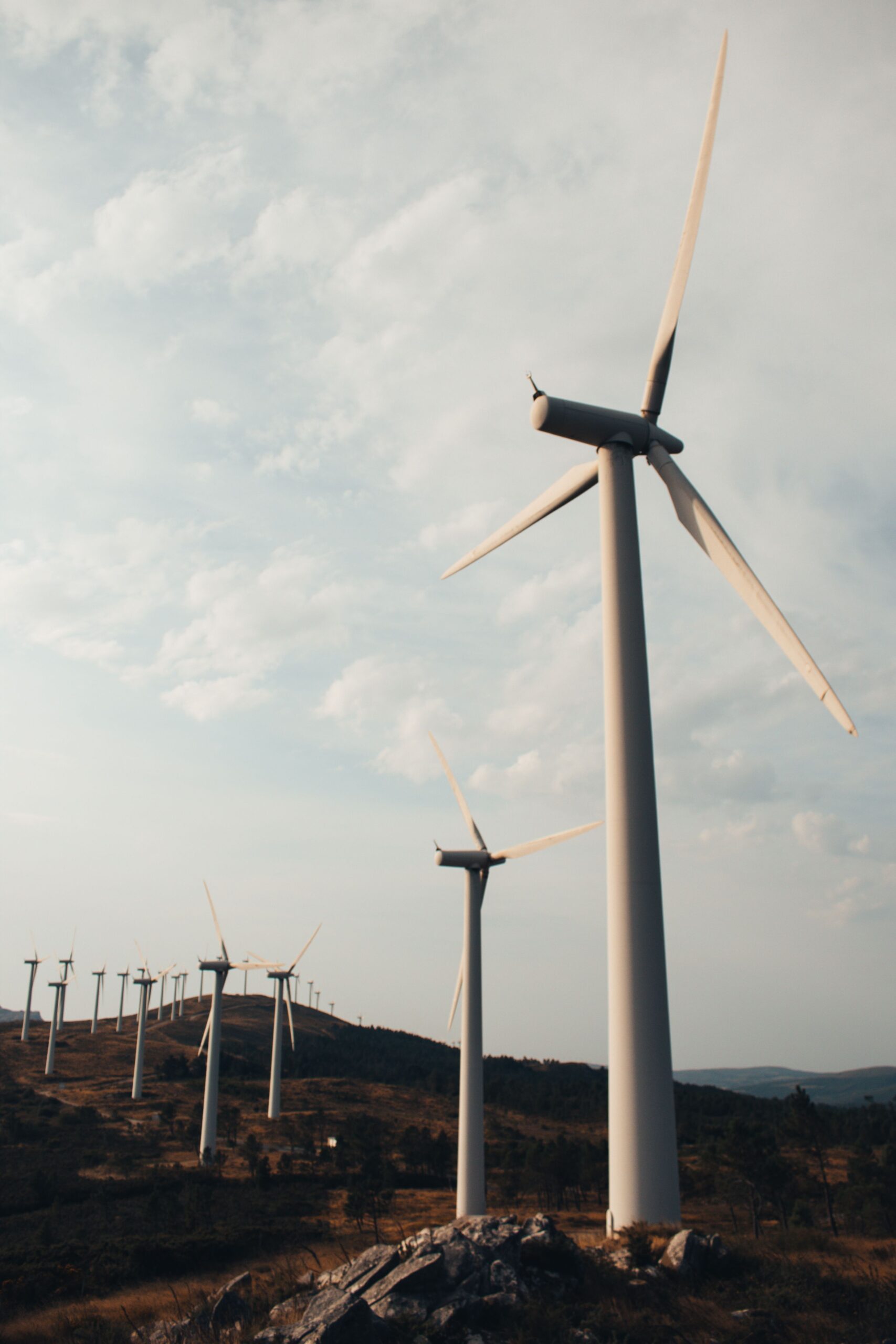
Other countries illustrate different transition paths depending on their resources: Germany with its ambitious renewables program, Denmark as a pioneer of wind power, Norway drawing on its vast hydropower potential, Brazil with an electricity mix that is already highly renewable, Spain driving solar and wind, and the United States combining natural gas with a growing rollout of renewables.
Fossil fuels: the starting point that still dominates
Despite the renewables boom, fossil fuels remain the foundation of the world’s energy system. Nations such as Russia depend heavily on oil and gas exports, and globally coal, oil and gas still supplied about 86% of total energy in 2025 (Our World in Data, 2026).
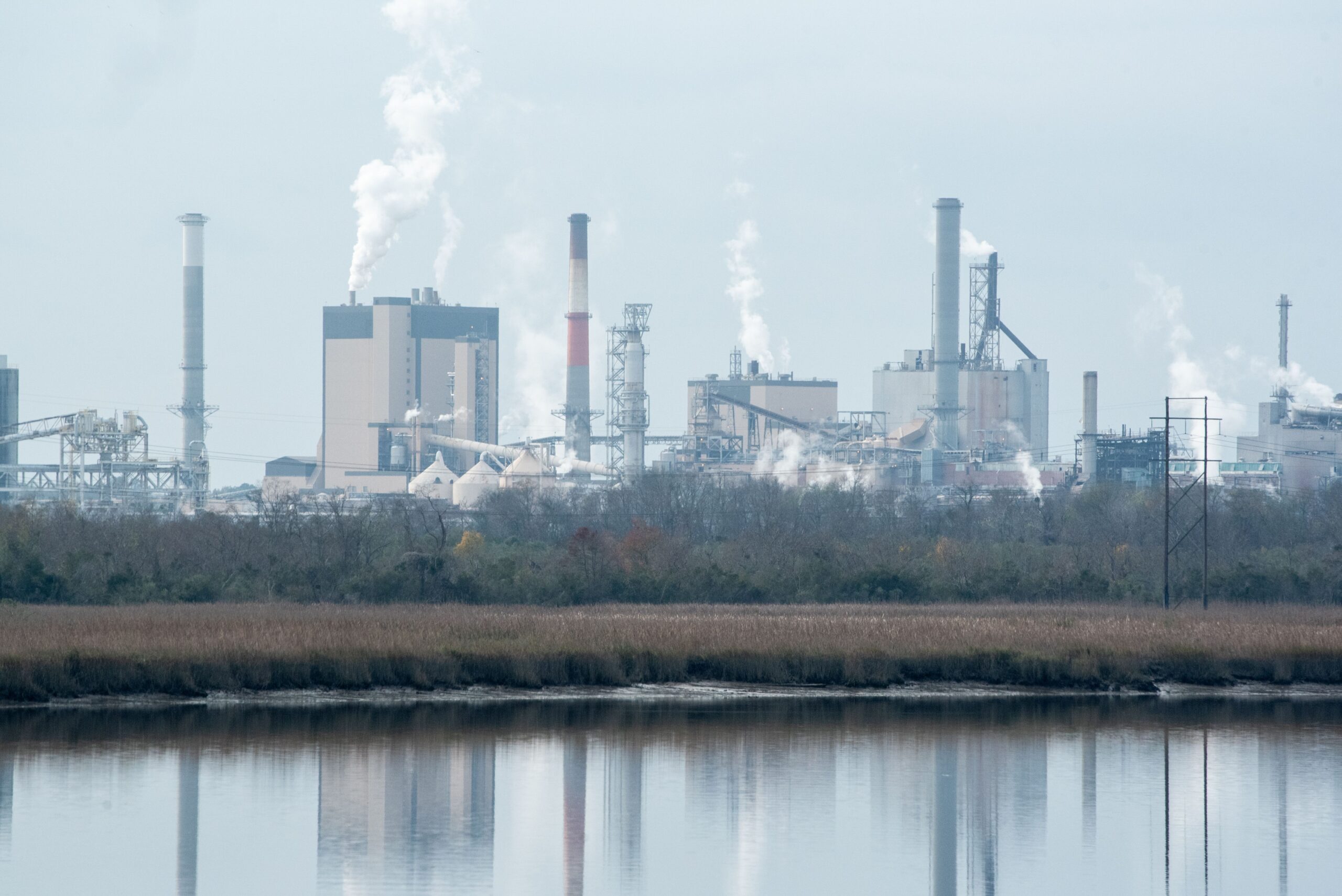
The good news is that this dominance is starting to crack. Under the IEA’s Stated Policies Scenario, global demand for oil, gas and coal could peak before 2030 (IEA, World Energy Outlook 2024). This projection should be treated with caution: in its World Energy Outlook 2025, the IEA, while declaring that “the Age of Electricity is here,” projected that under stated policies oil demand only levels off around 2030, and that under current policies oil and gas demand keep growing to 2050.
Net-zero targets and the COP28 agreement
The horizon of the transition is set by the goal of carbon neutrality (net zero) by around 2050, that is, emitting no more CO₂ than can be removed from the atmosphere. At the COP28 climate summit (Dubai, 2023), nearly 200 countries agreed to triple global renewable capacity to more than 11,000 GW (11 TW) by 2030 (IEA, COP28 Tripling Renewable Capacity Pledge) and, for the first time, to transition away from fossil fuels.
The problem is the gap between ambition and reality: in 2024 the IEA warned that even if all countries fully implemented their current national ambitions, the world would fall about 30% short of that 11,000 GW target (IEA, COP28 Tripling Renewable Capacity Pledge). Meeting it will require further acceleration of deployment, grid modernization and investment.
Challenges: grids, storage and financing
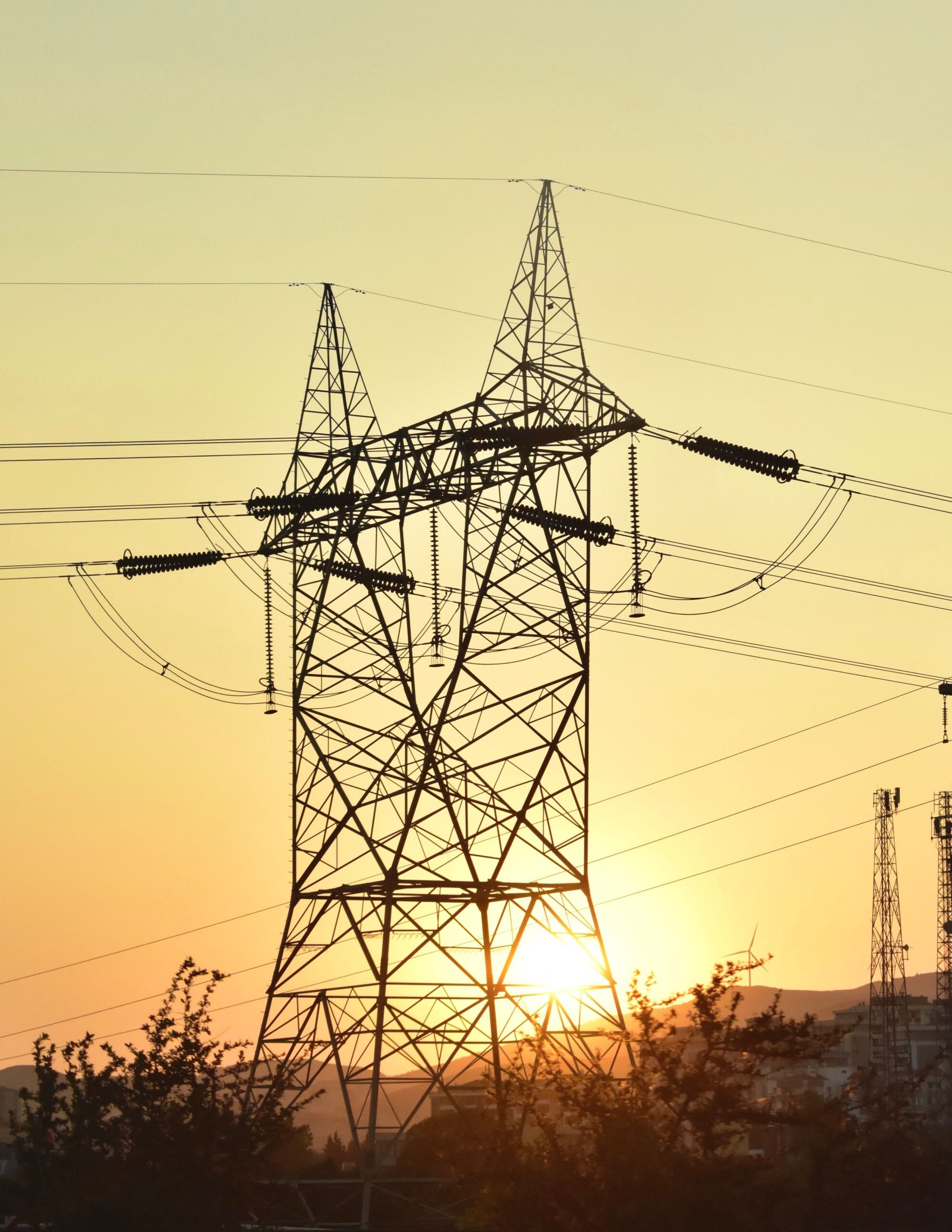
The energy transition is not without obstacles. The sun does not always shine and the wind does not always blow, so integrating large amounts of variable power requires modern electricity grids, much more battery storage capacity and flexibility mechanisms that balance supply and demand in real time.
On top of these technical challenges come economic and social ones: channeling financing to emerging economies, securing the critical minerals needed for batteries and panels, and ensuring a just transition for the workers and regions that currently depend on coal and oil. Building a truly sustainable economy means tackling all of these fronts at once, not just installing more panels and turbines.
Related content
- Renewable natural resources: what they are, types and examples
- Non-renewable natural resources: characteristics and examples
- Alternative energy is possible
- New energy sources
- Sustainable development projects
- Sustainable economy
- Natural resources of China
- Natural resources of Germany
- Natural resources of Denmark
- Natural resources of Norway
- Natural resources of Brazil
- Natural resources of Spain
- Natural resources of the United States
- Natural resources of Russia
Sources used
- Ember — Global Electricity Review 2026
- Ember — Global Electricity Review 2025
- IEA — Renewables 2024
- IEA — Global Energy Review 2025
- IEA — World Energy Investment 2025
- IEA — World Energy Outlook 2024
- IEA — World Energy Outlook 2020
- IEA — COP28 Tripling Renewable Capacity Pledge
- Our World in Data — Fossil fuels as a share of total energy supply
The energy transition is no longer a laboratory hypothesis: it is the dominant trend in investment and deployment across the world’s power system. Renewables have overtaken coal, money is flowing into clean energy and more than 100 countries have set net-zero targets. The outstanding challenge is speed: accelerating grids, storage and financing enough for the transition to arrive in time to curb climate change. The direction of travel is clear; what is still being decided is how long it will take us to get there.
Related articles
Last updated: October 2, 2026
Leave a Reply