

North America holds exceptional natural wealth: Mexico is the world’s largest silver producer with 6,300 tonnes in 2024 (USGS), the United States leads global oil production at 13.2 million barrels a day (EIA) and Canada holds 369 million hectares of forest, close to 9% of the world total (NRCan). Add the Great Lakes, which hold 21% of the planet’s surface fresh water. Which are North America’s most important natural resources, and which countries lead in each?
North America’s natural resources are among the most abundant and strategically important in the world. The region — the United States, Canada and Mexico, together with Central America and the Caribbean — combines enormous mineral and energy reserves with vast boreal forests, continental river systems and a level of biodiversity that puts Mexico among the world’s seventeen megadiverse countries. That balance between extractive wealth and ecological heritage makes the continent a cornerstone of the global commodities market.
Table de contenidos
The figure that best captures its weight is an energy one: in 2024 the United States averaged 13.2 million barrels of crude oil a day, an all-time record that has kept it the world’s top oil producer every year since 2018 (EIA 2025). But oil is only part of the story: from Mexican silver to the Canadian forest, North America leads several global resource rankings.
Which minerals dominate the region? How much energy does it produce? Where are its largest forests, rivers and lakes? And why is its biodiversity so distinctive? This guide walks through the main natural resources of North America, with verified figures from official sources.
Natural Resources
Natural resources are materials or energy sources provided by or found on Earth that are useful to humans. Every product we manufacture is made up of natural resources.
- Renewable resources: these can be restored by natural processes faster than the rate at which they are consumed. Examples include solar radiation, wind, hydroelectric power, water when used properly, and plant and animal life.
- Non-renewable resources: once extracted, these are depleted and cannot regenerate. Examples include hydrocarbons, metals and minerals.
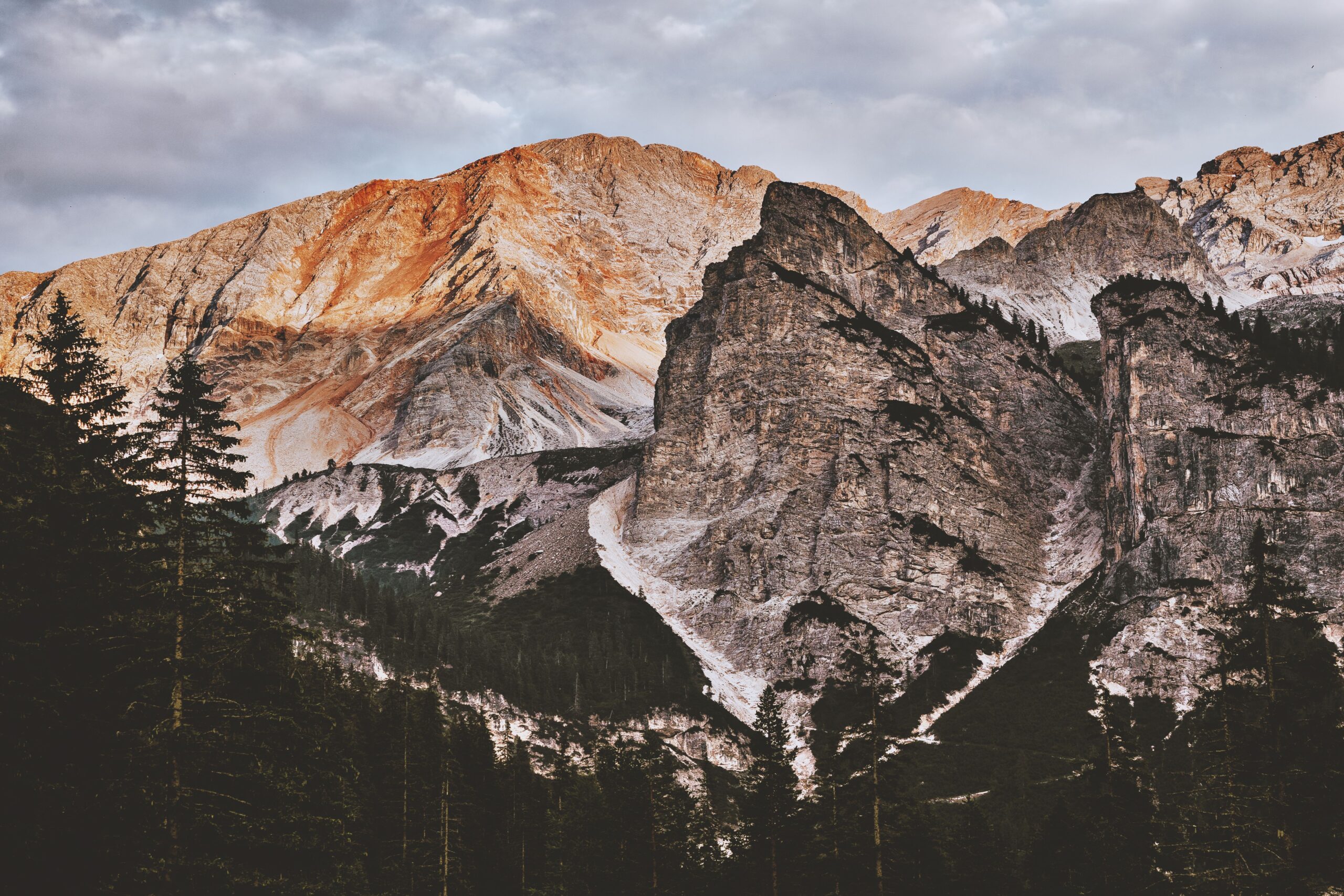
North America in figures: environmental indicators
Total and average for the 3 North American countries with comparable data, calculated from each country’s figures.
| Countries included | 3 with comparable data |
|---|---|
| Land area | 19,880,070 km² |
| Forest cover | 36.3% of the territory2023 |
| Forest area | 7,219,209 km²2023 |
| Protected land area | 13.1% of the territory2025 |
| Annual change in forest area | −1,648 km² per year (2018–2023) |
| Agricultural area | 29.0% of the territory2023 |
Mineral resources: Mexico, the world’s silver leader
Mining is one of North America’s great strengths. Mexico is the world’s largest silver producer, with 6,300 metric tonnes in 2024 — almost double China, second with 3,300 tonnes — and ahead of Peru (USGS 2025). That lead, inherited from centuries of mining tradition, makes silver one of the region’s most emblematic resources. You can go deeper into the Mexican case in our guide to the natural resources of Mexico.
The United States provides the other mining pillar. In 2024 it produced around 1.1 million tonnes of copper, with Arizona accounting for close to 70% of national output (USGS 2025). Within the value of its metal production, gold accounted for 35%, copper 30% and iron ore 16% (USGS 2025). Canada completes the trio with enormous deposits of gold, nickel, potash and uranium. That mineral diversity extends to neighboring countries such as Jamaica, a long-standing bauxite exporter.
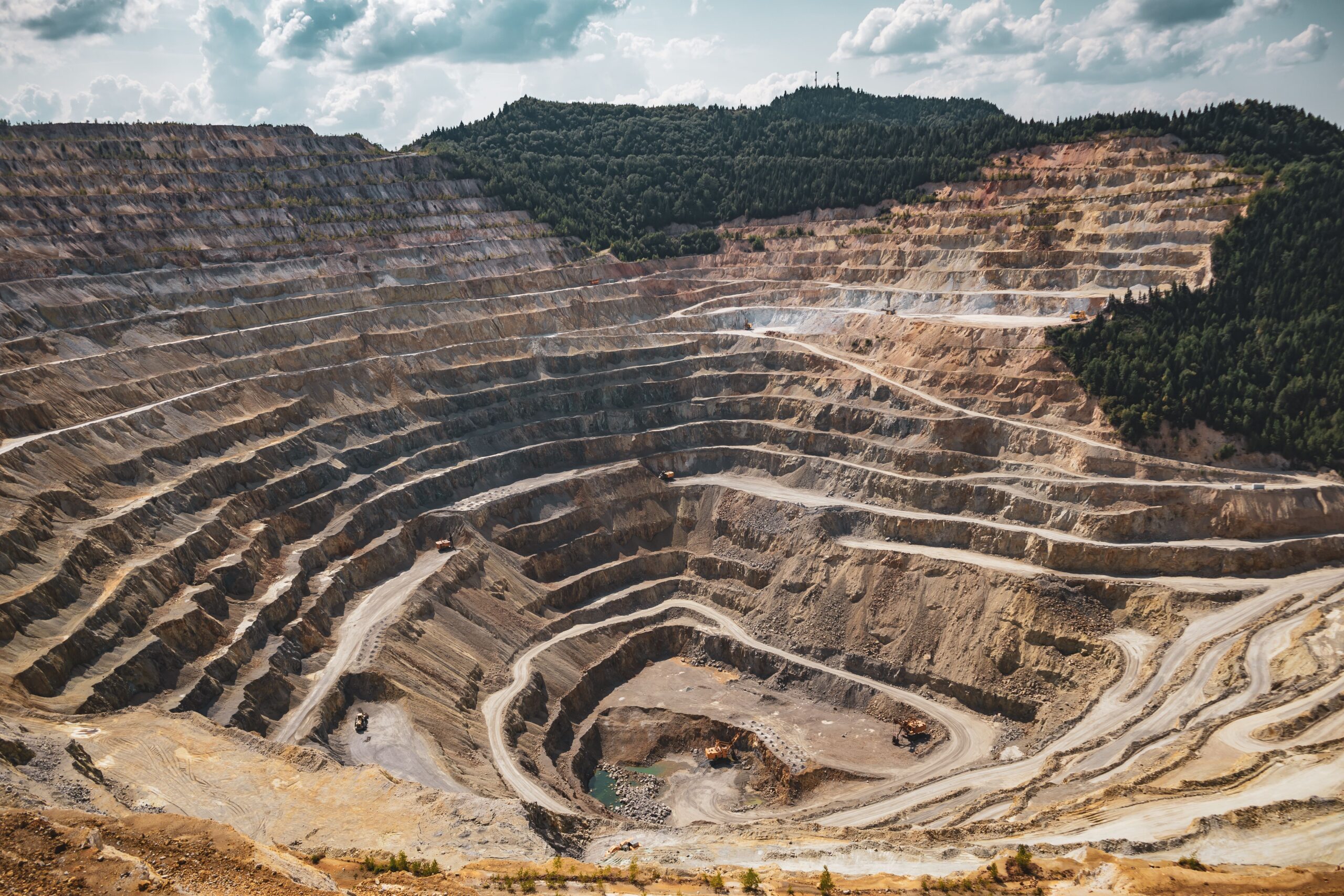
Energy resources: record oil and natural gas
North America is a global energy power. The United States leads not only in crude oil but in natural gas: in 2024 it extracted 37.7 trillion cubic feet of dry gas, a fifteenth straight year as the world’s top producer (EIA 2025). The Permian Basin, straddling Texas and New Mexico, alone supplied 6.3 million barrels of oil a day — almost half of all US crude (EIA 2025).
Canada is the other energy giant. The country holds around 163 billion barrels of proven oil reserves — the fourth largest in the world — of which between 97% and 98% sit in Alberta’s oil sands (NRCan 2025). These hydrocarbons are non-renewable resources: once extracted, they do not regenerate. For more on the US and Canadian energy mix, see our guides to the natural resources of the United States and natural resources of Canada.
Forest resources: Canada’s boreal forest
Forests are one of the continent’s most valuable renewable resources. Canada has 369 million hectares of forest, close to 9% of the world’s forest, making it the third most forested country after Russia and Brazil (NRCan 2025). Roughly 75% of that forest belongs to the boreal region, which accounts for about a quarter of the planet’s boreal forest (NRCan 2025).
The United States has some 310 million hectares of forest (roughly a third of its territory) and Mexico close to 66 million hectares of forest and jungle, according to estimates based on the FAO’s forest definition (FAO / Our World in Data 2020). Further south, the tropical forests of Guatemala, Honduras and Belize extend that forest heritage into the Mesoamerican corridor.
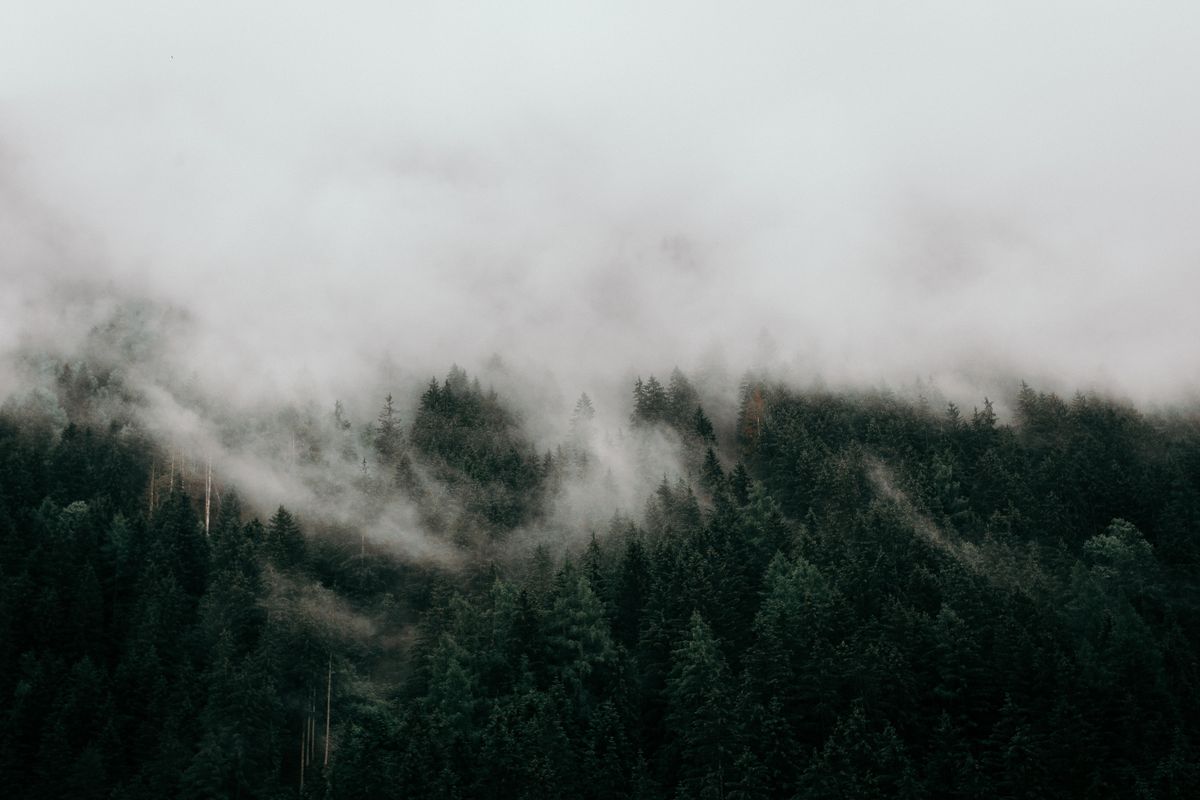
Water resources: the Great Lakes and the great rivers
Fresh water is perhaps North America’s most strategic resource. The Great Lakes hold around 21% of the world’s surface fresh water and close to 84% of North America’s, with a volume of roughly 22,810 cubic kilometers (NOAA 2024). Canada, for its part, is home to close to 20% of the world’s fresh water reserves, though it holds only about 7% of the world’s renewable fresh water (ECCC 2021).
The river systems are colossal too. The Mississippi-Missouri system, some 5,971 kilometers long, is the fourth longest river in the world (Britannica 2024), while the Mackenzie is Canada’s longest; measured as a full river system it reaches 4,241 kilometers, and its basin is the second largest in North America (Britannica 2024). In the Caribbean, islands such as Cuba and the Dominican Republic depend on much smaller but equally vital basins.
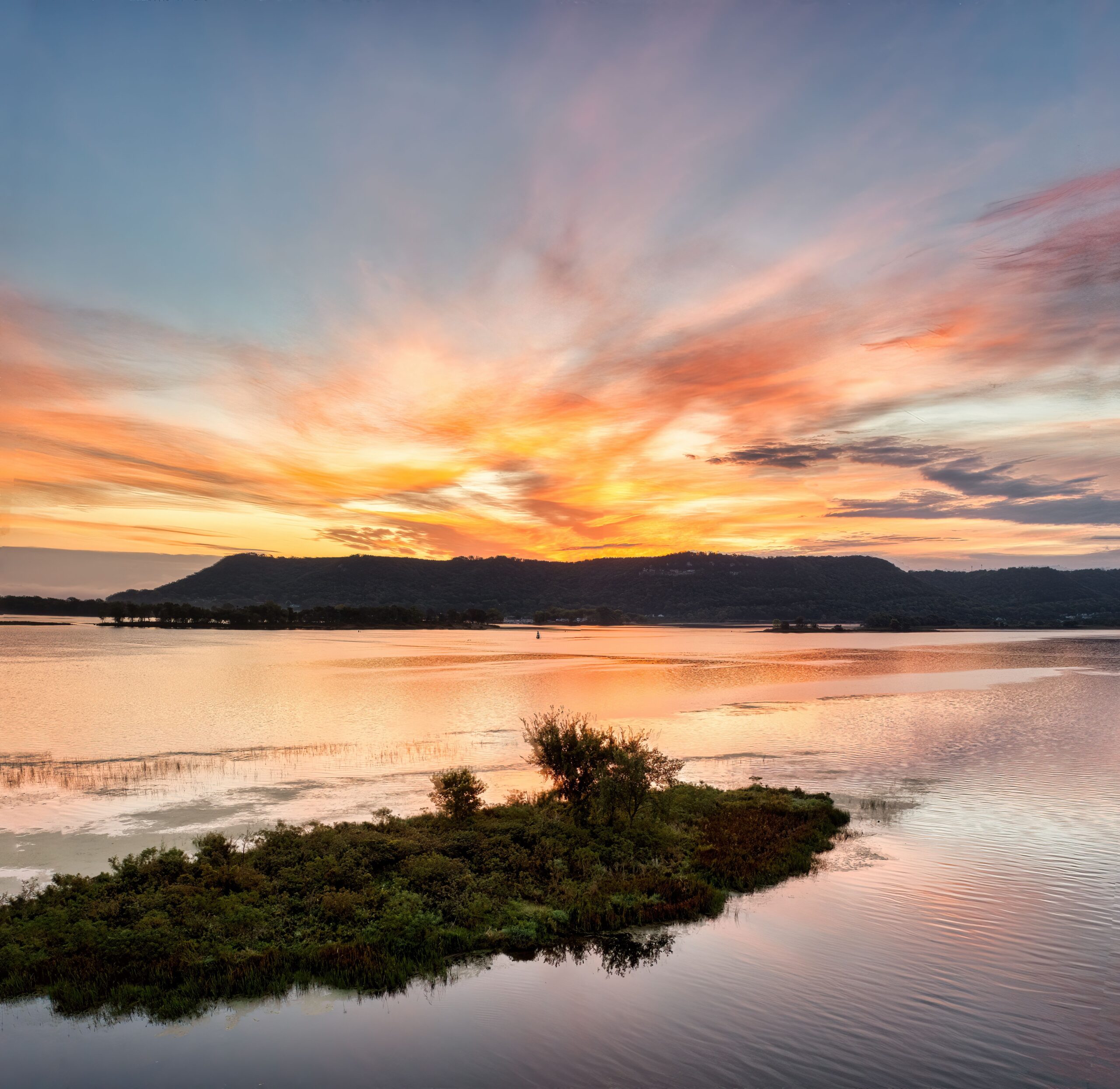
Biodiversity: Mexico, a megadiverse country
The range of North American ecosystems — from the Canadian Arctic to the tropical forests of the south — supports extraordinary biodiversity. Mexico is one of the seventeen megadiverse countries and holds between 10% and 12% of the world’s biodiversity, with more than 200,000 known species (CONABIO / SEMARNAT 2024). The country ranks second in the world for reptiles, with 864 species, and third for mammals, with 564 (CONABIO data).
Further north, emblematic species such as the bald eagle, the American bison and the grizzly bear symbolize the continent’s wildlife, while the monarch butterfly’s migration corridors connect Canada, the United States and Mexico every year. That biological heritage runs on through Central America in countries such as Nicaragua, Panama and El Salvador, and through the Caribbean in Haiti.

Renewable energy: hydropower and wind
The use of renewable resources is growing fast across the region. Thanks to its huge network of rivers and lakes, Canada has close to 83.5 GW of installed hydroelectric capacity, one of the largest in the world (IRENA 2024). The United States, meanwhile, reached some 156 GW of wind capacity in 2024, the second largest wind fleet on the planet after China (EIA 2024). These clean sources will be decisive for an energy transition aligned with sustainable development.
Why these resources matter, and how to manage them sustainably
The concentration of strategic resources makes North America a decisive player in global supply chains, from semiconductors — which depend on metals such as copper — to energy and food markets. That abundance raises a sustainability challenge, however: extracting hydrocarbons and minerals puts pressure on ecosystems, water and climate. The region is therefore moving toward models that combine responsible extraction with the conservation of boreal forests, wetlands and biodiversity corridors. Expanding renewable energy, reforesting and protecting river basins are key to making the continent’s natural wealth last. Understanding where these resources come from is the first step to managing them on sustainable development terms.
Country-by-country natural resource guides for the region
If you want to go deeper into each territory, these are our detailed guides to the natural resources of the countries of North America, Central America and the Caribbean:
- Natural resources of the United States
- Natural resources of Canada
- Natural resources of Mexico
- Natural resources of Guatemala
- Natural resources of Honduras
- Natural resources of El Salvador
- Natural resources of Nicaragua
- Natural resources of Panama
- Natural resources of Belize
- Natural resources of Cuba
- Natural resources of the Dominican Republic
- Natural resources of Haiti
- Natural resources of Jamaica
Sources used
- USGS — Mineral Commodity Summaries 2025 (Silver)
- USGS — Mineral Commodity Summaries 2025 (Copper)
- USGS — Value of U.S. mineral production 2024
- EIA — U.S. crude oil production 2024
- EIA — U.S. natural gas production 2024
- Natural Resources Canada — Oil sands
- Natural Resources Canada — Forest area
- FAO / Our World in Data — Forest area
- NOAA — Great Lakes fast facts
- Environment and Climate Change Canada — Water use
- Britannica — Mississippi River
- Britannica — Mackenzie River
- CONABIO / SEMARNAT — Mexico, a megadiverse country
- IRENA — Renewable Capacity Statistics 2024
- EIA — U.S. wind generation 2024
North America is, in short, a continent of natural superlatives: the world’s leading producer of oil, gas and silver, guardian of a fifth of the planet’s surface fresh water, and home to boreal forests and megadiverse tropical forests. Managing that wealth sustainably — favoring renewable energy and protecting ecosystems and biodiversity — is the great challenge if these resources are to keep benefiting the generations to come.
Related articles
Last updated: September 26, 2026
Leave a Reply