

Africa holds close to 30% of the world’s critical mineral reserves, including 76% of cobalt (DR Congo) and around 70% of phosphates (Morocco), along with the second-largest rainforest on the planet: the Congo Basin. What are Africa’s main natural resources? The continent stands out for its strategic minerals (cobalt, platinum, gold, diamonds, bauxite), its oil and gas reserves, enormous solar potential (60% of the world’s best solar resources) and eight biodiversity hotspots.
Africa is the world’s second-largest continent, covering approximately 30.3 million km² and 54 countries. Beneath its soils and forests lies one of the greatest concentrations of natural wealth on the planet: according to the International Monetary Fund, the continent holds close to 30% of the world’s critical mineral reserves. (IMF 2024)
Table de contenidos
Africa’s natural resources range from strategic minerals such as cobalt, platinum, gold and diamonds to large oil and gas reserves, the world’s second-largest rainforest and a unique biodiversity spread across eight ecological hotspots. Despite that abundance, much of the continent faces the challenge of turning its natural wealth into sustainable development.
What are Africa’s main mineral resources and where do they rank worldwide? What energy and water resources does it hold? How diverse are its wildlife and plant life, and how are they protected? Below we review the continent’s natural wealth using data from official sources.
Natural Resources
Natural resources are materials or energy sources provided by or found on Earth that are useful to humans. Every product we manufacture is made up of natural resources.
- Renewable resources: these can be restored by natural processes faster than the rate at which they are consumed. Examples include solar radiation, wind, hydroelectric power, water when used properly, and plant and animal life.
- Non-renewable resources: once extracted, these are depleted and cannot regenerate. Examples include hydrocarbons, metals and minerals.
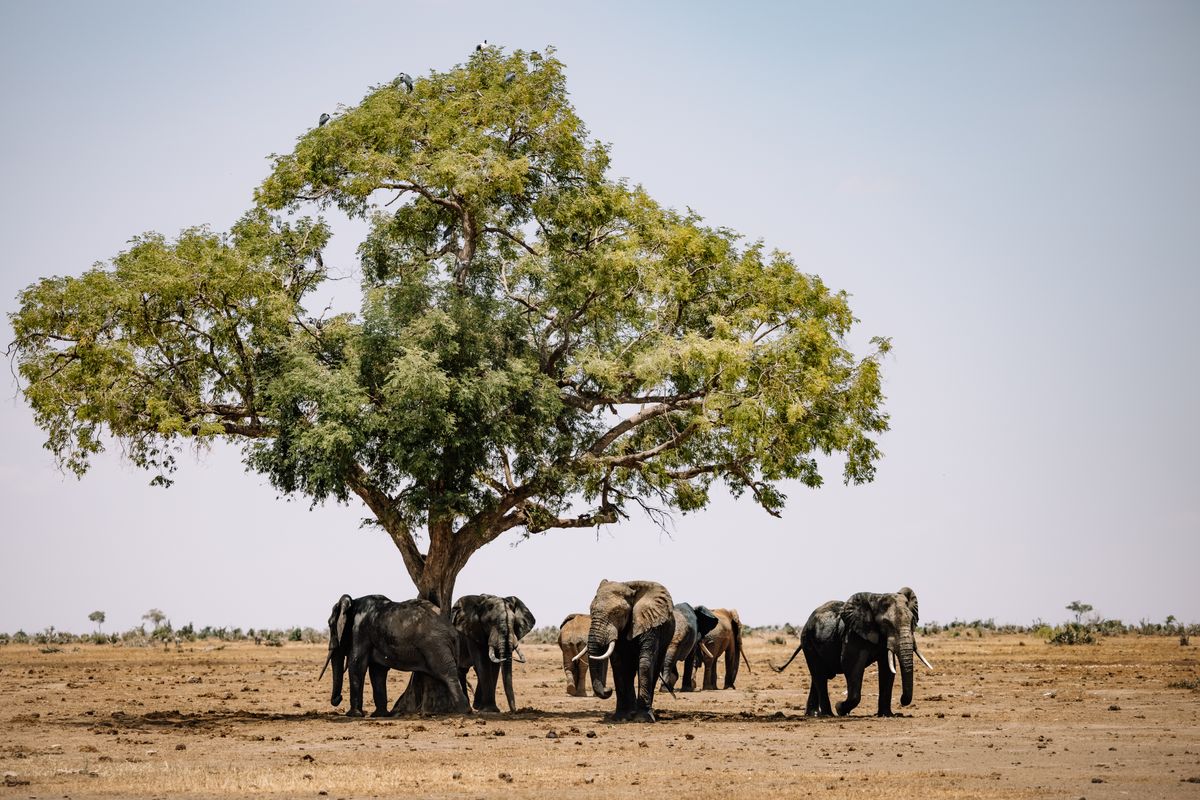
Africa in figures: environmental indicators
Totals and averages for the 54 African countries with comparable data, calculated from each country’s figures.
| Countries included | 54 with comparable data |
|---|---|
| Land area | 29,664,234 km² |
| Forest cover | 21.0% of the territory2023 |
| Forest area | 6,238,924 km²2023 |
| Protected land area | 14.8% of the territory2025 |
| Annual change in forest area | −39,896 km² per year (2018–2023) |
| Agricultural area | 39.5% of the territory2023 |
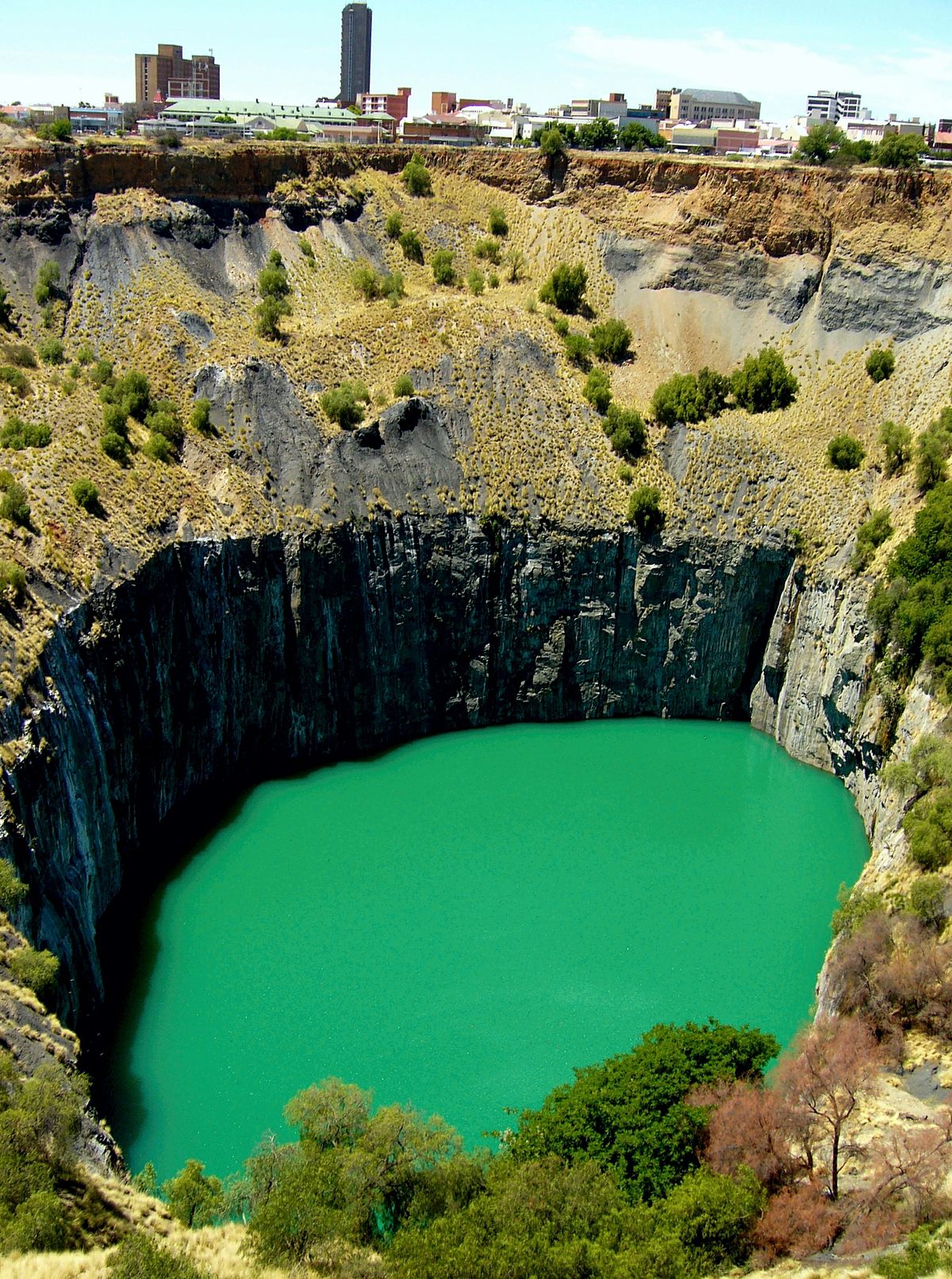
Mineral resources of Africa
Africa is the planet’s principal mineral reserve. The continent leads the world market in several strategic minerals, many of them essential to the energy transition and to modern technology.
The Democratic Republic of the Congo accounted in 2024 for around 76% of world cobalt production, a mineral central to batteries. (USGS 2025) For its part, South Africa holds the world’s largest reserves of platinum group metals — close to 90% of the total — and is a long-standing gold producer. (USGS 2025)
Guinea holds the world’s largest reserves of bauxite (the raw material for aluminum), while Morocco — together with Western Sahara — controls around 70% of world phosphate rock reserves, essential for fertilizers. (USGS 2025) Gabon is among the largest holders of manganese, with close to 25% of global reserves.
In diamonds, Botswana and Angola rank among the world’s largest producers, and Ghana leads African gold production. DR Congo and Rwanda also dominate world supply of coltan (tantalum), essential to electronics.
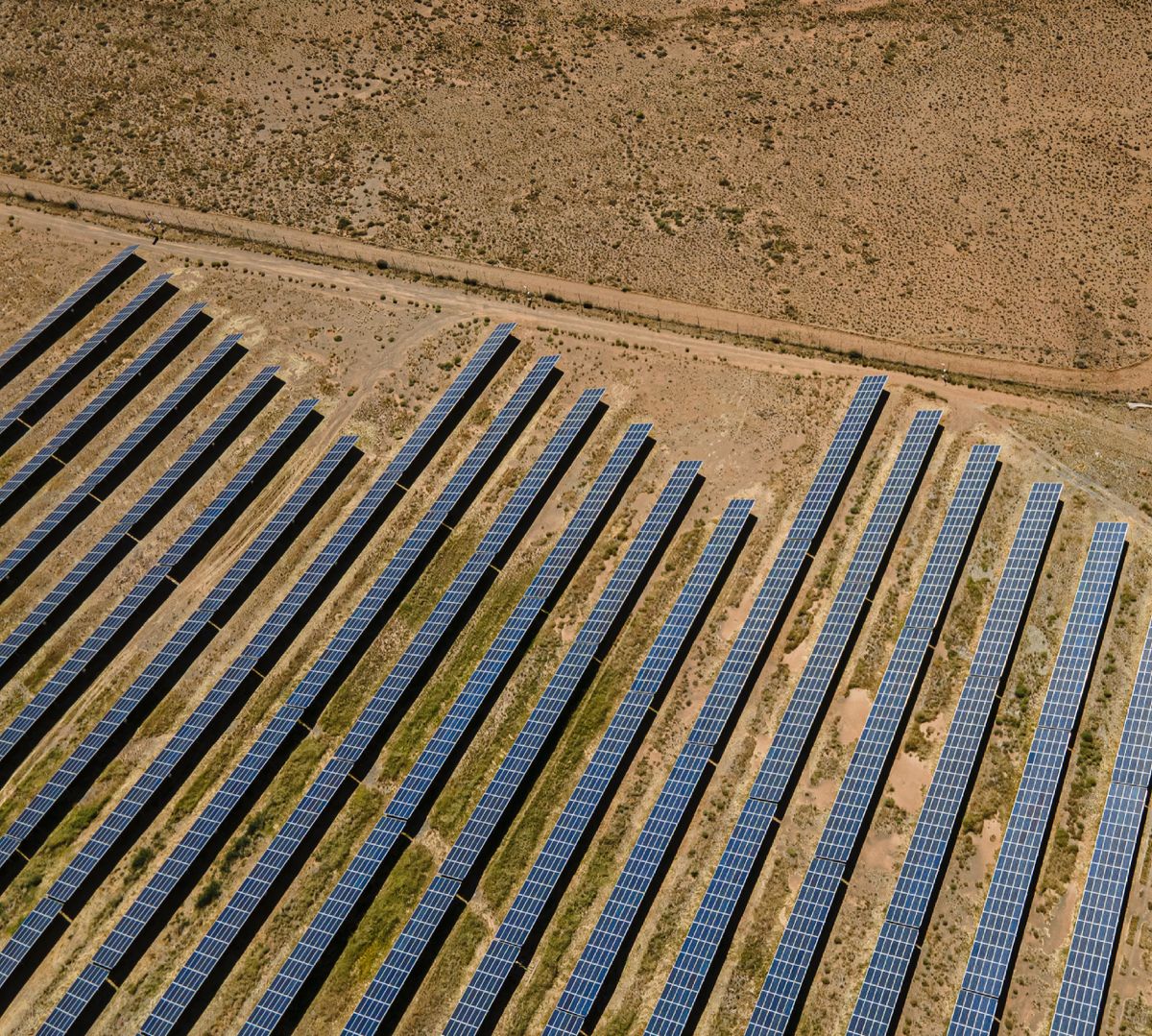
Energy resources: oil, gas and solar potential
Africa holds close to 12% of the world’s oil reserves and 8% of its natural gas reserves. (UNEP 2024) The reserves are highly concentrated: Libya (48.4 billion barrels), Nigeria (37.3 billion) and Algeria together held more than 80% of the continent’s recoverable oil in 2024. (OPEC / Business Day 2024)
Nigeria also leads the continent’s natural gas reserves, and Angola and Egypt complete the group of major hydrocarbon producers.
Africa’s greatest energy potential, however, is renewable. According to the International Energy Agency, the continent has 60% of the world’s best solar resources, but only around 1% of installed solar photovoltaic capacity worldwide. (IEA 2022) Harnessing that resource is one of the great opportunities for African sustainable development.
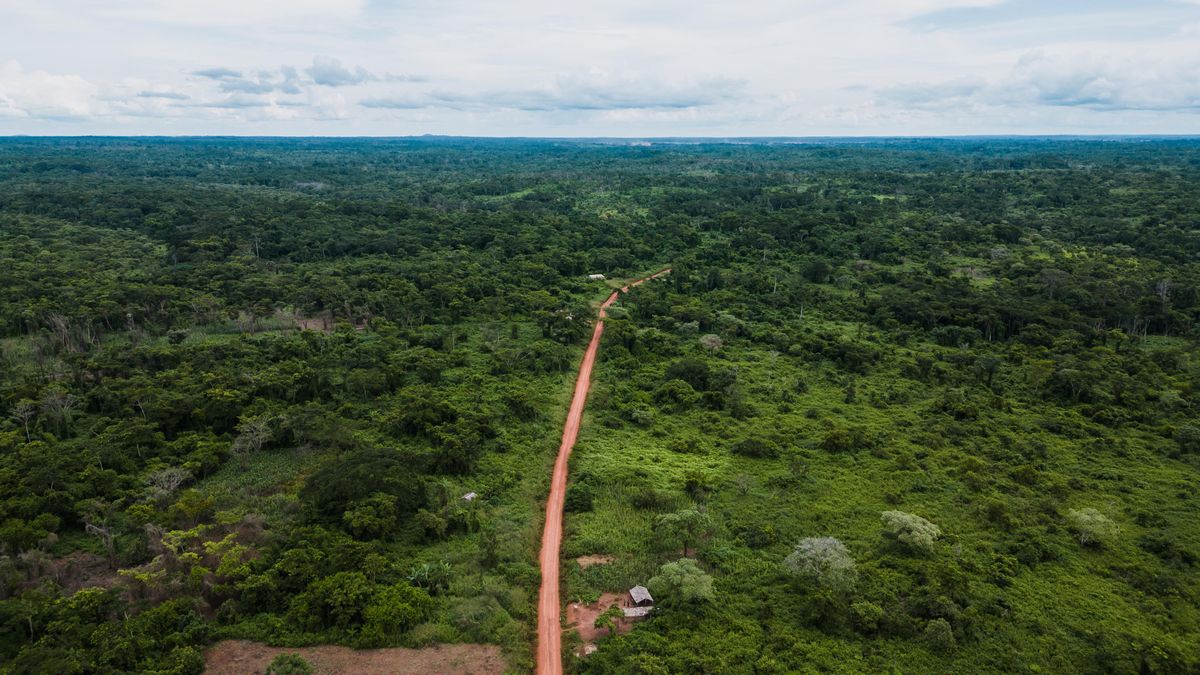
Forest resources: the Congo Basin
Africa’s forest heartland is the Congo Basin, the second-largest rainforest in the world after the Amazon. (FAO) It stretches across more than 4 million km² through six central African countries.
The Congo Basin is today the largest remaining net tropical carbon sink on the planet: it absorbs around 160 million tonnes of CO₂ a year. (Global Witness 2024) Africa nonetheless records the highest deforestation rate of any region in the world, losing 4.41 million hectares a year between 2015 and 2020. (FAO, FRA 2020)
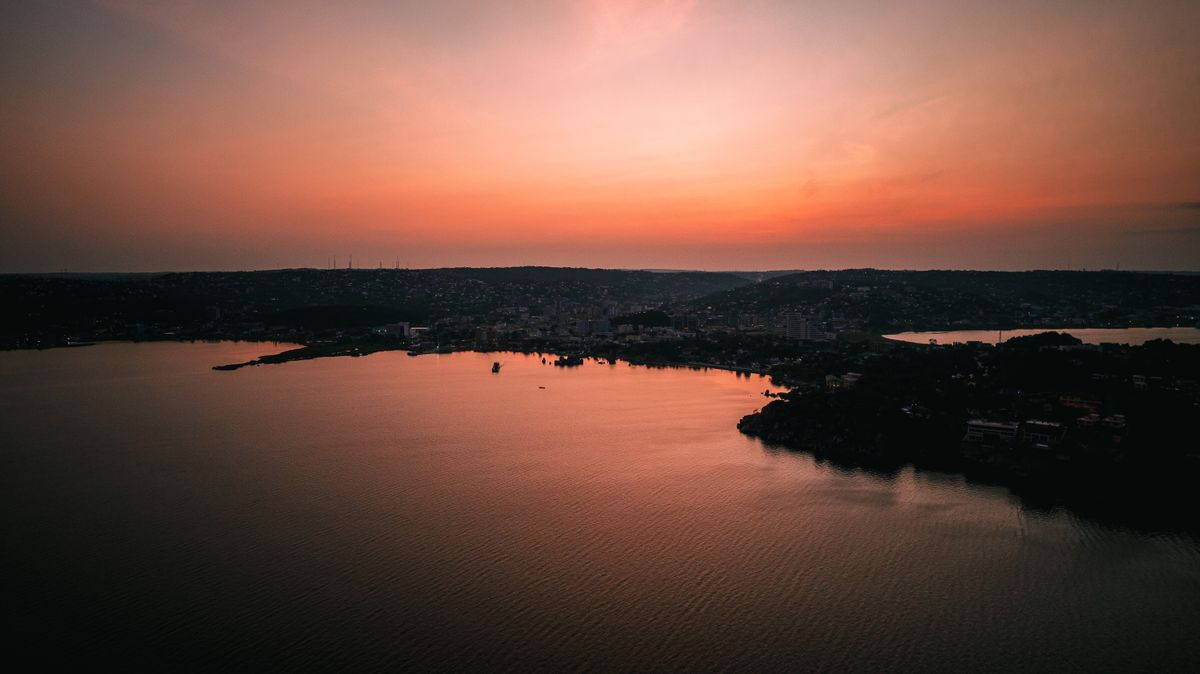
Water resources of Africa
Africa is home to some of the world’s most important rivers and lakes. The Nile, at around 6,650 km, is considered the longest river on the planet (although its exact length is debated). (Britannica)
The Congo River is the world’s second by flow — averaging close to 41,000 m³/s — and the deepest on the planet. Lake Victoria, shared by Tanzania, Uganda and Kenya, is Africa’s largest lake and the largest tropical lake in the world, covering almost 60,000 km². (Lake Victoria) These water resources sustain agriculture, fisheries and hydroelectric generation across much of the continent.
Biodiversity of Africa
Africa contains eight of the world’s recognized biodiversity hotspots, among them the Guinean Forests of West Africa, the Eastern Afromontane, the Cape Floristic Region, the Horn of Africa and Madagascar. (Conservation International)
Madagascar is one of the most singular territories on the planet: close to 95% of its land mammals and 60% of its birds are endemic. (CEPF) The Cape Floristic Region, in South Africa, holds some 9,000 plant species, of which close to 69% exist nowhere else in the world. (CEPF)
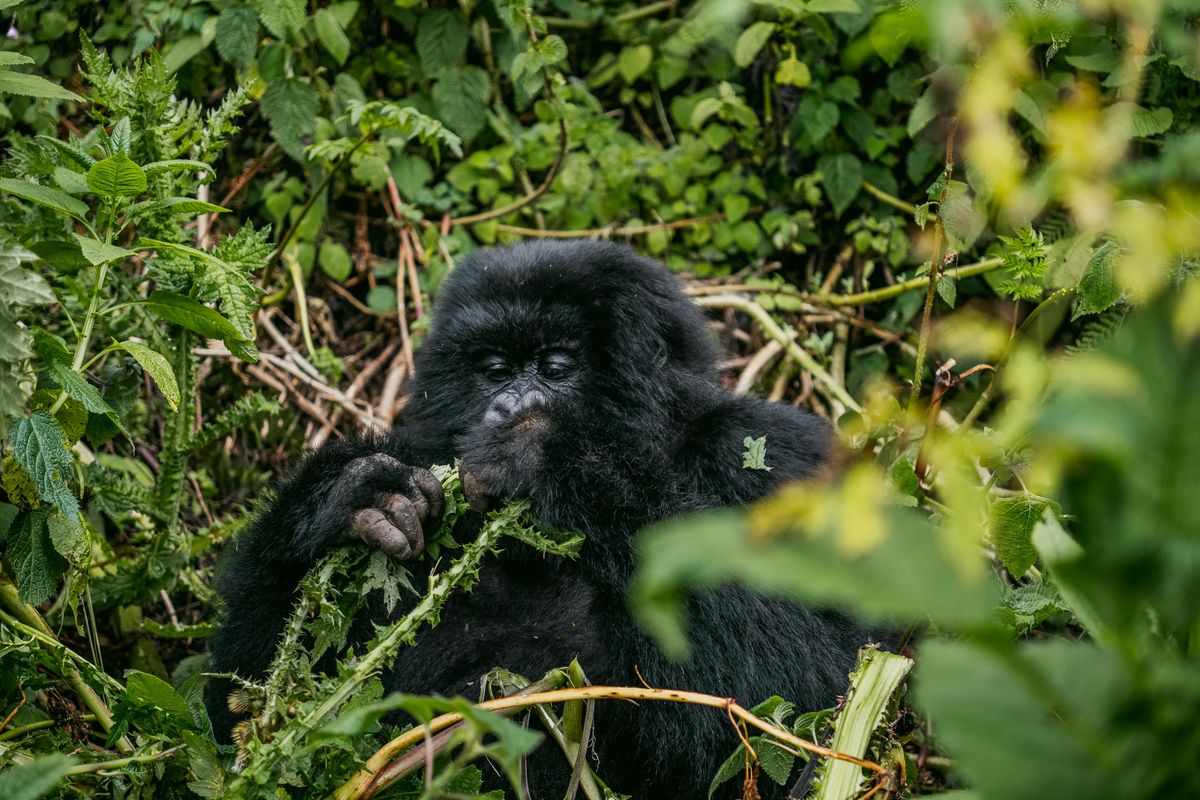
Added to that plant wealth is the continent’s emblematic wildlife — elephants, lions, rhinoceroses, mountain gorillas and great savanna herds — which makes Africa a global benchmark for wildlife conservation.
Environmental performance and protection of Africa’s natural resources
Close to 19% of Africa’s land area and around 17% of its surrounding seas are under some form of protection. (UNEP-WCMC 2022) Even so, pressure on ecosystems keeps growing.
The International Union for Conservation of Nature classifies the African forest elephant as critically endangered — its population fell by more than 86% in 31 years — and the savanna elephant as endangered. (IUCN 2021) Deforestation, poaching, habitat loss and the impact of mining are the main threats to the continent’s natural resources.
The African countries with the most natural resources
Africa’s natural wealth is spread very unevenly across its 54 countries. These are some of the most notable for their natural resources:
- South Africa: platinum, gold, manganese and coal.
- Nigeria: oil and natural gas.
- Angola: oil and diamonds.
- Libya and Algeria: the largest oil and gas reserves in North Africa.
- Guinea: the world’s largest bauxite reserves.
- Morocco: phosphates (fertilizers).
- Botswana: diamonds.
- Gabon: manganese, oil and rainforest.
- Ghana: gold and cocoa.
- Egypt: the Nile, natural gas and agricultural resources.
- Madagascar: nickel, chromium and a unique biodiversity.
- Namibia, Mozambique, Tanzania, Ethiopia, Kenya, Senegal and Tunisia: minerals, gas, water and agricultural resources.
Organizations that protect Africa’s natural resources
- WWF (World Wide Fund for Nature): conservation of African biodiversity and ecosystems.
- Conservation International: protection of biodiversity hotspots.
- African Wildlife Foundation: conservation of African wildlife and landscapes.
- IUCN: assessment of the conservation status of species (Red List).
- UNEP (UN Environment): environmental policy for the continent.
Sources used
- Mineral Commodity Summaries 2025 – USGS (cobalt, platinum, phosphates, bauxite, gold)
- Critical minerals in sub-Saharan Africa – IMF
- Africa Energy Outlook 2022 – International Energy Agency (IEA)
- Africa’s oil reserves 2024 – OPEC / Business Day
- Global Forest Resources Assessment 2020 – FAO
- The Congo Basin as a carbon sink – Global Witness
- Biodiversity hotspots – CEPF / Conservation International
- Red List of threatened species – IUCN
- Our work in Africa – UNEP
Taken together, Africa’s natural resources represent one of the greatest concentrations of wealth on the planet and a key piece of the global energy transition: from the cobalt in batteries to platinum, by way of the Sahel’s solar potential. The continent’s great challenge is to manage these resources sustainably, so that natural abundance becomes lasting development and wellbeing.
Related articles
Organizations that protect or study Africa’s natural resources
- UNEP – Regional Office for Africa: the UN programme coordinating environmental action across the African continent.
- African Union – AMCEN (Ministerial Conference on the Environment): forum of African ministers that sets environmental policy for the continent.
- African Wildlife Foundation (AWF): NGO conserving Africa’s wildlife and natural landscapes.
- IUCN – International Union for Conservation of Nature: global union with regional programmes conserving African biodiversity.
- WWF (World Wide Fund for Nature): international conservation organization active in many African countries.
- BirdLife International: global partnership protecting birds and natural habitats in Africa.
Last updated: September 13, 2026
Leave a Reply