

Non-renewable natural resources are materials that exist in fixed quantities and, once used up, do not come back on a human timescale. What are the best-known non-renewable natural resources? Oil, coal, natural gas, metallic minerals such as lithium, and nuclear uranium. They took millions of years to form, they pollute when burned, and oil and gas reserves are estimated in decades.
Non-renewable natural resources are those that exist in limited quantities and, once used up, do not come back on a human timescale. Understanding where they fit alongside renewable flows is detailed in our guides to types of natural resources and renewable vs. non-renewable resources. Oil, coal, natural gas and minerals are the best-known examples. They took millions of years to form, so once they run out there is no way to replace them any time soon.
Table de contenidos
What exactly are they?
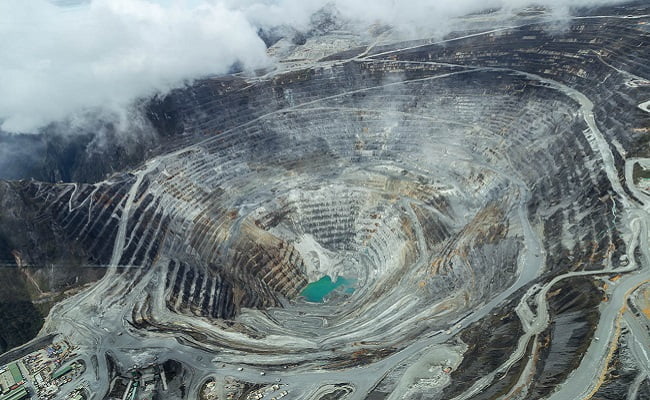
A non-renewable resource is a material that nature produced in the past through very slow geological processes, and that we now extract far faster than it takes to form. Oil, for example, came from organic remains buried for millions of years. However carefully we use it, reserves are finite, and every barrel burned is one fewer for the future.
Main characteristics
These resources share several traits:
- They are limited: there is a fixed quantity on the planet.
- They regenerate very slowly, on timescales of millions of years.
- They are concentrated in specific areas, which creates dependence and trade between countries.
- They tend to pollute when extracted or burned, fossil fuels above all.
- Their price rises as they grow scarcer and harder to extract.

Types and examples
They fall into four broad families:
- Fossil fuels: oil, coal and natural gas, used to generate energy and power transport.
- Metallic minerals: iron, copper, gold, aluminum and lithium, essential to industry and technology.
- Non-metallic minerals: salts, gypsum, phosphates and construction stone.
- Nuclear fuels: such as uranium, which powers nuclear plants.

How long will reserves last?
Nobody knows the exact date, but estimates point to decades for oil and gas, and somewhat longer for coal. The calculation shifts when new deposits are found or extraction technology improves. What is certain is that these resources have their days numbered, which is why the debate about replacing them grows more urgent.
Their weight in daily life
We may not see them, but they are everywhere. Plastic comes from oil, the steel in buildings contains iron, and the phone in your pocket uses lithium, cobalt and other minerals. That dependence explains why their price weighs so heavily on the economy and why their scarcity worries so many sectors.
Why their use is a concern
The problem is not only that they run out. Burning fossil fuels releases carbon dioxide, the main gas behind climate change. Mining and oil wells also leave their mark on the landscape and on water. That is why it is worth using them thoughtfully and supporting responsible consumption that reduces demand.
Toward a different model
The way out lies in using these resources less and better, and making room for other sources. Set against them are renewable natural resources, such as sun and wind, which do not run out and pollute far less. The transition is not immediate, but every step toward clean energy extends the life of what we still have.
Understanding what non-renewable resources are helps in making better decisions, from a country’s energy policy to what each household consumes.
The International Energy Agency (IEA) noted in 2023 that the use of oil and gas, the main non-renewable natural resources, must fall by 75% by 2050 in order to limit global warming to 1.5 °C.
Organizations that protect or study non-renewable natural resources
- International Energy Agency (IEA): analyzes world markets for oil, gas, coal and energy minerals.
- Natural Resource Governance Institute (NRGI): promotes responsible governance of oil, gas and minerals.
- EITI – Extractive Industries Transparency Initiative: the global transparency standard for non-renewable resource extraction.
- USGS – Mineral Resources: studies and quantifies the world’s mineral and energy resources.
- International Resource Panel (UNEP): assesses the sustainable use of natural resources, including non-renewables.
- IRENA – International Renewable Energy Agency: drives the transition from fossil fuels to clean energy.
Last updated: September 26, 2026
Leave a Reply