
Credenciales y experiencia
- Formación: Economista, Universidad de Antioquia (Medellín, Colombia).
- Experiencia: Cubriendo medio ambiente y desarrollo sustentable desde 2013.
- Manejo de datos: investigación y explotación directa de las bases de datos de los grandes centros de investigación internacionales — Banco Mundial, FAO, Servicio Geológico de Estados Unidos (USGS), Naciones Unidas y OCDE.
- Enfoque: traducir esos datos a un formato simple y gráfico — tablas, mapas y visualizaciones que permitan entender de un vistazo la situación ambiental de cada país.
- Publicaciones: 210 artículos publicados en Desarrollo Sustentable desde 2013, incluidas 163 fichas de recursos naturales por país.
- Ubicación: Medellín, Colombia.
Cómo se obtienen, verifican y actualizan estos datos: metodología y política editorial. Para correcciones o consultas: juanmonto5@hotmail.com.

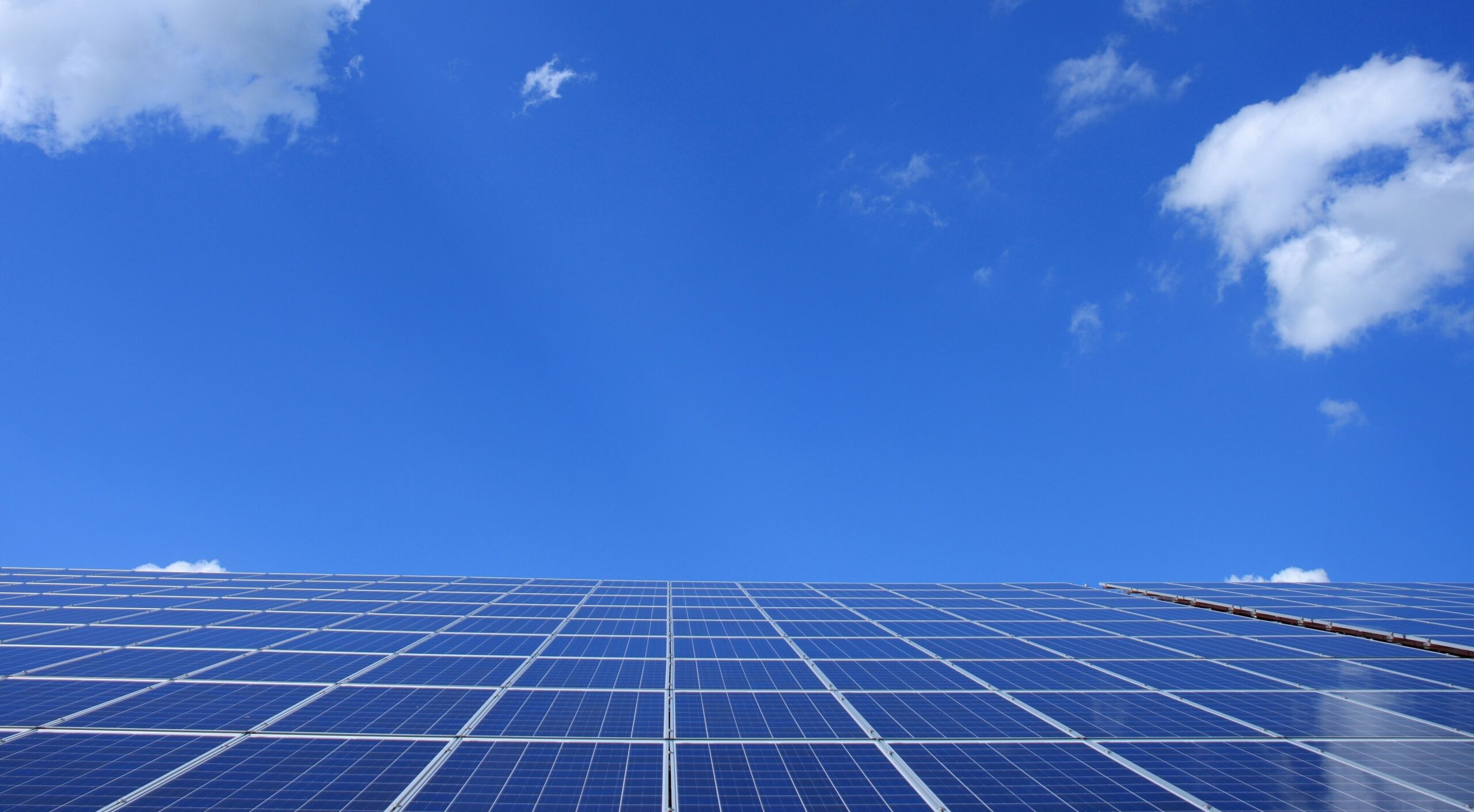
Solar Energy: How It Works, Photovoltaic vs Thermal, and Uses
Solar energy is power harnessed from the Sun’s radiation, captured primarily through photovoltaic panels that convert light into electricity and solar thermal collectors that produce heat. In 2024, the world installed a record 451.9 GW of new solar PV capacity, pushing cumulative capacity past 1,865 GW, according to IRENA. Why has solar energy become the…

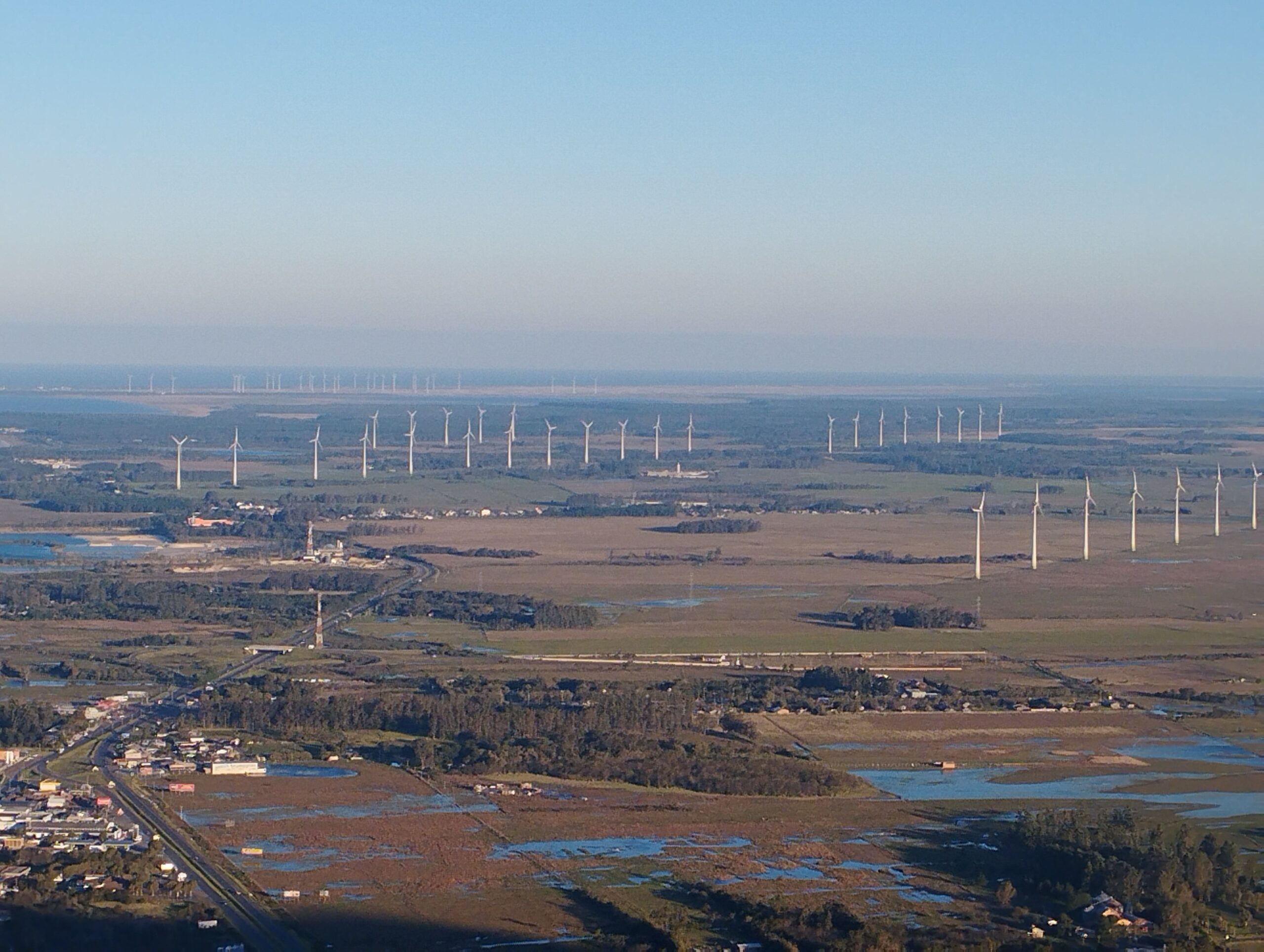
Wind Energy: How Wind Turbines Work, Advantages and Future
Wind energy is electricity generated by harnessing the kinetic power of moving air using wind turbines. By the end of 2024, cumulative global wind capacity reached 1,136 GW, supplying 8.1% of worldwide electricity, according to GWEC and Ember. It is an inexhaustible, clean renewable resource led by China with over 520 GW. How does a…

Hydropower: How Hydroelectric Energy Works, Types and Examples
Hydropower harnesses the energy of moving water to generate electricity. It is the world’s largest renewable electricity source, producing approximately 4,578 TWh and providing nearly 14.3% of global electricity in 2024, with total installed capacity exceeding 1,250 GW across more than 150 countries (IHA 2025). How exactly does it work, and why does it remain…
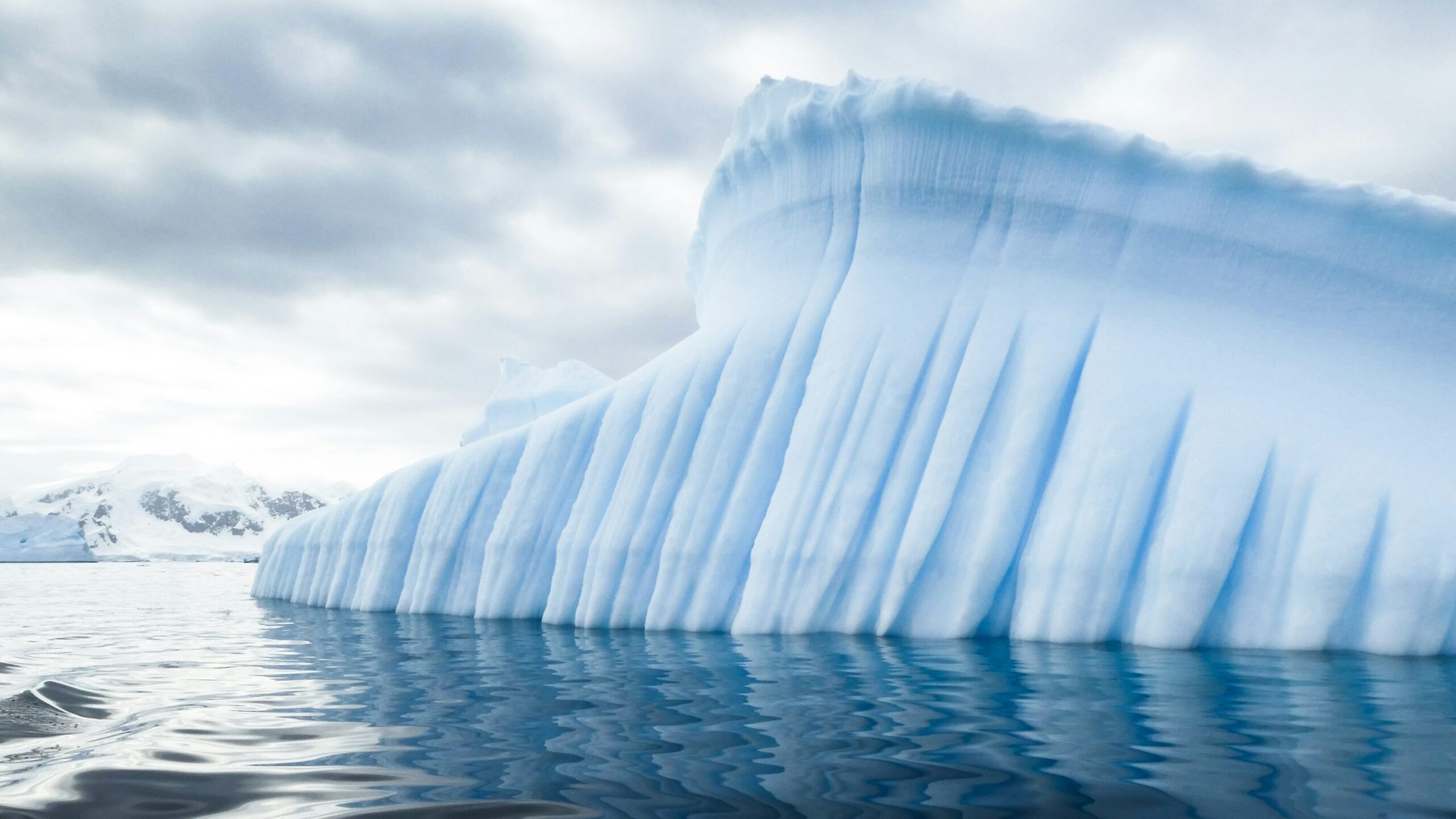
Antarctica Natural Resources: Ice Sheet, Marine Life and Minerals
Antarctica’s natural resources are unique on Earth: they belong to no single nation and commercial mining is strictly prohibited. The Antarctic ice sheet stores approximately 90% of the planet’s ice and about 70% of all global fresh water (Australian Antarctic Program). Its primary exploitable living resources reside in the Southern Ocean—chiefly Antarctic krill—strictly managed by…

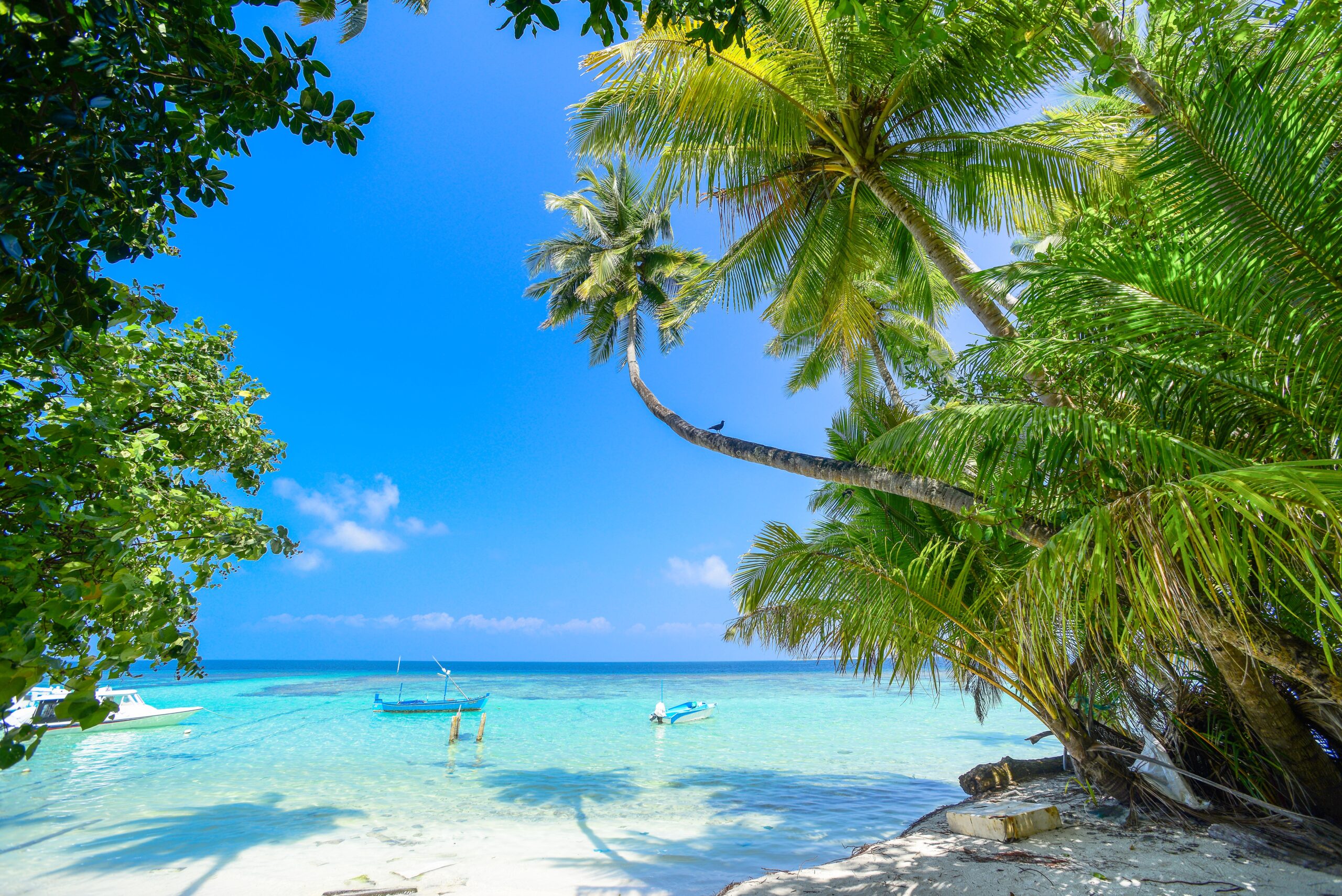
Caribbean Natural Resources: Marine Ecosystems, Minerals and Solar
The Caribbean holds immense natural wealth: it is one of Earth’s 36 global biodiversity hotspots, home to approximately 11,000 plant species with 72% endemism, alongside Jamaica’s bauxite, Cuba’s nickel and cobalt, the Dominican Republic’s gold, and Trinidad and Tobago’s oil and natural gas. What are the Caribbean’s primary natural resources, and where are they located?…

Central America Natural Resources: Biodiversity, Water and Forests
Central America’s natural resources combine emerging mineral wealth (the Cobre Panamá mine produced roughly 350,000 tonnes of copper per year, nearly 1% of global supply), an exceptionally renewable electricity grid (Costa Rica closed 2025 with 98.6% clean generation), and extraordinary biodiversity: the Mesoamerica hotspot harbors some 17,000 vascular plant species across just 0.5% of Earth’s…

Guatemala Natural Resources: Forests, Nickel and Hydropower
Guatemala’s natural resources include extensive tropical forests, 127.9 km³ of freshwater, metallic minerals (nickel, gold, silver), and agricultural soils that lead world cardamom production (52.2% of global exports). Forests cover 32.92% of its territory, anchored by the 2.09-million-hectare Maya Biosphere Reserve, while low-carbon sources generated 68% of the country’s electricity in 2024 (Ember). What are…
El Salvador Natural Resources: Geothermal Energy and Forests
El Salvador’s natural resources are characterized by fertile volcanic soils, 26.27 km³ of freshwater, and world-class geothermal energy reservoirs that provide 23% of national electricity. The country maintains an average annual precipitation of 1,784 mm, producing 5,253 GWh of renewable power (IRENA, 2023) while forest cover occupies roughly 27.53% of its land area. What are…
Bolivia Natural Resources: Lithium, Silver and Natural Gas
Bolivia’s natural resources encompass world-class mineral deposits—including the planet’s largest lithium reserve in the Salar de Uyuni (>20 million tonnes) and top-ten global silver output (1,190 tonnes)—alongside extensive natural gas fields, 303.5 km³ of freshwater, and extraordinary biodiversity spanning over 17,000 documented species. How are Bolivia’s mineral, energy, and forest resources distributed? Bolivia is a…
Dominican Republic Natural Resources: Gold, Nickel and Forests
The natural resources of the Dominican Republic are led by extensive forests, freshwater reserves, and world-class mineral deposits: forest cover spans 44.99% of its territory (21,684 km²), renewable freshwater reaches 23.5 km³ (FAO), and the Pueblo Viejo mine holds over 25 million ounces of gold reserves alongside major ferronickel extraction. What are the key natural…