
Credenciales y experiencia
- Formación: Economista, Universidad de Antioquia (Medellín, Colombia).
- Experiencia: Cubriendo medio ambiente y desarrollo sustentable desde 2013.
- Manejo de datos: investigación y explotación directa de las bases de datos de los grandes centros de investigación internacionales — Banco Mundial, FAO, Servicio Geológico de Estados Unidos (USGS), Naciones Unidas y OCDE.
- Enfoque: traducir esos datos a un formato simple y gráfico — tablas, mapas y visualizaciones que permitan entender de un vistazo la situación ambiental de cada país.
- Publicaciones: 210 artículos publicados en Desarrollo Sustentable desde 2013, incluidas 163 fichas de recursos naturales por país.
- Ubicación: Medellín, Colombia.
Cómo se obtienen, verifican y actualizan estos datos: metodología y política editorial. Para correcciones o consultas: juanmonto5@hotmail.com.

Croatia Natural Resources: Adriatic Coast, Forests and Bauxite
Croatia’s natural resources span the Adriatic coast, its extensive forests and several minerals such as bauxite, coal and salt. Forests cover 34.65% of the territory, its wildlife includes the gray wolf, and the Sava and Drava rivers sustain 105.2 km³ of renewable freshwater resources. What are Croatia’s most notable natural resources? Croatia is a country…
Gabon Natural Resources: Oil, Manganese and Rainforest
Gabon’s natural resources are concentrated in oil, gas and a rainforest that covers 91.2% of the territory. What are Gabon’s most important natural resources? The country produced 204,000 barrels of oil a day in 2023 and generated 910 GWh of hydroelectric power in 2024, and it has 5,236 species of vascular plants. Gabon is an…
Azerbaijan Natural Resources: Caspian Oil, Gas and Mud Volcanoes
Azerbaijan’s natural resources center on oil and natural gas, which make it a key energy exporter. What are Azerbaijan’s most notable natural resources? The country produced 710,758 barrels of oil per day in 2021 and 50.3 billion cubic meters of gas in 2024, and it has 7 billion barrels of reserves and 77.7 km³ of…
Panama Natural Resources: Canal Water, Rainforests and Copper
Panama’s natural resources stand out for their water, forests and biodiversity, with 148 km³ of renewable freshwater resources and annual rainfall of 2,928 mm, the fourth highest in the world. Forests cover 56.81% of its territory, and the country is home to more than 10,000 plant and animal species. What are Panama’s natural resources? Panama…
Turkey Natural Resources: Boron, Coal and Hazelnuts
Turkey’s natural resources include minerals such as iron and copper, fertile land and forests covering more than 25% of its territory. What are Turkey’s natural resources? Coal stands out, with 70.8 million tonnes in 2020 (11th in the world), along with iron production of 6,700 thousand tonnes. Turkey is a country located where Europe and…
Ethiopia Natural Resources: Hydropower, Blue Nile Water and Coffee
Ethiopia’s natural resources span water, forests, biodiversity and hydropower. Which of Ethiopia’s natural resources carry the most weight? In 2025 the country generated 32.2 TWh of hydroelectric power (Ember, 2025), led by the GERD dam on the Blue Nile, the largest in Africa, and it has 6,700 species of vascular plants, including coffee. Ethiopia, in…
Belgium Natural Resources: Coal, Limestone and Ardennes Forests
Belgium’s natural resources include fertile soils, coal, limestone, clay and sand, as well as its forests. How does Belgium produce energy? In 2025 it generated 29.3 TWh of renewable electricity, 44% of its total generation (Ember, 2025), while forests cover 22.76% of the territory, about 6,893 km². Belgium, a country in northwestern Europe, has a…
Armenia Natural Resources: Copper, Molybdenum and Lake Sevan
Armenia, in the South Caucasus, has natural resources that include forests, water and minerals such as copper, gold, molybdenum and zinc. How much water does Armenia have? Its renewable freshwater resources amount to 7.77 km³, ranking 127th in the world, and in 2025 it generated 2.6 TWh of renewable electricity (Ember, 2025), supported by Lake…

Soil Resources: Types, Agricultural Importance and Conservation
Soil and agricultural resources comprise the fertile upper layer of the Earth and the arable land required to produce food, fibers, and biomass. While soil directly or indirectly supports 95% of the food we consume, arable land accounts for only about 10.7% of global land area, and approximately 33% of soils are already degraded (FAO;…

Marine and Fishery Resources: Types, Global Value and Limits
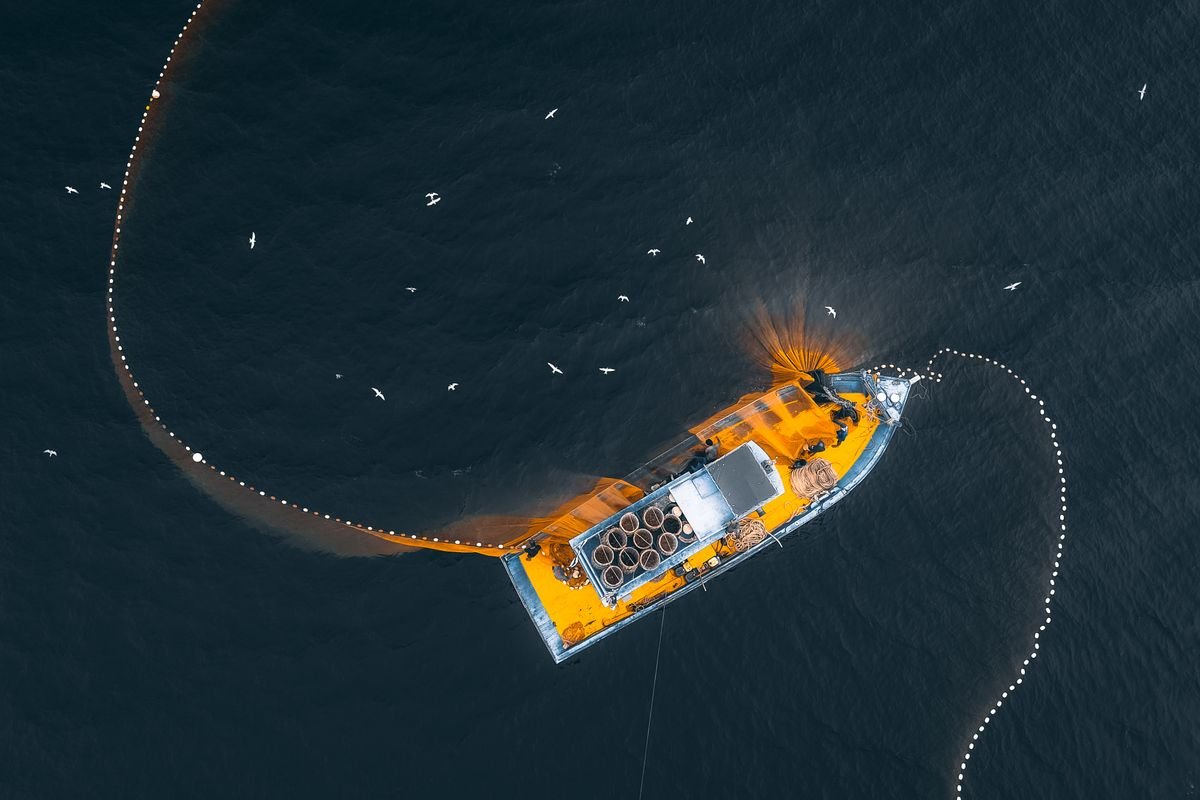
Marine and fishery resources encompass the living and non-living assets humans obtain from seas and oceans: fish, shellfish, algae, seabed minerals, energy, and marine biodiversity. In 2022, global fisheries and aquaculture production reached a record 223.2 million metric tons, including 185.4 million tons of aquatic animals (FAO SOFIA 2024). What are the primary marine resources,…