

Oceania holds some of the most strategic natural resources on the planet: Australia produced around 930 million tonnes of iron ore in 2024 and was the world’s largest lithium producer with 88,000 tonnes, while the region is home to close to 185 million hectares of forest and to the Great Barrier Reef, covering some 344,400 km². Which natural resources make Oceania a mining, energy and biodiversity power?
Oceania is the smallest region on the planet by land area but one of the richest in natural resources. Made up of Australia, New Zealand, Papua New Guinea and more than ten thousand Pacific islands spread across 14 independent countries, it combines enormous mineral deposits, natural gas reserves, extensive tropical forests and marine and terrestrial biodiversity found nowhere else in the world (Britannica 2025).
Table de contenidos
The region’s weight in global markets is striking. Australia has the world’s largest iron ore reserves, at some 23 billion tonnes of crude ore, and leads global lithium mining — the key metal for the batteries of the energy transition (USGS 2025). Add to that the liquefied natural gas of Papua New Guinea and Australia, New Zealand’s geothermal power, and island ecosystems that sustain the fisheries of dozens of Pacific nations.
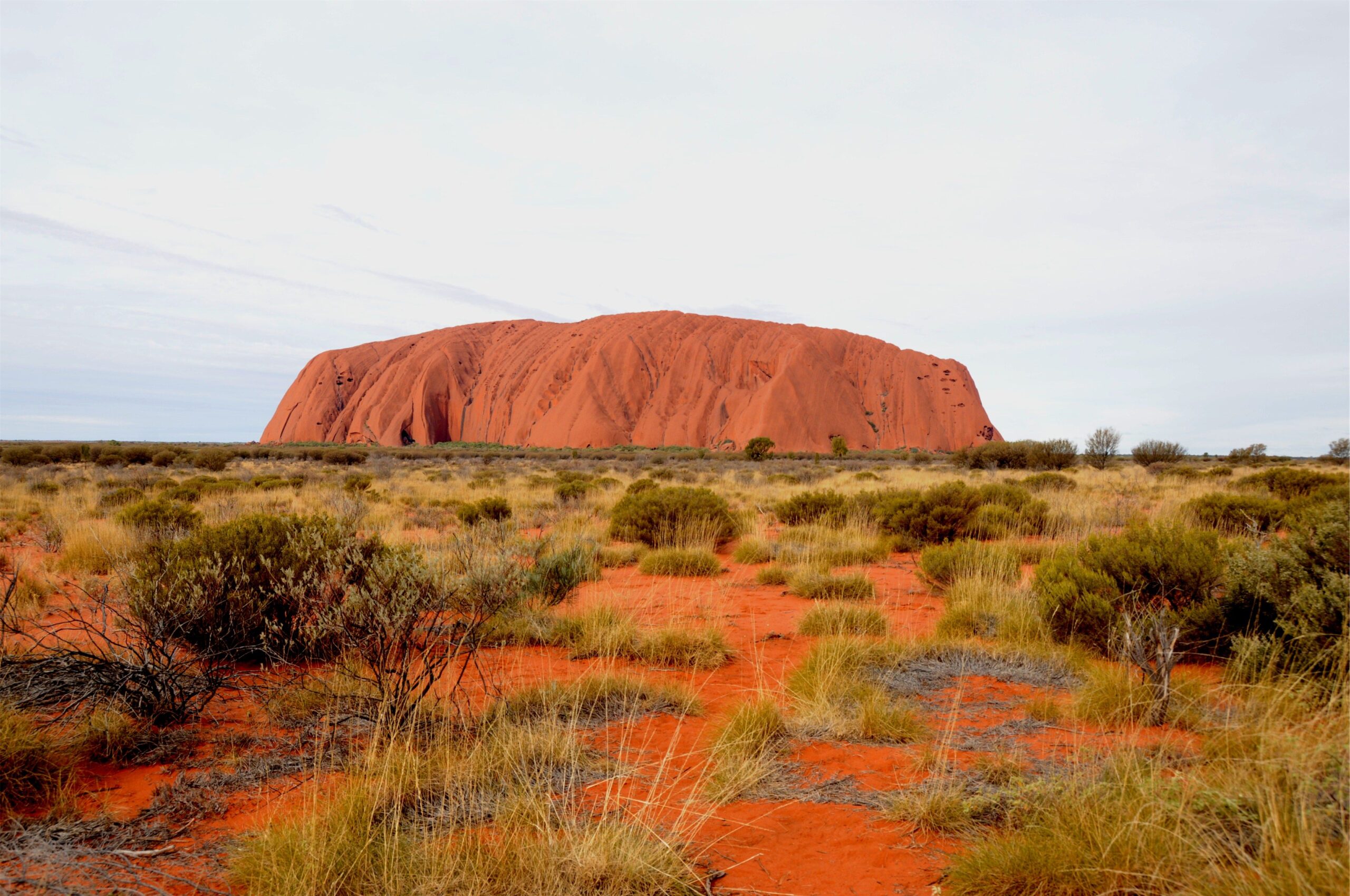
Which minerals and metals does Oceania hold? What part does it play in world energy? What are its forests, rivers and biodiversity like? Below we work through the region’s main natural resources and the countries that hold them, with verified data from official sources.
Natural Resources
Natural resources are materials or energy sources provided by or found on Earth that are useful to humans. Every product we manufacture is made up of natural resources.
- Renewable resources: these can be restored by natural processes faster than the rate at which they are consumed. Examples include solar radiation, wind, hydroelectric power, water when used properly, and plant and animal life.
- Non-renewable resources: once extracted, these are depleted and cannot regenerate. Examples include hydrocarbons, metals and minerals.
Oceania in figures: environmental indicators
Total and average for the 14 countries of Oceania with comparable data, calculated from each country’s figures.
| Countries included | 14 with comparable data |
|---|---|
| Land area | 8,472,340 km² |
| Forest cover | 21.7% of the territory2023 |
| Forest area | 1,841,206 km²2023 |
| Protected land area | 21.2% of the territory2025 |
| Annual change in forest area | −89 km² per year (2018–2023) |
| Agricultural area | 44.3% of the territory2023 |
Mineral resources of Oceania
Mining is unquestionably the region’s flagship sector. Australia is one of the world’s great mining powers and the engine of Oceania’s non-renewable resources. In 2024 it produced around 930 million tonnes of usable iron ore, more than any other country, and it holds the largest reserves in the world, estimated at some 23 billion tonnes of crude ore and 10 billion tonnes of contained iron (USGS 2025).
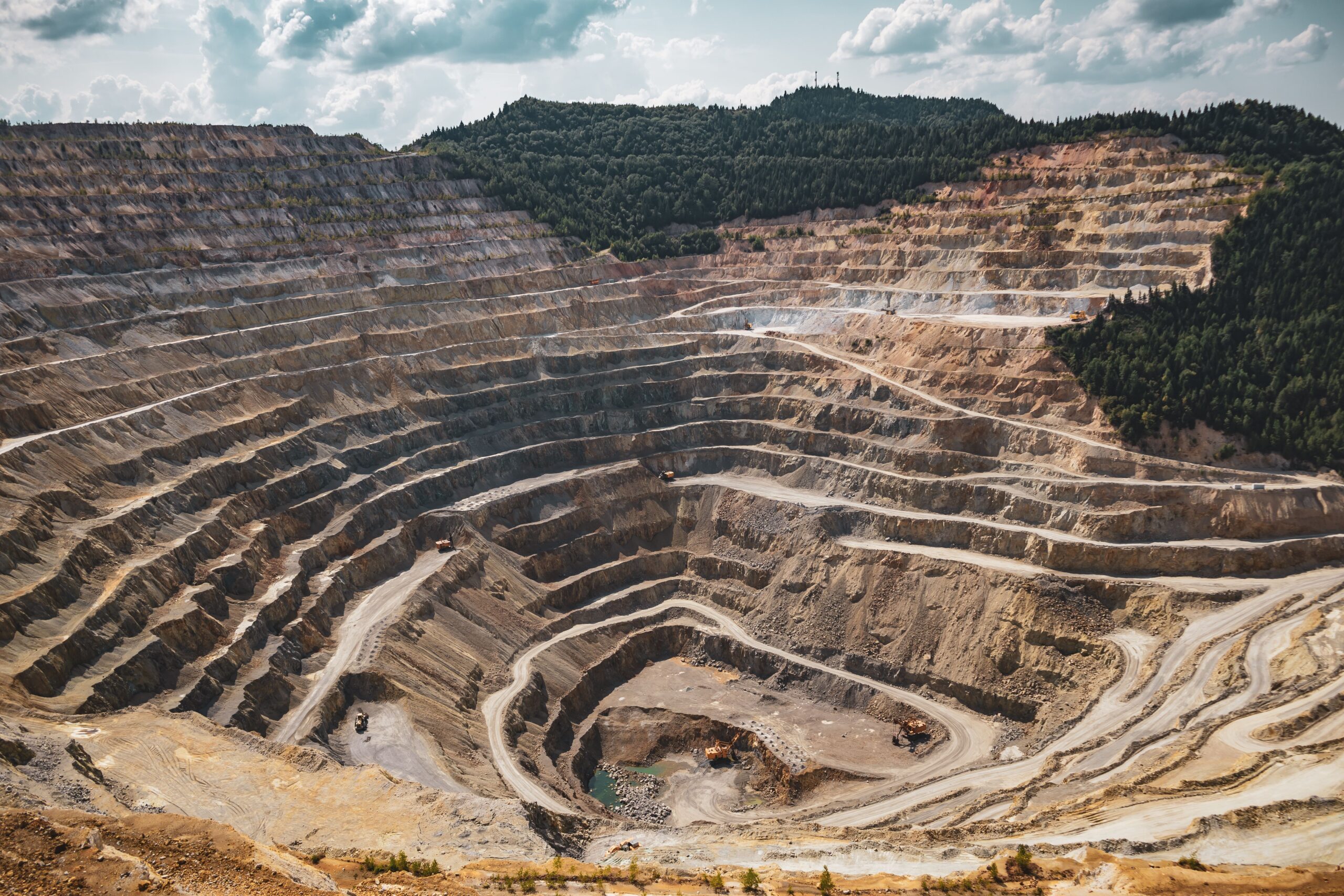
Lithium is the other headline resource. Australia was the world’s largest producer in 2024, with some 88,000 tonnes mined — more than a third of world production, estimated at 240,000 tonnes — thanks to hard-rock deposits such as Greenbushes, the largest lithium mine of its kind on the planet (USGS 2025). This metal is essential to electric vehicle batteries and energy storage, which has made Oceania a linchpin of the global energy transition.
The mineral list does not end there. Australia was the world’s second largest bauxite producer in 2024, with some 100 million tonnes of the raw material behind aluminum, behind only Guinea (USGS 2025). The country also holds the world’s largest gold reserves, put at around 12,000 tonnes (USGS 2025). In coal, Australia is the largest exporter of metallurgical coal and the second largest of thermal coal, and together these account for close to 25% of world coal exports (Geoscience Australia 2025). There is more on these deposits in our article on the natural resources of Australia.
Energy resources
Oceania is a first-rank energy exporter. Australia is one of the world’s largest exporters of liquefied natural gas (LNG): in the 2024 financial year its exports were worth around A$68.8 billion, with China, Japan and South Korea as the main destinations (IEA 2024). Papua New Guinea has also established itself as an LNG exporter: its PNG LNG project produces more than 8.5 million tonnes a year, around 20% above its nameplate design capacity (ExxonMobil 2025).
The region also stands out in renewables. New Zealand generates the great majority of its electricity from clean sources: in 2024, 85.5% of its generation was renewable, built on hydropower and geothermal energy, whose capacity grew 21% that year as new plants came online (MBIE 2025). This mix of natural gas, coal and renewables makes Oceania an energy laboratory where fossil resources and the shift to clean sources sit side by side. Find out more in the natural resources of New Zealand.
Forest resources
Forests cover a substantial part of Oceania. According to the FAO’s Global Forest Resources Assessment, the region holds around 185 million hectares of forest, close to 5% of the planet’s forest area (FAO 2020). Much of that forest is concentrated in Papua New Guinea, one of the most forested countries in the world: it has some 35.9 million hectares of forest, equivalent to close to 79% of its territory (World Bank 2020).
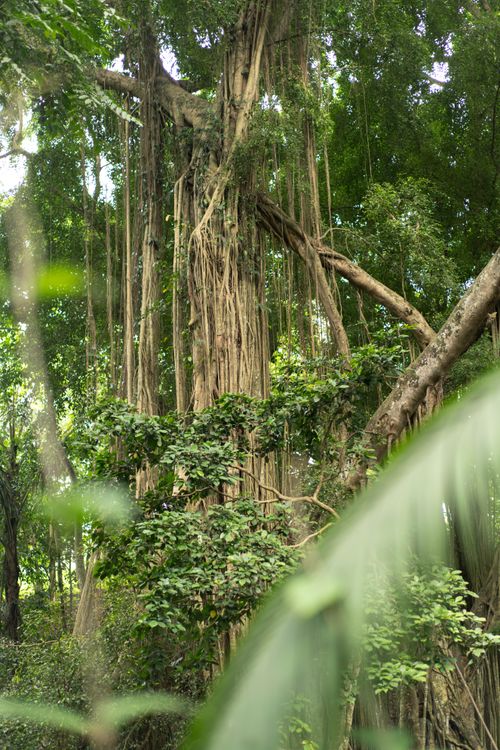
These rainforests, especially those of New Guinea, are among the most biodiverse on the planet and are a renewable natural resource of enormous value: they regulate the climate, store carbon, supply timber and shelter thousands of species that exist nowhere else. Conserving them is one of the region’s great environmental challenges.
Water resources
Water is an unevenly distributed resource in Oceania: while many Pacific islands depend on rainfall and fragile aquifers, Australia has large continental river systems. The Murray, the country’s longest river, runs roughly 2,508 kilometers and forms the Murray-Darling basin together with the Darling (MDBA 2025).
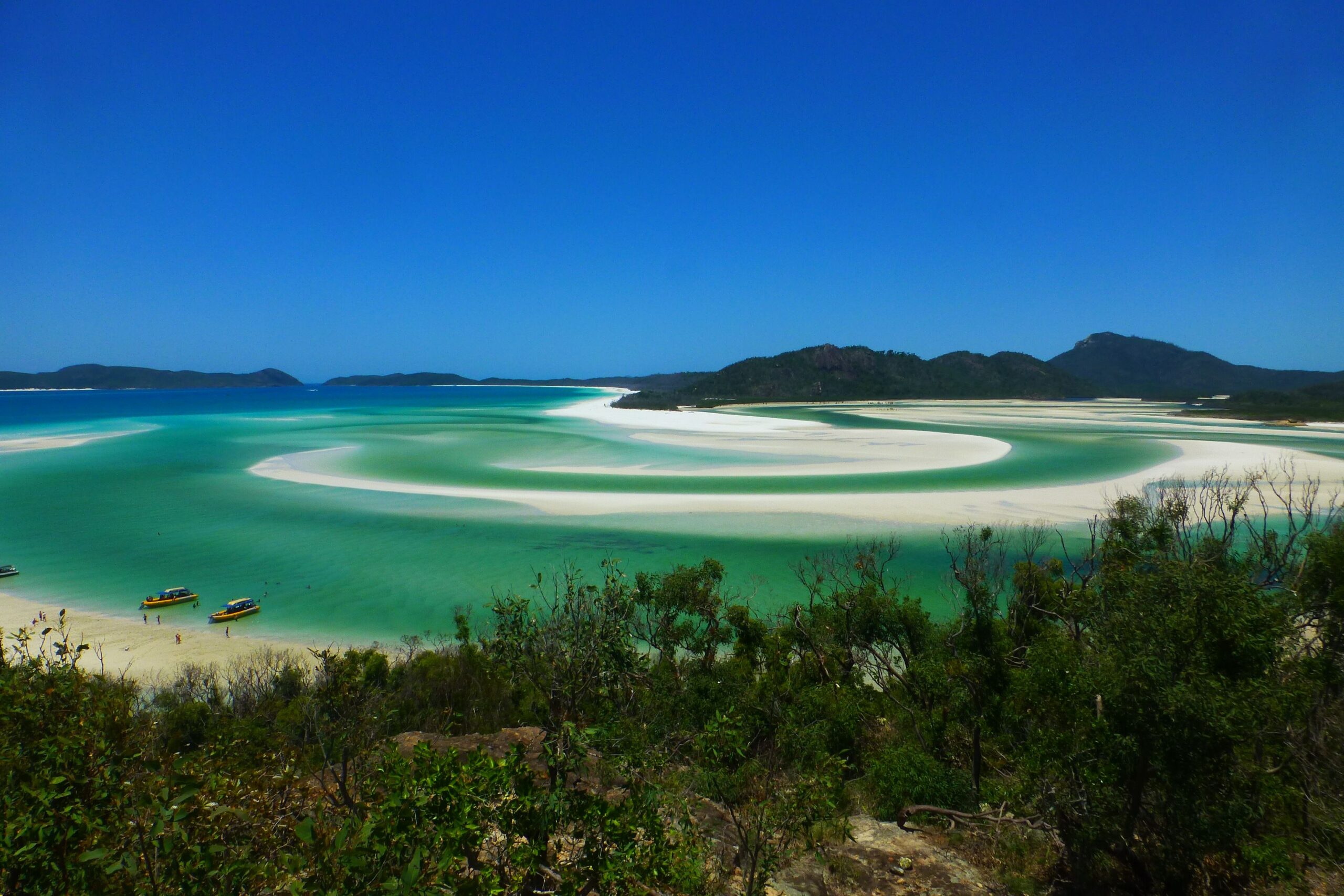
The Murray-Darling basin covers close to a seventh of Australia’s surface, includes six of the country’s seven longest rivers and produces around a third of the nation’s food supply (MDBA 2025). In the island nations, by contrast, fresh water is a scarce and strategic resource, which leaves countries such as Kiribati, made up almost entirely of low-lying atolls, and Fiji especially vulnerable to climate change and rising sea levels.
Biodiversity of Oceania
If anything sets Oceania apart, it is its biodiversity. The Great Barrier Reef, off Australia’s northeast coast, is the largest reef system in the world: it stretches over some 344,400 km², is made up of more than 2,900 individual reefs and 900 islands, and runs more than 2,300 kilometers in length (UNESCO 2025). This ecosystem is home to around 400 coral species, more than 1,500 fish species, some 4,000 mollusc species and 240 bird species (UNESCO 2025).
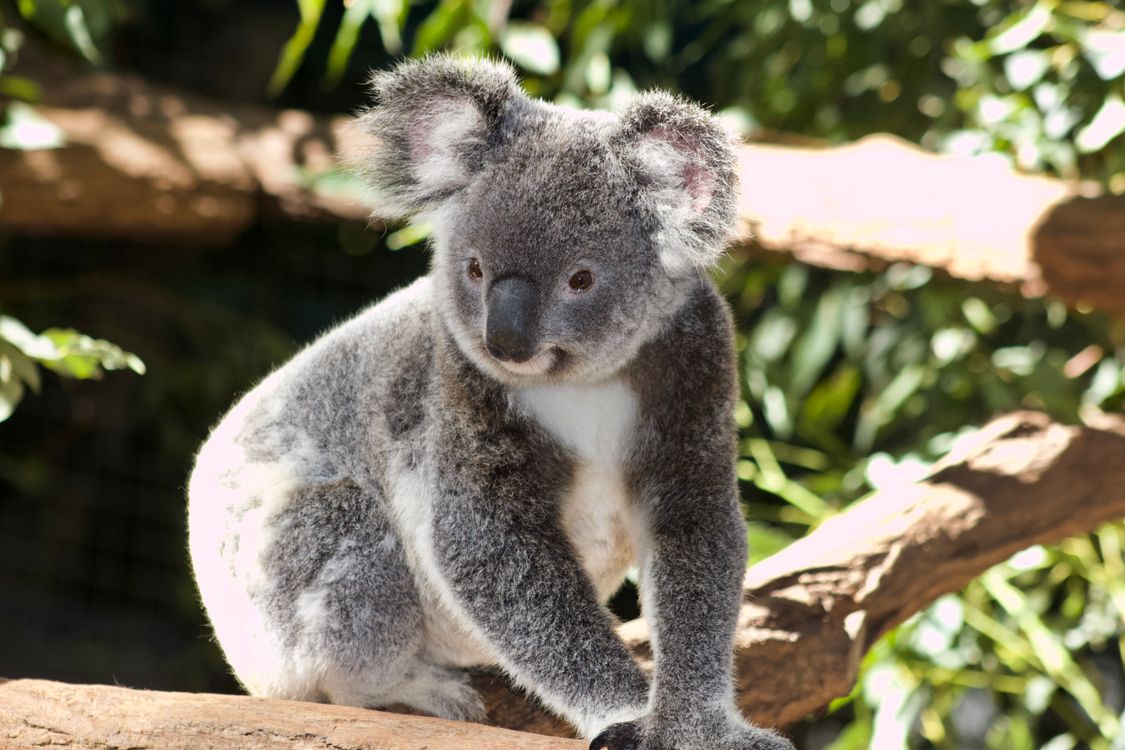
On land, the isolation of the Australian continent produced a distinctive fauna: Australia is home to close to half of the world’s marsupial species, including the kangaroo and the koala, and is recognized as one of the planet’s megadiverse countries (The Nature Conservancy 2025). That wealth is under threat, however: according to IUCN Red List data, some 742 Australian species are listed as threatened (IUCN / National Red List 2024), which underlines the urgency of protecting these renewable natural resources.
The world’s leading lithium producers (2024)
Oceania’s lead in lithium is clear when you compare mine production across the main producing countries. The chart below shows 2024 production in thousands of tonnes, according to the United States Geological Survey.
Source: USGS Mineral Commodity Summaries 2025 (lithium). Argentina, approximate value.
The Oceania countries with the most natural resources
Australia dominates the mining and energy figures, but every country in the region contributes resources of its own. These are some of the territories of Oceania whose natural resources you can explore in detail:
- Natural resources of Australia: iron, lithium, gold, bauxite, coal and natural gas.
- Natural resources of New Zealand: geothermal and hydroelectric power, forests and fisheries.
- Natural resources of Fiji: water, fisheries, tourism and tropical agriculture.
- Natural resources of Kiribati: ocean fisheries and Pacific marine resources.
Sources used
- USGS Mineral Commodity Summaries 2025 (iron, lithium, bauxite, gold)
- Geoscience Australia — Coal (AECR 2025)
- International Energy Agency (IEA) — Natural gas, Australia
- ExxonMobil — PNG LNG
- MBIE — Energy in New Zealand 2025
- FAO — Global Forest Resources Assessment 2020
- World Bank — Forest area, Papua New Guinea
- Murray–Darling Basin Authority
- UNESCO — Great Barrier Reef
- IUCN / National Red List — Australia
- Encyclopaedia Britannica — Oceania
Oceania shows that a small territory can be a natural resource power: strategic minerals, natural gas, renewable energy, tropical forests and a biodiversity found nowhere else coexist in a region split between continent and islands. The challenge ahead is to use that wealth — especially the minerals of the energy transition — without sacrificing the ecosystems and renewable resources that make Oceania unique in the world.
Related articles
Last updated: September 26, 2026
Leave a Reply