Category: Society

Belgium Natural Resources: Coal, Limestone and Ardennes Forests
Belgium’s natural resources include fertile soils, coal, limestone, clay and sand, as well as its forests. How does Belgium produce energy? In 2025 it generated 29.3 TWh of renewable electricity, 44% of its total generation (Ember, 2025), while forests cover 22.76% of the territory, about 6,893 km². Belgium, a country in northwestern Europe, has a…
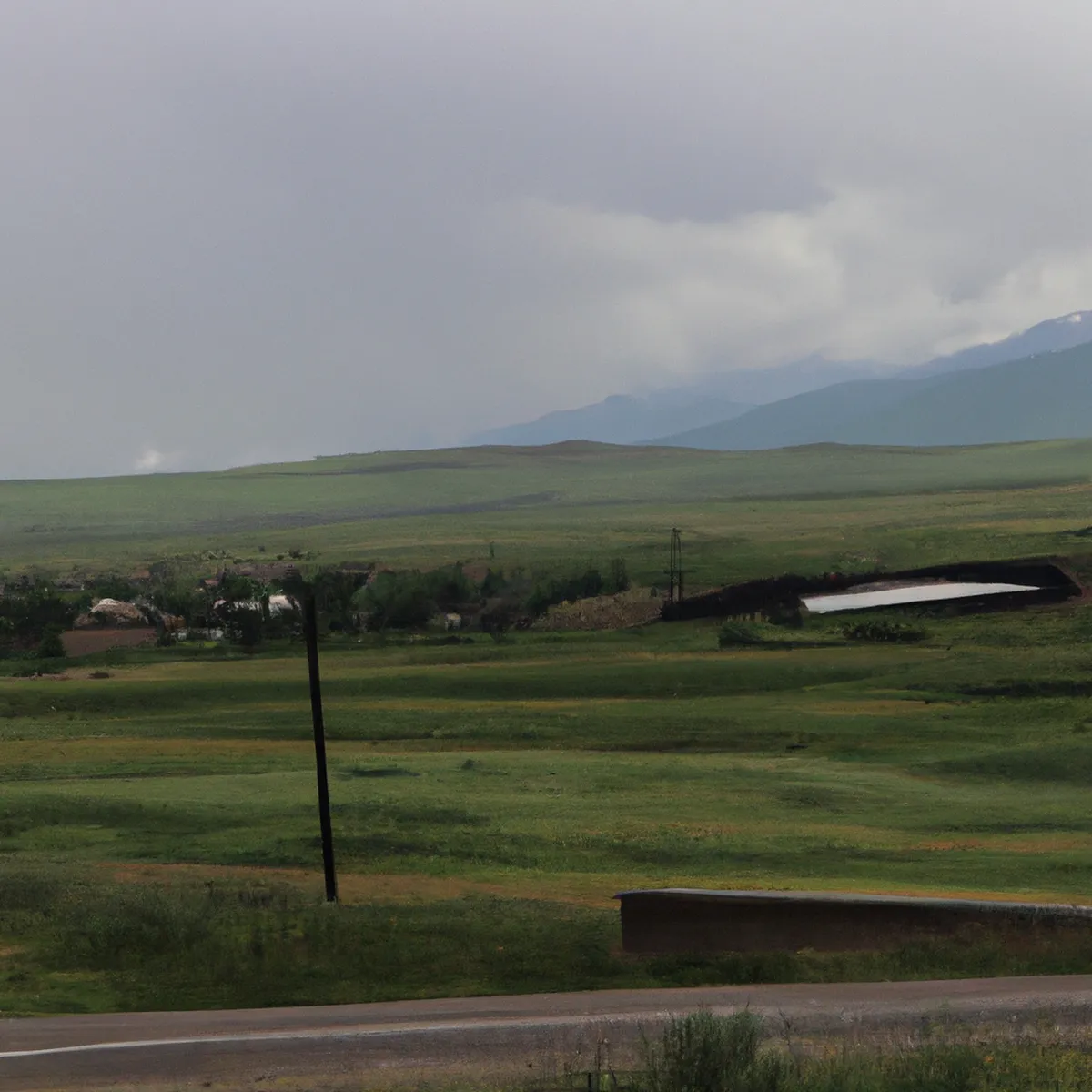
Armenia Natural Resources: Copper, Molybdenum and Lake Sevan
Armenia, in the South Caucasus, has natural resources that include forests, water and minerals such as copper, gold, molybdenum and zinc. How much water does Armenia have? Its renewable freshwater resources amount to 7.77 km³, ranking 127th in the world, and in 2025 it generated 2.6 TWh of renewable electricity (Ember, 2025), supported by Lake…

Caribbean Natural Resources: Marine Ecosystems, Minerals and Solar
The Caribbean holds immense natural wealth: it is one of Earth’s 36 global biodiversity hotspots, home to approximately 11,000 plant species with 72% endemism, alongside Jamaica’s bauxite, Cuba’s nickel and cobalt, the Dominican Republic’s gold, and Trinidad and Tobago’s oil and natural gas. What are the Caribbean’s primary natural resources, and where are they located?…

Central America Natural Resources: Biodiversity, Water and Forests
Central America’s natural resources combine emerging mineral wealth (the Cobre Panamá mine produced roughly 350,000 tonnes of copper per year, nearly 1% of global supply), an exceptionally renewable electricity grid (Costa Rica closed 2025 with 98.6% clean generation), and extraordinary biodiversity: the Mesoamerica hotspot harbors some 17,000 vascular plant species across just 0.5% of Earth’s…
Guatemala Natural Resources: Forests, Nickel and Hydropower
Guatemala’s natural resources include extensive tropical forests, 127.9 km³ of freshwater, metallic minerals (nickel, gold, silver), and agricultural soils that lead world cardamom production (52.2% of global exports). Forests cover 32.92% of its territory, anchored by the 2.09-million-hectare Maya Biosphere Reserve, while low-carbon sources generated 68% of the country’s electricity in 2024 (Ember). What are…
El Salvador Natural Resources: Geothermal Energy and Forests
El Salvador’s natural resources are characterized by fertile volcanic soils, 26.27 km³ of freshwater, and world-class geothermal energy reservoirs that provide 23% of national electricity. The country maintains an average annual precipitation of 1,784 mm, producing 5,253 GWh of renewable power (IRENA, 2023) while forest cover occupies roughly 27.53% of its land area. What are…
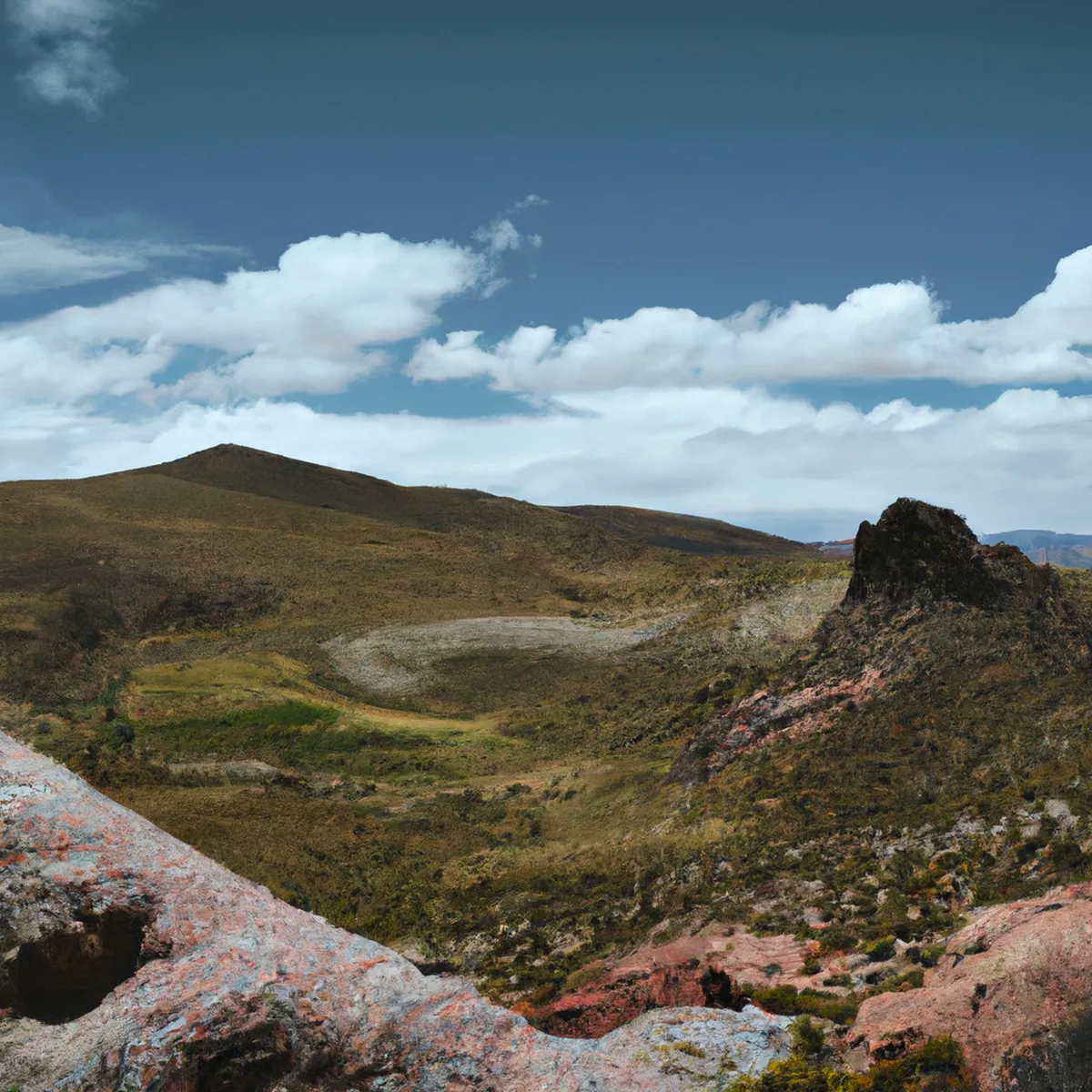
Bolivia Natural Resources: Lithium, Silver and Natural Gas
Bolivia’s natural resources encompass world-class mineral deposits—including the planet’s largest lithium reserve in the Salar de Uyuni (>20 million tonnes) and top-ten global silver output (1,190 tonnes)—alongside extensive natural gas fields, 303.5 km³ of freshwater, and extraordinary biodiversity spanning over 17,000 documented species. How are Bolivia’s mineral, energy, and forest resources distributed? Bolivia is a…
Dominican Republic Natural Resources: Gold, Nickel and Forests
The natural resources of the Dominican Republic are led by extensive forests, freshwater reserves, and world-class mineral deposits: forest cover spans 44.99% of its territory (21,684 km²), renewable freshwater reaches 23.5 km³ (FAO), and the Pueblo Viejo mine holds over 25 million ounces of gold reserves alongside major ferronickel extraction. What are the key natural…
United Kingdom Natural Resources: Offshore Wind and North Sea Gas
The United Kingdom’s natural resources combine historic offshore oil and gas basins in the North Sea with a rapid expansion into world-leading offshore wind and marine energy. The nation holds 147 km³ of internal renewable freshwater reserves, significant industrial mineral deposits, and 26 million tonnes of coal reserves—though coal-fired electricity was completely phased out in…
Uruguay Natural Resources: 99% Green Grid, Beef and Cellulose
Uruguay’s natural resources underpin a high-productivity economy centered on agriculture, livestock ranching, commercial forestry, and clean power. The country holds 92.2 km³ of internal renewable freshwater reserves (ranking 60th globally), exceptionally fertile prairie soils receiving 1,300 mm of annual rainfall, and a near-100% renewable electricity grid: in 2025, renewables supplied 11.7 TWh — 98% of…