Category: Economy

Costa Rica Natural Resources: Forests, Water and Green Power
Costa Rica’s natural resources stand out for water, forests and biodiversity. The country holds water reserves of 112.4 km³ and annual rainfall of 2,926 mm, the fifth highest in the world. Its forest area covers 59.44% of the territory and it records 857 bird species, among them the quetzal. Which natural resources in Costa Rica…
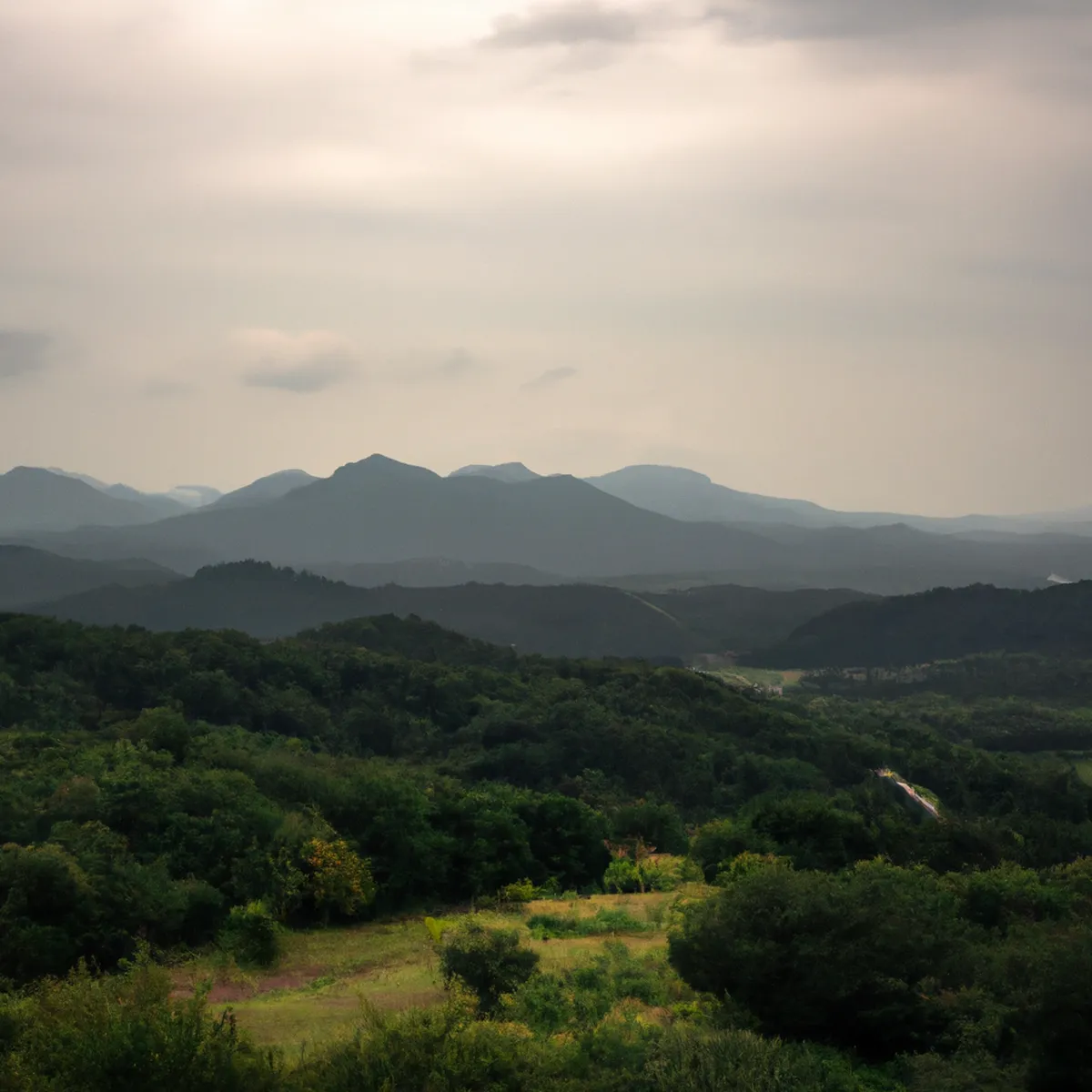
South Korea Natural Resources: Few Minerals, Vast Forests
South Korea’s natural resources include metallic minerals such as iron ore, gold, silver, copper, zinc and tungsten, along with coal, with a reserve of 359,353,060 short tons (2023). It holds 68.7 km³ of fresh water and forests covering 64.1% of the territory. Which natural resources in South Korea matter most? South Korea, on the Korean…
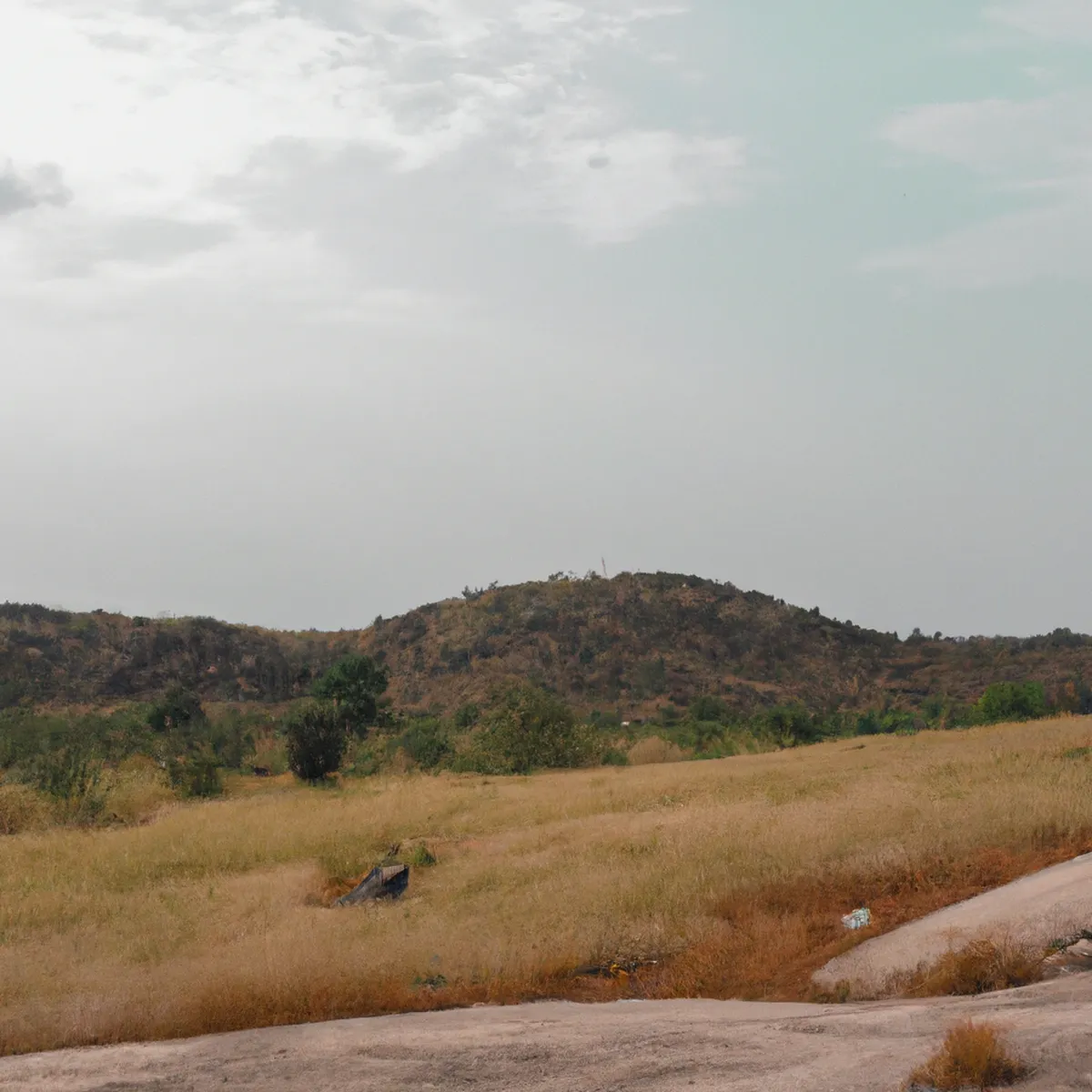
Nigeria Natural Resources: Africa’s Largest Oil Producer
Nigeria’s natural resources stand out for its oil and natural gas reserves, with gas output of 39.1 billion cubic meters in 2024 placing it 19th in the world. The country holds 286.2 km³ of renewable fresh water, the Niger River and the 760 MW Kainji hydroelectric plant. What natural wealth does Nigeria hold? Nigeria is…
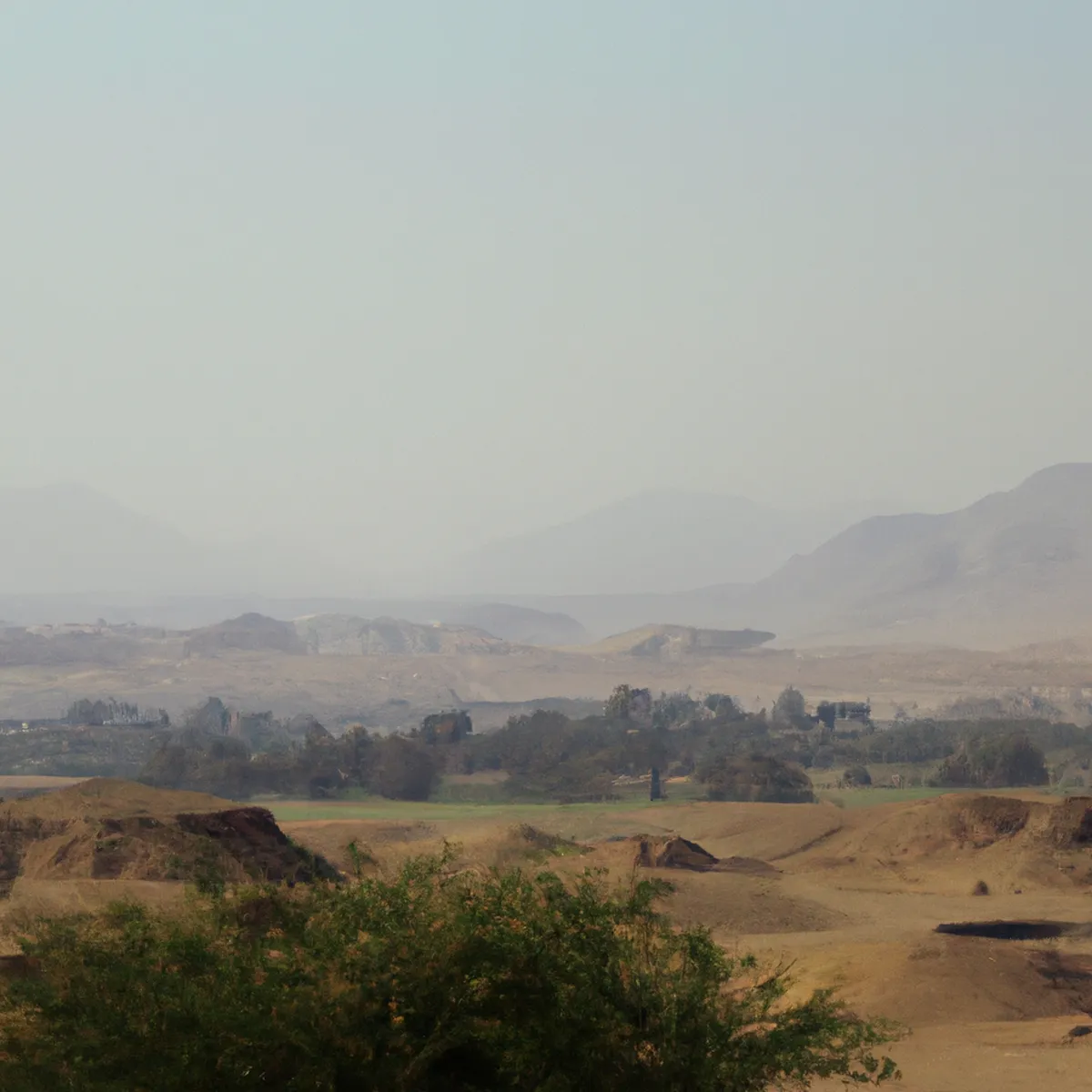
Egypt Natural Resources: How the Nile Shapes a Desert
Egypt’s natural resources rest on oil, at 560,942 barrels a day in 2021, which places the country 16th in the world, along with natural gas, gold and iron ore. The Nile is its water axis, with a freshwater reserve of 57.3 km³. What are the natural resources of Egypt? Egypt, in northeastern Africa, holds vast…
Italy Natural Resources: Marble, Geothermal Power and Wine
Italy’s natural resources run from minerals to Mediterranean agriculture. The country is famous for the white marble of Carrara, in Tuscany, and for the olive tree. Which natural resources in Italy stand out most? Its forests cover 32.89% of the territory (World Bank, 2023) and it holds a freshwater reserve of 191.3 km³. Italy, in…
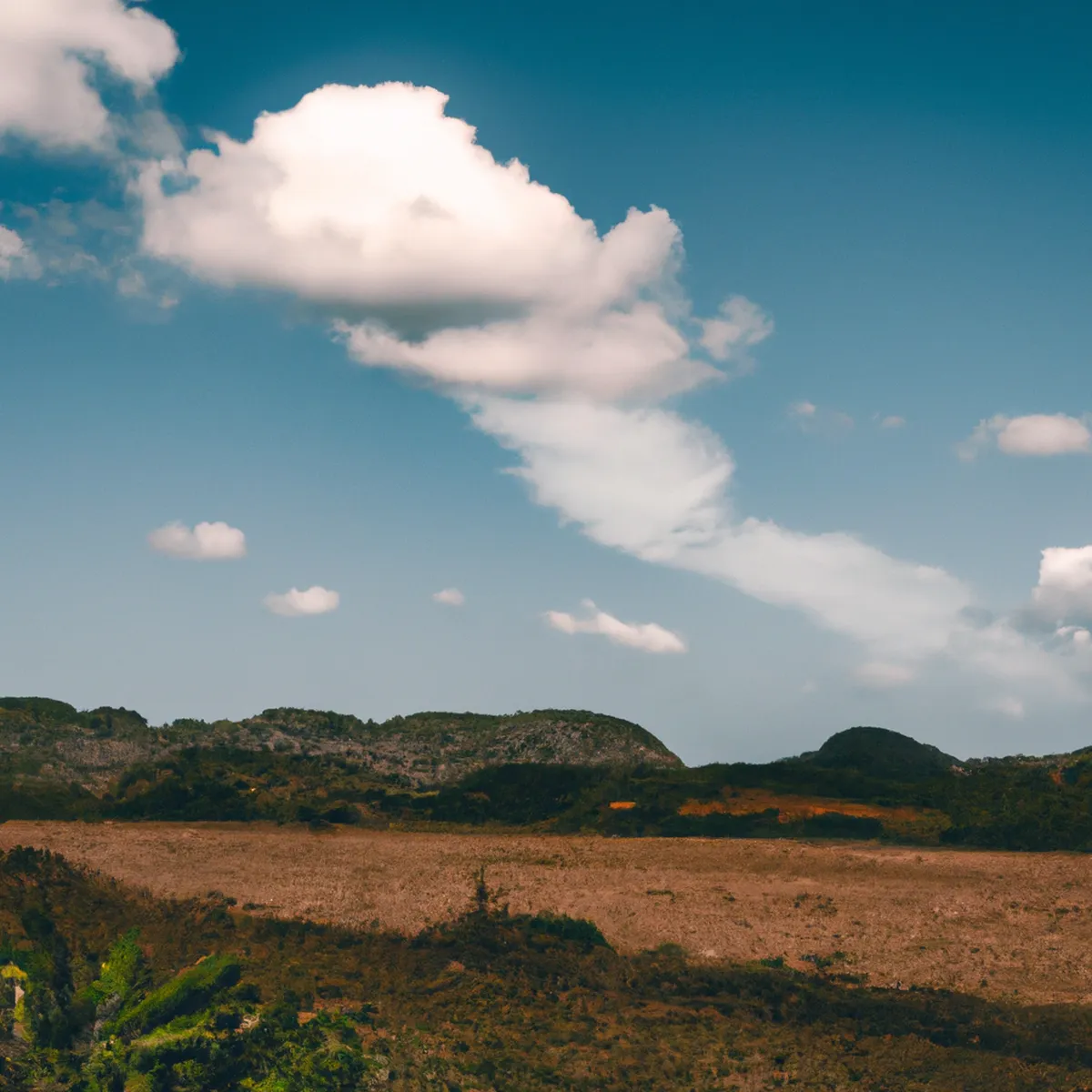
Cuba Natural Resources: Nickel, Cobalt and Biodiversity
Cuba’s natural resources stand out for biodiversity rather than minerals: the island hosts 1,103 fish species, the tocororo as its national bird and the Cuban crocodile. Its forests cover 31.23% of the territory, it holds a freshwater reserve of 38.12 km³ and it produces some 33,912 barrels of oil a day. What natural resources does…
Germany Natural Resources: Europe’s Top Lignite Producer
Germany’s natural resources span minerals, forests and water. It is Europe’s largest lignite producer, at close to 102 million tonnes in 2023, and holds a freshwater reserve of 154 km³. Its biodiversity includes species such as the lynx, red deer and wild boar. What are the natural resources of Germany? Germany, one of Europe’s most…
Argentina Natural Resources: Lithium, Shale Oil and Soy
Argentina’s natural resources span oil, gas, minerals and rich wildlife and plant life. The country produces some 635,320 barrels of oil a day and ranks among the world’s leading silver producers, at 808 tonnes in 2023 according to the USGS. Which natural resources in Argentina stand out most, and where does it sit in the…
France Natural Resources: Forests, Water and Nuclear Power
France’s natural resources include water, forests, minerals and energy. The country holds water reserves of 211 km³, produces 380 thousand tonnes of aluminum a year and generated 148.7 TWh of renewable electricity in 2025 (Ember). Its forest area covers 32.5% of the territory, watered by rivers such as the Seine and the Loire. What are…
Japan’s Natural Resources: Rich in Forests, Poor in Minerals
Japan’s natural resources stand out for its forests and water rather than its minerals. Forests cover 68.41% of the territory and the country holds the world’s 23rd-largest freshwater reserve, at 430 km³. It is also the fourth country by number of fish species, with 4,054. What natural resources does Japan have? Japan is an island…