
Credenciales y experiencia
- Formación: Economista, Universidad de Antioquia (Medellín, Colombia).
- Experiencia: Cubriendo medio ambiente y desarrollo sustentable desde 2013.
- Manejo de datos: investigación y explotación directa de las bases de datos de los grandes centros de investigación internacionales — Banco Mundial, FAO, Servicio Geológico de Estados Unidos (USGS), Naciones Unidas y OCDE.
- Enfoque: traducir esos datos a un formato simple y gráfico — tablas, mapas y visualizaciones que permitan entender de un vistazo la situación ambiental de cada país.
- Publicaciones: 210 artículos publicados en Desarrollo Sustentable desde 2013, incluidas 163 fichas de recursos naturales por país.
- Ubicación: Medellín, Colombia.
Cómo se obtienen, verifican y actualizan estos datos: metodología y política editorial. Para correcciones o consultas: juanmonto5@hotmail.com.

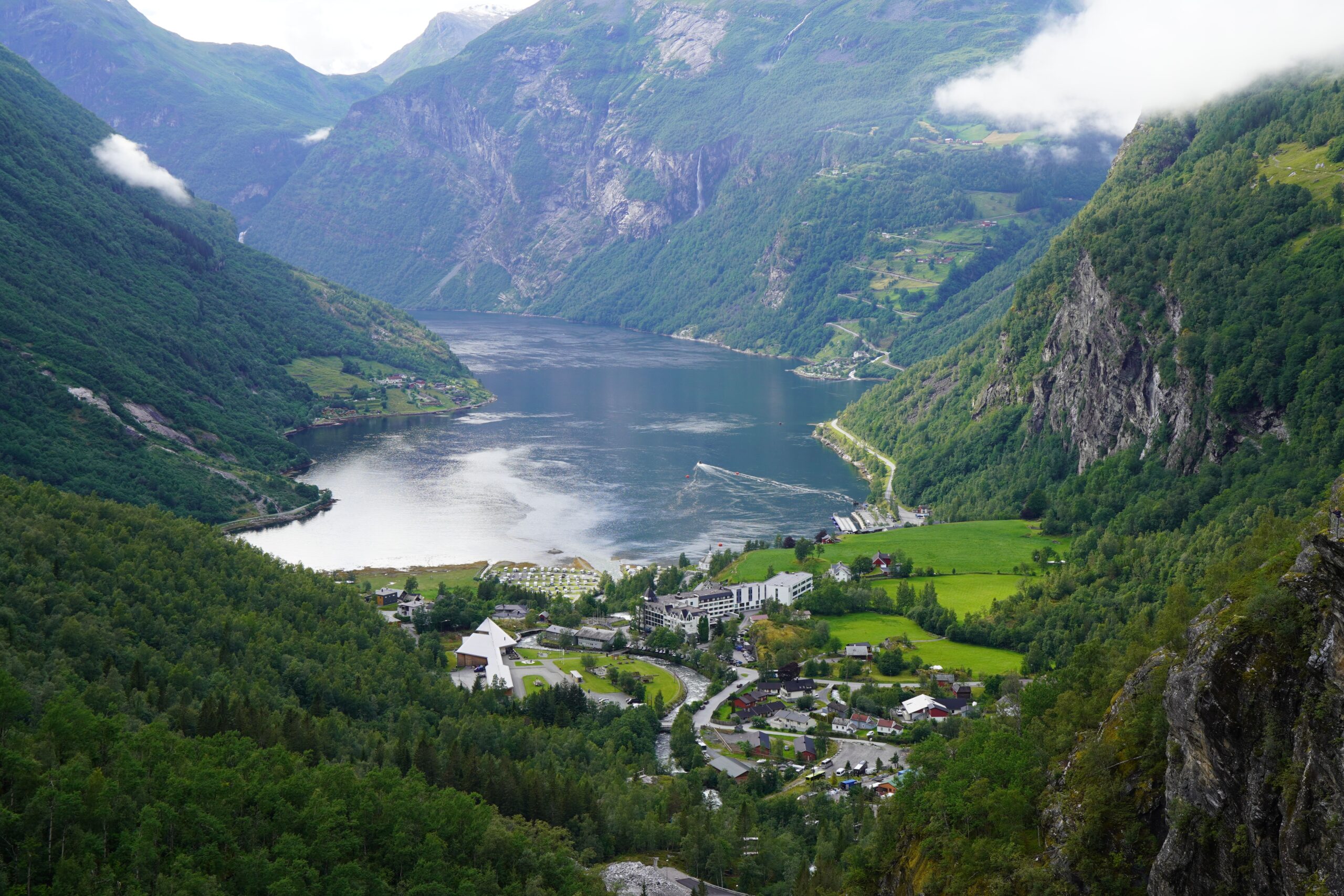
Europe Natural Resources: Forests, Gas and Minerals
Europe holds around 25% of the world’s forest area, the largest share of any region (FAO 2025), is home to the planet’s largest natural gas reserves in Russia, and protects more than 1.29 million km² through the Natura 2000 network. Its natural resources span strategic minerals, North Sea hydrocarbons, rivers such as the Volga, and…

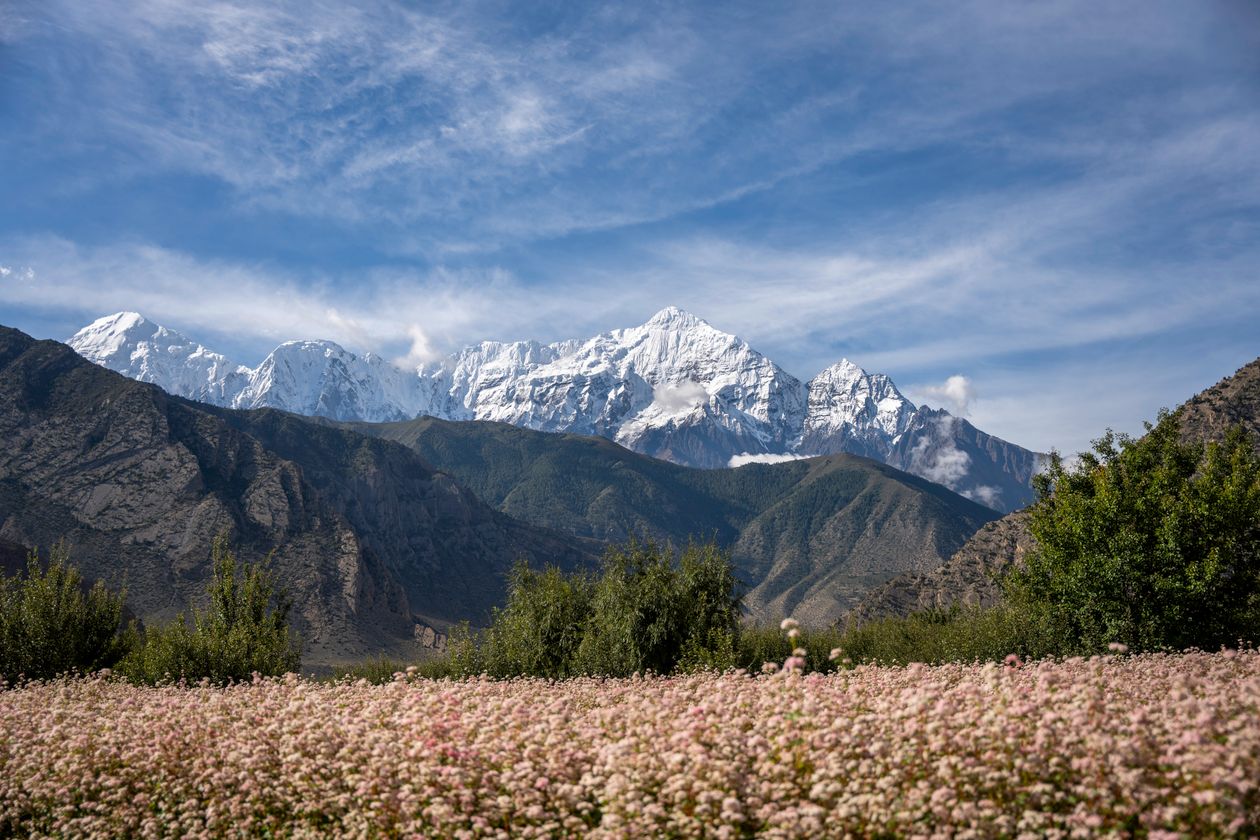
Asia Natural Resources: Oil, Rare Earths, Rice and Water
Asia, the largest continent on the planet with its 48 countries, holds the world’s greatest concentration of natural resources: close to 48% of oil reserves (Saudi Arabia alone accounts for 267 billion barrels) and more than 50% of natural gas reserves, it produces around 70% of the world’s rare earths and grows more than 90%…

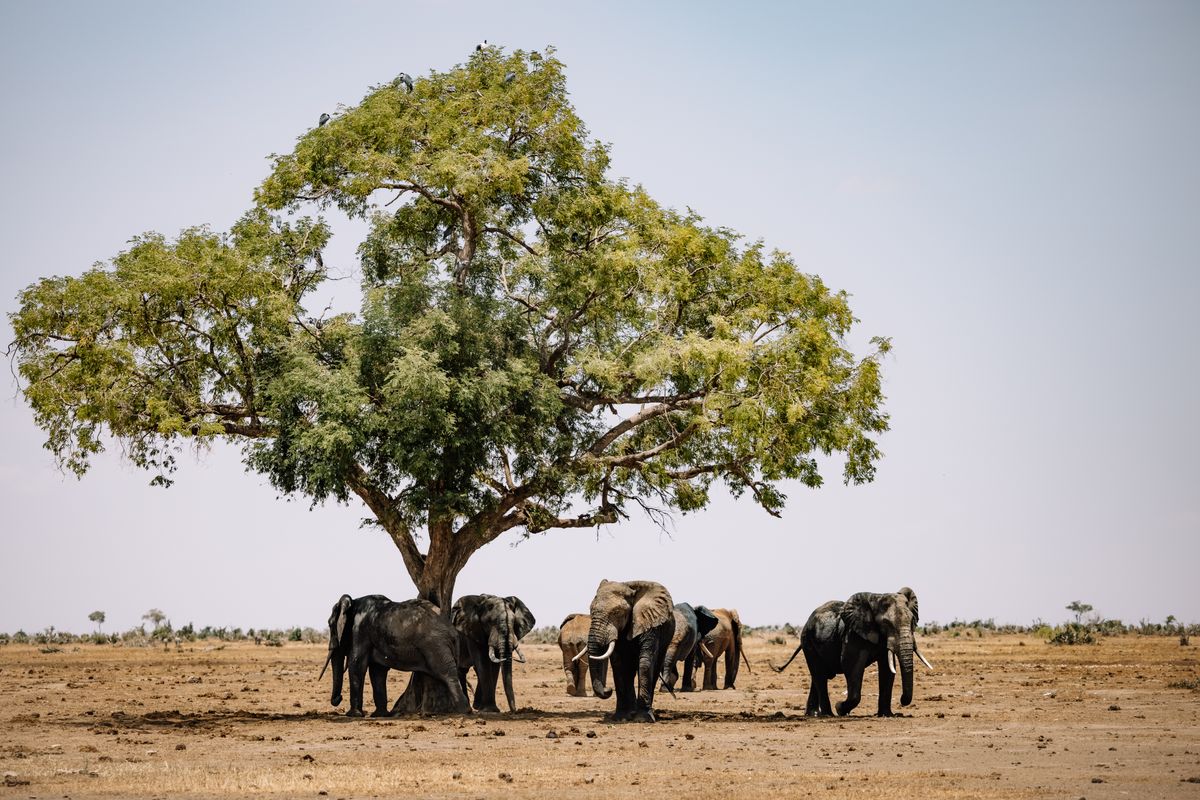
Africa Natural Resources: Cobalt, Platinum, Gold and Oil
Africa holds close to 30% of the world’s critical mineral reserves, including 76% of cobalt (DR Congo) and around 70% of phosphates (Morocco), along with the second-largest rainforest on the planet: the Congo Basin. What are Africa’s main natural resources? The continent stands out for its strategic minerals (cobalt, platinum, gold, diamonds, bauxite), its oil…

What Is Sustainable Development? Definition and Principles
Sustainable development is development that meets the needs of the present without compromising the ability of future generations to meet their own. That definition comes from the 1987 Brundtland report, Our Common Future, and rests on two ideas: human needs, especially those of the poorest, and the limitations of the environment and of technology. What…
Sustainable Cities: What They Are and Real Examples
A sustainable city is a habitat that offers its residents quality of life without compromising the resources of future generations. By 2050 the number of people living in cities will multiply to 6 billion, which raises major challenges around water, energy, transport and pollution that demand cooperation between government, the private sector and citizens. What…

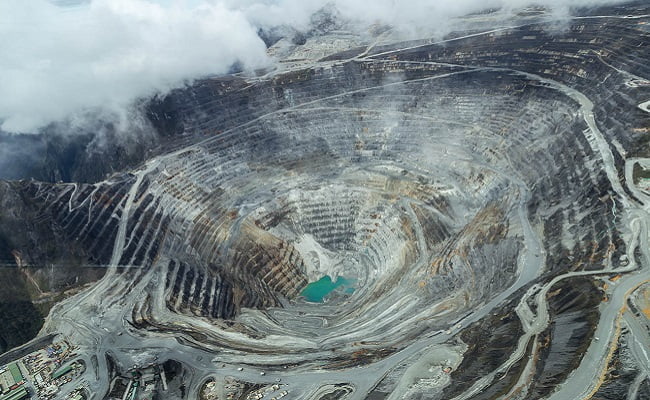
Non-Renewable Natural Resources: Types and Examples
Non-renewable natural resources are materials that exist in fixed quantities and, once used up, do not come back on a human timescale. What are the best-known non-renewable natural resources? Oil, coal, natural gas, metallic minerals such as lithium, and nuclear uranium. They took millions of years to form, they pollute when burned, and oil and…
Environmental Organizations: Who They Are and What They Do
Environmental organizations are institutions, NGOs or government bodies that study, monitor and protect the environment. WWF brings together more than 5 million volunteers across 100 countries, and the Global Environment Facility has provided more than US$22 billion in funding since 1991. What are environmental organizations, and how far does their reach extend? What do environmental…

What Are Renewable Resources? Types and Examples
Renewable natural resources are the ones nature regenerates at the same rate we use them or faster, so they do not run out if we use them in moderation. What are renewable natural resources? The sun, wind, water, biomass, geothermal heat and the tides. They produce fewer emissions than fossil fuels, and once the panels…

Spain Natural Resources: Copper, Forests and Solar Power
Spain’s natural resources stand out for its minerals, with refined copper output of about 386,000 tonnes in 2019, alongside notable forest and water wealth. Which natural resources in Spain matter most? Forests cover 37.19% of the territory, and emblematic species such as the Iberian lynx are part of its biodiversity. Spain is a country of…

Colombia Natural Resources: Water, Birds, Coal and Emeralds
Colombia’s natural resources span water, biodiversity, minerals and hydrocarbons: it is the sixth country in the world by freshwater reserves, with 2,132 km³, and annual rainfall above 3,000 mm. It hosts close to 10% of the world’s biodiversity and ranks first for bird diversity, with 1,969 species. What are Colombia’s main natural resources? Thanks to…