
Credenciales y experiencia
- Formación: Economista, Universidad de Antioquia (Medellín, Colombia).
- Experiencia: Cubriendo medio ambiente y desarrollo sustentable desde 2013.
- Manejo de datos: investigación y explotación directa de las bases de datos de los grandes centros de investigación internacionales — Banco Mundial, FAO, Servicio Geológico de Estados Unidos (USGS), Naciones Unidas y OCDE.
- Enfoque: traducir esos datos a un formato simple y gráfico — tablas, mapas y visualizaciones que permitan entender de un vistazo la situación ambiental de cada país.
- Publicaciones: 210 artículos publicados en Desarrollo Sustentable desde 2013, incluidas 163 fichas de recursos naturales por país.
- Ubicación: Medellín, Colombia.
Cómo se obtienen, verifican y actualizan estos datos: metodología y política editorial. Para correcciones o consultas: juanmonto5@hotmail.com.

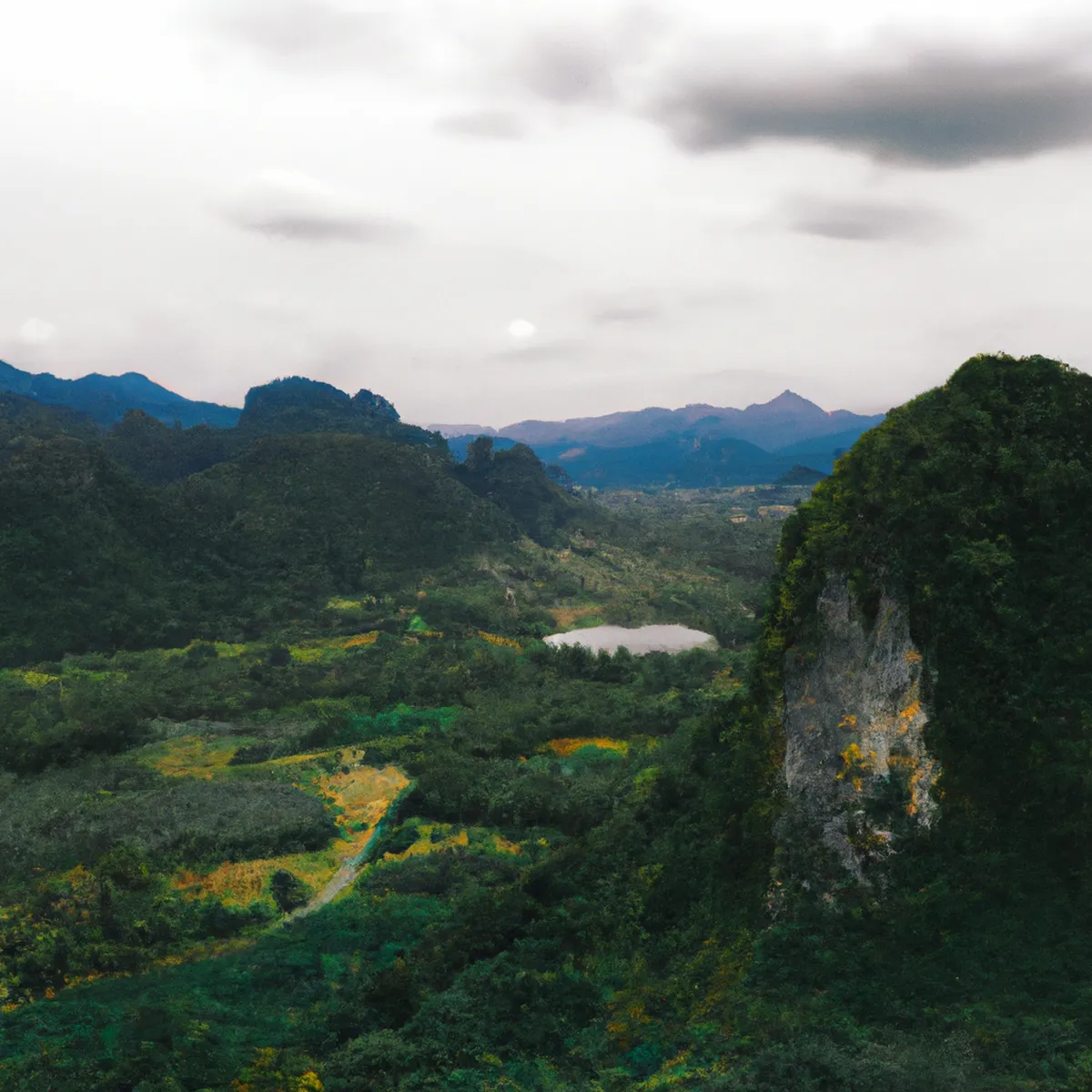
Thailand Natural Resources: Rubber, Rice and Natural Gas
Thailand’s natural resources are anchored by 457.2 km³ of freshwater reserves (ranking 21st globally), natural gas that generates 65.5% of its electricity, and agricultural leadership as the world’s top exporter of natural rubber ($5 billion) and second-largest exporter of rice. Supported by the Chao Phraya and Mekong river basins, Thailand also produces 176,984 barrels of…
Iraq Natural Resources: Major Oil Reserves and Twin Rivers
Iraq’s natural resources are anchored by colossal petroleum wealth, ranking 5th in the world with proven reserves of 145 billion barrels (EIA 2024 / OPEC) and producing 4.4 million barrels per day as OPEC’s second-largest producer. Hydrocarbons generate 88% of state revenue and over 90% of merchandise exports, supplemented by natural gas, sulfur, and large…

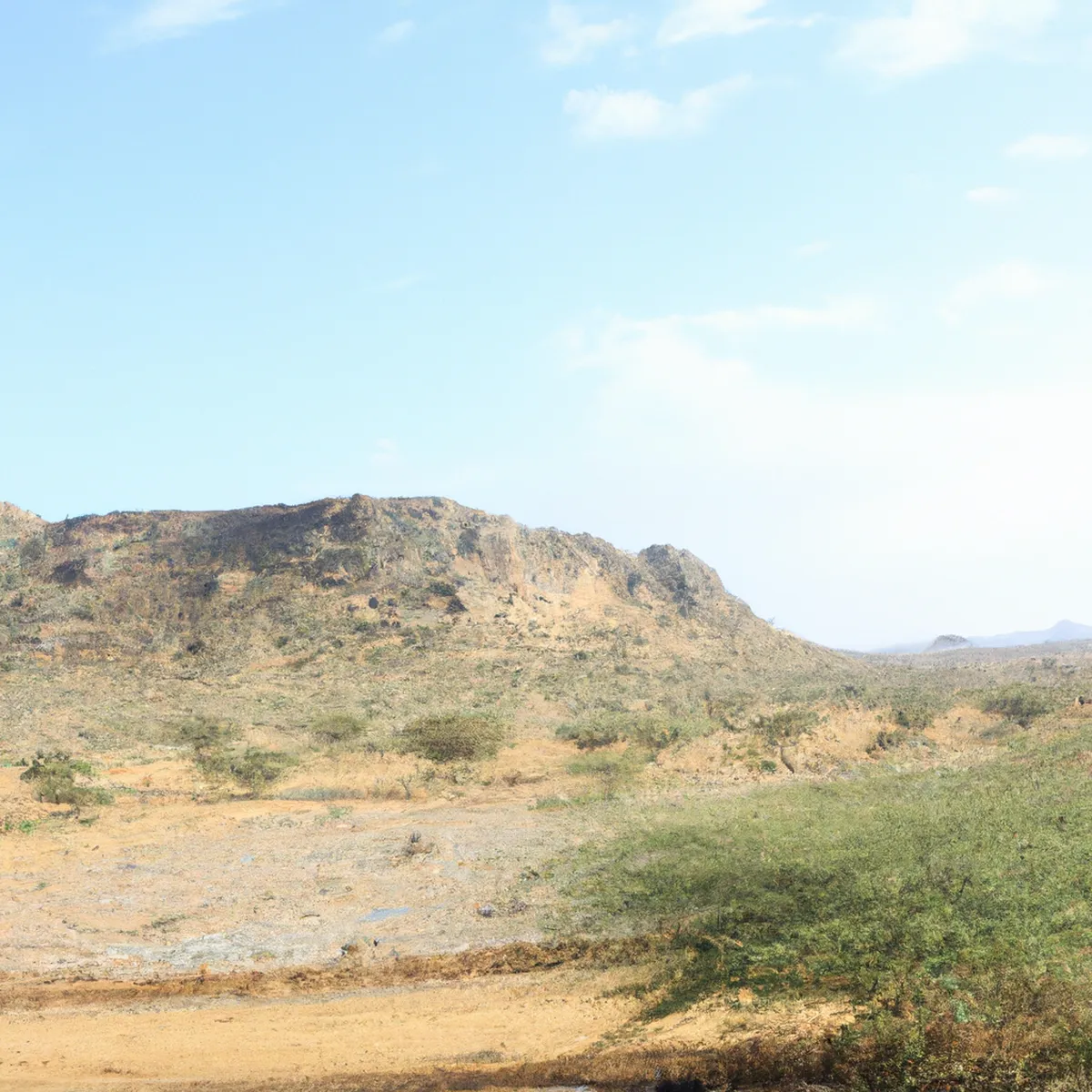
Algeria Natural Resources: Africa’s Top Gas Producer and Iron
Algeria’s natural resources center on hydrocarbons as Africa’s largest natural gas producer, pumping roughly 100 billion cubic meters (bcm) in 2023 and holding 4.5 trillion m³ in proven gas reserves (11th globally). As Africa’s largest country by land area (2.38 million km²), Algeria also possesses 12.2 billion barrels of proven crude oil, substantial iron ore…
Israel Natural Resources: Offshore Gas, Potash and Desalination
Israel’s natural resources center on major offshore natural gas discoveries in the Levant Basin, valuable evaporite minerals from the Dead Sea, and cutting-edge water reclamation technology. Commercial gas fields Tamar (online 2013) and Leviathan (~620 billion m³ recoverable, online 2019) produce over 21 billion m³ annually, powering ~70% of domestic electricity and supplying exports to…
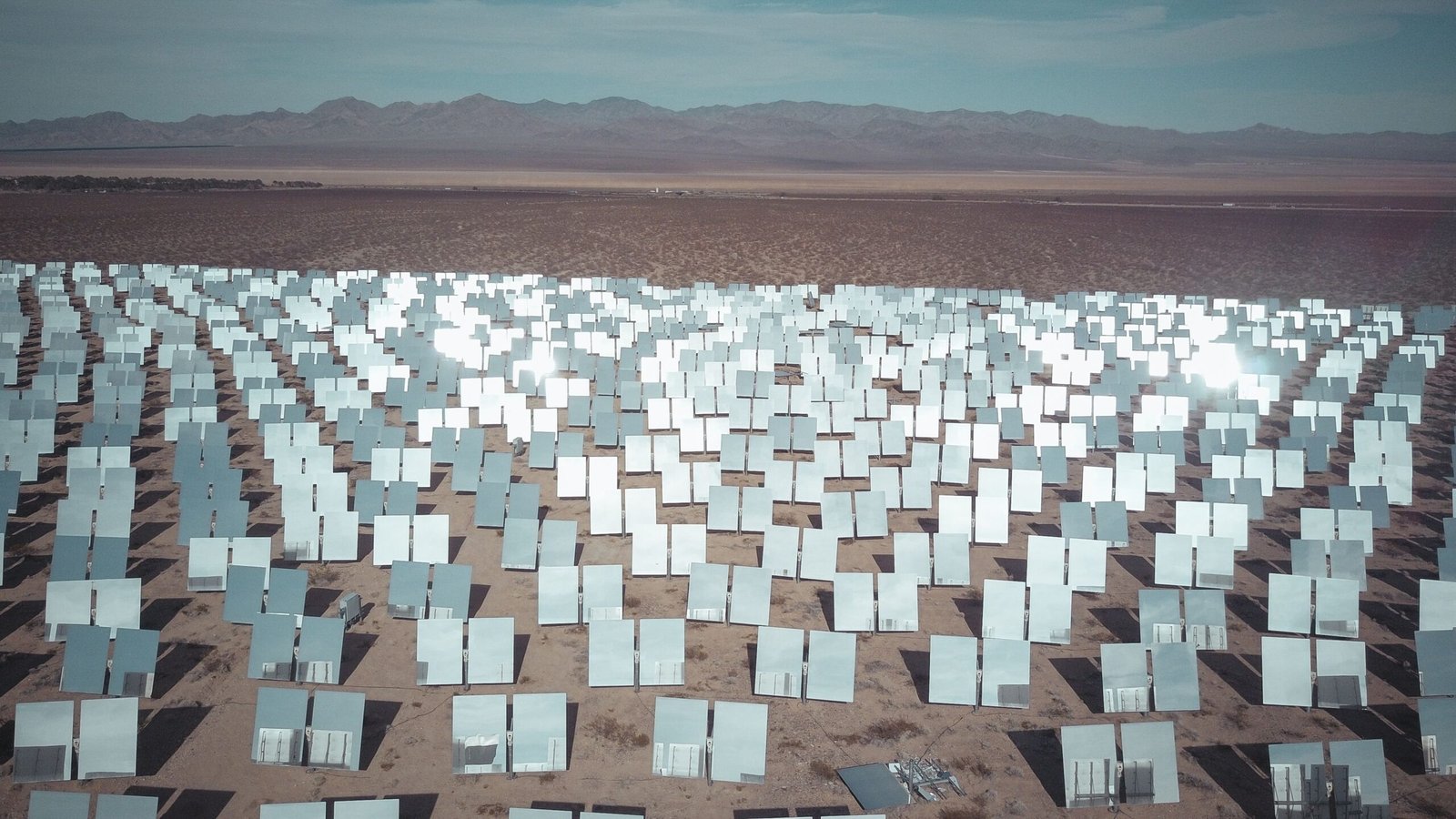
Saudi Arabia Natural Resources: Oil Giant with Vast Solar Potential
Saudi Arabia’s natural resources are dominated by petroleum, holding the world’s second-largest proven crude oil reserves at approximately 267 billion barrels (EIA / OPEC 2024) and pumping 10.95 million barrels per day in 2021 as a global export titan anchored by the giant Ghawar field. Beyond oil, the Kingdom ranks 8th in world natural gas…
Iran Natural Resources: Gas, Oil and Mineral Wealth
Iran’s natural resources center on vast fossil reserves, ranking second globally in proven natural gas reserves (~34 trillion cubic meters) and third in crude oil (~209 billion barrels), with annual gas production reaching 256.7 billion cubic meters and oil output averaging 2.5 million barrels per day (2022). Strategic minerals include iron ore (77,000 thousand tonnes…

Inexhaustible Resources: Meaning, Examples and Limits
Inexhaustible natural resources (or continuous resources) are planetary energy flows that do not diminish or deplete on any timescale relevant to humanity, including solar radiation, wind currents, geothermal heat, and tidal dynamics. Unlike replenishable biological resources (such as timber or fish stocks), inexhaustible flows cannot be over-harvested into extinction. However, a critical physical reality governs…

Water Resources: Types, Uses and Availability
Water resources represent all liquid, solid, and atmospheric water available for ecological functions and human use. While water covers over 70% of Earth’s surface, only 2.5% is freshwater, and nearly 69% of that is locked in polar ice sheets and glaciers. In resource accounting, economists strictly separate stocks (static volumes in deep fossil aquifers and…

Energy Resources: Types, Sources and Uses
Energy resources encompass all primary physical and chemical sources that can be converted into usable heat, mechanical motion, and electricity. In energy systems analysis, experts strictly separate resource supply (the total raw energy extracted, such as barrels of crude or solar irradiance), generation capacity (the maximum potential power output of installed equipment, measured in gigawatts,…

Forest Resources: Uses, Benefits and Conservation
Forest resources encompass the biomass, biodiversity, and ecosystem services provided by the world’s 4.06 billion hectares of forest (covering ~31% of Earth’s land surface). They supply tangible timber products (industrial roundwood, sawnwood) and essential non-timber forest products (fruits, nuts, medicinal resins), while providing vital regulatory services—such as sequestering ~2.4 billion tonnes of carbon annually and…