Category: Natural Resources

Israel Natural Resources: Offshore Gas, Potash and Desalination
Israel’s natural resources center on major offshore natural gas discoveries in the Levant Basin, valuable evaporite minerals from the Dead Sea, and cutting-edge water reclamation technology. Commercial gas fields Tamar (online 2013) and Leviathan (~620 billion m³ recoverable, online 2019) produce over 21 billion m³ annually, powering ~70% of domestic electricity and supplying exports to…
Saudi Arabia Natural Resources: Oil Giant with Vast Solar Potential
Saudi Arabia’s natural resources are dominated by petroleum, holding the world’s second-largest proven crude oil reserves at approximately 267 billion barrels (EIA / OPEC 2024) and pumping 10.95 million barrels per day in 2021 as a global export titan anchored by the giant Ghawar field. Beyond oil, the Kingdom ranks 8th in world natural gas…
Iran Natural Resources: Gas, Oil and Mineral Wealth
Iran’s natural resources center on vast fossil reserves, ranking second globally in proven natural gas reserves (~34 trillion cubic meters) and third in crude oil (~209 billion barrels), with annual gas production reaching 256.7 billion cubic meters and oil output averaging 2.5 million barrels per day (2022). Strategic minerals include iron ore (77,000 thousand tonnes…

Inexhaustible Resources: Meaning, Examples and Limits
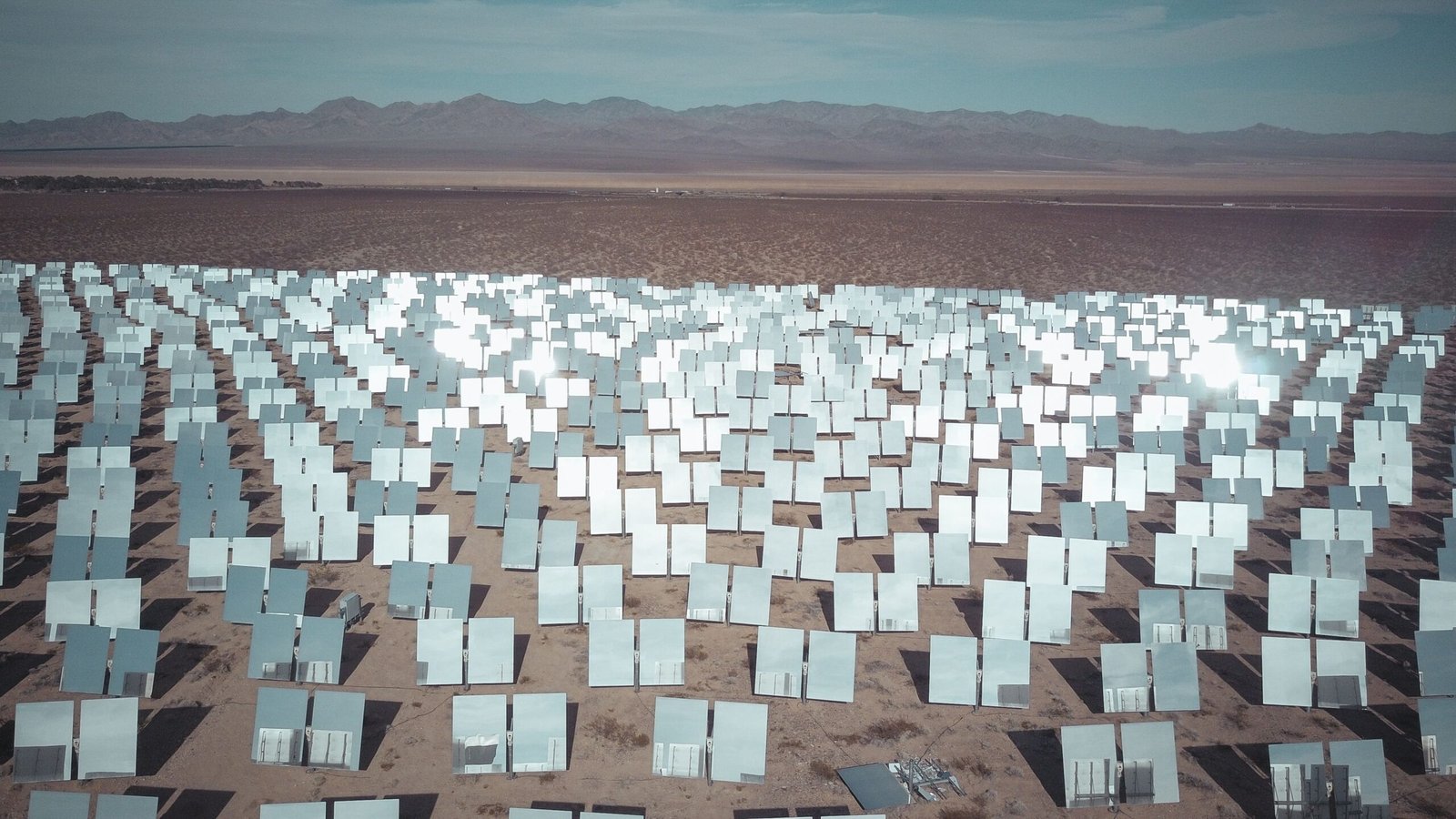
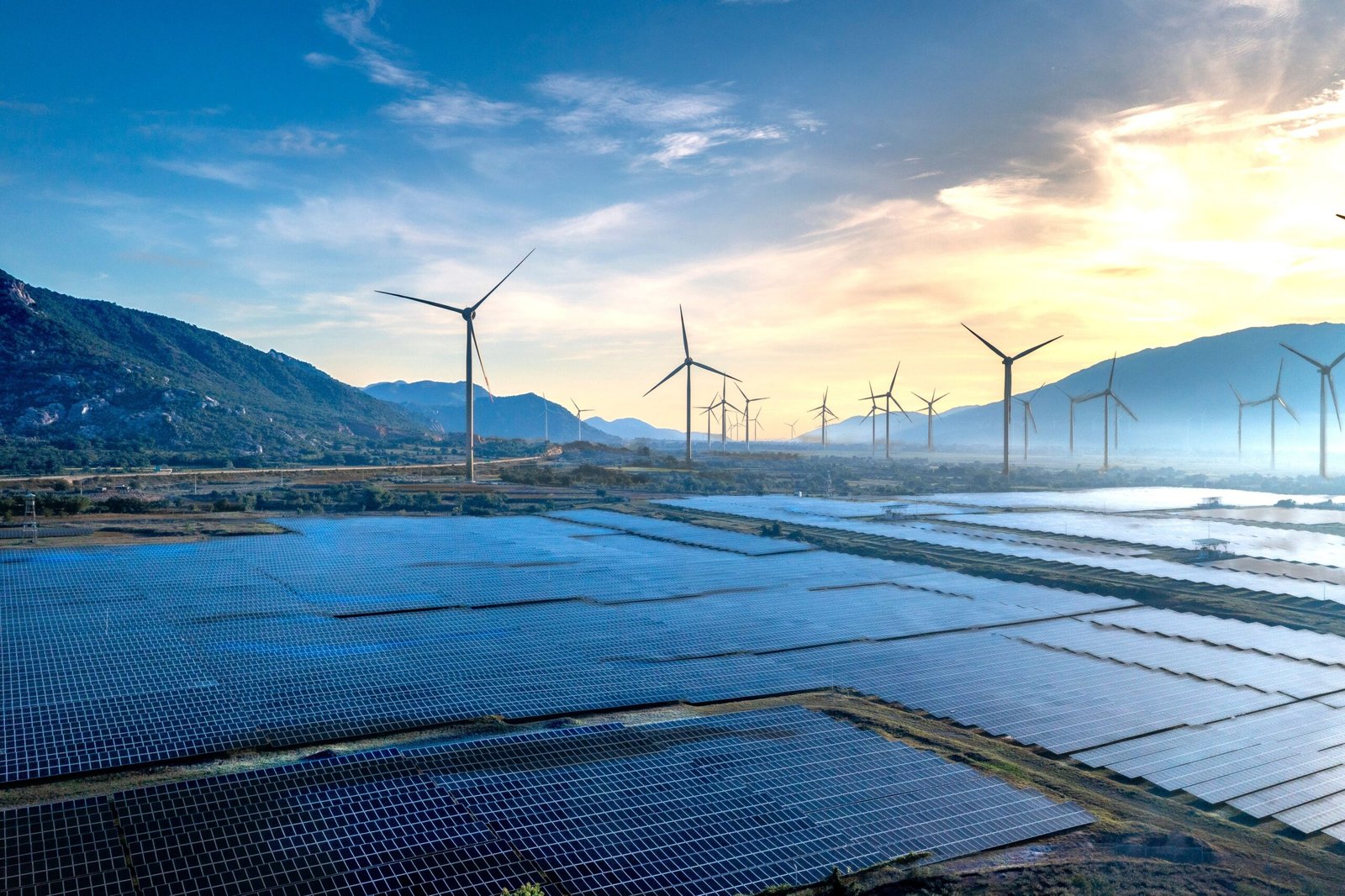
Inexhaustible natural resources (or continuous resources) are planetary energy flows that do not diminish or deplete on any timescale relevant to humanity, including solar radiation, wind currents, geothermal heat, and tidal dynamics. Unlike replenishable biological resources (such as timber or fish stocks), inexhaustible flows cannot be over-harvested into extinction. However, a critical physical reality governs…

Water Resources: Types, Uses and Availability
Water resources represent all liquid, solid, and atmospheric water available for ecological functions and human use. While water covers over 70% of Earth’s surface, only 2.5% is freshwater, and nearly 69% of that is locked in polar ice sheets and glaciers. In resource accounting, economists strictly separate stocks (static volumes in deep fossil aquifers and…

Energy Resources: Types, Sources and Uses
Energy resources encompass all primary physical and chemical sources that can be converted into usable heat, mechanical motion, and electricity. In energy systems analysis, experts strictly separate resource supply (the total raw energy extracted, such as barrels of crude or solar irradiance), generation capacity (the maximum potential power output of installed equipment, measured in gigawatts,…

Forest Resources: Uses, Benefits and Conservation
Forest resources encompass the biomass, biodiversity, and ecosystem services provided by the world’s 4.06 billion hectares of forest (covering ~31% of Earth’s land surface). They supply tangible timber products (industrial roundwood, sawnwood) and essential non-timber forest products (fruits, nuts, medicinal resins), while providing vital regulatory services—such as sequestering ~2.4 billion tonnes of carbon annually and…

Renewable vs Non-Renewable Resources: Key Differences
The fundamental difference between renewable and non-renewable resources is their replacement timescale: renewable resources regenerate naturally within human timeframes (from instantaneous solar irradiance to decades for mature forests), whereas non-renewable resources require millions of years of geological heat and pressure to accumulate, meaning their planetary stock is finite. In 2024, clean energy sources generated a…

Mineral Resources: Types, Uses and Country Examples
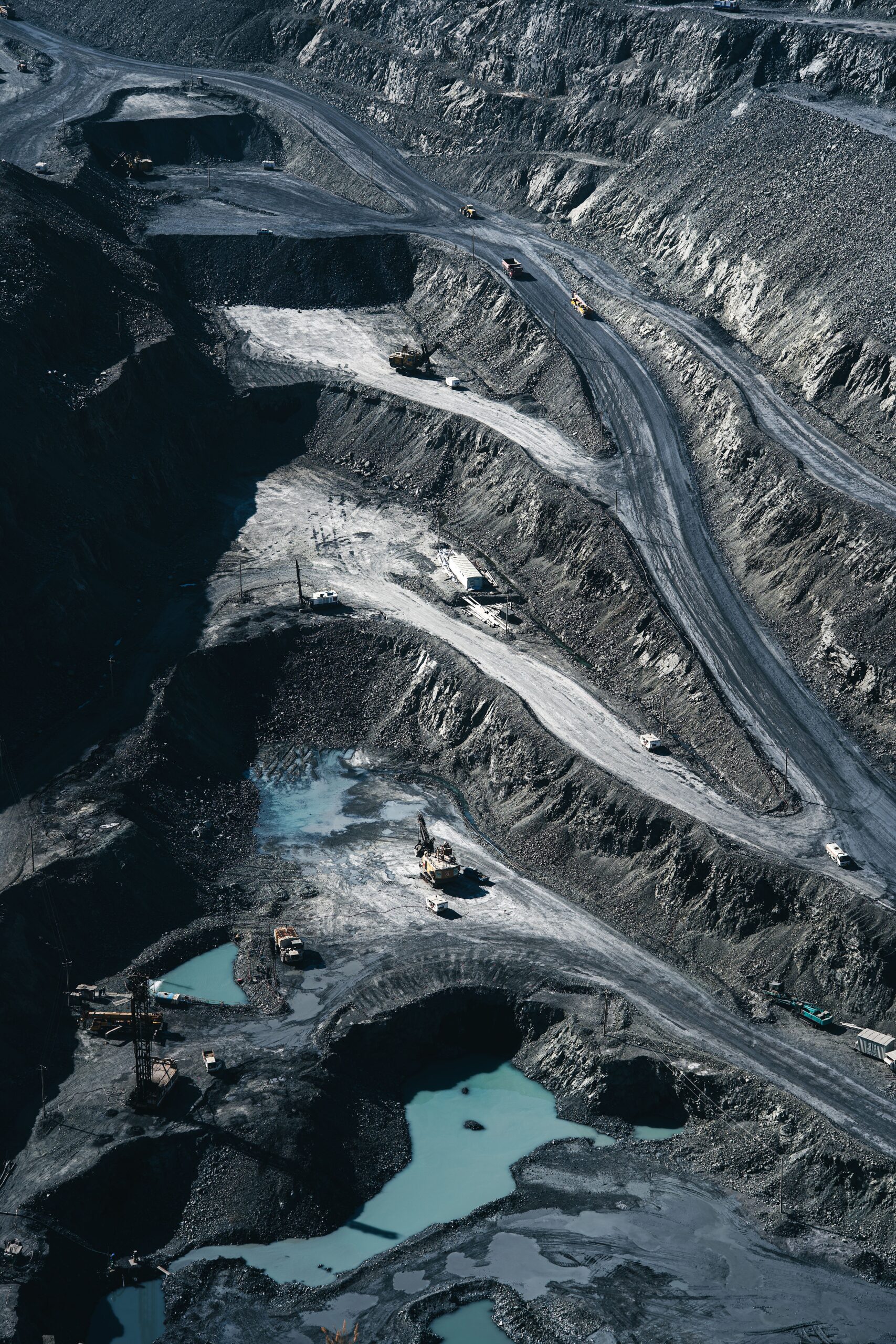
Mineral resources are naturally occurring inorganic substances in the Earth’s crust with definite chemical compositions and physical properties, categorized into metallic minerals (iron, copper, lithium), industrial minerals (phosphates, gypsum), and energy minerals (uranium, coal). In resource economics, a critical distinction separates occurrences (geological presence), reserves (economically extractable deposits), extraction (raw ore mined), and production (refined…
Why Natural Resources Matter: Uses and Conservation
Natural resources are the physical backbone of human civilization: they supply 100% of human food, over 90% of raw industrial materials, and nearly 80% of global primary energy through fossil fuels alone. Beyond direct commodities, natural ecosystems provide irreplaceable life-support services—such as the Amazon rainforest absorbing up to 2 billion tonnes of CO₂ a year…