

The six main types of renewable energy are solar, wind, hydropower, geothermal, biomass and marine (tidal and wave). All of them generate electricity from natural sources that are continuously replenished. At the end of 2025 the world had 5,149 GW of installed renewable capacity, and solar was already the largest source, with 2,392 GW (IRENA 2026). What is each of these types, and how do they differ?
Renewable energy is no longer a promise for the future: it is the backbone of the new global electricity system. In 2025 close to 692 GW of new renewable capacity was installed, the largest annual increase on record, bringing the global total to 5,149 GW (IRENA 2026). However, not all clean sources work the same way or carry the same weight.
Contents
In this guide we review the main types of renewable energy, how each one works, how much it contributes worldwide and which countries lead its development. It is a general map to help you find your bearings; if you are looking for the broader concept of a resource that regenerates, you can explore it further in our guide to renewable natural resources and compare it with non-renewable natural resources.
What types of renewable energy are there? Which one produces the most electricity? What is the difference between solar and wind, or between geothermal and biomass? Below we answer these questions with verified data from IRENA, Ember and Our World in Data.
Renewable energy
Renewable energy sources are those obtained from natural resources that are continuously replenished faster than they are consumed, such as the sun, the wind, water or the Earth’s internal heat. Unlike fossil fuels, they do not run out and emit hardly any greenhouse gases while generating power.
- Renewable resources: these can be restored by natural processes faster than the rate at which they are consumed. Examples include solar radiation, wind, hydroelectric power, water when used properly, and plant and animal life.
- Non-renewable resources: once extracted, these are depleted and cannot regenerate. Examples include hydrocarbons, metals and minerals.
What is renewable energy and why does it matter?
They are called renewable because their primary source—the sun, the wind or the water cycle—is not used up when it is harnessed. Their big advantage is twofold: they do not run out, and they generate electricity with very low emissions. In 2024 renewables produced a decisive share of the world’s electricity and, together with nuclear, raised clean electricity to 40.9% of the total, up from 39.4% the previous year (Ember 2025).
Falling costs have been the main driver of this shift. The levelized cost of solar photovoltaic power fell by 90% between 2010 and 2024, to a global average of just $0.043 per kilowatt-hour (IRENA / pv magazine 2025). This drop explains why solar and wind made up 96.8% of all new renewable capacity added in 2025 (IRENA 2026).
Global renewable capacity by type
The following comparison shows how much capacity is installed worldwide for each type of renewable source at the end of 2025. Solar clearly dominates, followed by hydropower and wind, which are almost tied.
1. Solar energy
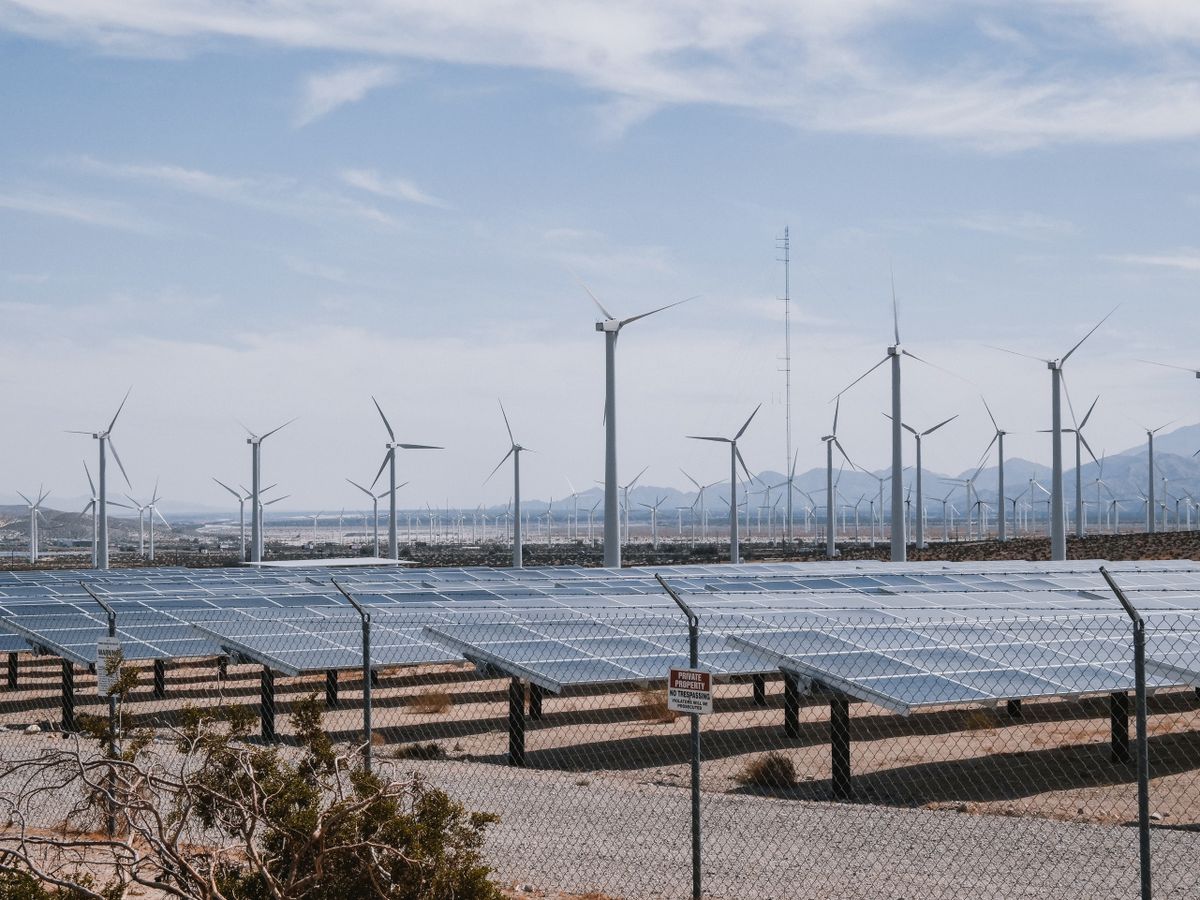
Solar energy harnesses the sun’s radiation through photovoltaic panels (which convert light into electricity) or thermal systems (which generate heat). It is the fastest-growing type of renewable energy: at the end of 2025 it had 2,392 GW installed worldwide, almost double the figure for wind (IRENA 2026). In 2024 alone, solar generation grew by 474 TWh (+29%) and met 40% of the increase in global electricity demand (Ember 2025).
China accounts for around half of all the solar capacity on the planet, far ahead of the United States, India and Germany (IRENA / Balkan Green Energy News 2025). You can see the weight of this source in countries such as China and Germany.
2. Wind energy
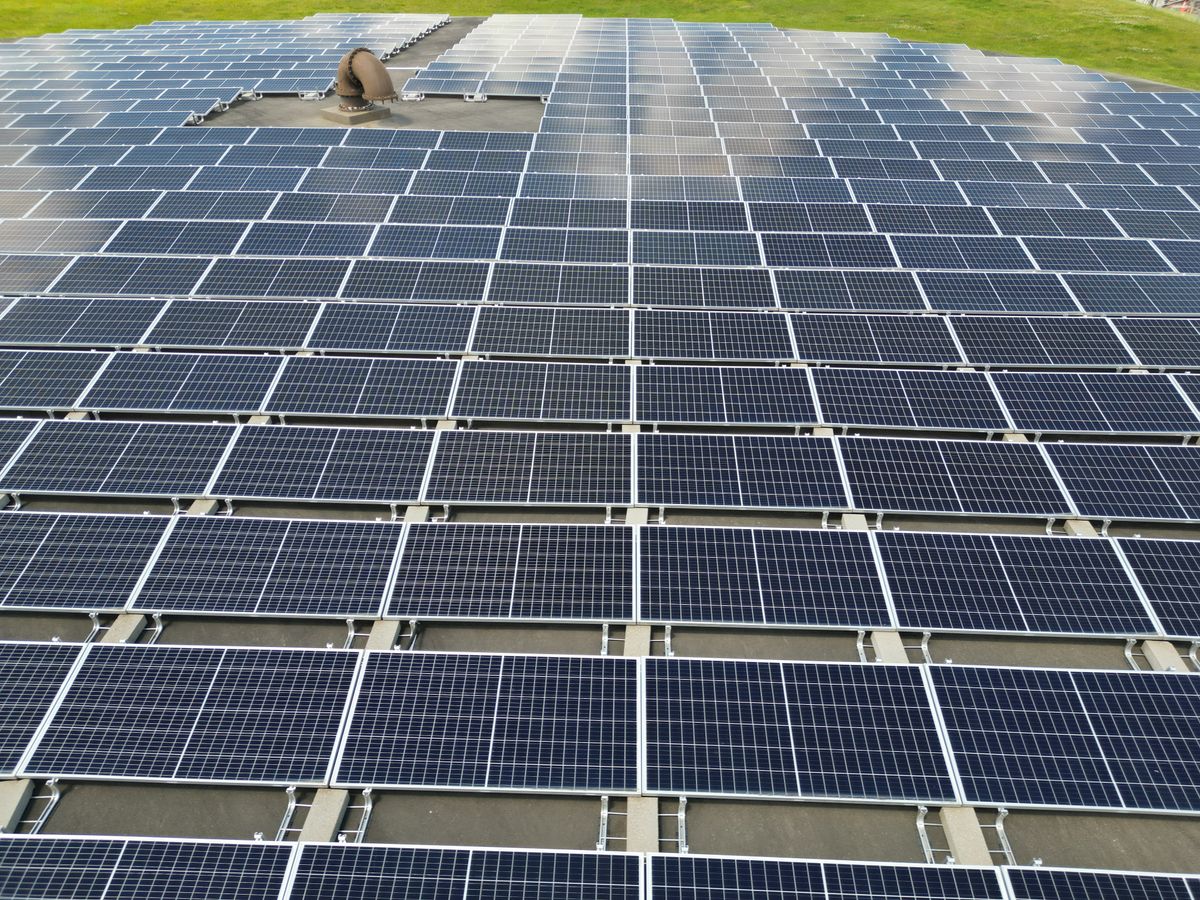
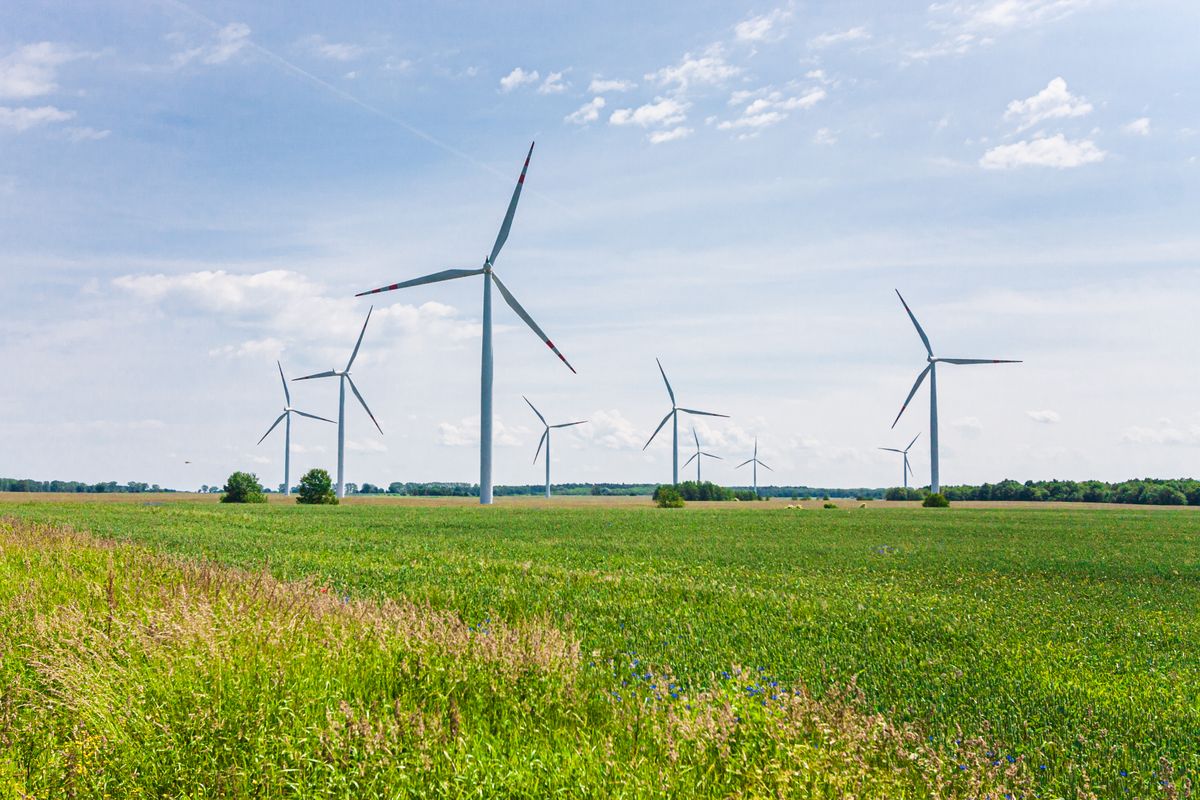
Wind energy turns the force of the wind into electricity using wind turbines, either on land (onshore) or at sea (offshore). It is the third-largest renewable source by capacity, just behind hydropower, with 1,291 GW installed at the end of 2025 (IRENA 2026). In terms of generation, wind supplied 8.1% of the world’s electricity in 2024, ahead of solar’s 6.9%, and together the two overtook hydropower for the first time (Ember 2025).
Along with solar, wind is the fastest-expanding technology today: together they made up 96.8% of all new renewable capacity in 2025 (IRENA 2026). It is one of the alternative energy sources with the most room to grow.
3. Hydropower
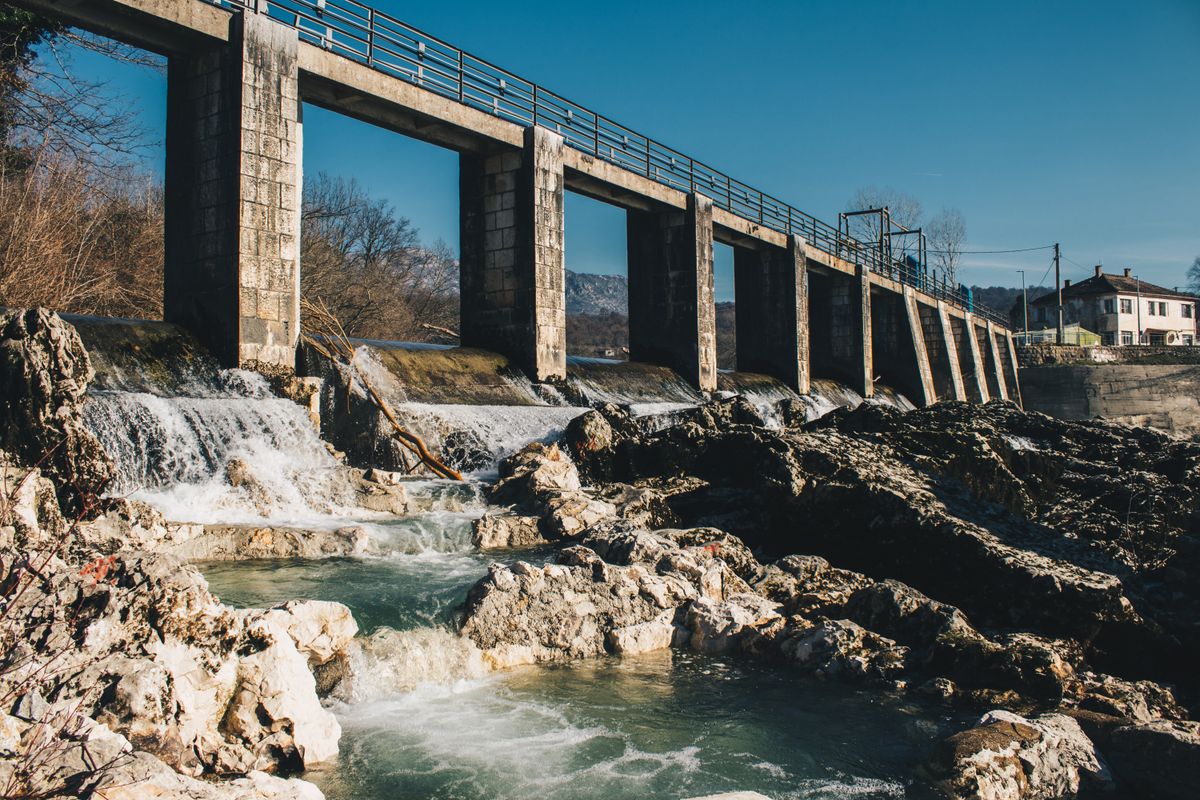
Hydropower, or hydroelectric energy, harnesses the movement of water—usually held in reservoirs behind dams—to turn turbines and generate electricity. Although solar has overtaken it in capacity, hydropower is still the world’s largest source of clean electricity: it accounted for 14.3% of all global electricity generation in 2024 (Ember 2025). Its installed capacity reached 1,296 GW at the end of 2025 (IRENA 2026).
Countries with large river networks, such as Norway, Brazil and Colombia, rely heavily on hydropower for their electricity supply.
4. Geothermal energy
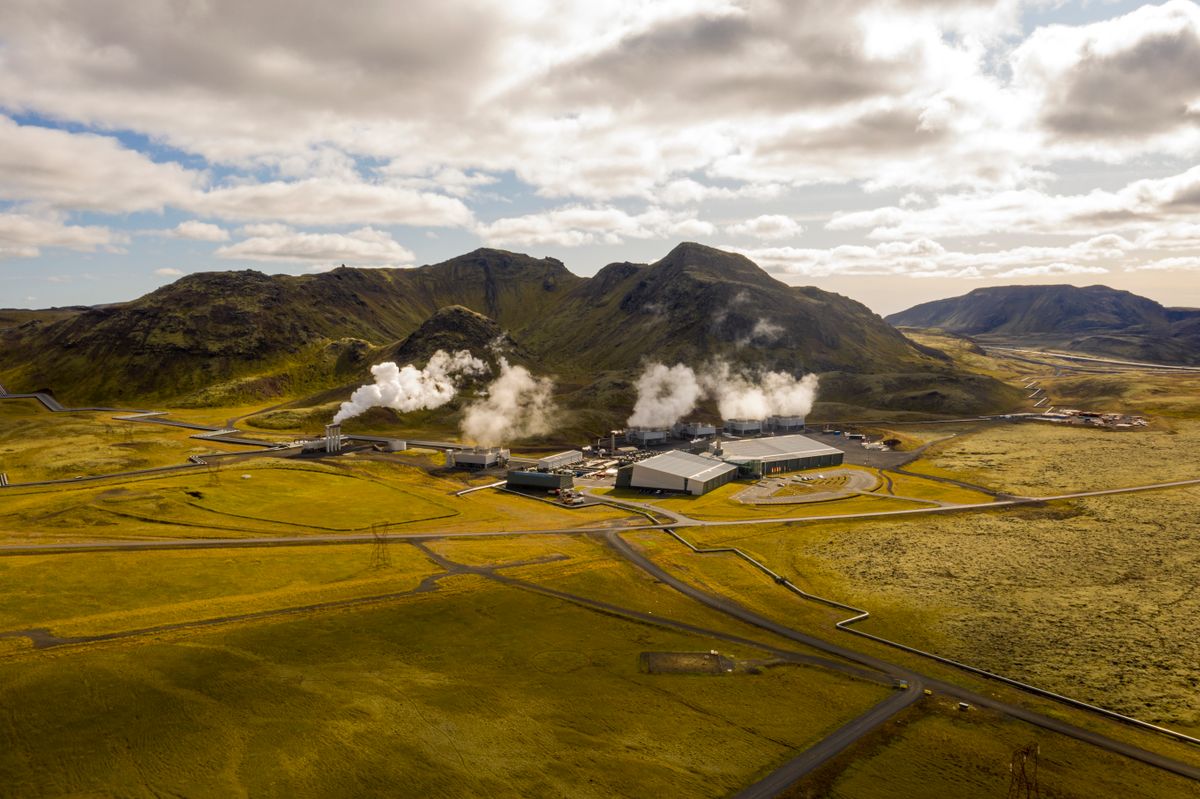
Geothermal energy harnesses the heat of the Earth’s interior to produce electricity and heating. It is a stable source, available 24 hours a day, but it is limited to areas with volcanic activity or high thermal gradients. Its global capacity is still modest: about 16 GW installed at the end of 2025 (IRENA 2026).
The leading examples of geothermal power are volcanic territories such as Iceland, New Zealand and the Philippines, where underground heat is a strategic resource.
5. Biomass and bioenergy
Biomass generates energy from organic matter: agricultural and forestry residues, energy crops or municipal waste that is burned or converted into biogas and biofuels. Unlike the sun or the wind, it is a dispatchable source, able to produce heat and electricity on demand. Bioenergy had 154 GW of installed capacity at the end of 2025 (IRENA 2026).
It is a key piece of the sustainable economy because it makes it possible to recover value from waste that would otherwise end up in landfills. Its challenge is ensuring that the feedstock comes from truly sustainable sources and not from deforestation.
6. Marine energy: tidal and wave power
Marine energy covers tidal power (which harnesses the tides), wave power (which uses ocean waves) and other ocean-based variants. It is the most nascent renewable source: global ocean energy capacity is around 500 MW, and more than 98% of it is tidal technology, dominated by two large plants, one of 254 MW in South Korea and another of 240 MW in France; wave energy adds up to just 2.3 MW (IRENA).
Although its share is marginal today, it is one of the new energy sources with the most long-term potential, thanks to the enormous energy contained in the oceans and tides.
Which countries lead in renewable energy?
The renewables map is highly concentrated. China leads by a wide margin: it accounted for about 64% of all new renewable capacity added in 2024 and has around half of the world’s solar power capacity (IRENA / Balkan Green Energy News 2025). The United States, India and Germany follow at a distance in solar and wind deployment.
In sources such as geothermal and hydropower, by contrast, leadership depends on geography: volcanic countries dominate geothermal, and countries with large river flows dominate hydroelectricity. This territorial diversity is what makes renewables a resilient, global system.
Advantages and challenges of renewable energy
Their advantages are clear: they are inexhaustible, increasingly cheap—solar is now the cheapest source of new electricity in much of the world (IRENA / pv magazine 2025)—and they emit very few greenhouse gases. They also diversify supply and reduce dependence on imported fuels.
Their challenges are intermittency (the sun and wind are not always available), the need for storage and more flexible power grids, and the land impact of large installations. Moving toward a 100% renewable model requires combining several types and committing to sustainable consumption.
Related guides
- Renewable Natural Resources: What They Are, Types and Examples
- Non-Renewable Natural Resources: Characteristics and Examples
- Alternative Energy Is Possible
- Sustainable Development Projects
- Sustainable Consumption: Concept, Characteristics and Examples
- Iceland Natural Resources
- Norway Natural Resources
- Brazil Natural Resources
Sources used
- IRENA — Near-700 GW Surge in 2025 Proves Renewable Energy Resilience (2026)
- Ember — Global Electricity Review 2025 · 2024 in review
- IRENA / pv magazine — Global average solar LCOE stood at 0.043 USD/kWh in 2024
- IRENA — Ocean energy
- IRENA / Balkan Green Energy News — China: 64% share in 2024 renewables growth (2025)
- Our World in Data — Renewable Energy
Knowing the different types of renewable energy helps explain why the energy transition does not depend on a single technology but on combining all of them. Solar and wind are growing at a record pace, hydropower provides stability, and sources such as geothermal, biomass and marine energy round out an increasingly clean and diverse system. Exploring how these resources are used in each country is the next step toward understanding the future of energy.
Related articles
Last updated: September 26, 2026

Leave a Reply