

Renewable energy offers decisive advantages: in 2024, 91% of new renewable capacity was cheaper than any fossil fuel alternative (IRENA 2025), and renewables supplied a record 32% of the world’s electricity (Ember 2025). Their disadvantages—intermittency, storage and a demand for critical minerals that could grow sixfold by 2040 (IEA 2022)—are real but manageable. What are the advantages and disadvantages of renewable energy that you should know before betting on it?
Renewable energy is no longer a promise; it has become the cheapest way to generate electricity in most of the world. In 2024, renewable sources supplied a record 32% of global electricity, and together with nuclear, low-carbon sources reached 40.9% (Ember 2025). However, no technology is perfect: understanding both its advantages and its disadvantages is essential for making informed decisions about investment, public policy and consumption.
Contents
This article compares, point by point, the benefits and drawbacks of solar, wind, hydroelectric and other clean energy sources, relying solely on verified data from organizations such as IRENA, the International Energy Agency (IEA), the IPCC and Our World in Data. The goal is to give you a balanced view, without exaggeration or doom-mongering.
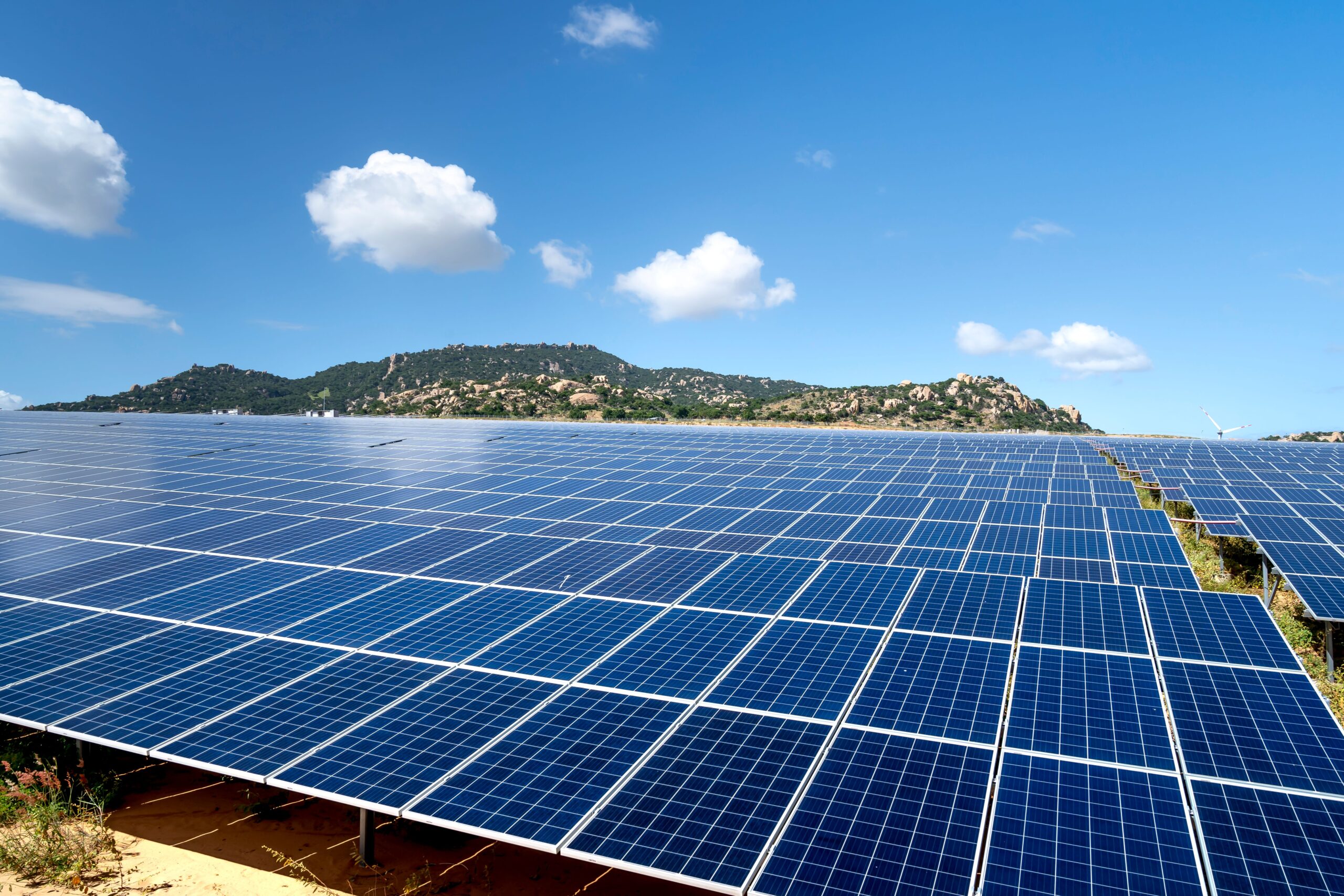
What exactly is renewable energy? What are its main advantages over fossil fuels? And which technical and environmental disadvantages should you keep in mind? In the following sections we answer each of these questions with verified figures.
Natural resources
Natural resources are materials or energy sources provided by or found on Earth that are useful to humans. Every product we manufacture is made up of natural resources.
- Renewable resources: these can be restored by natural processes faster than the rate at which they are consumed. Examples include solar radiation, wind, hydroelectric power, water when used properly, and plant and animal life.
- Non-renewable resources: once extracted, these are depleted and cannot regenerate. Examples include hydrocarbons, metals and minerals.
What is renewable energy and how does it work?
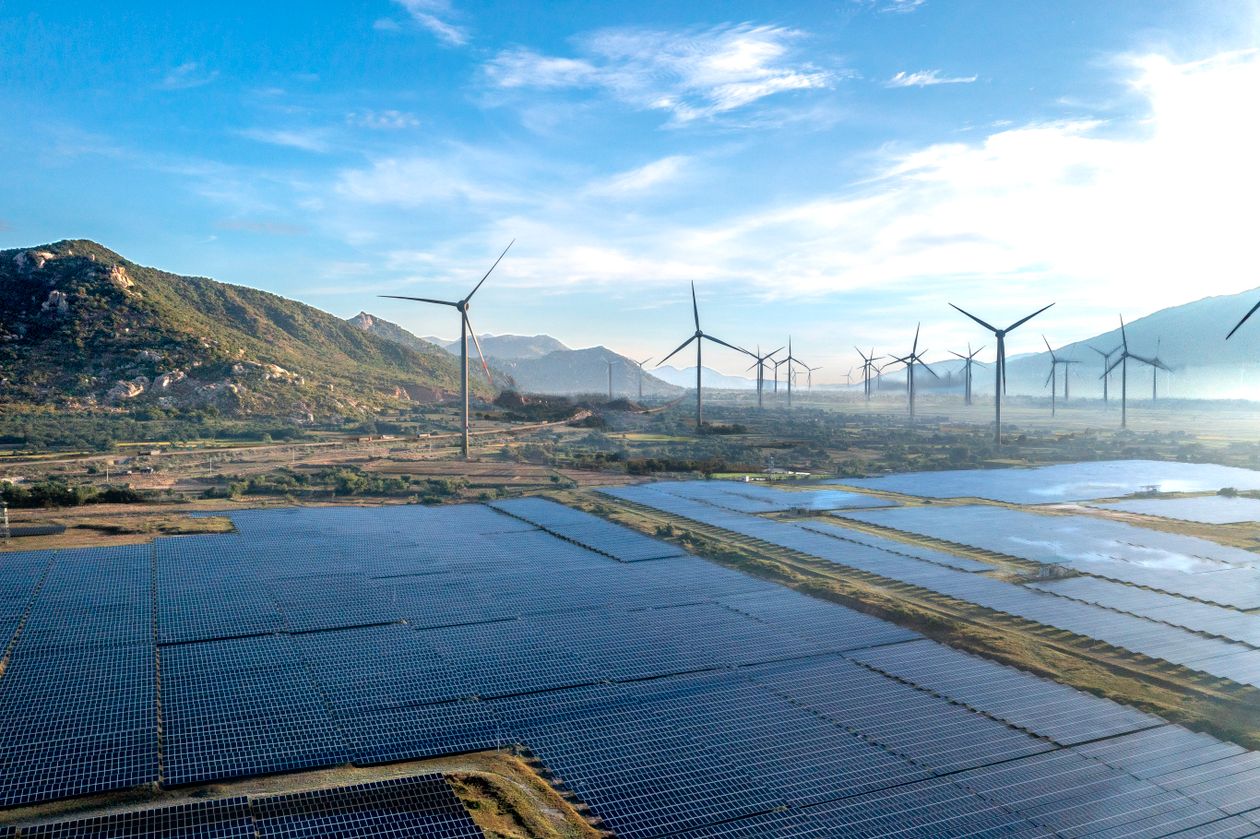
Renewable energy comes from natural sources that are inexhaustible on a human scale: solar radiation, wind, river water, the Earth’s internal heat and biomass. Unlike coal, oil or natural gas, these sources are not used up or depleted when we harness them. Solar photovoltaic energy converts light into electricity using panels; wind energy captures the movement of air with wind turbines; and hydroelectric power uses falling water to drive turbines.
Deployment is advancing at an unprecedented pace. In 2024 alone, 582 GW of new renewable capacity was installed, the largest annual figure in history (IRENA 2025). To learn more about the types and examples, see our guide to renewable natural resources and find out why alternative energy is possible.
Advantages of renewable energy
The benefits of clean energy sources go far beyond the environment. Here are the four main arguments in their favor, backed by data:
1. Falling costs: already the cheapest option
The economic argument is now the most compelling. In 2024, the levelized cost of electricity (LCOE) was just $0.034/kWh for onshore wind and $0.043/kWh for solar photovoltaics, compared with more expensive fossil fuel alternatives (IRENA 2024). New solar was 41% cheaper and onshore wind 53% cheaper than the lowest-cost fossil fuel option; overall, 91% of new renewable capacity was cheaper than any fossil fuel alternative (IRENA 2025).
2. Lower emissions and cleaner air
Clean technologies—solar, wind, nuclear, electric vehicles and heat pumps—already avoid around 2.6 Gt of CO₂ a year, equivalent to about 7% of global energy-related emissions, with solar and wind the largest contributors (IEA 2025). As the chart below shows, life-cycle emissions from renewable generation are a fraction of those from coal or gas.
3. Jobs and local economic development
The renewable energy sector employed 16.2 million people worldwide in 2023, almost three times as many as a decade earlier; solar photovoltaics alone supported 7.1 million of those jobs (IRENA and ILO 2024). These jobs tend to be spread across more regions than those in the fossil fuel industry, boosting regional economies.
4. Energy security and independence
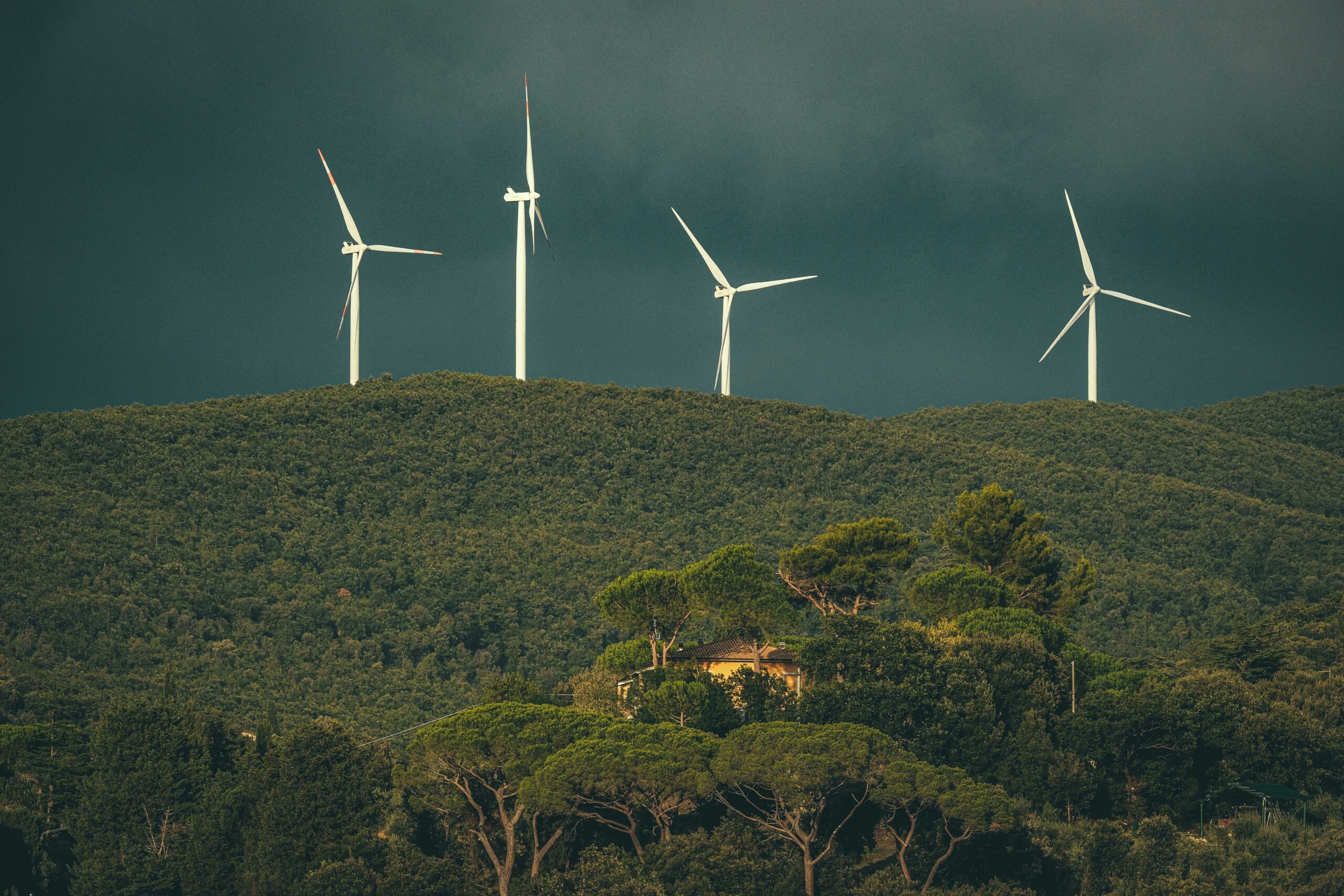
Because they do not depend on fuel imports, renewables shield countries from volatile international prices. In 2024 alone they helped avoid some $467 billion in fossil fuel costs worldwide (IRENA 2025). Wind and sunlight are domestic resources available in most countries, as detailed in our analysis of Germany’s natural resources and China’s natural resources, world leaders in renewable deployment.
Disadvantages of renewable energy
Ignoring the drawbacks would be as misleading as denying the benefits. These are the four main challenges that still need to be solved:
1. Intermittency and variability
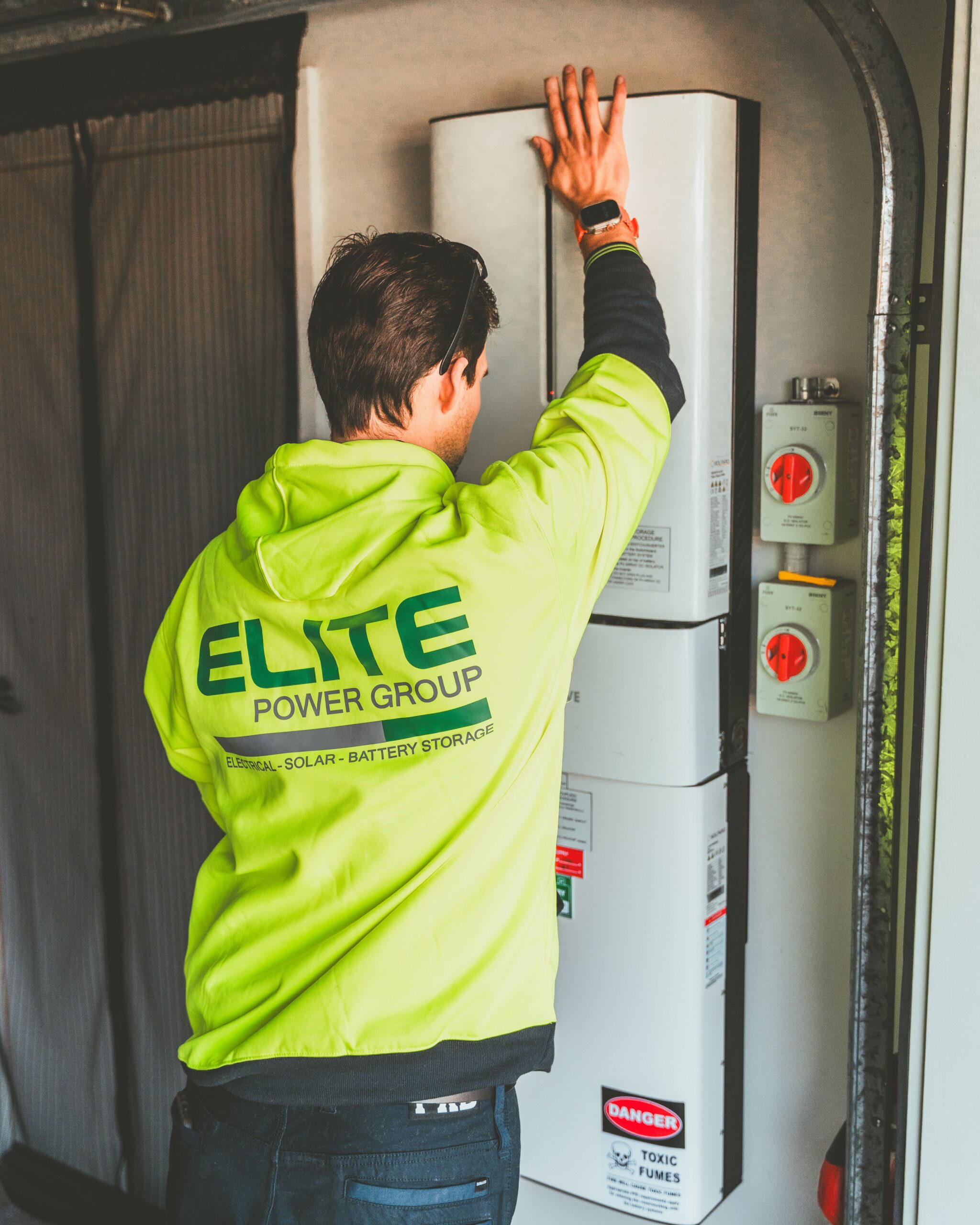
The sun does not shine at night, and the wind does not blow constantly. This shows up in capacity factors: across the U.S. fleet, solar averages about 23% and wind around 34%, far below the 60% or more of a gas-fired plant (U.S. EIA 2024). The power grid therefore needs extra flexibility to balance supply and demand.
2. The need for storage and its cost
Using energy when there is no sun or wind requires batteries, a cost on top of the generation itself. A grid-scale storage system cost around $165/kWh in 2024 (BloombergNEF 2024). The good news: battery storage costs fell 93% between 2010 and 2024 (IRENA 2024), gradually easing this obstacle.
3. Land use and demand for critical minerals
Clean technologies are material-intensive. An onshore wind farm requires about 9 times more mineral inputs than a gas-fired plant of equivalent capacity, and an electric vehicle about 6 times more than a conventional car (IEA 2022). Global demand for minerals for clean energy could grow as much as sixfold by 2040, with lithium demand growing up to ninefold (IEA 2022). On top of this comes the extensive land use of large solar and wind farms.
4. High upfront investment costs
Although operating costs are very low, the upfront investment is still high. In 2024 the total installed cost was $691/kW for solar photovoltaics, $1,041/kW for onshore wind and as much as $2,852/kW for offshore wind—more than four times the cost of solar (IRENA 2024). This upfront outlay can hold back projects in countries with limited access to financing.
Advantages and disadvantages: pros and cons compared
The following summary sets the main pros and cons of renewable energy side by side so you can weigh them at a glance:
- Cost: pro, they are already the cheapest source (onshore wind LCOE $0.034/kWh); con, they require high upfront investment (up to $2,852/kW for offshore wind).
- Emissions: pro, 11–48 gCO₂eq/kWh versus 820 for coal; con, manufacturing the equipment still leaves a footprint.
- Availability: pro, inexhaustible, domestic resources; con, intermittent (solar capacity factor ~23%).
- Jobs: pro, 16.2 million jobs in 2023; con, they require new skills and worker retraining.
- Materials: pro, they consume no fuel; con, high demand for critical minerals (up to 6× by 2040).
The case of hydropower
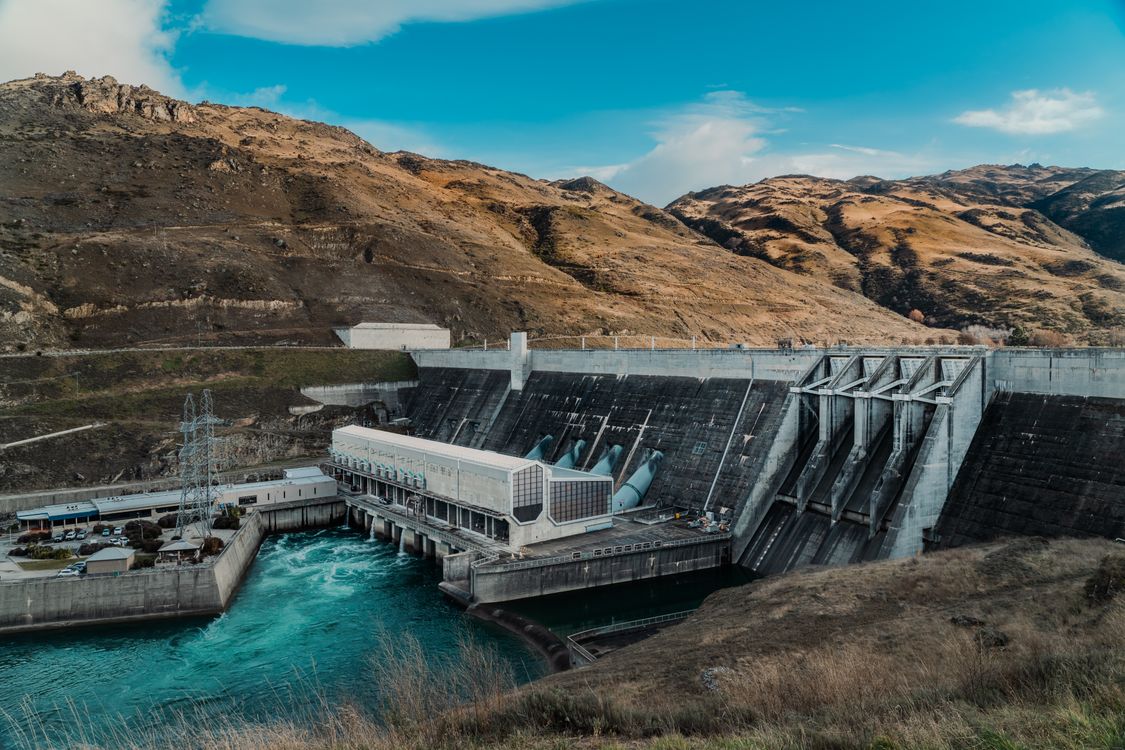
Hydropower illustrates the balance of advantages and disadvantages well. With an LCOE of $0.057/kWh (IRENA 2024) and only 24 gCO₂eq/kWh (IPCC 2014), it is clean, cheap and offers natural storage. However, large dams alter river ecosystems and displace communities. Countries such as Brazil, Colombia and Chile rely on this resource for a large part of their electricity mix.
Related resources and reading
If you want to learn more about energy sources and sustainable development, these articles on our site complement what you have read here:
- Renewable natural resources: what they are, types and examples
- Non-renewable natural resources: characteristics and examples
- Alternative energy is possible
- Sustainable development projects
- Sustainable economy
- Sustainable consumption: concept, characteristics and examples
- Natural resources of the United States
- Natural resources of Spain
Sources used
- IRENA — 91% of new renewable projects are already cheaper than fossil fuels (2025)
- IRENA — Renewable Power Generation Costs in 2024
- IRENA and ILO — Renewable Energy and Jobs, Annual Review 2024
- Ember — Global Electricity Review 2025
- IEA — Global Energy Review 2025: CO₂ Emissions
- IEA — The Role of Critical Minerals in Clean Energy Transitions
- IPCC AR5 (2014) — Life-cycle emissions by source
- BloombergNEF — Battery Storage Costs (2024)
In short, the advantages and disadvantages of renewable energy add up to a clearly favorable balance: it is the cheapest and cleanest way to generate electricity, although it requires solving intermittency, investing in storage and managing mineral demand responsibly. Data from IRENA, the IEA and the IPCC confirm that the energy transition is not only possible but already under way and profitable. The question is no longer whether to bet on renewables, but how quickly we can do it.
Related articles
Last updated: September 26, 2026

Leave a Reply