

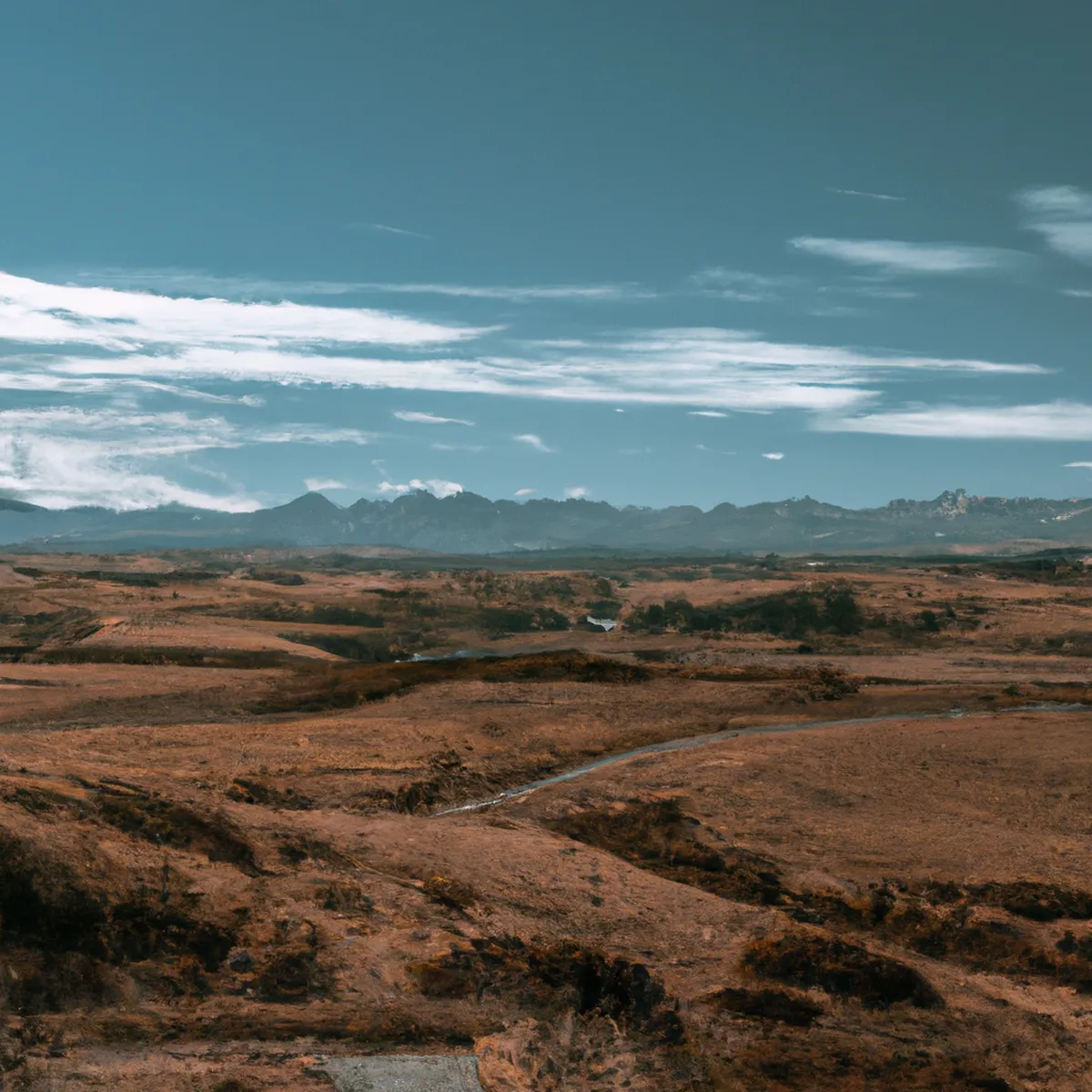
New Zealand’s natural resources are defined by 327 km³ of freshwater reserves, 99,503 km² of forests covering 37.8% of the territory, and an electricity grid powered 89% by renewables (38.4 TWh of renewable generation in 2025, Ember). Home to 91 endemic bird species including the iconic kiwi, New Zealand pairs extreme biological endemism with temperate pastoral lands that make it the world’s top dairy exporter.
New Zealand, an archipelago in the southwestern Pacific Ocean, is renowned worldwide for its extraordinary natural landscapes and unique evolutionary biodiversity. From lush temperate rainforests and glacier-fed rivers to fertile rolling pastures and dramatic coastlines, New Zealand’s natural endowment is both abundant and distinctive. As part of our regional exploration of Oceania natural resources and our global directory of natural resources by country, this guide evaluates the nation’s natural capital.
Contents
These natural assets have underpinned the country’s high-productivity economy, which relies on pastoral farming, plantation forestry, and marine fisheries. Simultaneously, New Zealand is recognized globally for environmental protection and biodiversity stewardship, maintaining ecological equilibrium to benefit present and future generations.
What are New Zealand’s most valuable natural resources? Where does it stand in international mineral rankings? How does it harness renewable energy and preserve its freshwater wealth? What makes its native flora and fauna irreplaceable?
Key Fact: Natural Resources
Natural resources are materials or energy sources provided by nature and found on Earth that are useful to humans. Every manufactured product is built from natural resources.
- Renewable natural resources: these can be restored by natural processes faster than the rate of consumption. Examples include solar radiation, wind, hydroelectric power, properly managed water, and plant and animal biomass. For comparative dynamics, see our guide to renewable vs non-renewable resources.
- Non-renewable natural resources: once extracted, these finite reserves are depleted and cannot regenerate on a human timescale. Examples include hydrocarbons, coal, and metallic ores. For full classifications, explore our guide to types of natural resources.
Examples of New Zealand’s Main Natural Resources
New Zealand: State of the Forests
Forest cover trends and environmental indicators.
| Forest cover | 37.8 % of the territory2023 |
|---|---|
| Forest area | 99,503 km²2023 |
| Annual forest area change | +190 km² per year (2018–2023) |
| Agricultural land | 36.9 % of the territory2023 |
| Protected land area | 33.4 % of the territory2025 |
| Threatened species | 145 mammals, birds, fish and plants2022 |
Oil and Gas Resources in New Zealand
In 2021, New Zealand’s crude oil production was about 7,300 barrels per day. Proved oil reserves were estimated at 64,100,000 barrels in 2022. Most hydrocarbon extraction is concentrated in the offshore and onshore Taranaki basin on the North Island.
With dry natural gas production of 3.3 billion cubic meters in 2024 (EIA), New Zealand sits in 53rd position worldwide among natural gas producers, utilizing domestic gas primarily for industrial process heat and electricity peaking.
Mineral Resources of New Zealand
New Zealand holds significant reserves of coal, totaling about 6.75 billion tonnes in 2023. The primary coal-bearing region is the South Island (notably the West Coast and Southland), home to extensive sub-bituminous and bituminous deposits used in steelmaking and regional heating.
In 2019, primary aluminum smelting output in New Zealand reached 351,000 tonnes, positioning the nation 23rd in the global ranking. Smelting operations center at the Tiwai Point smelter near Bluff in Southland, benefiting from direct supply of renewable hydroelectric power.
In 2019, iron ore and titanomagnetite ironsand production reached an estimated 4,000,000 tonnes, placing New Zealand 24th worldwide. Extraction is concentrated along the western coast of the North Island (such as Waikato North Head), where extensive black ironsands support domestic steel production and heavy export trade. For a detailed breakdown of global mining, see our guide to mineral resources.
Water Resources of New Zealand
New Zealand possesses an abundant freshwater endowment with 327 km³ of renewable freshwater reserves in 2020. Across the North and South Islands flow substantial waterways, notably the Waikato River (the longest in the country) and the Clutha River (the highest volume river), alongside iconic freshwater bodies like Lake Taupo, the largest lake in New Zealand. For a broader analysis of global freshwater hydrology, read our dedicated guide to water resources.

Average Precipitation and Soils of New Zealand
New Zealand receives an average annual precipitation of 1,732 mm, ranking 39th globally in rainfall. This generous rainfall sustains highly fertile, productive soils across coastal plains, river valleys, and temperate pastures.
High moisture levels nurture dense temperate rainforests on western mountain slopes, while rain-shadow eastern basins support productive pastoral grasslands, giving New Zealand remarkably diverse soil profiles and agricultural versatility.
Renewable Electricity and Hydropower Generation in New Zealand
New Zealand is an international benchmark for clean power generation: in 2025 it generated 38.4 TWh of renewable electricity — 89% of its total generation of 43.3 TWh — and hydropower supplied 23.8 TWh (Ember). The country’s largest hydroelectric facility is the Manapouri Hydroelectric Power Station in the South Island, with an installed capacity exceeding 800 MW. Explore international grid dynamics in our comprehensive report on energy resources.

Forest Resources of New Zealand
New Zealand is a globally significant forestry nation, with a forest area of 99,503 km², representing 37.79% of its total land area as of 2023 (World Bank). This natural resource is vital for the national economy, supplying timber, pulp, paper, and advanced wood products.
Ranking 49th globally in forest area, New Zealand balances intensive commercial plantation forestry (predominantly Monterey pine, Pinus radiata) with legally protected indigenous native beech and podocarp rainforests. Learn more about sustainable timber management in our guide to forest resources.
Environmental Performance and Resource Protection in New Zealand
The country achieved an Environmental Performance Index (EPI 2024, Yale University) score of 57.3, ranking 33rd out of 180 countries. A substantial 30.60% of New Zealand’s total territory is protected under terrestrial reserves, national parks, and marine reserves.
National Parks of New Zealand: The Hidden Wealth of Natural Resources
Biodiversity: Animal and Plant Resources of New Zealand
Birds of New Zealand
New Zealand is a globally irreplaceable treasure trove of avian evolution. With 231 recorded bird species in 2018, the country ranks 152nd worldwide in total bird species richness.
However, 91 of these bird species are strictly endemic to New Zealand. Because the islands evolved without native terrestrial mammals, birds filled ecological niches occupied by mammals elsewhere. Today, 69 bird species face extinction threats, underscoring the urgency of predator-free conservation initiatives.
Foremost among these is the kiwi (Apteryx), a nocturnal flightless bird that serves as New Zealand’s cherished national emblem.

Fish and Amphibians of New Zealand
New Zealand supports unique aquatic and amphibian life, harboring 8 amphibian species (including ancient native frogs of the genus Leiopelma) and 1,105 recorded fish species, placing 37th globally in fish diversity. Introduced rainbow and brown trout thrive in clear southern rivers.
However, 38 native fish species, especially native galaxiids (whitebait), are classified as threatened.
Mammals of New Zealand
New Zealand records 44 mammal species (86th globally), of which 9 are threatened. The archipelago has no native land mammals other than two endemic bat species (the long-tailed and lesser short-tailed bats).
Reptiles of New Zealand
New Zealand possesses 73 native reptile species, ranking 88th globally. Its most celebrated reptile is the tuatara (Sphenodon punctatus), an endemic ‘living fossil’ representing an ancient order (Rhynchocephalia) that diverged from snakes and lizards during the Mesozoic Era.

Plants of New Zealand
New Zealand is home to 2,400 vascular plant species, ranking 82nd in the world for botanical diversity.
The iconic silver fern (Cyathea dealbata), with its distinctive silver-white frond undersides, grows abundantly across native forests and stands as a beloved national symbol.
Organizations Protecting or Studying New Zealand’s Natural Resources
- Department of Conservation (DOC) – Government agency managing New Zealand’s public conservation estate, national parks, and native wildlife.
- Forest & Bird – New Zealand’s leading independent conservation organization protecting native wildlife and wild places.
- Greenpeace Aotearoa – Campaigns on climate change, ocean protection, and industrial agricultural impacts.
- WWF New Zealand – Works to conserve marine ecosystems, protect native cetaceans, and reduce national ecological footprints.
- Environmental Defence Society (EDS) – Legal and policy advocacy group dedicated to safeguarding coastal landscapes, water bodies, and public biodiversity.
- Sustainable Business Network – Accelerates corporate sustainability and circular economy initiatives across New Zealand businesses.
- Ekos – Assists enterprises in measuring and mitigating carbon footprints through indigenous reforestation carbon credits.
New Zealand’s most distinctive resource is not a buried mineral, but its temperate grass: the country is the world’s leading exporter of whole milk powder, and dairy cooperative Fonterra accounts for roughly 30% of global dairy trade, according to Wikipedia (Fonterra), 2024. That pastoral foundation, combined with a near-fully renewable power grid and extreme biological endemism, defines its natural capital profile.
A Dairy Powerhouse Ahead of Mining
New Zealand’s resource economy is grounded in temperate grasslands that support export dairy farming. Fonterra processes the majority of domestic milk and exports nearly 95% of its output, making dairy the country’s single largest goods export, according to Wikipedia (Fonterra), 2024.
An 85% Renewable Electricity Grid
In 2024, 85.5% of New Zealand’s electricity generation came from renewable sources. Hydropower provided 53.5%, geothermal energy contributed a record 19.9%, and wind energy generated 8.9%, according to the Ministry of Business, Innovation and Employment (MBIE), 2025.
An Ark of Unique Endemic Species
Isolated since breaking away from the supercontinent Gondwana 80 million years ago, New Zealand evolved a biological assemblage found nowhere else. Over 80% of vascular plants, 70% of terrestrial and freshwater birds, and 100% of native reptiles, amphibians, and bats are strictly endemic, according to the New Zealand Department of Conservation (DOC), 2024.
Sources Used
- Annex: Countries by Mineral Production – Wikipedia
- Economic Data by Country – The Global Economy
- Forest Area (km²) – World Bank
- Forest Area as Percentage of Land – World Bank
- Crude Oil Reserves – The Global Economy / Worldometers
- Coal Reserves by Country – Worldometers
- Water and Agricultural Statistics – FAO AQUASTAT
- Average Precipitation (mm) – World Bank
- Environmental Performance Index – Yale Center for Environmental Law & Policy
- Bird Species Richness – Mongabay
- Amphibian Species by Country – Mongabay
- Mammal Species Richness – Mongabay
- Vascular Plant Species – Mongabay
- Reptile Species by Country – Mongabay
- Endemic Bird Species by Country – Our World in Data
The Ministry of Business, Innovation and Employment of New Zealand reported in 2023 that more than 85% of the country’s electricity is generated from renewable sources, primarily hydroelectric and geothermal power.
Last updated: September 26, 2026

Leave a Reply