

Natural resources are the physical backbone of human civilization: they supply 100% of human food, over 90% of raw industrial materials, and nearly 80% of global primary energy. Beyond direct commodities, natural ecosystems provide irreplaceable life-support services—such as the Amazon rainforest absorbing 2 billion tonnes of CO₂ annually and global wetlands filtering 40% of continental freshwater. Why are natural resources critical for human survival and economic progress, and what concrete examples illustrate their role across food, materials, energy, and ecosystems?
Modern society often perceives wealth through digital balances, corporate balance sheets, and physical infrastructure. Yet every skyscraper, computer chip, medical device, and food calorie traces its physical origin to natural capital. Natural resources are not merely passive raw inputs; they constitute the thermodynamic and biological foundation that makes civilization possible. Without continuous supplies of freshwater, fertile topsoil, metallic ores, and planetary energy flows, modern industry and urban life would instantly halt.
Table de contenidos
However, the global metabolic rate has reached unprecedented levels. According to the United Nations International Resource Panel (IRP), global raw material extraction exceeded 106 billion tonnes in the mid-2020s. Over 90% of global biodiversity loss and water stress, along with roughly 50% of global greenhouse gas emissions, are directly attributable to resource extraction and primary processing. Examining the importance of natural resources through tangible, sector-by-sector examples reveals both our profound dependency and the urgent economic necessity of conservation.

1. Food Security: The Ecological Foundation of Nutrition
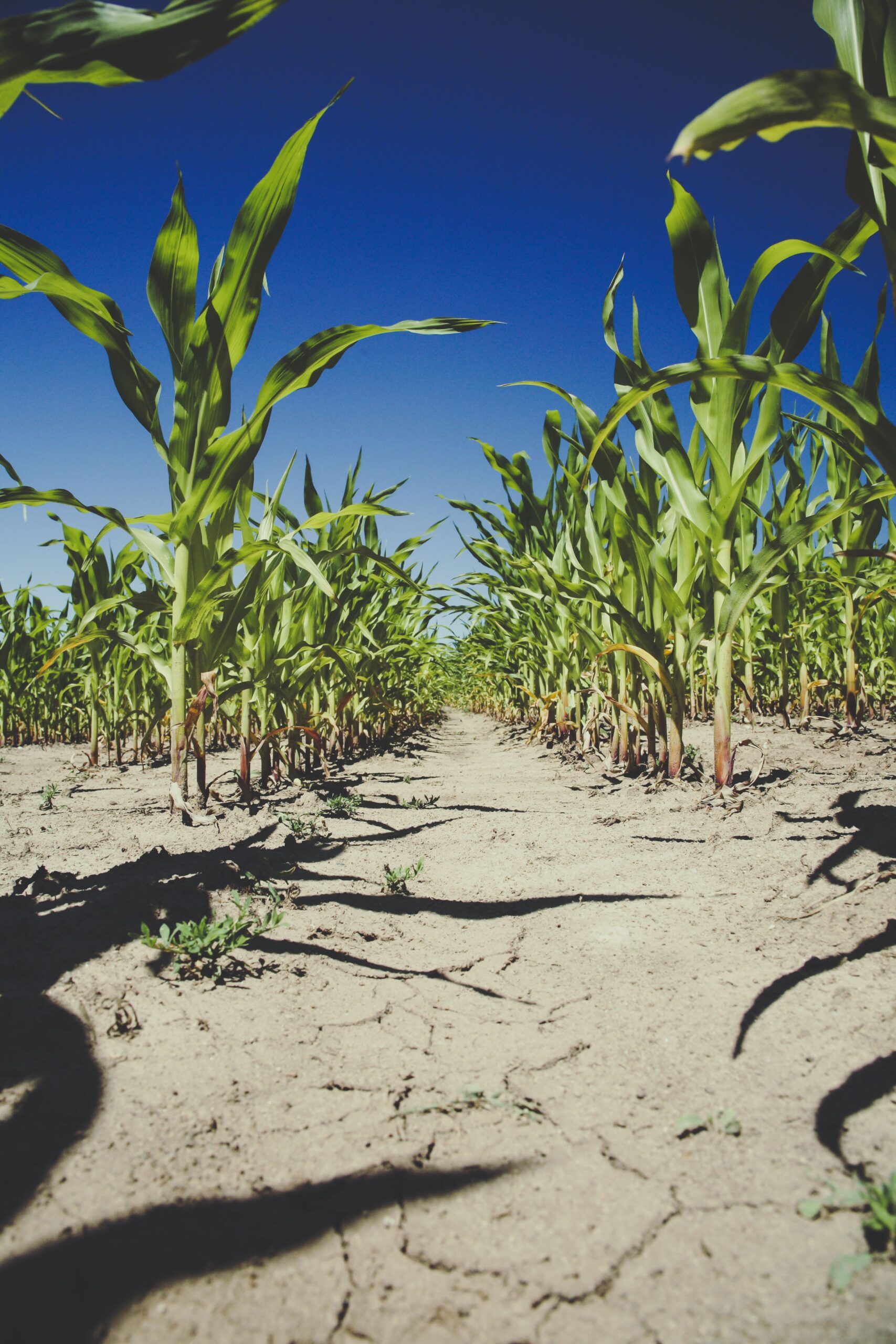
Global food security depends entirely on the functional interaction of four primary natural resources: arable soil, freshwater reserves, biological pollinators, and aquatic ecosystems:
- Arable Topsoil: The Food and Agriculture Organization (FAO) reports that 95% of direct human food originates from soil. Generating just 2.5 cm (one inch) of fertile agricultural topsoil under natural weathering takes between 100 and 500 years. Where soil is preserved through regenerative agriculture, crop yields maintain stability; where soil is depleted through chemical over-fertilization and erosion, farmland productivity declines irreversibly.
- Agricultural Freshwater: Irrigation accounts for approximately 70% of all global freshwater withdrawals. In major breadbasket regions—such as California’s Central Valley, northern India’s Punjab, and the North China Plain—crop production depends heavily on aquifer pumping. Depleting groundwater faster than natural recharge rates threatens regional grain yields for hundreds of millions of people.
- Biological Pollinators: Insects, bats, and birds pollinate over 75% of leading global food crop types, including fruits, vegetables, nuts, and oilseeds. According to the Intergovernmental Science-Policy Platform on Biodiversity and Ecosystem Services (IPBES), pollinator services contribute between $235 billion and $577 billion annually to global agricultural output at zero direct financial cost to farmers.
- Marine and Inland Fisheries: Fish and marine organisms provide over 3.3 billion people with at least 20% of their average animal protein intake. In coastal nations across West Africa, Southeast Asia, and island states, marine ecosystems represent the primary nutritional buffer against malnutrition.
2. Industrial Materials: Building Modern Infrastructure and Technology
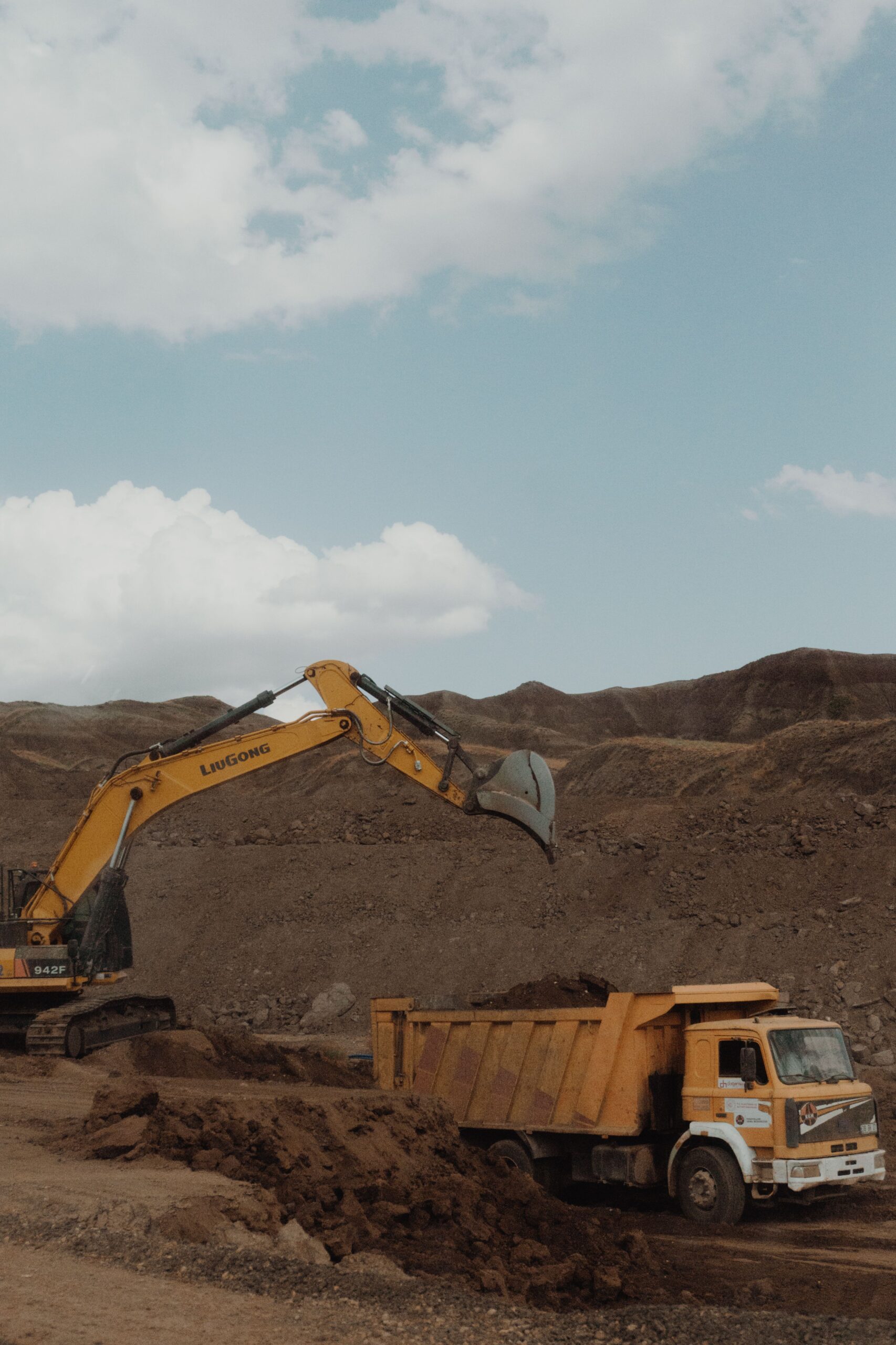
Every manufacturing value chain begins with physical material extraction. Even the most sophisticated digital economies rely on vast tonnages of metals and minerals:
- Structural Metals (Iron and Steel): Iron ore—led by producers like Australia and Brazil—is converted into over 1.8 billion tonnes of crude steel annually. Steel forms the skeleton of all transportation bridges, maritime cargo ships, reinforced concrete buildings, and rail networks worldwide.
- Electrification Metals (Copper): Often called the “metal of electrification,” copper possesses peerless thermal and electrical conductivity. A conventional automobile requires roughly 20 kg of copper, while an electric vehicle (EV) requires up to 80 kg. Offshore wind turbines require nearly 8 tonnes of copper per megawatt of capacity, making producers like Chile and Peru linchpins of global decarbonization.
- High-Technology Critical Minerals: Modern computing, telecommunications, and aerospace rely on minor metals found in tight geological concentrations. Lithium, cobalt, nickel, and rare earth elements (neodymium, dysprosium) make high-density lithium-ion batteries and permanent magnet electric motors possible. Without these specialized mineral resources, smartphones, MRI scanners, and renewable power converters could not function.
- Sustainable Bio-Materials (Timber and Natural Fibers): Forest products provide renewable structural timber for low-carbon construction, packaging to replace petroleum-based plastics, and biochemical feedstocks for cellulose, paper, and pharmaceutical production.
3. Energy Supply: Powering Societies and Driving Transitions
Energy is the universal currency of economic production. Access to abundant, dependable energy resources dictates whether a nation can operate industrial factories, power hospitals, illuminate cities, and transport goods across oceans:
For two centuries, industrial growth was fueled primarily by non-renewable fossil hydrocarbons (coal, petroleum, and natural gas). As documented in our guide to non-renewable resources, these concentrated fuels powered rapid urban expansion but released trillions of tonnes of greenhouse gases, destabilizing planetary climate regulation.
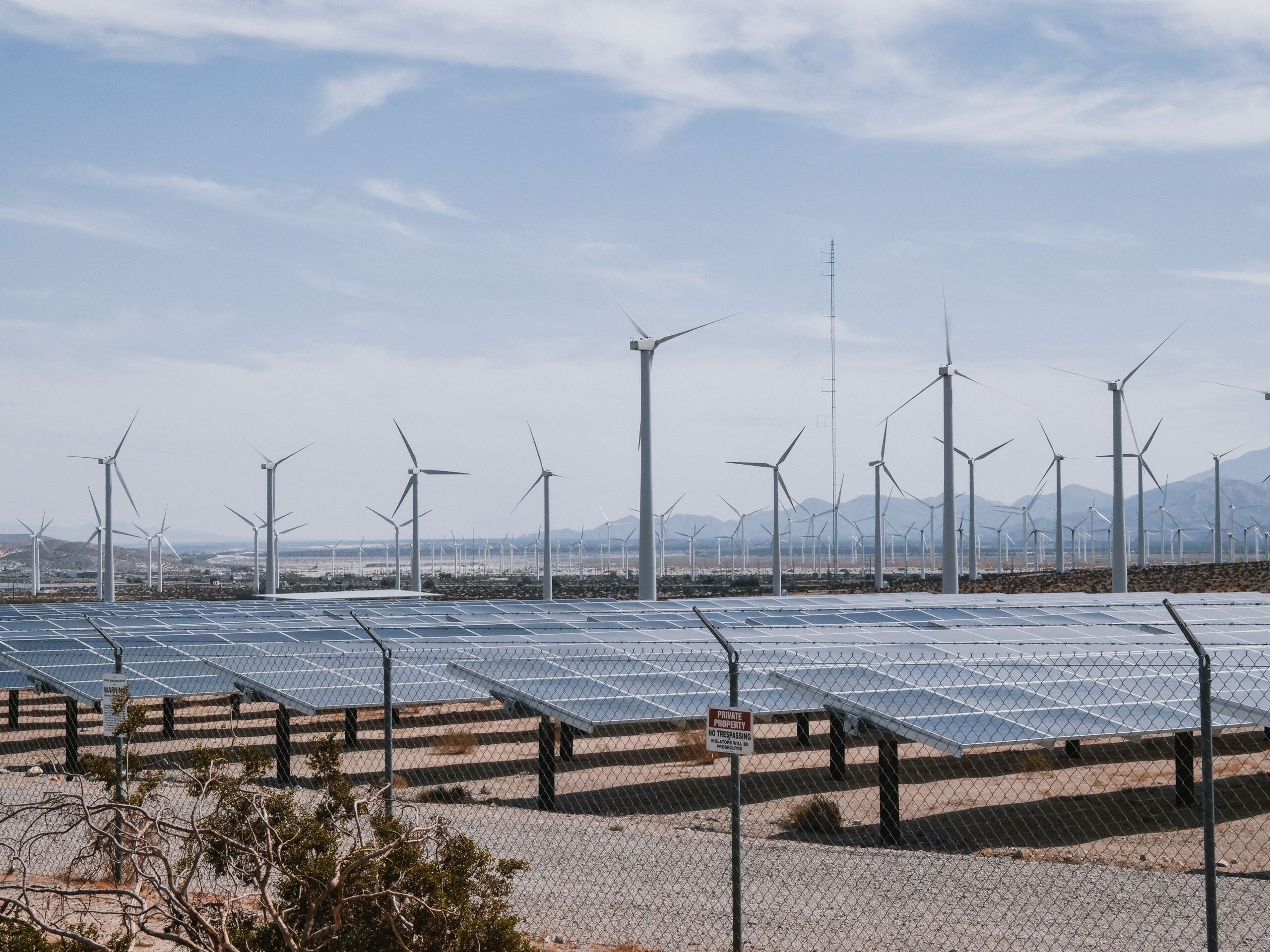
Today, the global economy is executing an epochal transition toward clean, renewable natural resources. Hydropower dams harness kinetic river flows; photovoltaic arrays capture solar photons; and wind turbines transform atmospheric pressure differentials into electrical grid power. According to the International Energy Agency (IEA), global investment in clean energy surpassed $2 trillion in 2024, far outpacing capital spending on fossil fuels. Harnessing these domestic natural resources enhances national energy independence while safeguarding the atmosphere.
4. Ecosystem Services: Nature’s Unpriced Life-Support Machine
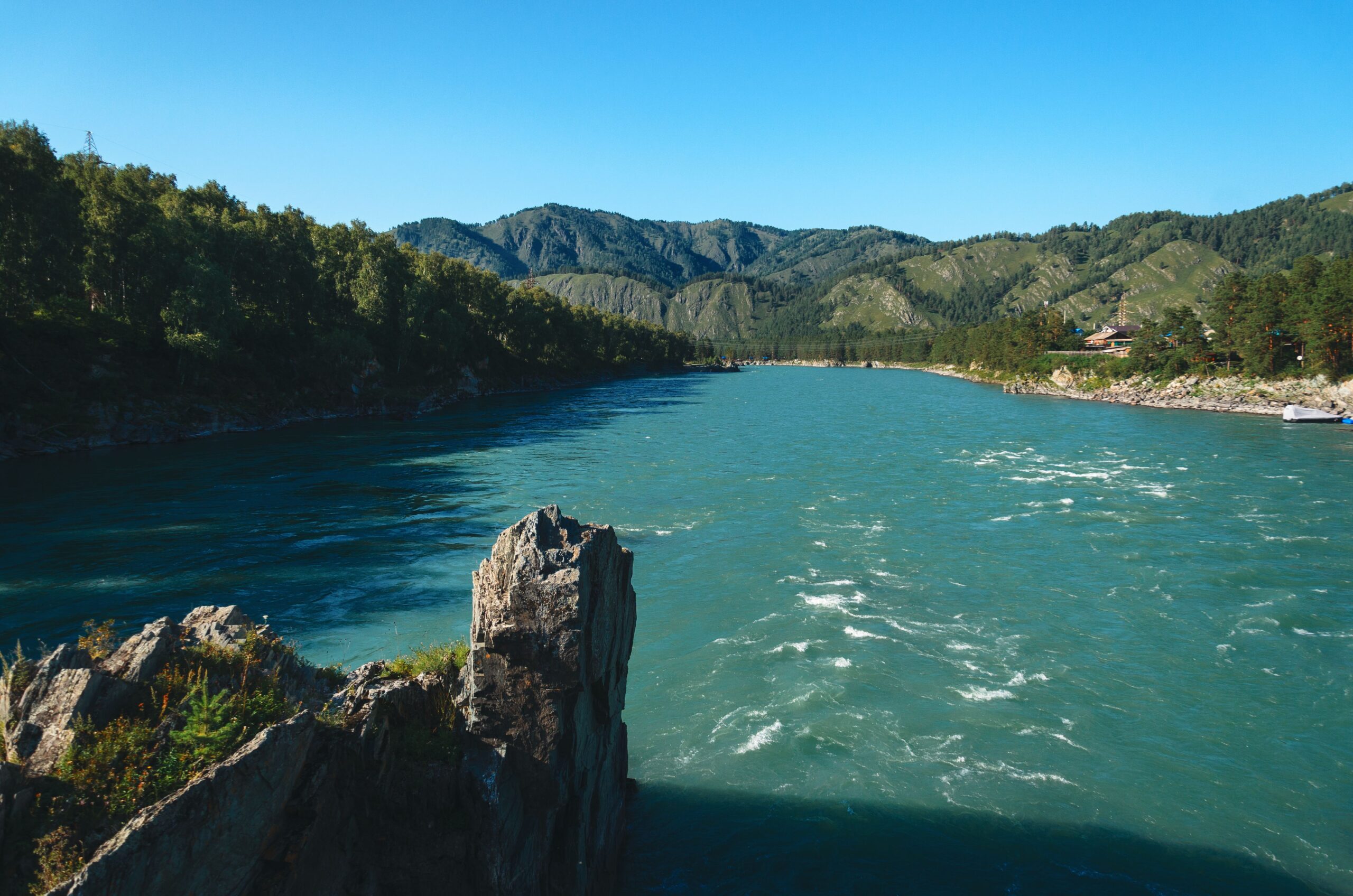
Beyond tangible goods bought and sold in commodity markets, intact natural capital provides fundamental regulatory and supporting services that maintain ecological stability:
| Ecosystem Service | Natural Asset Involved | Concrete Real-World Mechanism | Economic & Human Impact |
|---|---|---|---|
| Carbon Regulation | Tropical & Boreal Forests, Peatlands | Intact tree biomass photosynthesizes atmospheric CO₂, locking billions of tonnes of carbon in wood and root soils. | Stabilizes global climate patterns; prevents catastrophic extreme weather damages to agricultural and urban infrastructure. |
| Water Purification & Buffering | Wetlands, Marshes, Riparian Zones | Wetland vegetation and sediment microbes trap heavy metals, filter excess nitrates, and slow flood surges. | Saves municipalities billions in artificial water treatment plant construction; protects lowlands from costly flood devastation. |
| Coastal Storm Protection | Mangroves, Coral Reefs, Salt Marshes | Dense mangrove root networks dissipate wave energy by up to 66% across a 100-meter forest belt. | Protects hundreds of millions of coastal residents across the tropics from typhoon wave damage and coastal erosion. |
| Biomedical Compounds | Forest & Marine Biodiversity | Secondary plant metabolites and marine toxins serve as chemical templates for pharmacology. | Over 50% of approved modern anti-cancer drugs are derived directly or synthesized from natural biological organisms. |
The Dangers of Overexploitation: Ecological and Economic Risks
When natural resources are extracted faster than their replenishment or absorption capacity, societies face severe compounding hazards:
- The Tragedy of the Commons: In open-access systems—such as international high-seas fisheries or shared transboundary aquifers—individual actors have short-term economic incentives to harvest as much as possible, leading to collective resource collapse.
- The “Resource Curse” (Dutch Disease): In economics, nations with vast oil or mineral reserves frequently suffer from currency overvaluation, corruption, underinvestment in education, and heightened vulnerability to global commodity price swings. Overcoming this requires transparent sovereign wealth funds and strict institutional governance.
- Planetary Boundary Breaches: Scientists at the Stockholm Resilience Centre have identified nine Earth system boundaries that regulate the stability of the planet. Human extraction has already crossed safe thresholds for climate change, biosphere integrity, land-system change, freshwater change, and biogeochemical flows (nitrogen and phosphorus).
Sustainable Resource Management: The Path Forward
Securing the benefits of natural resources for future generations requires shifting from a linear “extract, use, dispose” model to a circular, regenerative economic framework. As detailed in our foundational overview of what sustainable development is and sustainable consumption principles, this shift rests on three core pillars:
- Decoupling Economic Growth from Resource Consumption: Increasing material efficiency and design durability so societies generate higher economic well-being per kilogram of raw material used.
- Comprehensive Industrial Circularity: Implementing high-recovery recycling for critical metals (copper, aluminum, battery minerals) and organic nutrient recovery for agricultural soils.
- Protecting Natural Capital as an Asset: Incorporating natural capital accounting into national GDP figures, ensuring forests, clean rivers, and healthy soils are recognized as irreplaceable national wealth rather than free resources to exploit.
To see how sovereign nations manage their resource endowments and balance extraction against conservation, explore our verified Natural Resources by Country library.
Authoritative Data Sources Used
The statistical data and ecological findings presented in this analysis are grounded in official institutional databases:
- UN Environment Programme (UNEP): International Resource Panel (IRP) Global Material Flows Database.
- Food and Agriculture Organization (FAO): The State of Food Security and Nutrition in the World (SOFI) and Global Forest Resources Assessment.
- Intergovernmental Science-Policy Platform on Biodiversity and Ecosystem Services (IPBES): Global Assessment Report on Biodiversity and Ecosystem Services.
- Stockholm Resilience Centre: Planetary Boundaries Research Framework.
- For details on our research verification protocols, consult our Research Methodology and Official Sources.

Leave a Reply