


Iceland’s natural resources rest on fishing, aluminum and almost entirely renewable energy. In 2019 it produced 850 thousand tonnes of aluminum (11th in the world), it has 170 km³ of renewable freshwater resources, and it generates electricity at plants such as Kárahnjúkar, which contributes 4.6 TWh a year. Which of Iceland’s natural resources stand out most?
Iceland is an island country in northern Europe, known for its natural beauty and striking landscapes. Its natural resources span a wide variety of elements, from the biodiversity of its ecosystems to its rich mineral deposits.
Contents
Fishing is one of the country’s main economic activities, and its waters are known for being rich in species such as cod and haddock. Iceland also has major geothermal and hydroelectric energy reserves, which have allowed it to build a sustainable, environmentally friendly economy.
What are Iceland’s natural resources? What natural wealth does the country have? Which minerals does it have, and where does it stand globally? How much water does it have, and how does it generate energy?
Natural resources
Natural resources are materials or energy sources provided by or found on Earth that are useful to humans. Every product we manufacture is made up of natural resources.
- Renewable resources: these can be restored by natural processes faster than the rate at which they are consumed. Examples include solar radiation, wind, hydroelectric power, water when used properly, and plant and animal life.
- Non-renewable resources: once extracted, these are depleted and cannot regenerate. Examples include hydrocarbons, metals and minerals.
Examples of Iceland’s main natural resources
Iceland: key environmental figures
A numerical summary of the state of the land and its biological wealth.
| Forest cover | 0.5% of land area2023 |
|---|---|
| Forest area | 533 km²2023 |
| Annual change in forest area | +7 km² per year (2018–2023) |
| Protected land area | 20.9% of land area2025 |
| Threatened species | 33 mammals, birds, fish and plants2022 |
| Renewable freshwater per capita | 445,023 m³ per year2022 |
Examples of Iceland’s mineral resources
In 2019, Iceland produced a total of 850 thousand tonnes of aluminum, placing it 11th in the world ranking. Iceland’s largest aluminum smelter is Alcoa’s Fjarðaál plant at Reyðarfjörður, in East Iceland; the other two are Norðurál at Grundartangi and Rio Tinto’s ISAL smelter at Straumsvík, near Hafnarfjörður.
Water resources of Iceland
Iceland had 170 km³ of renewable freshwater resources in 2020, which places it 42nd in the world. The country is known for its striking natural landscapes.
Two of Iceland’s most important rivers are the Jökulsá á Fjöllum and the Þjórsá, and its main lake is Þingvallavatn.

Average rainfall and soils of Iceland
Iceland has an average annual rainfall of 1,940 mm, which places it 32nd in the world for rainfall. This amount of water is responsible for the formation of very moist soils on the island, which makes the vegetation highly varied and abundant.
Renewable electricity and hydropower production in Iceland
Iceland stands out for its renewable energy production: in 2024 it generated 19.1 TWh of electricity, all of it from renewable sources (Ember, 2024). The country’s main hydroelectric plant is Kárahnjúkar, which produces 4.6 TWh a year.
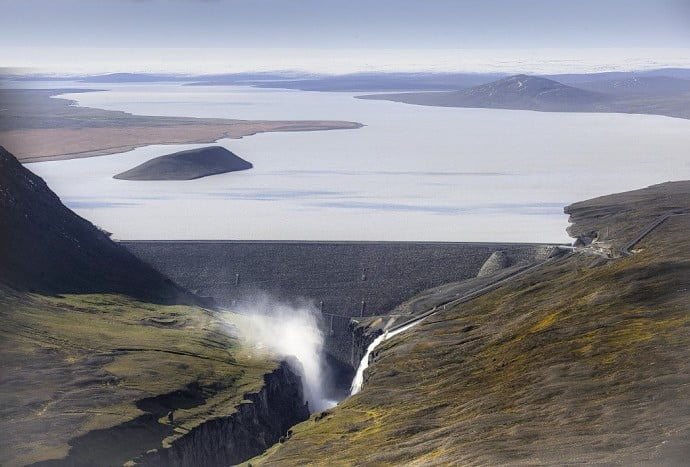
Hydropower alone supplied 13.5 TWh, and geothermal and other renewable sources 5.6 TWh (Ember, 2024).
Forest resources of Iceland
Iceland is known for its striking natural landscape, but surprisingly, its forest area is very limited. According to 2020 data, forests cover 0.53% of Iceland’s land area, equivalent to about 533.1 km² according to 2023 data (World Bank).
Its main forest region is Austurland (East Iceland).
Environmental performance and protection of Iceland’s natural resources
Iceland is a country with strong environmental awareness and significant protection of its natural resources. In the Environmental Performance Index (EPI 2024, Yale University), Iceland scored 64.3 and ranked 19th out of 180 countries. Protected areas also cover 20.9% of its land area (World Bank, 2025). Protecting these areas is essential to maintaining ecological balance and preserving the country’s natural resources.
Natural parks of Iceland: the hidden wealth of natural resources
Biodiversity: animal and plant resources of Iceland
Birds of Iceland
Iceland has a total of 109 bird species recorded in 2018, ranking 181st in the world.
However, 7 of its bird species are endangered. Among the most notable is the Atlantic puffin, one of the country’s most iconic birds.

Fish of Iceland
Iceland has rich aquatic biodiversity, with a total of 299 fish species, 16 of which are threatened.
Cod stands out as a fundamental part of the country’s economy and culture.
Mammals of Iceland
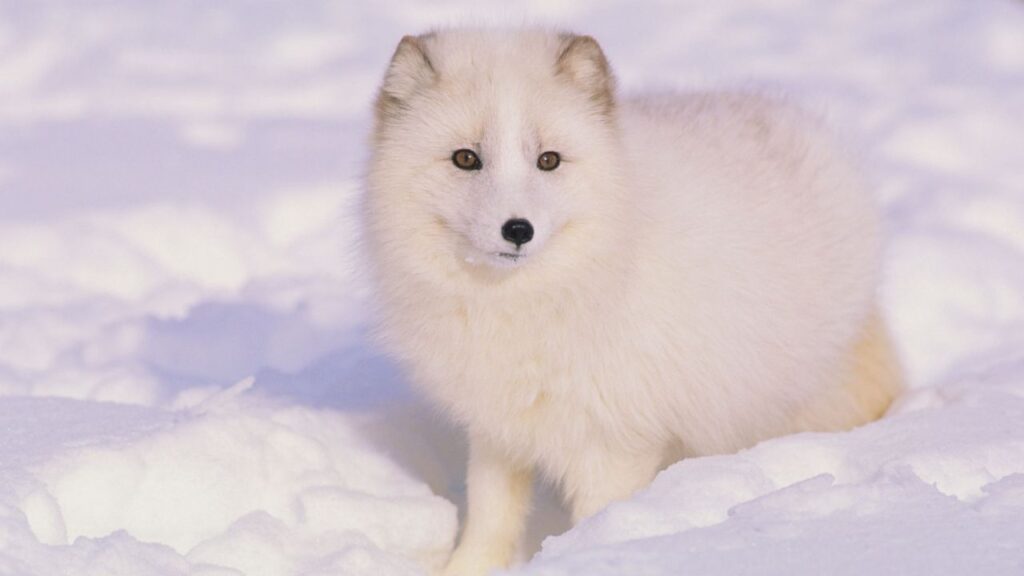
Among the mammal species that live in Iceland, the Arctic fox stands out; it is perfectly adapted to the country’s harsh climate.
Reptiles of Iceland
No reptile species are known to live in Iceland.
Organizations that protect or study Iceland’s natural resources
- Landvernd (Icelandic Environment Association) – Non-governmental organization working to conserve and protect Iceland’s environment.
- Ministry of the Environment, Energy and Climate of Iceland – Government body responsible for environmental policy and natural resource management.
- Environment Agency of Iceland (Umhverfisstofnun) – Government agency responsible for protecting and conserving the environment and biodiversity.
- Natural Science Institute of Iceland – Organization that carries out scientific research in fields such as ecology, geology and natural resources.
Iceland generates almost all of its electricity without fossil fuels: 99.97% comes from low-carbon technologies, with a carbon intensity of just 28 gCO₂/kWh, the lowest in the world (Low Carbon Power, 2025). The country is also the world’s largest producer of green energy per capita (Government of Iceland).
Geothermal energy: heating and primary energy
Volcanic heat shapes Iceland’s energy model more than any metal deposit. About 85% of homes are heated with geothermal energy through extensive district heating networks, and around 85% of the total primary energy supply comes from domestic renewable sources, the largest share of any national energy budget (Government of Iceland). In electricity, hydropower supplies more than two-thirds and geothermal about one-third (Low Carbon Power, 2025).
Aluminum: smelting with cheap green electricity
With no bauxite of its own, Iceland imports alumina and smelts it using its low-cost renewable electricity: it produced about 730,000 tonnes of primary aluminum in 2023, with installed capacity of 880,000 tonnes a year (USGS, 2024). Raw aluminum is the country’s largest export product: $2,244 million in 2023, or 29.5% of goods exports (OEC, 2023).
Fishing: the marine export pillar
North Atlantic fishing, led by cod, remains the second export engine. Seafood accounted for about 36% of goods exports in 2023; fish fillets, at $1,217 million (16%), were the second-largest single product after aluminum (OEC, 2023).
Sources used
- List of countries by mineral production – Wikipedia
- Economic data by country – The Global Economy
- Forest area (km²) – World Bank
- Forest area (% of land area) – World Bank
- Water and agriculture statistics – FAO
- Precipitation (mm) – World Bank
- Environmental Performance Index – Environmental Performance Index
- Bird species – Mongabay
- Amphibian species by country – Mongabay
- Mammal species – Mongabay
- Endemic mammal species – Our World in Data
- Plant species – Mongabay
- Reptile species by country – Mongabay
- Endemic bird species by country – Our World in Data
The National Energy Authority of Iceland reported in 2023 that 100% of the country’s electricity comes from renewable sources, mainly geothermal and hydroelectric.
Last updated: September 26, 2026

Leave a Reply